
I'm new to hair systems — how long does a hair system last. What should I know before ordering?
How Long Does a Hair System Last? 2026 Beginner's Guide

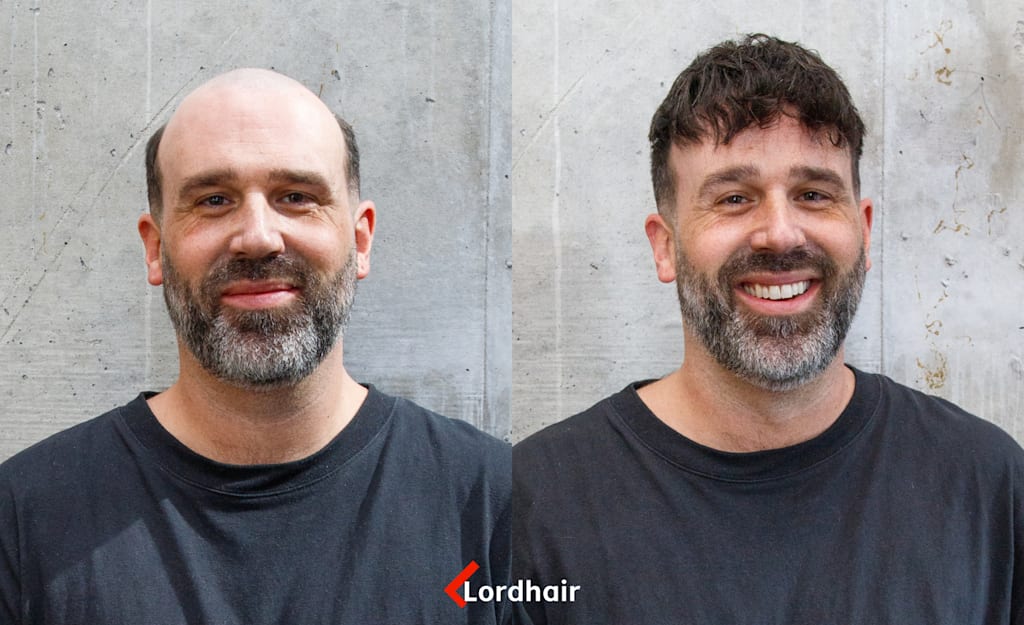
I'm new to hair systems — how long does a hair system last. What should I know before ordering?
How long a hair system actually lasts comes down to a few things: the base material, the type of hair, and how you treat it every day. Non-surgical hair replacement is definitely a flexible route to take. You just need to keep your expectations realistic.
We're going to break down exactly what impacts durability, when you'll probably need to replace your unit, and what to look out for before ordering your first Lordhair system.
Key Takeaways
Base material determines durability; monofilament outlasts delicate lace or thin skin.
Bond duration measures attachment time, not the system's usable lifespan.
Gentle removal protects delicate bases from avoidable damage.
Most systems need washing once or twice weekly with lukewarm water.
Replace units with exposed bases, heavy shedding, or irreversible color fading.
Average Lifespan: How Long Does a Hair System Really Last?
A toupee doesn't have a single set lifespan. Its actual usable life depends heavily on the base material, the human hair quality, your daily wear routine, and basic maintenance. Buying a replacement is just a normal part of wearing a non-surgical hair system. It's not a sign you messed up.
Keep an eye on your unit while cleaning and styling. Heavy shedding, hair that just won't hold a style anymore, or obvious wear on the base are clear signs it's time to order a new one. That's it.
And remember, gentle washing, careful drying, and proper storage go a long way in protecting both the hair and the base.
Bond Duration vs. System Longevity: Understanding the Crucial Difference
Bond duration is simply how long a single attachment stays secure on your scalp before you take it off and rebond it. It doesn't measure the actual usable life of the hair system. One unit can easily go through several bonding cycles.
The adhesive and hair system tape you use will drive your maintenance schedule. But sweat, natural skin oils, and everyday wear can definitely shorten a bond. A clean removal goes a long way in protecting the unit from unnecessary stress. You should replace the hair system only when shedding, bad styling performance, or obvious base wear shows it's no longer usable.
The First-Timer Tax: Why Your First System Might Not Last as Long
Your first hair replacement system might wear out a bit faster than you expect. The learning curve is real, and it usually leads to accidental damage while you're cleaning, removing, or styling the hair. It isn't a sign of a cheap unit. Your early maintenance habits just make a huge difference.
Beginners often pull at the base while peeling off adhesive, use products that leave behind heavy buildup, or yank a brush right through tangled hair. Every single mistake like that causes more shedding or puts extra stress on the base. So just stick to the care instructions. Take the adhesive off gently, and always grab the system by its edges to protect your first unit.
How Base Materials Impact Hair System Lifespan
Base materials set the limit on how much daily wear a hair system can take. Even careful removal can't make a delicate base act like a reinforced one.
The right choice just comes down to balancing a natural look, comfort, and durability before you order.
Ultra-Thin Skin Bases vs. Fine Lace Bases
An ultra-thin skin base gives you a smooth, close-to-scalp look, but the thin material can easily tear or stretch if you pull it too often. It's perfect for wearers who care most about a subtle hairline and a low-profile feel.
A fine lace base is breathable and flexible, which makes it much more comfortable in warm weather. The mesh also helps with a natural look, especially right at the front. But lace can still fray or snag if you're rough with it. Neither option is built for heavy wear. Both need gentle removal and careful handling around the edges.
Monofilament and Hybrid Base Construction
Monofilament uses a stronger, fabric-like base that holds its shape way better than very thin skin or fine lace. This extra structure makes monofilament a solid choice for people wanting a hair system that handles regular wear without feeling too fragile.
Hybrid bases mix and match materials in different spots, like a tough center paired with lace or skin at the hairline. That setup protects high-stress areas while keeping the front looking totally natural. For beginners, hybrid bases usually offer the best balance of durability because they don't rely on a single fragile material across the whole unit.
Comparing Base Types: Lifespan, Breathability, and Maintenance
If you're a first-time wearer, monofilament gives you the best mix of durability and easy care. Lace offers way more airflow, while a skin base delivers a close-to-scalp finish.
No single base wins every category. That's just a fact. You need to choose based on daily comfort, a natural hairline, or how often you want to replace it. Plus, your daily handling routine really impacts how long each base actually lasts.
Lace breathes great, but you'll need to be gentle during cleaning and removal since the mesh can easily snag or fray. A skin base's thin edges also require careful removal so you don't stretch or tear them. Monofilament holds its overall shape much better. It's just not quite as breathable as lace.
Lifestyle Factors: How Daily Habits Affect System Wear
Your daily routine can cut a hair system's lifespan short, even if you picked the perfect base for your needs. Things like heat, moisture, skin oils, and sun exposure constantly stress both the human hair and the attachment area.
This wear and tear matters most when it happens all the time. Think intense workouts or spending long hours outside.
Exercise, Sweat, and Environmental Wear
Pushing yourself at the gym can quickly wear out an attachment. Sweat and scalp oils pile up right at the bonding area. Constant moisture weakens the grip, and oil easily makes the adhesive less reliable. If you go hard during your workouts, always check your edges afterward. And definitely don't let a damp system sit against your skin for hours.
The sun is another big factor. Sunlight dries out human hair and triggers oxidation, fading the color and leaving the strands brittle. Once that hair gets brittle, you'll notice a lot more shedding when you brush or style it. Just wear a hat or try to avoid sitting in direct sunlight for too long, especially if your system is already on the dry side.
Daily and Weekly Care: Practical Maintenance Rules for Beginners
Daily care really comes down to gentle handling. Make sure to detangle dry hair right before bed or hopping in the shower. Just hold the hair close to the base and work your way up from the ends. If you just yank through knots, you'll end up loosening the strands and putting way too much stress on a fragile base.
You also need to keep your cleaning and conditioning routines pretty gentle. Stick to lukewarm water. Don't rub or twist the hair, and make sure to rinse out your products completely so buildup doesn't make tangles worse. When you're done washing, just pat the system dry instead of scrubbing it. Finally, take a quick look at the edges every week to spot any lifting or damage, especially after a sweaty workout or a long day in the sun.
How Often Should You Wash a Hair Replacement System?
Most hair replacement systems only need a wash about once or twice a week. Seriously, don't do it every day. This routine clears out sweat, oil, and leftover styling products. Plus, it cuts down on the dryness and extra handling that wears out the hair and the base.
You'll want to wash it sooner if you've been sweating a lot or notice product buildup. But if the hair still feels clean and moves naturally, just wait. When you do wash it, stick to lukewarm water and rinse completely. Never rub or twist the hair. Good habits like these keep the system safe between washes.
The First-Order Survival Kit: Essential Items to Buy Alongside Your Unit
When people ask what to know before ordering a first hair system, the biggest thing is this: you need aftercare supplies right from day one. Cleaning isn't an optional extra. It's just part of wearing one. And the products you pick actually change how long the hair and base hold up during normal use.
Make sure to grab shampoo and conditioner made specifically for hair systems, along with adhesive remover and a good scalp cleanser. You'll also want whatever attachment product fits your setup—like tape or liquid glue—plus a soft brush or a wide-tooth comb. Always keep some extra tape or adhesive on hand. That way, a loose edge doesn't turn into a panicked fix. Just follow the product instructions, rinse everything out well, and never rub or twist the hair while it's wet. Simple.
Red Flags: Key Signs It Is Time to Replace Your Hairpiece
Every hair system eventually hits a point where no amount of care will bring back its original look or hold. The biggest signs you need a new hairpiece? Base damage, constant shedding, and hair that just doesn't look full or match your color anymore.
Swapping out a worn unit keeps things looking natural and ensures the tape or glue actually stays secure. Simple as that.
Physical Base Degradation and Hair Density Loss
If you spot obvious thinning at the crown or along the part line, the density has dropped too low for a quick styling trick to hide. Losing a few hairs during normal wear is completely fine. But constant shedding that actually exposes the base? That makes the system incredibly hard to blend with your own hair.
Check the edges every single time you take the unit off. Rips, stretched-out spots, cracks, or frayed materials weaken the attachment area and make lifting much more likely to happen. Don't keep wearing a base that's split near the hairline.
Color oxidation is another huge red flag. This happens when the hair turns brassy, faded, or dull and you can't color-correct it to match your natural hair. Once the color and density both look off, getting a replacement Lordhair system is usually your best bet.
The Rotation Strategy: How Alternating Two Units Triples Longevity
Swapping between two hair systems can really stretch out the life of a human hair toupee. Why? Because each unit takes less of a beating from sweat, friction, washing, heat, and attachment changes. It doesn't guarantee either piece will magically last three times as long, but it definitely cuts down on the wear and tear of using the same one every single day.
Just wear one unit while the other gets cleaned, dried, and stored flat somewhere dry. This setup gives you plenty of time to check for shedding, color fading, or edge damage before things get hard to hide. Switch them out regularly, and try not to over-style either one. Simple.
Financial Planning: Long-Term Hair System Costs
Buying a hair replacement system involves more than just paying for the unit itself. You've got ongoing costs to think about. Your yearly budget needs to cover fresh units, plus regular supplies like adhesive, remover, shampoo, conditioner, and styling gear.
Figuring out your average cost per month for hair system maintenance gets a lot easier when you map those repeat purchases into a 12-month plan.
Calculating Supplies and Annual Replacement Cycles
Start by figuring out how many units you'll swap out over the year. Multiply that number by the price of each unit. Then, just add up the total cost of all the supplies you'll need to reorder along the way.
Keep separate track of your adhesive, remover, scalp protectors, and hair-care stuff. Jot down the price and how often you actually run through every bottle or roll. That simple step stops small, frequent buys from catching you off guard.
Finally, divide that yearly total by 12. That gives you the exact average cost per month for hair system maintenance. Rotating two toupees might spread the daily wear across both pieces, but remember—you're still budgeting for two systems upfront.
Pre-Order Decision Guide: Choosing Between Stock and Custom Hair Systems
After figuring out your budget, pick the hair system route based on how fast you need it and how precise the fit has to be. Stock systems usually arrive faster since they're made in standard sizes. Custom systems are built exactly to your measurements, so they take a bit longer.
If this is your first non-surgical hair replacement, starting with a stock system is a great way to get the hang of attaching, cleaning, and wearing it. A custom order gives you a much better fit and a more natural look. Just double-check those measurements before you buy. Keep in mind that the materials you pick and how well you take care of the hair will decide when you need a new one.
Is Getting a Hair System Worth It for Beginners?
Getting a hair system is often worth it if you're a beginner wanting a non-surgical fix without waiting around for new hair to grow. But the real value comes down to how willing you are to keep up with it. It's not just about buying a men's toupee and calling it a day.
You should expect to pay an upfront cost, budget for regular upkeep, and eventually replace the unit. Your new routine will involve checking the attachment, cleaning things up, styling carefully, and planning ahead as the hair system starts to show its age. Grabbing a stock system can really take the pressure off your first purchase. Plus, getting a little professional help usually makes putting it on a whole lot easier.
What to Know Before Ordering Your First Hair System: Pre-Order Checklist
If you're wondering what you need to know before ordering your first Lordhair system, start with the fit and daily upkeep. Getting a piece that actually matches your measurements, color, density, and routine means you won't end up with an expensive mistake.
Just run through this final checklist. Double-check your template or scalp measurements. Then, match up the base materials with your wearing schedule and how much time you want to spend cleaning it. Recheck your hair color outside in natural light. Pick a density that blends right into your own hair, and figure out the hair direction and cut-in plan. Don't forget to budget for extra supplies and a backup unit. Why? Because things like the base material, sweat, daily handling, and basic maintenance will always affect how long the hair lasts. That's it.
Finding Your Ideal First Unit with Lordhair
Getting your first unit? Lordhair stock options make the whole process a lot easier. Just focus on the basics: fit, hair color, density, and finding a base that fits your daily routine rather than worrying about advanced custom tweaks. Pick a base you can actually handle cleaning, attaching, and taking off yourself. Simple as that.
A pro can really help you nail down the right measurements, blend the hair, and figure out a cut-in plan. Make sure to grab the exact maintenance gear your attachment style needs. Also, keep in mind you'll eventually need a replacement, since sweat, daily handling, and regular care will slowly wear the system down over time.
Frequently Asked Questions About Hair System Longevity
Which hair system lasts the longest?
Monofilament. Its reinforced fabric-like base holds shape better than fine lace or ultra-thin skin. A hybrid is often the smarter first buy: tough center, natural-looking front.
How much does a good hair system cost?
There's no honest single price. Cost varies with base, hair quality, density, and customization. Buy the right base for your routine—not the cheapest unit you'll replace fast.
What is the most durable hair system base material?
Monofilament, period. It handles regular wear and resists shape loss better than delicate lace or thin skin. Less breathable, sure. Much less fragile.
Do lace or skin hair systems last longer?
Neither wins by much; both are delicate. Lace can snag and fray, while thin skin can stretch or tear. Gentle removal matters more than people think.
About the Creator
Leo
Passionate men's hairstylist with a keen eye for detail and a knack for creating on-trend looks. Dedicated to delivering hair restoration education that enhances individual style.
Enjoyed the story? Support the Creator.
Subscribe for free to receive all their stories in your feed.
Comments
There are no comments for this story
Be the first to respond and start the conversation.