
If I stop wearing a hair system how long does shaved hair take to grow back?
How Long Does It Take for Hair to Grow Back?

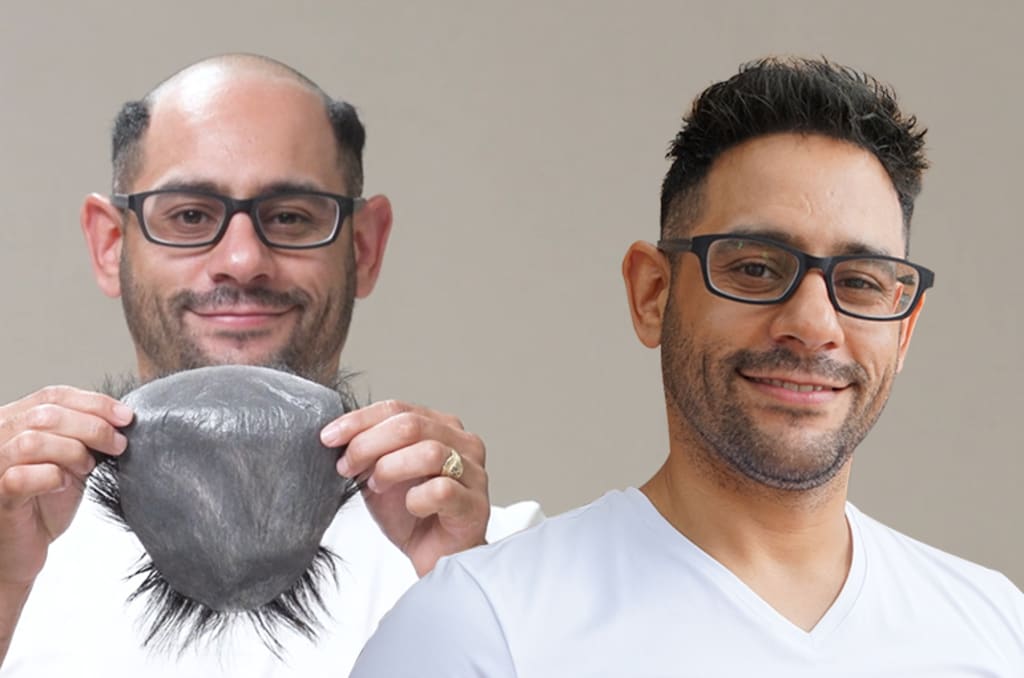
If I stop wearing a hair system how long does shaved hair take to grow back?
Taking off your hair system for good is a big step. Your scalp needs time and patience to adjust and recover. Your personal hair regrowth timeline won’t happen overnight, so setting realistic expectations helps avoid frustration. To get a sense of how long this shift takes, it helps to first understand the biological clock that controls every hair follicle on your scalp.
Key Takeaways
Expect about 0.5 inches of growth per month, taking roughly 90 days to transition from a bare scalp to a blendable buzz cut.
Detox your scalp using a citrus solvent and clarifying shampoo to remove residual adhesive and unblock dormant follicles.
Apply gentle exfoliators and hydrating serums to nourish the skin and stimulate healthy regrowth.
Anticipate less natural density, as male pattern baldness continues progressing underneath hair systems.
Get a high fade haircut to blend uneven growth and make thinning areas on top appear fuller.
Use hair fibers or partial hairpieces to temporarily conceal sparse spots during the transition phase.
The Biological Clock: Understanding the Average Hair Growth Rate
Hair follicles run on a fixed, natural schedule. During the Anagen phase, your hair actively grows out of the scalp, leading to an average growth rate of about 0.5 inches per month.
Then come the Catagen and Telogen phases, which slow things down and eventually bring growth to a stop. Biology sets the baseline, but what you actually see when moving from a bonded system to your natural hair follows a more defined path.
The Three Phases of the Hair Growth Cycle
Knowing how hair grows explains a lot of what you notice in the mirror. Each strand on your head is at its own point in the cycle.
It begins with the active growth phase. This is when new cells form at the root and push the hair upward. Most of your hair is in this stage right now. Then there’s a short transition phase where growth slows and the follicle shrinks.
Finally, the hair moves into the Telogen phase. This is the resting stage. The strand eventually sheds, leaving behind follicles that stay dormant for a while before starting again. Since each hair follows its own timing, they don’t all reset at once. That uneven rhythm is why some parts of your scalp can look patchier than others at first.
Why Your Growth Might Feel Slower After a Hair System
Removing a hairpiece resets your idea of what normal density looks like. A premium system gives you instant, full volume. Natural hair just can’t match that overnight effect.
When you begin your hair system transition, half an inch of growth per month can feel painfully slow. Your brain compares the thin new growth to the thick look you had just days ago. That contrast makes it seem like nothing is happening, even though your body is right on track.
Short strands can fool you into thinking there’s no progress. But your scalp is steadily doing its job. Getting through this stage takes patience and a clear sense of what’s happening over a realistic 90-day timeline.
The 90-Day Freedom Roadmap: A Visual Growth Timeline
Taking off your system kicks off a pretty clear visual journey. Over the next three months, what you see in the mirror shifts from a bare scalp to visible stubble, and eventually to an overgrown buzz cut. This regrowth timeline takes some patience as your natural follicles wake back up.
Keeping an eye on these day-to-day changes helps you know what’s coming. The first month lays the groundwork as your skin and roots start recovering.
Week 1 to 4: From "Shadow" to Stubble
The first few days look a lot like a fresh clean shave. Your scalp will probably seem much paler than your face since it hasn’t had direct sunlight in months. That sharp contrast is normal, and it fades as you spend more time outside.
By the end of week two, you’ll start to see a clear 5 o’clock shadow across your head. Hair begins pushing through the scalp, showing up as tiny, rough dots of pigment. On average, hair grows about 1/2 inch per month, so progress here shows up in small, millimeter-level changes.
Weeks three and four bring real texture. The shadow turns into stubble you can actually feel when you run your hand over it. You’re no longer dealing with bare skin, but the early base of real hair. This growth helps cover some of the leftover paleness and marks a noticeable shift. You’re moving out of the raw stage and into building a proper buzz cut.
Month 2 and 3: The "Bridge Phase" and First Styling
By the second month, the classic awkward phase kicks in. Your hair is long enough to lie flat in some spots while sticking straight up in others. This uneven look happens because different parts of your scalp produce slightly different hair textures.
By month three, you reach that overgrown buzz cut stage. You’ll have around an inch of length on top, which is just enough to start blending it into the sides and back. A quick visit to a barber can clean things up. That small trim makes the uneven growth look intentional instead of like you’re stuck waiting it out.
Getting through these 90 days takes more than just counting time. Your follicles have pushed through, but they still need the right conditions to keep growing well. Once you understand the timeline, the next step is making sure your scalp—the “soil”—is healthy enough to support those new “seeds.”
The "System-to-Scalp" Detox: Preparing Your Follicles
Taking off your hair system often leaves an invisible barrier behind. Months of using scalp adhesive can clog pores and affect your overall scalp health. If you want those dormant hairs to grow, you need to reach follicle depth and clear out that buildup. Proper cleaning is the first step, and choosing the right products can speed up your recovery.
How to Properly Remove Residual Adhesive
Start by applying a citrus-based solvent directly to the areas with the heaviest buildup. Let it sit for three to five minutes. This short wait helps break down the stubborn adhesive so you don’t have to scrub hard. Scrubbing too aggressively can cause tiny tears in your skin, which slows down recovery.
Next, use a microfiber towel to gently wipe away the loosened glue. Wipe in one direction instead of rubbing back and forth. Good scalp hygiene takes a bit of patience here. If you miss spots, leftover glue can act like a plug over dormant follicles and block oxygen.
Finally, wash your head with a deep-cleansing clarifying shampoo. Massage it in with your fingertips using small circular motions to lift away the last tiny bits of tape or liquid bond. Getting your scalp completely clean and breathable takes effort. Once your skin is fully clean, it’s time to nourish it with specialized Lordhair maintenance tools.
Essential Scalp Care Products from Lordhair
You’ve just stripped your scalp of oils and glue, so restoring moisture quickly matters. High-quality scalp exfoliators help remove dead skin cells that can block new hair from coming through. Lordhair offers a range of gentle exfoliating scrubs made specifically for sensitive post-system skin.
After exfoliating, follow up with a nutrient-rich serum. Regular hair system maintenance tends to leave the skin dry, so a hydrating leave-in treatment can soothe irritation and support a healthier environment for regrowth. Look for formulas with aloe or tea tree oil to help calm the skin.
These steps give your hair the best chance to come back strong. But even a clean, well-nourished scalp has its limits. At some point, you’ll need to face the reality of your underlying hair loss and what your natural genetics will allow.
Managing the "Thinning" Reality: Why Hair Looks Different
Taking off a hair system often brings a harsh truth into focus. Your natural hair usually looks much thinner than you remember. This isn’t just about minor damage from wearing a base. It’s a mix of ongoing thinning caused by Androgenetic Alopecia and the misleading blunt edge myth.
Both factors can completely change how your natural growth looks and feels in the mirror. If the density isn’t what you expected, there are modern ways to close that gap.
The Blunt Tip Effect vs. Actual Density
Freshly shaved hair always feels thicker than it actually is. When you run your hand over a buzzed scalp, you notice a coarse texture that seems very dense. It’s a strong optical illusion.
What you’re really feeling is the thick base of the hair shaft, not the tapered end. This is called the blunt tip effect. Since the hair is cut straight across, it stands upright and gives a false sense of fullness.
As those short hairs grow out, they start to lie flat and show your true density. The scalp becomes more visible, and that early illusion fades pretty quickly. Once you see what your coverage really looks like, you can start exploring practical ways to deal with thinning areas.
Addressing Progressive Male Pattern Baldness
Wearing a hair system hides hair loss, but it doesn’t stop it. Male pattern baldness is driven by genetics and hormones. That process keeps going underneath your hairpiece the whole time.
Years can pass while wearing a system, covering up what’s happening on top. By the time you remove the base for good, your natural hairline has often receded much more. The affected follicles have kept shrinking, producing finer, weaker hairs.
You need to manage expectations before making a permanent switch. The hair you had five years ago isn’t the hair you have now. Understanding this ongoing loss helps you set realistic goals for your final look. With a clear view of your current growth, you’re ready to explore the Transition Toolkit.
The Transition Toolkit: Bridging the Gap to a New Style
That 3–6 month regrowth window can feel awkward once you drop the hair system. But you don’t need to live under a hat the whole time. A few simple style tweaks make this stretch a lot easier to deal with.
Things like scalp micropigmentation, hair fibers, and a clean high fade can sharpen your look right away. And the easiest place to start is in the barber’s chair.
Strategic Haircuts: The Power of the High Fade
Going natural doesn’t mean sacrificing style. A skilled barber cut is your best tool for handling uneven regrowth. When the top looks clearly thinner than the back and sides, a uniform buzz cut tends to make bald spots stand out more.
Instead, go for a high fade. Bringing the sides down tight to the skin removes the bulk that draws attention to a thinning crown. Keeping the sides close creates a visual trick that makes the top appear fuller.
A lot of modern styles use this same contrast to look clean and intentional. Adding a sharp line-up gives structure and pulls attention away from overall density. And if a fresh cut still feels a bit exposing, you can always pair it with temporary cosmetic boosts.
Using Lordhair Accessories During Your Transition
You might not feel ready to fully reveal everything right away. That’s completely normal. Lordhair has accessories that help you bridge the gap while your natural hair comes back in.
If you’ve got decent coverage but need more thickness, hair fibers work really well. They attach to your existing strands and quickly fill in sparse areas, especially on the crown. For guys who need more coverage without going back to a full system, a partial piece with a breathable base is a great middle option. It gives your scalp room to recover while keeping your look consistent.
These quick fixes put you back in control of how you show up. Taking off your system is a big change, so give yourself some room as you adjust to going natural.
Frequently Asked Questions About Hair Regrowth After a Hair System
How long does it take for a clean-shaven head to show stubble?
About two weeks. That is when the 5 o'clock shadow hits. By weeks three and four you get actual texture you can feel. Hair only pushes out half an inch a month. Progress is slow at first.
Do hair systems or adhesives permanently damage hair follicles?
No. But leftover glue acts like a plug over dormant follicles. You have to wipe away residual adhesive with a citrus solvent. The real issue is genetics. Male pattern baldness keeps progressing under the piece anyway.
Can I speed up hair growth after stopping a hair system?
Not really. Biology caps your speed at half an inch a month. You can only optimize the soil. Use gentle exfoliators and hydrating serums to nourish the scalp so new growth isn't fighting through clogged pores.
Will my hair grow back thicker if I shave the remaining hair?
Absolutely not. Shaving just creates a blunt tip on the hair shaft. It feels rougher but changes nothing about density. Expect less natural density overall since genetic hair loss didn't pause while you wore the system.
About the Creator
Leo
Passionate men's hairstylist with a keen eye for detail and a knack for creating on-trend looks. Dedicated to delivering hair restoration education that enhances individual style.
Enjoyed the story? Support the Creator.
Subscribe for free to receive all their stories in your feed.
Comments
There are no comments for this story
Be the first to respond and start the conversation.