
How to Wash Hair with a Hair System
Step-by-Step Guide: How to Wash Hair with a Hair System for Beginners

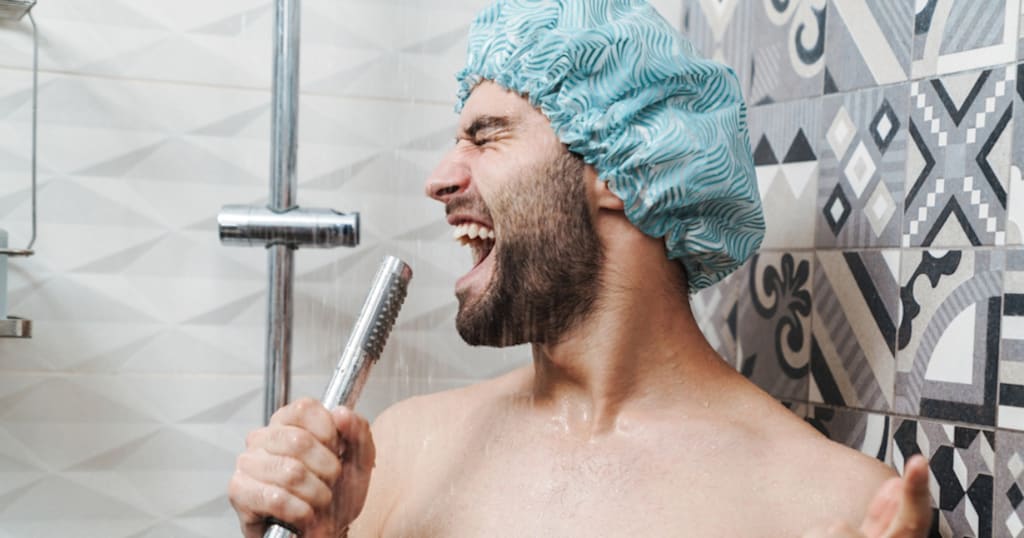
How to wash hair with a hair system starts with a gentle touch: keep the water pressure low, use a safe cleanser, and don't scrub the base.
A regular hair system maintenance routine keeps your scalp clean and helps both the bond and the hair stay in great shape. We'll walk you through exactly how to wash, condition, and dry the unit without causing annoying tangles or loosening the attachment.
Key Takeaways
Wash attached systems two or three times weekly, adjusting for sweat or buildup.
Check perimeter edges before washing; secure any lifting before getting the system wet.
Use lukewarm, low-pressure water flowing from crown to ends.
Shampoo with fingertips, never nails, scrubbing, twisting, or circular motions.
Keep conditioner away from the base; blot dry with microfiber or cool air.
Understanding On-Head Washing vs. Off-Head Deep Cleaning
On-head washing cleans the hair, scalp, and exposed base while the hair system stays attached. It's just routine care, not a full reset. Because of this, gentle handling is what matters most.
When it comes to hair system cleaning, taking it off lets you check the underside of the base, the attachment area, and your scalp without the system getting in the way. A hair system pro can also look for buildup, wear, loose edges, or tangling that's tough to see during a regular on-head wash.
So, do I need to take off my hair system to wash it? No. You can wash it while wearing it, but off-head maintenance is still a must when the attachment needs renewing or the base needs a close inspection.
Key Factors in Washing Frequency for Hair System Wearers
Most attached hair systems don't need daily washing. If you're new to wearing one, start with two or three on-head washes a week. Then, just adjust based on your scalp oil, sweat, and styling product buildup.
How often should you wash a hair system? Definitely wash it sooner if you've had a tough workout, worked in high humidity, or see visible residue. Those situations leave your scalp feeling uncomfortable and make the hair look incredibly flat. On the flip side, a dry or sensitive scalp usually needs a gentler, less frequent routine—unless a doctor says otherwise.
If you have an oily scalp, "how often do you wash your hair system" might mean every other day. But scrubbing it daily is usually more than the piece actually needs. Always check your attachment edges between washes. Lifting, tackiness, or buildup means it's time for routine maintenance, not an extra wash. That's it.
Essential Supplies for Hair System Care
Hair systems need purpose-made cleansing and care supplies. Don't just grab whatever shampoo is already sitting in your shower. The right hair system shampoo, conditioner, comb, and drying towel keep the hair manageable. Plus, they limit unnecessary pulling on the base.
Start by checking formula labels. Then, build a small tool kit to handle knots without yanking the hair. Simple.
What to Look For in Hair System Shampoo and Conditioner
Pick a sulfate-free shampoo labeled for hair systems, wigs, extensions, or color-treated hair. It needs to rinse out cleanly without leaving a heavy coating behind. Got a synthetic unit? Make sure the label says it's safe for synthetic fibers. A formula made only for human hair might ruin it.
Follow that up with a lightweight conditioner to improve slip for combing. A leave-in conditioner helps between washes. But only use a tiny bit through the mid-lengths and ends instead of soaking the base. Look for alcohol-free products whenever you can, especially if the hair feels dry or stiff.
The best shampoo and conditioner for hair systems match the exact fiber type and leave absolutely zero waxy residue. If a product makes the hair tangle more, feel coated, or look dull after you rinse it out, dump it. Just switch to a simpler formula.
Recommended Tools for Safe Detangling and Drying
Grab a wide-tooth comb for detangling. Its spaced teeth glide through knots with way less pulling than a fine comb. Start at the ends and work your way up in small sections. Make sure to hold the hair near the base so you don't tug on the attachment area.
A soft, flexible brush made for hair systems or extensions works great once you get the larger knots out. Avoid stiff brushes and narrow-spaced combs. They can snag the fibers or catch right at the base.
When figuring out how to dry a hair system after washing, always keep a microfiber towel handy. Its smooth surface is way gentler than a rough bath towel. It's also much less likely to catch or rough up the hair during your routine care.
Phase 1: Pre-Wash Preparation and Detangling
Before you jump in the shower, check the whole perimeter of your attached hair system. Keep an eye out for lifted edges, loose tape, or anywhere the base has pulled away from your scalp. This quick prep step really saves your bond strength, since a loose attachment can easily shift around once it gets wet. So if you spot any lifting, hold off on washing and secure the system first.
Next up is dry detangling. Grab the hair close to the base with one hand and take a wide-tooth comb in the other. Start right at the ends, work out any small knots, and slowly move up in short sections. Don't force it if you feel resistance. Pulling hard will just tug at the attachment area. Once the edges feel secure and the hair flows freely, getting it wet won't put nearly as much strain on the bond.
Phase 2: The Zero-Tension Washing Technique
A secure hair system can handle a careful wash, but pulling, twisting, or hard water pressure will stress the bond. The goal is to clean the hair and scalp without shifting the base or tangling the strands.
Gentle water flow and controlled finger movements keep the attachment stable while washing away daily oil and buildup.
Water Temperature and Pressure Settings
Stick to lukewarm water and a low-pressure shower setting. Hot water can actually speed up adhesive breakdown. Plus, strong water pressure can push against the hair system's edges and lift a weak bond.
Let the water run from the crown down toward the ends instead of spraying it right at the front hairline, temples, or perimeter. Keep your head upright when rinsing so the water follows the hair's natural direction.
You don't need cold water, but try to avoid sudden shifts between very hot and very cold. A steady lukewarm rinse is just much gentler on both the adhesive and the hair strands.
Step-by-Step Cleansing and Finger Motion
When cleaning a men's toupee at home, start by wetting the hair fully with lukewarm water. Put a little bit of shampoo in your palms, then spread it over the top layer of hair without piling the strands onto the base.
Use your fingertips—not your nails—to guide the shampoo from the roots toward the ends. Don't scrub in circles or bunch the hair up. Those motions can easily tangle the strands and create tension right near the attachment.
Use a light patting motion around the perimeter and press gently where the hair meets the base. Rinse in the same downward direction until the shampoo is completely gone. Proper cleansing clears away buildup so the hair is ready to absorb moisture in the next phase.
Phase 3: Deep Moisture Restoration and Rinsing
Conditioner belongs on the hair lengths, not on the adhesive base. Simple as that. When caring for human hair, this step brings back needed moisture after washing, while keeping the bond area totally dry and clean.
Grab a lightweight rinse-out conditioner. Smooth a little bit through the mid-lengths and ends using flat fingers, just pulling downward. Make sure to keep it away from your hairline, temples, and every edge of the base. If product buildup gets stuck there, it'll mess with your adhesive's grip.
Only leave the conditioner on for the time listed on the bottle, then rinse it out with lukewarm, low-pressure water. Aim the stream from the crown down to the ends. Support the hair with one hand instead of scrubbing or bunching it all up. Keep going until the water runs clear and the hair doesn't feel slippery anymore. Check your perimeter last. You want absolutely zero conditioner left near that adhesive base.
Phase 4: Drying and Post-Wash Styling Protocols
Dry the system with as little friction and heat as you can. After that last rinse, protecting the attached base matters just as much as drying the hair itself.
The safest routine relies on blotting, cool air, and gentle detangling. These steps cut down on pulling at the bond while the hair dries, which keeps the finish looking smooth.
Dry Without Pulling on the Base
If you want to know how to dry a hair system after washing, start by holding the base steady with one hand. Press a microfiber towel against the hair in downward sections. Don't rub, twist, or wring it.
Let the hair air dry whenever you have the time. If you really need a dryer, stick to the cool setting. Keep the air moving along the length of the hair instead of pointing it right at the base.
Only comb when the hair is damp. Start at the ends and work your way up with a wide-tooth comb. Stop if you feel any resistance. Forcing a snag can easily pull on the hair and the attachment.
Impact of Water Hardness and Mineral Buildup
Hard water leaves mineral deposits on a hair system, making the hair feel rough, dull, or tough to comb. Plus, this buildup can make your conditioner seem useless since it can't coat the strands evenly. You can't actually see water hardness. So, if the texture feels off right after a wash, that's usually your first clue.
When you spot mineral buildup, grab a chelating rinse made specifically for hair. Just follow the label and double-check that it works for your system's hair type. Rinse it out completely, then apply a moisturizing conditioner to get that smooth slip back. If your home's water tests hard, adding a simple shower filter can help stop new deposits. And please, skip the household descaling products. They aren't made for hair systems or their bases.
Emergency Protocol for Bond Loosening Mid-Shower
If you feel the adhesive edge start to let go, stop washing right away and step out of the water. Keep the lifting base supported with one hand. Don't tug at the hair, scrub the edge, or try to slide the system back into place. A loose bond spreads fast when it's wet, so cutting off the water exposure is your top priority.
Grab a clean, dry towel to blot the surrounding skin and base edge. Don't wipe. Then try the press-and-wait trick: hold the loose spot gently against your scalp for 30 seconds, let go, and see if it stays flat. If it keeps lifting, your shower is over. You'll need to do a full removal and reattachment once both the system and your scalp are completely dry. Don't ever add fresh adhesive to wet skin or a wet base. No exceptions.
Extending System Lifespan Through Proper Care
Washing your hair system the right way protects it from the kind of everyday wear that cuts its lifespan short. Pulling on it, rubbing it too hard, and washing it way too often will just loosen hairs from the base. That definitely raises the risk of shedding.
Being gentle always beats using force. It helps the hair stay aligned, cuts down on the tangles that cause breakage, and stops the base from taking on unneeded stress. Simple.
Keeping the right moisture balance also protects your color. Harsh cleansers and constant scrubbing can easily leave the hair dry, while too much heat and sun exposure just lead to oxidation and fading. Stylists generally say you should treat your Lordhair system like delicate, processed hair. Don't wash it unless you really need to, and always handle it with a light touch. Bottom line, good maintenance is what keeps a premium system's value high over its entire lifespan.
Maintaining Your Hairpiece Budget and Quality with Lordhair
Picking the right Lordhair human hair system actually protects your budget, as long as the base matches the maintenance you can realistically handle at home. The real goal isn't just finding the cheapest upfront price. It's about dodging preventable shedding and early replacements by washing carefully and doing routine checks. Simple as that.
Pick your base materials based on how you normally handle your hair. Lace bases need a very light touch when washing and drying. Skin bases, on the other hand, need quick checks for residue and edge wear before the mess gets too stubborn to clean. Stick to products actually made for hair systems. Rinse gently, pat it dry, and give the base a quick look after every single wash. Swapping out a system before it's truly worn out just leads to bigger bills down the road.
Frequently Asked Questions
Can you use regular shampoo on a hairpiece?
No. Use shampoo made for hair systems.
Should you use sulfate-free shampoo for hair systems?
Yes. It cleans without harsh stripping.
Is it safe to sweat with a hair system?
Yes. Sweat is normal.
How do you clean a hair system after working out?
Rinse gently; wash sooner if sweaty.
Does sweat loosen hair system adhesive?
Yes, buildup can weaken the bond.
About the Creator
Leo
Passionate men's hairstylist with a keen eye for detail and a knack for creating on-trend looks. Dedicated to delivering hair restoration education that enhances individual style.
Enjoyed the story? Support the Creator.
Subscribe for free to receive all their stories in your feed.
Comments
There are no comments for this story
Be the first to respond and start the conversation.