
How to Talk to Your Stylist About Your Alopecia Hair Patch
How do you do it with going to a hair stylist?

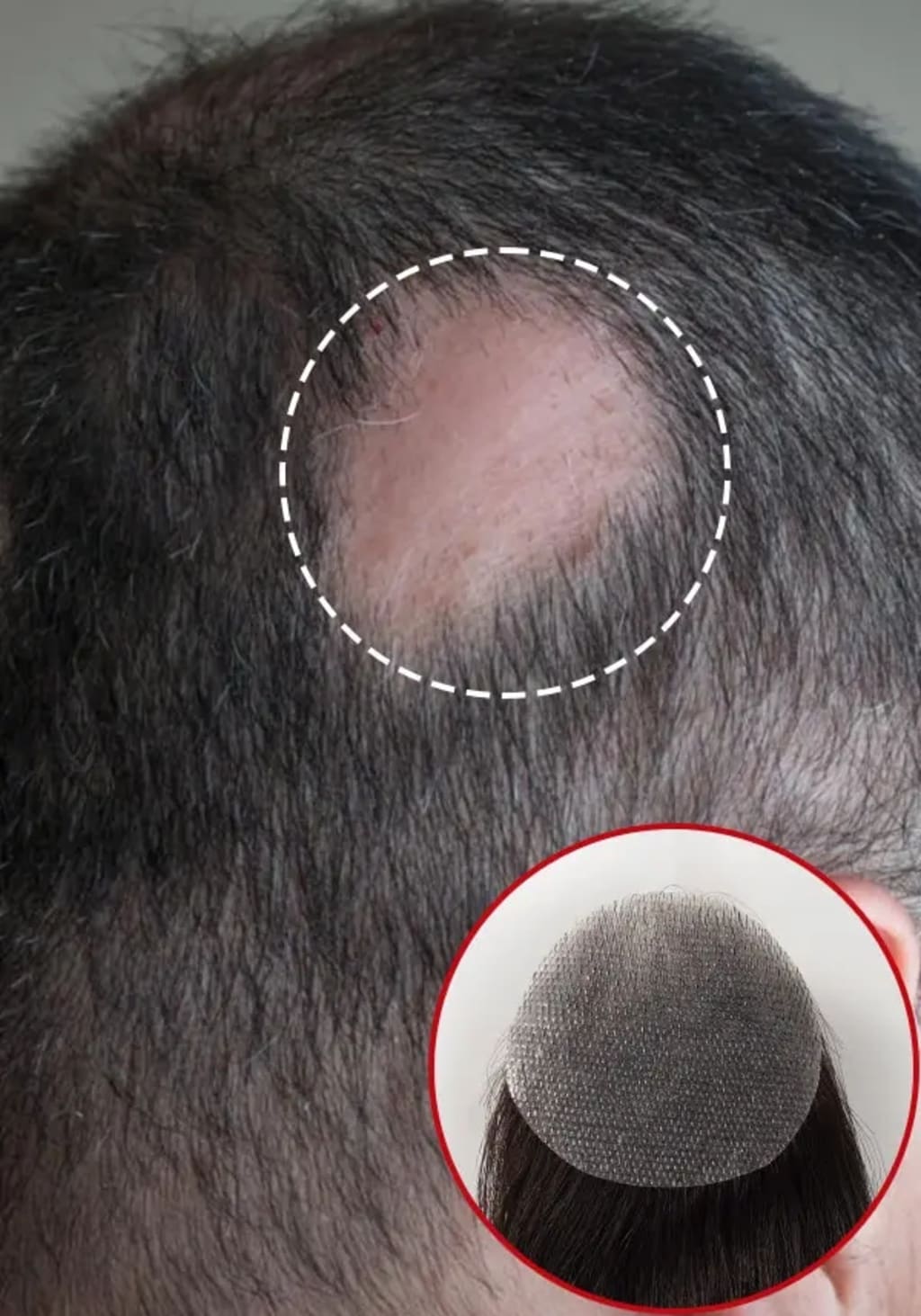
How to Talk to Your Stylist About Your Alopecia Hair Patch
Managing Alopecia Areata isn’t just about picking a hair patch from Lordhair. You also need a stylist you can trust. Talking openly about your bald spots and scalp condition can turn a stressful salon visit into something that feels safe and respectful. But before you can even have that kind of conversation, you first need to find a professional who truly understands the specific needs that come with hair loss.
It looks like no draft text was included. Send it over and I’ll polish it.
Key Takeaways
- **State your needs upfront:** Tell your stylist immediately about your bald spot and your goal to keep it concealed.
- **Bring visual aids:** Show photos of your daily styling and parting habits to guide the haircut.
- **Choose strategic cuts:** Opt for blunt cuts for thickness or soft layers to naturally cover crown patches.
- **Avoid scalp stress:** Refuse high-tension styles and harsh chemicals to protect your vulnerable follicles from further damage.
- **Blend and maintain:** Have your stylist custom-trim your hairpiece, choose a base suited to your activity level, and apply sunscreen to bare scalp areas.
The Consultation: Exactly What to Say Before the Cape Goes On
Talking to your stylist about hair loss isn't easy. The cape goes on, and suddenly the nerves kick in. You want to protect your hair follicles and make sure the cut is safe. The simplest way to stay in control is to start with a quick, clear line.
Using the "First 30 Seconds" Script
Not sure how to say it to your hairdresser? Just be upfront. Say: "I have a bald spot I’m actively managing. I need a cut that keeps it concealed." Setting that boundary right away takes the pressure off. You don’t need to explain your full medical background. Once that line is clear, showing them usually works better than trying to explain everything.
Bringing Visual Aids and Current Styling Routines
Words can only do so much. Show photos of how you handle camouflage and coverage day to day. Let your stylist see exactly how you part your hair. When they understand these habits, they have a solid guide for your Lordhair piece. With that visual clarity in place, they can move on to the exact cutting techniques needed.
Technical Haircutting Strategies for Camouflaging Patches
Your stylist’s scissors are your first line of defense. Getting hair density and texture right can change everything. Strategic cuts boost natural volume. First, you need a style designed specifically for coverage.
Best Haircuts for Hiding Alopecia Spots
The best haircut for hiding hair loss depends on your face shape. Blunt cuts add weight at the ends, making fine strands look thicker right away.
For crown patches, soft layers help hair fall over gaps more naturally. And a strong fringe can easily cover a receding hairline.
These tweaks work well for mild thinning. But when spots get bigger, scissors alone can’t fully cover them.
Integrating Lordhair Toppers and Hairpieces for Seamless Coverage
This is where non-surgical hairpieces come in. A Lordhair topper blends with your existing hair to add instant density.
Users report major confidence boosts. Real stories show how life-changing it is to feel comfortable again. Your stylist can trim these wigs to match your natural flow.
Once the piece blends in perfectly, you just need to make sure the application stays completely safe.
Setting Boundaries and Identifying Stylist Red Flags
You’re the boss of your own head. If a stylist suggests something that feels physically rough, say so. Proper protective care isn’t optional when dealing with hair loss. Your main goal is keeping your scalp in the best shape possible to support your natural hair and your Lordhair piece.
A true professional respects your limits. Spotting warning signs early can save you from lasting damage. Here are the specific chemical and physical treatments you should steer clear of.
What to Avoid: High-Tension Styles and Harsh Chemicals
Some salon services are straight-up risky for vulnerable follicles. High-tension styles like tight braids constantly pull at your roots. That ongoing tension often leads to traction alopecia.
You’re trying to keep a bald spot from spreading, not speed up shedding. And harsh chemical treatments can be just as harmful. Putting strong bleach directly on a sensitive area can seriously irritate the skin.
Always turn down these high-risk options. Protecting the hair you still have makes long-term maintenance of your new look much easier.
Maintaining Your Look and Scalp Health at Home
Your healthy hair journey doesn't stop when you leave the salon chair. You need to protect your remaining hair and skin between visits. Ask your stylist for specific between-cut tips to keep your camouflage looking sharp. Small habits make a big difference. Always apply sunscreen to bare scalp areas to prevent UV damage and irritation. Skin protection matters. And picking the right enhancement for your daily routine matters just as much.
Choosing the Best Lordhair Solutions for Your Lifestyle
Your daily routine decides which hair system works best for you. An active runner who sweats every day needs a highly breathable lace base. A swimmer might need a tighter, more durable fit.
Matching your enhancement to your activity level keeps the piece secure. Ask your stylist about lifestyle-friendly haircuts that blend naturally with your chosen Lordhair unit. A low-maintenance cut means less time styling in the morning.
Finding the right match brings up a few technical details. Here are some quick, straightforward answers to clear those up.
Frequently Asked Questions About Alopecia and Salon Care
Can you use hair fibers or concealers on alopecia spots?
Yes. Fibers need existing hair to cling to. Totally slick bald spots require scalp concealers instead. Wash them out daily to prevent clogged follicles.
How to know if alopecia is getting better?
Check the edges. If the bald patch stops expanding and fine white peach fuzz starts sprouting in the middle, you are recovering. Takes 3 to 6 months minimum.
What does new hair growth look like in alopecia patches?
White peach fuzz. It starts as vellus hair with zero pigment. Eventually thickens and regains your natural color. First wave is always thin and transparent.
What annoys hair stylists?
Surprises. Walking in with a glued hairpiece or hidden bald spots without warning them during booking ruins the schedule. State your needs upfront.
About the Creator
Leo
Passionate men's hairstylist with a keen eye for detail and a knack for creating on-trend looks. Dedicated to delivering hair restoration education that enhances individual style.
Enjoyed the story? Support the Creator.
Subscribe for free to receive all their stories in your feed.
Comments
There are no comments for this story
Be the first to respond and start the conversation.