
How to Style and Maintain Gray Wigs for Men for a Natural Appearance
Male Wigs Guide: Choosing, Styling, and Maintaining Your Look

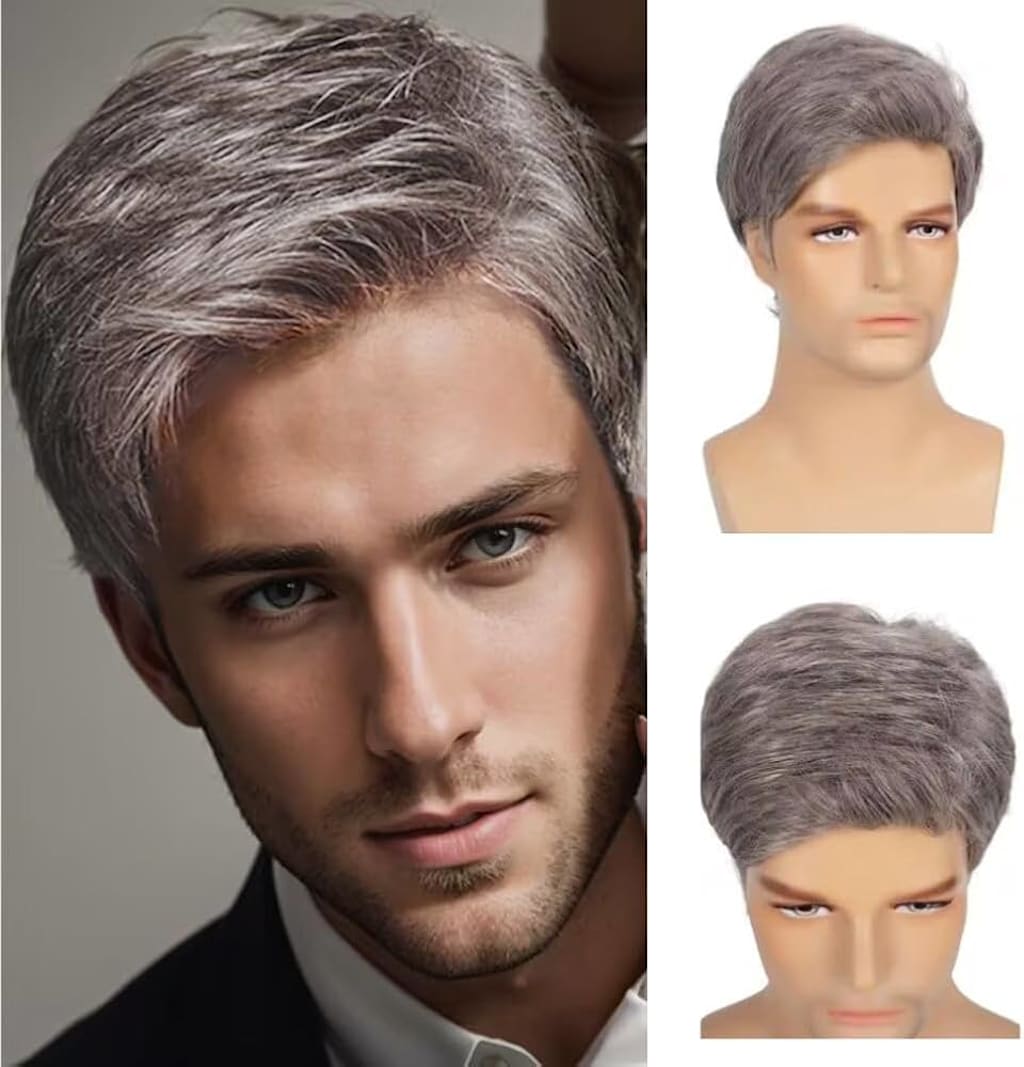
How to Style and Maintain Gray Wigs for Men for a Natural Appearance
Styling a Gray Wig for Men takes careful technique to pull off that sought-after "Silver Fox" look. By focusing on Realistic aging effects, stylists using Newtimes Hair units can finally break past outdated stigmas. To get a natural result, you’ll want to first nail the initial customization steps right after unboxing the piece.
Key Takeaways
- Dull synthetic shine by lightly dusting roots with dry shampoo for a realistic matte finish.
- Cut the front lace in a jagged pattern and use matte adhesive for an undetectable hairline.
- Blend the wig's ear tabs into natural sideburns using gray-tinted brow mascara and keratin fibers.
- Choose a gray percentage that matches the client's skin tone, keeping silver concentrated at the temples.
- Neutralize brassy, yellow tones from UV exposure by occasionally washing with a specialized purple shampoo.
- Style with matte pomades and a wide-tooth comb to create age-appropriate, natural-looking texture.
The Realism Check: Immediate Steps for a Natural Look
Unboxing a fresh hair unit is just the start. To get past the stigma of obvious men's hairpieces, stylists need to practice "Realism Engineering." That means making quick physical tweaks before the client even sits down. Straight out of the box, synthetic fibers usually have a factory shine. You want a clean matte finish to mimic real, aging gray hair. Without it, the piece just doesn't feel real. The most obvious giveaway of a synthetic piece is that unnatural shine, and it calls for a clear "Anti-Shine" approach.
Eliminating the "Synthetic Shine" with Matte Texturizers
Real gray hair absorbs light. Synthetic gray fibers bounce it back. To fix that plastic look, you need to change the hair's texture right away.
Grab a good dry shampoo or even basic cornstarch. Lightly dust the powder through the roots and mid-lengths of the unit. Brush it out well with a boar bristle brush so it spreads evenly. This gives you an instant matte finish that looks like real, slightly coarse gray hair.
Just don't go too heavy. Too much product leads to visible build-up, which breaks the illusion and holds onto dirt. Use just enough powder to dull the shine. A quick shake will get rid of any extra dust. This simple move turns a basic unit into a premium Newtimes Hair experience. Once the shine is under control, the attention moves to the most important area: the hairline.
Refining the Lace Front for an Undetectable Hairline
The front edge can make or ruin the entire result. A flawless Lace Front needs careful trimming. Cut the lace in a jagged, uneven line instead of a straight one. Real hairlines aren't perfectly straight.
Next, secure the front with a matte adhesive made for this purpose. Standard glues often dry with a shiny finish. That creates a visible "forehead shine" right where the lace meets the skin. A matte-drying liquid adhesive or low-shine tape keeps the hairline looking completely natural, even under strong lighting.
Press the lace firmly into the matte glue and let it fully cure before styling. This locks in a solid, realistic base for your client. But even a perfect hairline still has to blend smoothly with the wearer's natural hair.
Mastering the "Natural Blend" with Existing Facial Hair
A flawless hairline means nothing if the sides create a harsh, sudden break. The stigma around a male gray wig almost always comes from that obvious line where the piece stops and the natural beard starts. To achieve Realistic aging effects, stylists need to connect the unit’s ear tabs directly into the client’s existing facial hair. You can’t just leave a gap. If a client has a faded gray beard, the wig's temporal area needs to match that exact density. Blending the physical edges is only half the job; the style also has to reflect age-appropriate textures.
The Sideburn Secret: Using Hair Fibers and Mascara
Cosmetics are the quickest way to fix a disconnected temple. When fitting a gray hair wig, you’ll usually notice a small gap between the lace ear tab and the top of the natural sideburn. Leaving it bare ruins the illusion of a natural hairline.
Grab a gray-tinted brow mascara and brush it upward from the natural sideburn right into the wig hair. This ties the two textures together. The mascara wand catches the fine vellus hairs on the skin, creating a smooth visual bridge.
If the client's sideburns are thinning, tap keratin hair fibers over the mascara while it’s still drying. The fibers stick to the wet pigment and build realistic density. Moving from the edges to the overall shape calls for the right styling products.
How to Choose Newtimes Hair Gray Tones for Maximum Realism
Picking the wrong salt-and-pepper ratio looks instantly artificial. To create Realistic aging effects, the gray percentage has to match both the client’s actual age and their specific skin undertones. A fully silver head of hair can look theatrical on a man in his forties.
Start by matching the darkest hairs in the Newtimes Hair unit to the client’s natural eyebrow or beard color. If the client has warm skin tones, go for a mix with around 40% gray and a warm brown base. Cooler complexions can handle 60% to 80% gray much better without washing out the face.
Don’t overlook the distribution. Natural graying usually concentrates silver at the temples while keeping the crown slightly darker. Getting the tone right sets the base for the maintenance habits that come next.
The Maintenance Ritual: Preserving the Silver Brilliance
Keeping that perfectly blended gray looking fresh takes careful chemical and physical care. Gray hair has no natural pigment, which makes it highly vulnerable to environmental discoloration. Pollutants and harsh chemicals can quickly dull those crisp, cool tones, leaving behind a brassy yellow cast. You can’t rely on standard off-the-shelf products. Instead, use gray-specific formulas to cancel out unwanted warmth. A high-quality Sulfate-free wig shampoo keeps the cuticle intact without stripping needed moisture. That helps prevent the fibers from snapping under stress. Proper washing is just the first step in a multi-stage care routine.
Preventing the "Yellowing" Problem in Gray Fibers
Sunlight and oxygen are the main enemies of silver hair systems. Oxidation happens when UV rays break down the fibers, shifting bright silvers into a dull, yellowish tone. Without UV protection, even a high-end unit will start to brass out within a few months.
To counter this, stylists often suggest purple shampoos. Purple sits opposite yellow on the color wheel, so it actively neutralizes brassy tones. Use a dime-sized amount every three to four washes. Don’t overdo it. Too much purple shampoo leads to heavy Product build-up, which weighs the hair down and stiffens the base.
Always rinse thoroughly with cool water to seal the cuticle. Sealing it helps lock the right pigments inside the shaft. But beyond product choice, how you handle the hair during cleaning plays a big role in how long it lasts.
A 5-Step Cleaning Process for Newtimes Hair Systems
Washing a men’s hairpiece takes a gentle approach to avoid tangling and shedding. Follow this exact method to clean Newtimes Hair units without harming the delicate base.
First, gently detangle the unit with a Wide-tooth comb, starting at the ends. Second, place the piece in a basin of lukewarm water mixed with a specialized wig cleanser. Hot water can melt knot sealers and cause instant shedding.
Third, press the soapy water through the fibers. Never rub or twist the hair, since friction leads to permanent matting. Fourth, rinse under a light stream of cool water until it runs clear.
Finally, gently pat the unit with a microfiber towel to remove excess moisture. Let it Air dry completely on a canvas block head so the base keeps its shape. After washing, the drying and storage stage is where the wig’s structure is either preserved or ruined.
Advanced Styling: Aching the "Distinguished Gentleman" Aesthetic
Making a gray hair system look real means breaking a few old styling habits. A lot of men brush their units flat, and that kills the natural volume and luster you’d expect from healthy hair. Flat, uniform hair instantly reads like a wig. To avoid that, you need to bring in some controlled grit. Using more masculine, textured styling techniques gives the hair that lived-in, believable look. That’s where matte pomades really earn their place. But the right product alone won’t do the job. The tools you use matter just as much if you want to avoid that overly “perfect” styled look.
Using Matte Pomades to Add Age-Appropriate Texture
Natural gray hair usually comes in a bit coarse and wiry. A Newtimes Hairsystem feels incredibly soft right out of the box, but sometimes it needs a little extra grit to blend with older bio-hair. You can recreate that rougher texture by working strong-hold, zero-shine products into the roots.
Start by rubbing a dime-sized amount of clay between your palms until it’s fully spread. Then work it firmly into the base to build a natural matte finish. Stay away from anything shiny. High-gloss gels can easily reveal the hairpiece base under bright lighting.
This method gives you a lot of flexibility. You can restyle throughout the day without the hair getting stuck in a stiff, helmet-like shape. A flexible hold mimics natural movement. Still, product alone won’t create that effortless look. That kind of texture really comes together when you use tools suited for shorter, masculine styles.
The Wide-Tooth Comb Technique for "Natural Messiness"
Nothing exposes a hair system faster than a perfectly straight part. Real hair has cowlicks and small shifts in direction. If everything sits too neatly, it feels off right away.
To add some natural-looking imperfection, skip the fine-tooth comb. Go with a wide-tooth comb instead and gently guide the hair into place. This creates thicker, uneven sections and adds a more natural flow. It also makes detangling safer by reducing tension on the delicate base.
Nudge the front hairline slightly off-center to sell the look of natural growth. A bit of controlled mess makes a big difference. And keeping the system looking sharp isn’t just about daily styling. Long-term upkeep also means taking care of the scalp and protecting your natural hair follicles.
It looks like the draft text itself wasn’t included—only the instructions and protected keywords came through.
Send the actual text you want polished, and I’ll rewrite it while keeping everything intact.
Overcoming the Stigma: Confidence as the Best Adhesive
Men’s hair replacement still deals with an old stigma. But today’s clients aren’t hiding anymore. Choosing a gray hair system is a conscious power move that leans into maturity instead of running from it.
The key to breaking that stigma sits in the product itself. When stylists offer units with realistic aging effects, clients quickly let their guard down. They stop feeling like they’re playing character cosplay and start recognizing a real version of themselves.
Getting premium units from suppliers like Newtimes Hair gives retailers the exact salt-and-pepper balance needed to spark that mental shift. The right system handles the hard part, letting the client’s natural confidence step in.
That inner confidence, paired with high-level customization, is what pulls the whole look together. Let’s break down the final steps to master the ultimate "Silver Fox" transformation.
Frequently Asked Questions about Gray Wigs for Men
What is the four finger rule for wigs?
Four fingers flat above your eyebrows. The top finger marks your natural hairline. Start the wig exactly there. Any lower and it looks instantly fake.
How do you measure where a wig should sit on your forehead?
Wrinkle your forehead. The wig sits just above the highest wrinkle line. Alternatively measure 3 to 4 inches up from the bridge of your nose. Never guess.
How often should a man wash a gray synthetic wig?
Every 10 to 15 wears. Synthetic fibers do not absorb scalp oils. Overwashing destroys them. If UV exposure turns the gray brassy, hit it with purple shampoo once a month.
How do you blend a wig with your own hairline if it's receding?
Cut the front lace jagged. Straight lines scream fake. Apply matte adhesive. Brush gray-tinted brow mascara into your natural sideburns and remaining hair to bridge the color gap.
About the Creator
Leo
Passionate men's hairstylist with a keen eye for detail and a knack for creating on-trend looks. Dedicated to delivering hair restoration education that enhances individual style.
Enjoyed the story? Support the Creator.
Subscribe for free to receive all their stories in your feed.
Comments
There are no comments for this story
Be the first to respond and start the conversation.