
How to Seamlessly Blend Women's Hair Toppers with Your Natural Hair
Seamlessly Blend Women's Hair Toppers: Expert Guide

How to Seamlessly Blend Women's Hair Toppers with Your Natural Hair
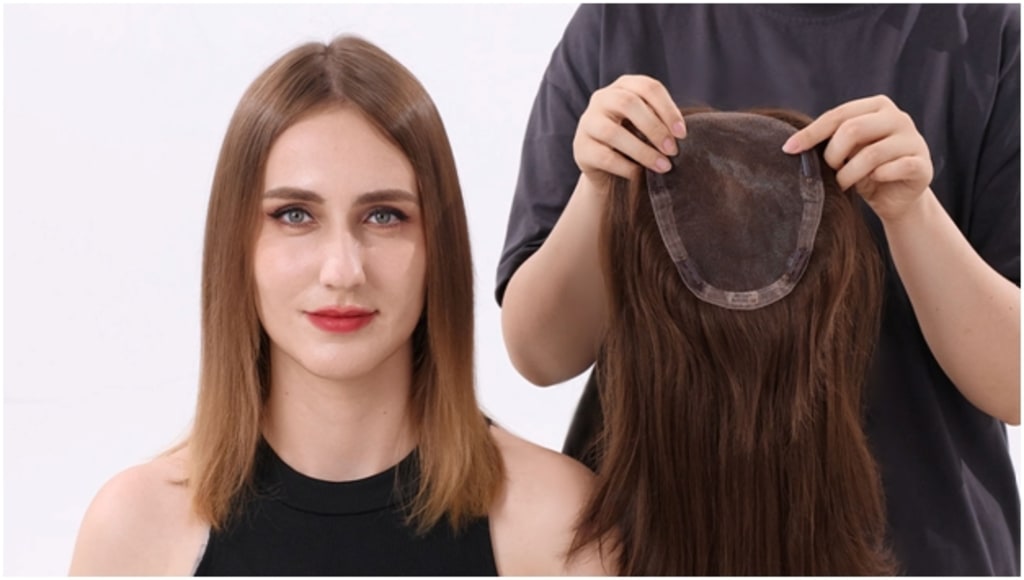
Mastering Hair Toppers comes down to making them completely undetectable for clients with targeted thinning, like around the temples. The goal is a smooth blend with their Natural Hair so the hairline simply disappears. For stylists using Bono Hair, getting this seamless look is key. Understanding this core aim brings you to the first crucial step: choosing a base that closely mimics the human scalp.
Key Takeaways
- Pull a thin section of natural hair in front of the topper's edge to completely hide the transition line.
- Apply root touch-up spray along the parting to blur harsh lines and conceal visible knots.
- Prep natural roots with dry shampoo or texturizing spray to give clips enough grit to prevent slipping.
- Always verify color matches outside in natural sunlight to ensure undertones blend perfectly.
- Have a professional thin the edges and point-cut the ends to avoid a bulky, artificial "mushroom" effect.
Choosing the Right Base for a Natural-Looking Scalp
The foundation of an undetectable hair topper starts at the scalp. If the parting looks fake, the whole piece falls apart. Your choice among different base types determines how real that part line looks up close. A silk base hides the knots completely, giving the illusion that hair is growing straight from the scalp. Meanwhile, a mono base offers solid durability while still looking very natural. But getting the scalp right is only part of it. Once you've chosen the base, the physical density needs attention too, or the result can look artificial.
Silk vs. Mono vs. Lace: Which Offers the Best Stealth?
Different materials hide the transition from topper to scalp in their own ways. A silk base is often the go-to for maximum stealth. It uses a layered design to fully conceal the hair knots, so the parting looks just like a natural scalp.
If your client needs something lightweight and breathable, a lace base works really well. Lace blends nicely into the natural hairline, though the knots can be a bit more visible up close compared to silk.
Another strong option for a seamless, undetectable blend is a skin base. It mimics the look of real skin and lies very flat against the head, making it a great choice for clients with thinning at the temples. The material you pick sets the tone for realism. From there, you need to match the hair volume carefully so the piece doesn’t look bulky.
How to Choose a Hair Topper Density That Doesn't Look Fake
Matching the topper’s density to your client’s bio-hair is key. A common mistake is going too thick. That creates a “mushroom head” effect and instantly gives the hairpiece away.
Always match the topper to the existing hair. For clients with significant thinning, a low-density topper is usually the safest and most natural-looking option. It blends in without overpowering their real hair.
When styling a Bono Hair piece, thin out the edges if needed so it lays flat. Getting the overall thickness right keeps the topper from sitting like a helmet. Next, you’ll need to master the technique of blending the hairline so the front edge completely disappears.
The "Bio-Hair First" Method for an Invisible Hairline
The real secret to an undetectable hairline is your client’s own hair. Instead of placing the base right at the very front, pull a thin section of their natural perimeter forward. This “bio-hair first” trick is one of the most reliable blending techniques a stylist can use. When their real hair sits in front of the topper’s edge, it completely hides the transition line along the scalp. The result is a smooth, natural flow that looks completely believable. But what if there isn’t enough front hair to bring forward? Here’s how to handle clients dealing with thinning at the temples.
How to Blend a Hair Topper with a Receding Hairline
Clients with a receding hairline need a different approach. When the front and temples are bare, you can’t depend on natural hair to cover the edge. That’s where lace front toppers come in. The fine lace material mimics natural growth, letting the hairline lie flat against the bare forehead.
Place the piece exactly where the client’s natural hairline used to begin. Don’t drag it too far forward. A low placement looks fake right away. Press the lace down firmly so it sits snug against the scalp.
Hairline toppers made with lace give you the coverage needed for those tricky temple areas. Just make sure the piece lies flush against the skin. Once you get the physical placement of a Bono Hair piece right, there’s still the visual side to handle. Next, you’ll need to soften that seam so it blends fully into the existing hair.
The Root Spray Hack: Blurring the Transition Zone
A harsh color line breaks the illusion. Every time. Root shadowing is the quickest way to fix that visual gap. By spraying a root touch-up directly over the parting, you create a smooth color blend between the topper and the natural scalp.
Pick a spray that matches the client’s natural roots as closely as possible. Lightly mist along the front edge and the part line. This small step helps hide visible knots and gives the hair a slightly lived-in look, just like real roots.
Use a spoolie brush to work the product through the roots and soften any heavy spots. Once the piece looks seamless, the last thing to check is that it stays exactly where you placed it.
Secure Attachment: How to Hide Visible Clips on a Hair Topper
A seamless blend doesn’t matter if a metal clip shows through the hair. Visible clips ruin the illusion of a natural look right away. For a secure attachment, you need solid friction so the clips grip the bio-hair without pulling or causing discomfort for your client. When clips are anchored properly, they sit flat against the scalp and stay hidden—even when the wind hits. But that hold actually starts before you snap any clip shut. First, you need to prep the client’s hair to build a strong base.
Creating "Grit": Using Texture Products for Clip Security
Freshly washed bio-hair is super slippery. When you attach a Bono Hair piece to silky strands, the clips will slide down the hair shaft. It’s pretty much inevitable. This leads to pulling, tension, and a loose fit.
So, add some "grit" at the roots. Texture that mimics natural buildup is key for a firm hold. Before clipping in the piece, spray dry shampoo or sea salt spray right at the attachment areas. Then lightly tease the base to boost the hair’s natural texture.
This added friction gives the metal teeth something to hold onto. The clips stay secure without clamping too tightly against the scalp. Good root prep keeps the piece in place all day and helps the style last longer. Next, you’ll want to check that hold under real movement.
The "Wind Test": Advanced Pinning for Active Movement
Even with great root texture, basic clipping might not hold up in strong wind or during an intense workout. If you want a truly seamless result, use the criss-cross pinning method.
Once the main clips are snapped shut, grab two standard bobby pins. Slide them in an "X" shape across the base of the front clips. This keeps the topper’s edge flat against the scalp and stops the front from lifting when the client flips their hair or gets hit by a breeze.
Check the hold by gently tugging the hairpiece upward. If it moves, adjust the pins. This method works best with breathable, high-quality bases that mold to the head shape. Security matters—but the hair still needs to move naturally.
Why Bono Hair Human Hair Toppers Offer the Best Blend
A seamless blend comes down to fiber quality. When you use Bono Hair Human Hair Toppers, the premium materials do most of the work for you. High-quality strands mirror the natural density and shine of a client's bio-hair. That makes it easier to hide thinning spots around the temples or crown.
Synthetic fibers tend to sit stiff and reflect light in an unnatural way. But European human hair moves naturally and matches the exact texture of fine, real growth. This premium base makes the first application much easier. You don't have to wrestle the piece to get it to lay flat. Once the base is right, this high-quality hair makes professional customization straightforward.
Customizing Your Bono Hair Piece: Thinning and Styling
When it's first applied, most pieces have extra density that looks bulky near the hairline. You need to remove that weight for a truly natural look.
Encourage your clients to trust an expert instead of trying DIY haircuts. A trained stylist should use thinning shears to take out bulk, especially around the temples and the front edge.
Careful cutting creates a custom fit that matches the client's natural hair volume. Every Bono Hair unit responds really well to this kind of tailored styling.
Once the shape is set, the piece starts to look like natural growth. But a great cut is only half the job. From there, you should work with a professional colorist to match the exact shade and handle color-specific blending challenges.
Masterclass in Color Integration and Light Dynamics
Hair color that looks perfect in the salon can look completely different once you step outside. Ring lights and fluorescent bulbs tend to hide subtle undertones that sunlight shows instantly. For accurate color matching, you have to check the piece in different environments. If a client's biological hair carries warm undertones, the topper needs those exact same tones to avoid a harsh contrast under midday sun. Natural light shows the real truth of your color blend. Before you even think about adjusting for short hair, make sure you’ve confirmed the shade outdoors.
How to Match Hair Topper Color in Natural Light
Always step outside before locking in a shade. Salon lighting can skew warmth, making an imperfect match seem fine indoors. You need to compare the hair topper with the client’s bio-hair under direct sunlight.
Here’s a simple checklist for professionals. First, isolate the roots. Compare the base of the topper right against the client’s thinning temples. Next, check the mid-lengths. With blonde pieces, watch for brassiness that only shows up in the sun. For brown shades, make sure the warm undertones match the natural growth. Black hair can sometimes reflect blue under UV light, so double-check the depth outside.
Testing in natural light ensures the client won’t walk out with a visible two-tone effect. Once the color looks right, it’s time to deal with shape. That leads straight into the challenge of matching hair length.
How Do You Blend a Hair Topper with Short Hair?
Short hair is tough to blend, no way around it. Clip a standard topper onto a pixie or bob, and you’ll often get that “shelf” effect. It creates a sharp line where the piece just sits on top of the natural hair. To make it seamless, you need smart texturizing.
Match the length precisely while removing extra weight at the ends. Use a razor or thinning shears to soften the edges of the Bono Hair piece. Blunt cuts make the transition obvious, while point-cutting helps it fade naturally. Blend the sides into the client’s existing layers, especially around the temples where thinning shows most.
The aim is for the topper and natural hair to move together as one. Watch how it behaves when the client moves their head. If it feels heavy or blocky, take out more weight. Getting a clean blend on short hair takes careful cutting upfront, and keeping it natural-looking depends on consistent at-home care.
Maintaining the Illusion: Long-Term Care for Blended Styles
A seamless blend only holds up if the hair stays soft and moves naturally. Stiff, dry pieces will quickly give away thinning at the temples. Good upkeep keeps the unit looking just like real, growing hair.
Washing it regularly, about every 10 to 15 wears, helps stop buildup that leads to clumping and that fake look. You’ll also want to protect the base and fibers by keeping heat low during daily styling. Tell your clients to stick to low temperature settings on their tools.
A consistent care routine keeps the piece moving naturally month after month. Before getting into quick fixes, let’s go over advanced root customization.
Can You Dye a Human Hair Topper to Match Your Natural Roots?
Yes, you can adjust the color of human hair toppers to get a seamless root match. Just be careful with the process. Factory-treated hair doesn’t respond the same way to chemicals as natural hair does. It’s better to deposit color instead of lifting it, since bleach can easily damage the delicate fibers.
It’s best to have a professional colorist handle this step. They can safely dye the base to match the client’s exact root shade. This matters a lot when you’re trying to hide thinning around the front temples. Adding a custom shadow root gets rid of that harsh, straight-out-of-the-box look right away.
Always test a small strand of your Bono Hair unit before applying dye to the whole piece. That way you know the color will process correctly without ruining the soft texture. Once the shade is spot on, daily wear looks completely natural. Next, let’s go through some of the most common questions professionals ask.
Frequently Asked Questions About Topper Blending
What country has the best human hair?
None. Best is a marketing myth. You just match the origin to your own hair texture. European hair is extremely fine and takes blonde dye well. Asian hair is thick, straight, and durable. Pick whatever mimics your bio hair.
What is the difference between European and Asian hair toppers?
Texture. European hair is baby-fine and naturally lighter. Asian hair has a thick, heavy cuticle making it incredibly durable and bone-straight. If your bio hair is thin, European blends invisibly. If it is coarse, go Asian.
Do hair toppers cause further hair loss?
No. Not if you apply them right. Traction alopecia only happens if clips constantly yank on weak follicles. Prep your roots with dry shampoo for grip. Move the clip placement slightly every day. Your natural hair will be fine.
What are the disadvantages of hair toppers?
Maintenance. They require constant color matching in natural sunlight. You also deal with clips slipping if you lack grit. Plus, out of the box, they look like a bulky mushroom until a professional point-cuts the ends.
About the Creator
Leo
Passionate men's hairstylist with a keen eye for detail and a knack for creating on-trend looks. Dedicated to delivering hair restoration education that enhances individual style.
Enjoyed the story? Support the Creator.
Subscribe for free to receive all their stories in your feed.
Comments
There are no comments for this story
Be the first to respond and start the conversation.