
How to Partner with Wholesale Hairpiece Suppliers in Johannesburg for Your Salon
How To Become A Hair Distributor?

How to Partner with Wholesale hair piece suppliers in johannesburg for Your Salon
Wholesale hair suppliers Johannesburg are seeing a massive jump in demand right now. Salons are actively upgrading to premium hairpieces, and they need consistent stock to keep up. Today, turning a real profit in the hair business South Africa comes entirely down to having a tight, dependable B2B supply chain. To build that, you've got to understand the local sourcing scene—and see exactly how it stacks up against your international options.
Key Takeaways
Use a hybrid sourcing strategy: rely on local Johannesburg suppliers for urgent needs and international factories for profitable bulk orders.
Factor in shipping and duties to calculate total landed costs, aiming for a 50% to 150% retail markup.
Stock high-demand items like Super Double Drawn hair, bone straight textures, and deep waves to satisfy local clientele.
Vet all sample batches using burn, wash, and bleach tests to confirm human hair authenticity and cuticle alignment.
Protect your margins by negotiating volume-based, salon-exclusive pricing tiers and clear Service Level Agreements.
Understanding the Johannesburg Hair Piece Market Landscape
Johannesburg’s hair market is moving fast. Right now, hair vendors Johannesburg are seeing a steady demand for premium goods. Clients aren't settling for basic options anymore. They want quality, durability, and a completely natural look. This shift creates great profit margins for salons working with hair extensions South Africa suppliers who actually keep consistent stock. High demand always starts with top-tier products.
The Rise of Premium Hairpieces and Wigs in Gauteng
High-end wigs and hair toppers are pretty much standard requests in most Gauteng salons today. Clients want pieces that last for months, blend perfectly, and survive heat styling without frying. That reality pushes savvy salons straight toward human hair wholesalers instead of cheap synthetic stock.
This buyer demand changes how salons actually run. You can't rely on random restocks or one-off buys anymore. Consistency in texture, color, and density is a massive deal. Why? Because repeat clients expect the exact same result every single visit. That pressure leads to one absolute necessity: a structured sourcing system.
Why Local Salons Need a Reliable B2B Sourcing Strategy
A stable partnership with trusted wholesalers protects your reputation. When your stock stays consistent, your service is predictable. Clients keep coming back. But when it's not? Re-dos and complaints will eat right into your profits and time. It's that simple.
Long-term success in this hair business guide always boils down to supply control. Reliable vendors help you plan out inventory, manage cash flow, and skip those annoying out-of-stock gaps for popular items. Once you have that foundation locked down, the next step is figuring out where to buy—locally or internationally—and knowing the actual trade-offs.
Local Wholesalers vs. Direct Factory Importing: The Pros and Cons
Most Joburg salons end up choosing between nearby human hair wholesalers or ordering straight from a Vietnamese hair factory. Each route shapes your pricing, stock speed, and brand control. Buying locally is fast and easy. Importing can boost margins and keep things consistent. It really comes down to balancing risk, cash flow, and customization. Let's look at what local sourcing actually brings to the table.
Sourcing Locally in Dragon City, Fordsburg, and Johannesburg CBD
Local hubs like Dragon City and Fordsburg give you instant access to bulk stock. You can touch the hair, check the density, and walk out with units the same day. That speed is a lifesaver when a client needs a quick install or replacement. Many hair vendors Johannesburg also allow smaller orders. This protects your early cash flow.
But the trade-off shows up in price and control. Local resellers usually tack on a 20–50% markup. Plus, customization options—like branded packaging or specific textures—are pretty limited. You're buying what's already there, not exactly what your brand needs. That gap is exactly where direct factory sourcing starts to look like a better move.
Partnering Directly with International Hair Factories
Teaming up with a hair factory, especially a Vietnamese hair factory, usually drops your unit price and opens the door to private labeling. You can ask for the exact textures, lengths, and packaging that fit your salon. Over time, that consistency gives you a major edge and better profit margins on every piece.
The catch? It takes a bit more work. Shipping can take 7–21 days. And customs clearance in South Africa might add up to delays or extra fees. You also need to plan bigger orders upfront. Smart salons don't just pick one way. They mix both to stay fully stocked while building a stronger, more controlled supply chain.
The Hybrid Sourcing Strategy for Maximum Salon Profitability
Smart salons in the hair business South Africa don't rely on just one supply route. They mix local speed with global pricing to stay flexible and keep profits up. This hybrid setup keeps chairs full, stock levels steady, and clients happy—even when things get incredibly busy. The real advantage kicks in when you match each sourcing method right to a specific need. It all starts with how you juggle urgent demand versus planned inventory.
Balancing Urgent Client Needs with Bulk Orders
Local suppliers in Joburg solve timing problems fast. When a client needs a same-day install or a quick replacement, buying nearby keeps your service moving and protects your reputation. Sure, you'll pay a higher price. But you won't lose that booking.
Global factories are built for planned bulk stock. Ordering hair extensions South Africa in larger volumes drops your unit price. It also gives you way more control over the specific textures and lengths your clients ask for all the time.
This balance directly shapes your margins. Paying a bit more for emergency stock is totally fine. As long as most of your inventory comes from lower-cost bulk orders, your overall profit stays solid. That's it.
How to Calculate and Double Your Retail Profit Margins
Profit margins come down to clear math. Start with your total cost per unit. This means the wholesale price plus shipping, duties, and any handling fees. If a bundle lands at R1,000, your pricing decisions begin right there.
Most salon owners aim for a 50% to 150% markup. That means selling the exact same unit between R1,500 and R2,500, depending on your brand positioning and client base. Higher markups absolutely work when your service, install quality, and consistency back it up.
Hair business owners who track these numbers closely build long-term success, not just quick sales. Once your pricing is completely dialed in, the next step is making sure every single unit you sell passes strict quality checks. Simple.
Key Quality Indicators: Navigating Hair Grades and Textures
Quality control comes down to how well you understand hair grades and label claims like Remy hair and Raw hair. If you run a Johannesburg salon, these terms can make or break client satisfaction and repeat bookings. Remy hair keeps the cuticles pointing one way. Raw hair is completely unprocessed, so the supply is a bit more unpredictable. Both perform great if you grade them right. So, you just need to figure out how different drawing methods change your fullness and price.
Single Drawn vs. Super Double Drawn Human Hair
Single Drawn hair throws short and long strands together, making the bundle taper off at the ends. It's cheaper and works perfectly for layered styles. But it definitely looks thinner at the bottom. Double Drawn hair pulls out a lot of those short pieces. That gives you a nice, full mid-length and a much cleaner finish.
Super Double Drawn takes it a step further. It gets rid of almost all the short hairs, keeping the hair thick from top to almost the very bottom. You'll pay more per bundle since they throw away a lot of raw material. For busy Joburg salons, this extra density actually saves styling time and stops people from complaining about thin ends. And that leads right into picking the textures your clients actually ask for.
Selecting the Best-Selling Hair Textures for South African Clients
Bone straight and deep wave are everyday must-haves in Gauteng. Bone straight is perfect for sleek installs and corporate clients. Meanwhile, deep wave holds its shape during humid summer weather and doesn't need much heat styling. Pixie curl moves fast for short, defined looks. It's a clear winner for quick-turnover services.
Color is a big deal too. 1B hair blends right into most natural shades. This cuts down on custom coloring time and keeps your costs totally predictable. Keep a mix of Remy hair and Raw hair on hand in these textures. Then, double-check the consistency through touch, wash tests, and shedding checks before you buy in bulk. That hands-on testing is exactly where quality claims either prove true or completely fall apart.
The Salon Owner's Step-by-Step Quality Vetting Protocol
Testing samples before placing a bulk order protects your cash flow—and your reputation. Even wholesalers you trust can sometimes ship mixed batches, so you really need a repeatable way to check things. Start with two quick tests that show the real fiber quality and daily performance. From there, go deeper into the structure and how the hair reacts to chemicals to make sure it actually lasts.
Conducting the Burn and Wash Tests on Sample Hairpieces
The burn test tells you if bulk hair is actually human. Just cut a few strands off the hair wefts, light them up, and watch what happens. Human hair burns down to a fine ash and smells like protein. But synthetic fibers? They just melt into hard little beads and smell like plastic.
Then there's the wash test to spot shedding and tangling. Shampoo a sample, condition it, and let it air-dry without styling. If you notice heavy shedding, matting at the nape, or stiff hair after it dries, reject the batch. Simple. These problems only get worse when clients actually wear the hair, which is why you need another structural check next.
Checking Cuticle Alignment and Bleach Compatibility
Checking cuticle alignment tells you if the hair is Remy and probably from a single donor. Rub a small section between your fingers from the ends up to the root. If it feels rough going up but smooth going down, you're good. The alignment is intact. Cuticles facing mixed directions cause friction. That means nasty tangles your clients will notice right away.
You should also bleach a test swatch to 613 Blond to see how it lifts and holds up. Good strands lighten evenly and keep their bounce, while poor hair just turns patchy or breaks. Also, look closely at the HD lace after rinsing for any weird coloring or fraying. Once the samples pass these tests, you can shift from vetting to figuring out contracts, pricing, and payment terms.
Establishing a Commercial Partnership: Contracts, SLAs, and Pricing
When your samples finally pass the test, getting a formal agreement in place protects your long-term success. A good contract keeps your supply steady, locks down stable pricing, and makes expectations crystal clear. This matters a lot when working with suppliers like Bono Hair or local Johannesburg distributors. This step takes early trial orders and turns them into a reliable system, starting with how you map out your pricing tiers.
Negotiating Exclusive Salon-Only Wholesale Pricing Tiers
Salon owners need to push for tiered pricing based on monthly volume instead of settling for regular wholesale rates. This gives hair business owners a real competitive edge, especially in busy Johannesburg markets where every margin counts. Ask for clear price breaks. For example, try to get a lower per-unit cost after you hit specific order limits. Also, make sure to check if mixed styles actually count toward your total volume.
Exclusivity matters just as much. Ask for private, salon-only pricing that isn't publicly advertised or handed out to everyday walk-in buyers. This strategy protects your resale margin and keeps your brand exactly where you want it. Once the numbers are sorted, you need to lock those terms into a formal agreement that spells out how both sides will work together.
Setting Up Service Level Agreements (SLAs) and Return Policies
Clear SLAs map out exactly what your supplier does after you hand over your money. Set strict shipping timelines. A great standard is asking for a strict 48-hour dispatch window. You'll also want to agree on basic handling standards so you don't end up with damaged stock on your doorstep. Trusted wholesalers usually accept reasonable terms because they heavily rely on consistent customer feedback to keep their service sharp.
Return policies have to be highly specific. Define exactly what a defect means to you. Think along the lines of shedding, lace damage, or just receiving the wrong items. Next, set a firm return window. This is usually around 7 to 14 days. Don't forget to confirm who actually pays the bill for return shipping. Once you set up these rules, you can move right into logistics planning. That covers local delivery, payment cycles, and dealing with customs if you happen to import.
Navigating South African Logistics, Payments, and Customs
Running a Hair business South Africa means way more than just picking a supplier. You've got to move stock fast, get paid safely, and stay out of trouble with import rules. Johannesburg actually sets the pace for distribution and cash flow. Get these basics sorted out, and your daily operations stay smooth from order to delivery. But it all starts with how you ship across Gauteng and beyond.
Utilizing Local Couriers for Gauteng and Nationwide Delivery
Fast delivery is what keeps salons loyal. In Gauteng, same-day or next-day courier services are pretty much standard for bulk stock, especially when you're serving busy spots like Sandton or Soweto. Solid local networks let you move the Hair extensions South Africa clients want right now, without the frustrating delays that ruin their bookings.
Nationwide shipping obviously needs a completely different setup. Pick couriers with strong regional coverage and clear tracking so you can easily manage client expectations. Simple as that. Once your delivery is locked in, the next big hurdle is how the money comes in and how your imported stock clears customs.
Managing EFT Payments, Capitec Pay, and Import Duties
EFT is still the most trusted payment method for Hair vendors Johannesburg, especially when you're dealing with high-value orders. Instant options like Capitec Pay speed things up nicely. But always make sure the funds actually clear before sending anything out. This cuts down your chargeback risk and keeps your cash flow completely predictable.
Bringing in stock from Human hair wholesalers comes with extra costs attached. SARS duties and VAT can easily push your total spend up by 15–30%, depending on the declared value. So, put your invoices and product descriptions together carefully to avoid any customs delays. A lot of suppliers, including Bono Hair, will actually help smooth out this process. And that's exactly where your sourcing choices really start to matter.
Why Partner with Bono Hair as Your Direct Factory Wholesale Ally
Picking the right supplier makes or breaks your margins, product quality, and client retention. Bono Hair stands out as a global manufacturer focused on wholesale hairpieces, delivering consistent production and totally salon-ready results. Their factory-direct setup cuts out the middleman, so you stay competitive. But the real advantage shows up when you take a closer look at their product range.
Premium Hair Toppers and Custom Hair Systems by Bono Hair
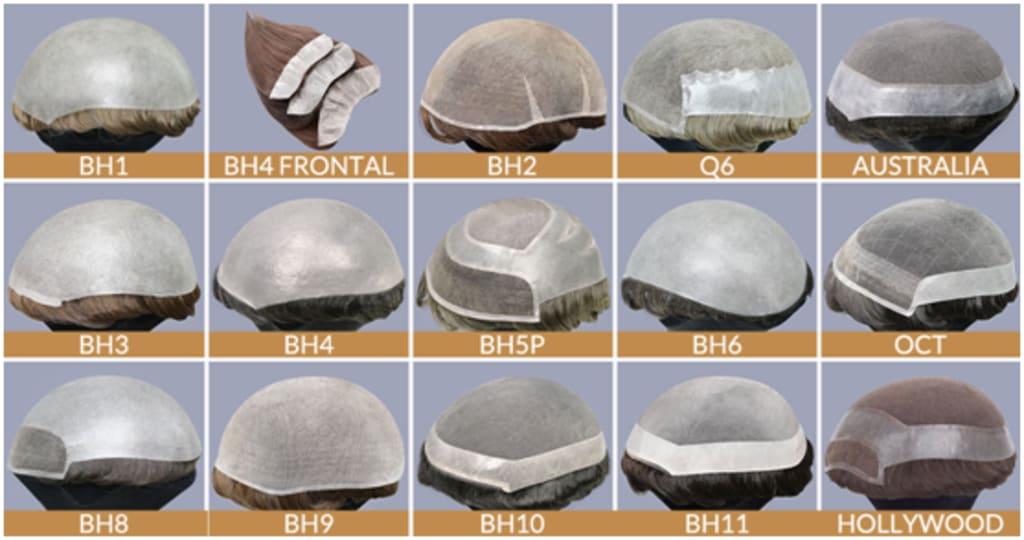
Bono Hair builds precision-made solutions that salons can trust to bring clients back. Their lineup features premium hair toppers, medical wigs, and fully custom hair systems designed to match real scalp patterns and specific client needs. That's a big deal when your clients expect completely natural results instead of obvious fittings.
They also supply wholesale human hair wigs that actually hold up under daily styling, coloring, and refits. This gives your salon a lot more flexibility when it comes to pricing and service packages. Once product quality is sorted out, ordering terms and support naturally become the next deciding factor.
Low MOQs and Dedicated B2B Support for Johannesburg Salons
Low minimum order quantities make it much easier to test out new styles without tying up a ton of cash. For Salon owners and Hair business owners in Johannesburg, that means way less risk and faster stock turnover. This really counts when trends shift quickly.
Bono Hair also offers white-label options and assigns dedicated account managers. That ensures your orders stay consistent and any issues get fixed fast. Simple. That kind of setup supports long-term success rather than just quick, one-off purchases. With supply and backend support completely covered, the next step is clearing up the most common buying questions.
Frequently Asked Questions About Wholesale Hair Sourcing in Johannesburg
Is the Hair Business Profitability in South Africa High, and How Much Can a Salon Earn?
Absolutely. The margins are massive if you control your supply. Most salon owners aim for a 50% to 150% retail markup. That means selling a single unit between R1,500 and R2,500. Just back it up with flawless installs.
Where Do Wholesale Hair Vendors Get Their Stock, and Which Countries Export the Best Quality?
Global factories. Smart salons run a hybrid setup. They hit local hubs like Dragon City and Fordsburg for same-day emergency units. Then they order bulk from international factories to drop unit prices, eating the 7-21 day shipping delay for better margins.
About the Creator
Leo
Passionate men's hairstylist with a keen eye for detail and a knack for creating on-trend looks. Dedicated to delivering hair restoration education that enhances individual style.
Enjoyed the story? Support the Creator.
Subscribe for free to receive all their stories in your feed.
Comments
There are no comments for this story
Be the first to respond and start the conversation.