
How to Make a Hair Topper Look Natural: A Salon Owner's Guide to Base Selection
How to Make a Hair Topper Look Natural: 2026 Base Guide

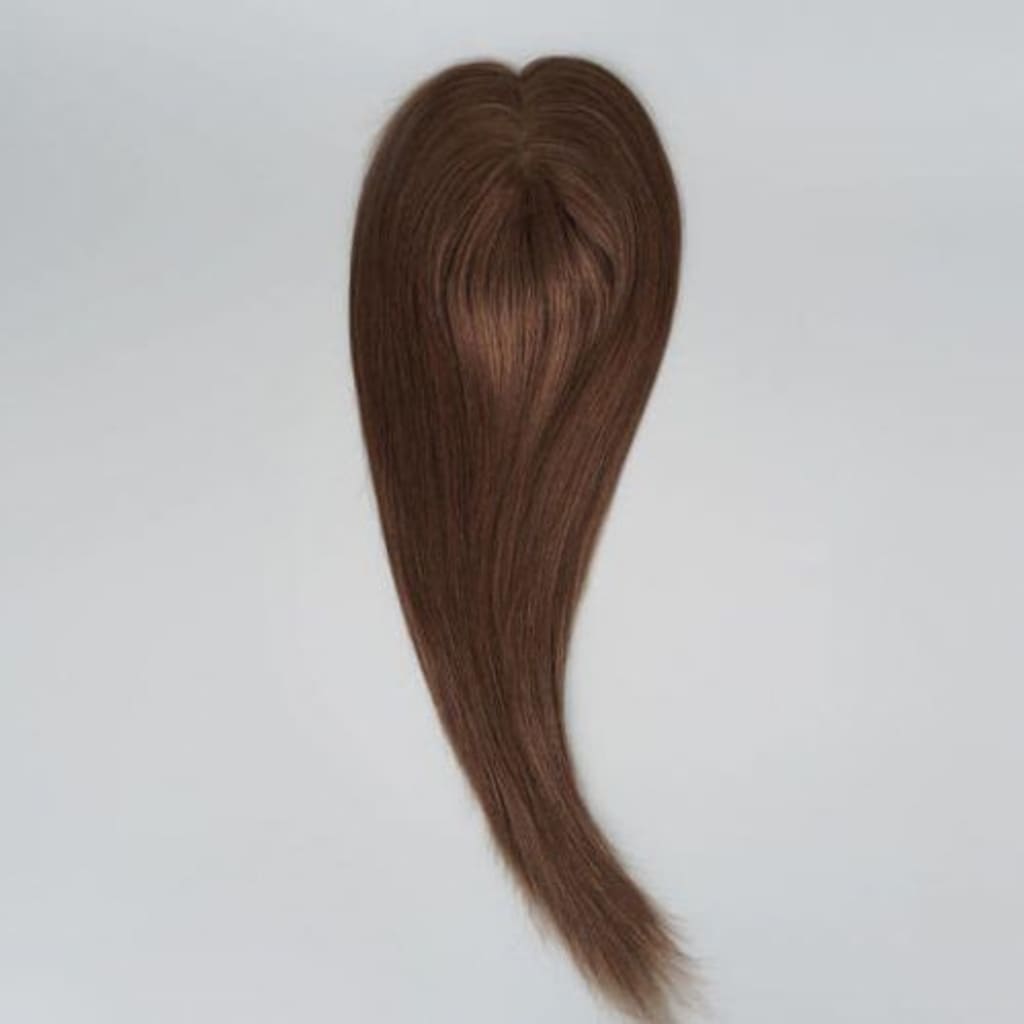
How to Make a Hair Topper Look Natural: A Salon Owner's Guide to Base Selection
Picking the right hair topper base is what decides if your client's scalp looks real or obviously covered. Bono Hair stylists focus on matching the base to the visible scalp first. Then, they cut and style the topper right into the client's natural hair. Here are some practical fitting cues your team can use to get seamless, repeatable results every time.
Key Takeaways
Choose base material according to the client's visible scalp and wear pattern.
Base dimensions should extend beyond thinning areas onto healthy surrounding hair.
Leave a narrow layer of bio hair over the topper's front edge.
Why Does a Hair Topper Look "Wiggy" on Your Client?
A hair topper can easily stand out, even if the human hair itself is top-notch. Usually, the issue comes down to a simple mismatch. The shade, density, part direction, or wave pattern just doesn't blend with your client's natural hair. As a salon professional, you'll get the most natural results by treating the piece as part of the actual haircut, rather than just some separate add-on.
Bono Hair stylists blend the perimeter right into the client's existing lengths. Then, they style everything together so the movement matches perfectly. But to pass this visual test, a topper has to start with a base construction that actually suits the visible scalp. Simple.
How Does Base Construction Determine Realism Along the Part and Hairline?
The base construction really decides if a topper's parting area looks like a natural scalp or just a thick layer sitting on top of the head. Hand-tied ventilation lets the hair come out of the base in smaller, random groupings. This softens any harsh lines. Plus, it helps the piece move naturally when Bono Hair stylists cut and blend it in with the client's own hair.
That front edge matters just as much. A bulky or sharp edge can easily catch the light and draw unwanted attention right at the hairline, while a clean, well-blended edge stays hidden. During the consultation, ask where your client usually parts their hair and check that spot under regular salon lighting. It's a simple step. But it really helps prevent annoying refits later on caused by an unnatural-looking scalp.
Which Base Material Offers the Most Realistic Scalp Appearance?
Picking the right base decides how real the parting area looks once you cut and style a topper for your client. The best choice really comes down to what they need—a totally covered part, a flexible one, or a front edge that basically disappears.
For Bono Hair buyers, silk top, mono, and lace bases all tackle different needs during a consultation.
Silk Top Base: Why Is It the Gold Standard for Hidden Knots?
A Silk Top or Silk Base is your best bet when a client wants a visible part but doesn't want to see any knots. The hair gets tied under a smooth fabric layer, keeping those tiny knots completely hidden. It looks a lot more like real skin than mesh. Think of it like a jacket lining that hides all the inner stitching.
This setup is perfect for clients who stick to a strict part or show off their crown a lot. If you pair this base with Remy human hair, it falls beautifully once you cut and style the piece to match their natural length.
Just make sure to check the silk tone against their actual scalp under your everyday salon lights. Getting that shade right is just as big of a deal as hiding the knots.
Monofilament (Mono) Base: How Does It Mimic Individual Hair Growth?
A Monofilament (or mono) base is great for people who like to switch up their part or want hair that moves freely when brushed. Every single strand is hand-tied right into a fine mesh. This gives you way more natural movement instead of a stiff, blocky look. As long as the base color matches your client, the visible parting area gives off a great scalp-like effect.
Mono offers a great mix of styling freedom and solid durability for daily wear. But here's the thing: it won't hide knots as perfectly as a silk top. So, set the right expectations upfront. It gives them a realistic, movable part, not a totally flawless scalp surface.
While doing the fitting, play around with the part under regular lights and look at it from both sides. Doing this saves you from any weird surprises after the final cut and style.
Lace Base: When Should You Choose High-Definition Breathability Over Coverage?
Lace is the way to go if the front hairline needs to melt into the skin, or if your client really cares about breathability in hot weather. A lace front uses a super fine mesh edge for a seamless blend at the forehead, which looks amazing if you keep the front density on the lighter side. A full lace piece just takes that airy, open design across the whole base.
Coverage is the main trade-off here. Lace gives you a delicate, natural scalp appearance, but it won't hide those ventilation knots the way a silk top does. It's best for clients who care more about showing off their hairline or having a breathable piece than having a totally dense, hidden part.
Always ask how your client plans to wear the topper every day. A sharp salon cut and some light styling around the front will go a long way in keeping that lace edge completely out of sight.
How Do You Select the Right Base Dimensions for Your Client's Stage of Hair Loss?
Base dimensions need to cover the entire thinning spot, then stretch just far enough to grip tightly onto the healthy surrounding hair. It's really that simple. The most practical rule for picking a base is this: trace the sparse patch during your consult, get the exact measurements, and grab a topper shape that matches that outline instead of just guessing with a standard size.
If the base is too small, it'll tug at the edges and pop up when the client moves around. On the flip side, a base that's too big might hover over the crown. That adds weird bulk, making it a lot harder to blend after you cut and style the piece. Bono Hair stylists always check the crown from a side view before they start trimming. Once that base sits completely flat, just match the color to your client's skin tone for a much more natural-looking scalp.
How Can You Match the Base Material to Your Client's Scalp Tone?
A good base needs to fade right into the scalp instead of poking through the topper. If your client has a pale scalp, go with a light nude or soft beige undertone. But for deeper skin tones, pick a brown-based material that won't leave behind a weird gray or ashy cast.
Always check the base against the client's actual scalp in natural light before you even think about cutting and styling. Bono Hair stylists also make sure to look at the part line after blending the topper with the natural hair. That's because the final style can completely change how the overall scalp looks. Just keep a few different undertones on hand so every salon visit kicks off with an easy, practical base choice.
What Professional Salon Tricks Hide Monofilament and Lace Knots?
Visible knots can ruin a great topper, especially around a Hand-Tied Parting Area. Bono Hair stylists usually apply a soft-rooted powder or spray right on the base, keeping it off the actual hair shafts. Think of it like shading a pencil drawing. You're just trying to soften the contrast instead of covering up every single detail.
When working with a Monofilament (Mono) Base, keep the product away from the hair at each knot. Just press it in with a small brush—rubbing can actually loosen the strands. A good cut and soft styling help break up that part line. After that, check how the base sits on your client's head. If the edge lifts up, it'll expose the whole illusion all over again.
How Do You Ensure the Topper Base Sits Flat Against the Cranium Without Poufing?
So, how do you stop a topper base from puffing up? It all starts with picking the right base. It has to flex enough to actually hug your client's head, rather than creating a flat, tent-like shape. A stiff base might look totally fine sitting on the counter. But the second those pressure-sensitive clips snap it into place, it lifts right up. Not good.
Always check the base dimensions before you start cutting or styling. It needs to cover the right spot without spilling over onto a sharp curve on the head. Bono Hair stylists rely on a quick pinch test for this. Just gently pinch the base near the edge while it's resting on the head. If it bubbles up into a fold or springs right back, you'll need to grab a more flexible base or tweak the size.
How Do You Blend Bio Hair With a Hair Topper for Seamless Integration?
A hair topper blends best when the client's bio hair breaks up every visible edge of the base. The goal isn't to hide the piece under heavy styling. Instead, it's about matching the movement, direction, and Hair Density so the topper's Remy Human Hair looks just like the client's own.
How Do You Blend a Hair Topper With Your Own Hairline?
Just leave a narrow section of the client's front bio hair outside the Hair Topper. Then, comb it right back over the front edge after placing it. This tiny veil of hair softens the line between the scalp and the topper, kind of like how sheer fabric softens a garment's edge.
Bono Hair stylists always check the part while the client looks straight ahead, not just from above. Shift that front hair gently from side to side. If the Lace Front or base edge shows up during normal movement, just release a bit more bio hair or tweak the part.
Keep the Hair Density balanced right at the front. A thick topper sitting right behind thin front hair creates a really obvious step. That's it.
Can You Cut Bangs Into a Hair Topper to Make It Look More Realistic?
Yes, a soft fringe or curtain bangs can definitely make a Hair Topper look a lot more natural for clients dealing with a sparse front hairline. The fringe easily hides the front perimeter. This means the stylist doesn't have to pull too much fine bio hair across the base.
A Salon Professional needs to cut the bangs after the topper is securely fitted and blended with the client's own hair. Start a bit longer than the final look. Then, point-cut small sections so the ends stay nice and light instead of blunt. Heavy, straight-across bangs often make the Hair Topper look totally separate from the client's actual hairstyle.
If you're doing curtain bangs, keep the center slightly shorter and let the sides just melt right into the face-framing bio hair. This simple trick creates a much softer transition during everyday movement.
Should a Hair Topper Be Longer or Shorter Than Your Client's Hair?
A hair topper should usually come in about 2 to 4 inches longer than your client's finished length. This extra length gives your team plenty of room to soften the blend with layers instead of leaving a blunt shelf.
For a seamless match, never order a topper that's shorter than the client's natural hair. Short ends just can't be borrowed back. When working with Remy human hair, fit the piece first, then point-cut it right into the client's ends so everything moves together.
Once the length is dialed in, the base still needs to stay comfortable enough to look natural during all-day wear.
How Does Base Breathability Affect Realism During Daily Wear?
Good breathability keeps a hair topper looking real throughout a long workday. If heat and sweat get trapped under a thick base, that moisture messes with the hold. It'll actually cause the edge to lift up or wrinkle, mostly right around the part and crown.
When you're picking a base, just match the airflow to how your client spends their day. A Monofilament (Mono) base gives a much cozier feel and sits flatter on people who tend to run hot. Bono Hair stylists always tell salons to keep expectations grounded. Every base is simply a trade-off between airflow, durability, and visibility. That's just how it works.
What Are the Disadvantages of Hair Toppers for Thinning Hair?
You can't get a hair topper base that perfectly maximizes durability, thinness, and realism all at once. When you're dealing with clients who have thinning hair, picking the right base means matching it to their visible part area, how often they'll wear it, and the amount of natural hair left to blend with.
Thicker bases definitely hold up better to daily wear and tear. But they can sit a bit higher on the head and become more noticeable at the part line. On the flip side, a super thin base vanishes beautifully into the scalp. You just have to treat it much more gently. Bono Hair stylists always suggest cutting and styling the piece right into the client's natural hair before making any final calls on how it looks. Knowing these limitations just gives you a solid checklist to run through during your consultations.
A Stylist's Base-Selection Checklist for Client Fittings
Picking the right base starts with your client's actual thinning spots, not how the topper looks on a display stand. Just measure the coverage area from front to back and side to side. Then, make sure those base dimensions let the piece attach to healthy surrounding hair for a seamless blend.
During the fitting, check the part position and hair direction. Watch to see if the base sits flat when your client moves their head around. Always compare the density and color against their natural hair before you start cutting.
Bono Hair stylists trim and style the topper straight into the client's own hair before giving the green light. If you want smooth repeat fittings, you really need a manufacturing partner that makes consistent bases every single time. Simple.
Partnering with Bono Hair: Custom OEM and Wholesale Hair Topper Solutions
Bono Hair gives salons and wig shops an easy way to match a Hair Topper to the right coverage area, attachment needs, and desired finish. The wholesale base inventory makes repeating your base selection simple. Plus, factory OEM work lets business buyers request a topper that fits their exact service plan.
Natural results still happen in the chair. Here's a tip from Bono Hair stylists: choose Remy Human Hair. You can easily cut and style it into the client's existing hair, then just keep those same base details on file for reorders. That consistency cuts down on refit surprises. It'll also help your team deliver a blend that looks totally natural, not like an obvious add-on.
Frequently Asked Questions About Hair Topper Realism
What is the most natural looking hair topper?
A hand-tied human-hair topper with a silk top is usually the most convincing for a visible part. Correct density, color, and a base that lies flat matter just as much.
Which base material is best for a realistic scalp appearance?
Silk base. It hides ventilation knots beneath a smooth layer, giving the part a skin-like appearance. Match the base tone to the client's scalp—nude for pale scalps, brown-based for deeper tones.
Are silk base or lace base toppers more natural?
Silk wins at the part; lace wins at the hairline. Silk fully conceals knots, while lace is lighter, breathable, and better when an undetectable front edge matters.
About the Creator
Leo
Passionate men's hairstylist with a keen eye for detail and a knack for creating on-trend looks. Dedicated to delivering hair restoration education that enhances individual style.
Enjoyed the story? Support the Creator.
Subscribe for free to receive all their stories in your feed.
Comments
There are no comments for this story
Be the first to respond and start the conversation.