
How to Maintain Men's Wigs & Hairpieces for a Natural Look
Maintain Men's Wigs: Tips for a Natural Look

How to Maintain Men's Wigs & Hairpieces for a Natural Look
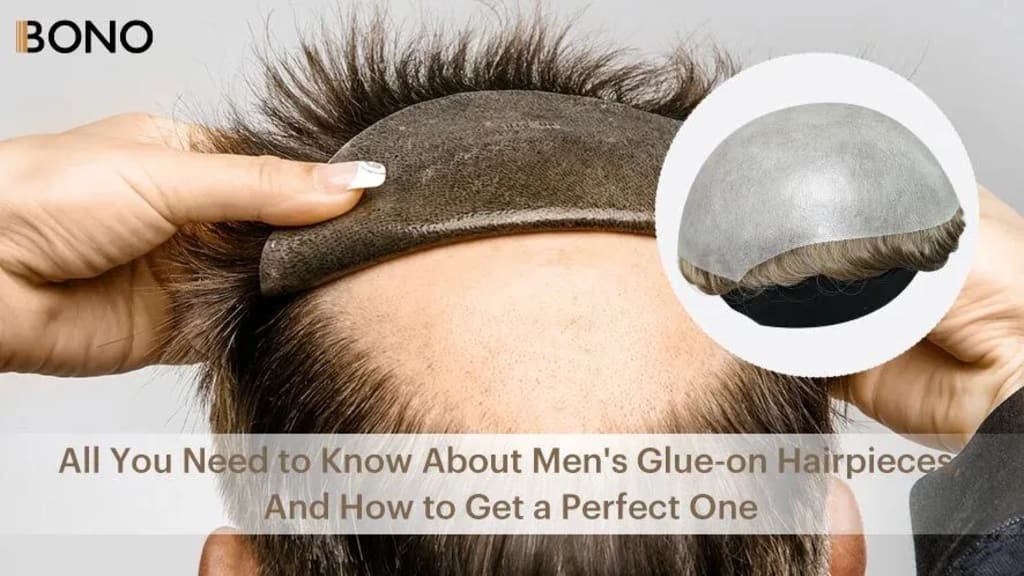
Modern men's hair systems from experts like Bono Hair have come a long way past the old-school toupee or basic hairpiece. With proper care, clients move from just wearing something to having a look that feels completely natural and hard to spot. Knowing what it is only gets you started; getting that "stealth" effect really begins with the foundation of the system itself.
Key Takeaways
- Set a natural hairline using the "four-finger rule" above the eyebrows.
- Match hair density to the wearer's age and thinning pattern to avoid an artificial, bulky look.
- Ensure a secure bond by letting liquid adhesive dry to a clear, tacky state before application.
- Wash gently in one direction with sulfate-free shampoo, completely avoiding harsh detergents like dish soap.
- Extend lifespan by using UV protectants, knot sealers, and sleeping on a friction-reducing silk pillowcase.
The Foundation of Stealth: Choosing the Right Base for Realism
Your client's goal of an undetectable look starts with the foundation. The base material shapes how natural the system appears from day one. You’ve got three main technical components to consider. Thin Skin (Bio Skin) blends right into the scalp, creating a seamless hold. Lace, whether delicate Swiss Lace or the slightly tougher French Lace, gives you the most breathable front. Monofilament (Mono) comes in when maximum durability is needed along with a realistic scalp look at the part line. Each option is a trade-off between breathability, lifespan, and visual stealth. But picking the right base from Bono Hair is only part of the job for a stylist. How you position that base on the scalp is what really makes or breaks the illusion.
The Four-Finger Rule and Determining Correct Hairline Placement
Setting a hairpiece too low on the forehead is a classic beginner mistake. New wearers and stylists often pull the system down to hide recessed areas, which ends up crowding the face and throwing off natural proportions. That alone ruins any chance of Hairline Realism.
So, what is the four finger rule for wigs? It’s a straightforward way to find the natural starting point of the hairline. Place four fingers flat across the client’s forehead, with the bottom finger sitting just above the eyebrows. Where your top index finger lands is exactly where the front edge of the system should start.
This spacing mirrors a natural adult male hairline. It keeps enough forehead visible to frame the face without looking overly youthful or artificial. Getting this right helps the hairpiece blend cleanly with the client’s natural features. But even a perfectly placed hairline won’t work if what’s behind it doesn’t match reality.
Matching Hair Density to Your Natural Aging Pattern
Picking a density that’s too thick is the quickest way to make a hairpiece look fake. A 50-year-old client with a dense, heavy block of hair will stand out immediately—and not in a good way. The volume has to match a believable aging pattern to stay convincing.
Retailers and stylists need to align the system’s Hair Density with the client’s existing biological hair. If the sides and back are thinning, the top should follow with a lighter, more gradual density. Premium Human Hair systems from Bono Hair come in different density levels, making it easier to choose a percentage that blends naturally with temple recession.
Go too thick and you get that “helmet” look—something no styling trick can fix. A lighter, age-appropriate density lets a bit of the scalp show through, which looks far more real. Once placement and density are dialed in, the next step is the bond itself.
Mastering the Bond: Adhesives and Scalp Preparation
A perfect haircut doesn’t mean much if the hairpiece starts lifting at the edges. Proper Scalp Preparation is a must if you want a flat, invisible bond. You need to clear away all oil, dead skin, and leftover adhesive before putting anything new on. Skip that, and you’re leaving behind a barrier that blocks a smooth, flush fit against the scalp.
Once the surface is fully clean, applying a Skin Protector adds a layer that guards against sweat and natural oils. This helps stop the edges from turning into a thick, obvious mess after only a few days of wear. A clean, protected base holds everything firmly in place. But that’s only part of it. Deciding between liquid adhesive and tape is where most beginners get stuck.
Hair System Glue vs. Wig Tape: Which Offers the Best Stealth?
So what’s the actual difference between hair system tape and glue? It really comes down to a trade-off between maximum visual stealth and how easy it is to maintain. Hair System Glue, a liquid adhesive, is brushed directly onto the scalp in thin coats. This gives you the most natural-looking front hairline possible. It dries completely flat, so there’s no edge for light to reflect off. But liquid adhesives take more time and can be messier to clean up.
Wig Tape, on the other hand, is much quicker to apply and remove. You peel it, stick it, and press it down. Cleanup takes minutes instead of dragging on for an hour. The trade-off is the slight thickness of the tape. Even ultra-thin professional tapes can leave a faint ridge under thinner skin bases, making them a bit easier to spot up close.
A lot of stylists go with a hybrid method to balance both options. They place tape along the back and sides for strength and easier cleanup, then use liquid glue only at the front hairline for the most natural finish. No matter which adhesive you pick for a Bono Hair system, hitting the "tacky state" is what really makes the bond last.
Achieving the Tacky State for a Seamless Finish
Putting a hairpiece onto wet glue is a guaranteed mess. The adhesive has to reach the right Tacky State before the base even touches your scalp. If you press it down while the glue is still white or too runny, the unit will slide right out of place. Even worse, that wet adhesive can seep through a delicate lace front.
Liquid adhesives need a few minutes to set, depending on temperature and humidity. You’ll know it’s ready when the glue turns fully clear and feels sticky—like the back of a strong sticker. That’s the moment.
Getting this stage right keeps the base lying perfectly flat against the skin. It also stops shiny residue from messing up your Hairline Realism under bright light. Once the bond is secure, you can move on to the most noticeable part of upkeep: washing.
The Bono Hair Professional Washing Protocol
Following the Bono Hair professional washing protocol helps keep the base intact and the hair looking completely natural. First, gently brush out any tangles before the unit touches water at all. Wetting knotted hair makes the strands lock together, which pulls directly on the delicate base material.
Next, hold the system under a soft stream of lukewarm water, letting it flow in one direction from root to tip. Avoid swirling or scrubbing the hair. Rubbing the strands together creates friction, which leads to instant tangles and puts unnecessary stress on the knots.
Instead, lightly press the water through the Human Hair using your fingertips. Rinse thoroughly while keeping the hair aligned—this is your first line of defense for Shedding Prevention. Washing is only part of it; the products you use play a big role in how long the hair lasts.
Choosing the Right Shampoo and Avoiding "Dish Soap" Myths
So, what kind of shampoo works for human hair systems? Go with a gentle, sulfate-free formula made for color-treated or processed hair. Many regular drugstore shampoos contain harsh detergents that strip away moisture, leaving the unit dry and brittle. Since a hairpiece doesn't get natural oils from a scalp, you need to hold onto every bit of moisture it has.
This leads to a common beginner question: Is Dawn dish soap good for wigs? Definitely not. Dish soap is made to cut through heavy kitchen grease. Using that kind of strong cleaner on a delicate hair system strips the strands completely bare. It ruins the soft feel and seriously damages the base material, making the hair look stiff and unnatural.
Stick with professional, hydrating shampoos. Gently smooth the product down the hair shaft instead of massaging it in. This keeps the cuticles flat and helps maintain that natural, undetectable look. After washing, the hair still needs protection from environmental "cookers" like the sun.
Knot Sealing and UV Protection: The Longevity Secrets
If you're trying to extend the life of a human hair toupee, you need to look beyond just washing. UV damage is a quiet killer for hairpieces. The sun acts like a giant bleaching lamp, turning a rich brown unit into a brassy orange mess in just a few weeks. Using a daily UV-protectant spray helps lock in the color and keeps the strands from drying out in the heat.
Knot Sealing is another key step in keeping the system intact. Every time you brush or wash the unit, tension is applied to the tiny knots tied to the lace or skin base. Spraying a professional knot sealer on the inside of the base tightens those knots and helps keep them secure.
This quick 30-second step is one of the best tools for Shedding Prevention. It helps stop the hairpiece from thinning too soon, so the density stays even and natural-looking for months. Maintenance isn't just about cleaning—it's also about how well the hair blends with your biological hair.
Styling for Undetectability: Blending and Texture
Real stealth comes down to one thing: the hairpiece has to disappear into the client’s natural side hair. Even a clean unit looks off if the texture doesn’t match how their own hair grows. Understanding European vs. Indian Hair is the first step. European hair is finer and sits flatter, which works best for clients with softer textures. Indian hair is thicker and holds a wave better, so you get more volume.
Getting these textures to line up is what creates real Hairline Realism. The front density should copy nature—just a bit thinner at the edge. Once the texture is right, a stylist can blend the Bono Hair system into the natural hair without much trouble. Hitting that perfect shape usually involves heat, and that comes with its own rules for hairpieces.
Can You Use Heat Tools? Styling Human Hair Safely
Can you style a men's hairpiece with heat tools? Yes, but you’ve got to be careful. Human Hair can handle blow dryers and straighteners, but the base underneath can’t. Aim too much heat at the roots and you’ll quickly melt a delicate skin base or loosen the knots on a lace unit, which leads to shedding right away.
Keep blow dryers on low or medium. Keep the nozzle moving, and don’t bring it closer than six inches to the scalp. If you’re using flat irons, stick to the mid-shaft and ends. Never clamp near the roots.
These units don’t have natural scalp oils, so heat dries them out fast. Always use a thermal protectant spray before styling to keep the hair soft. Still, even a perfectly styled unit can get wrecked overnight if you sleep the wrong way.
The "Expert Brother" Guide to Sleeping and Exercise
Working out or sleeping without ruining the look is a big concern for active guys. It really comes down to cutting down friction and handling sweat so the system lasts without changing your routine.
Before a heavy workout, putting a sweat-absorbing scalp protector under the front hairline helps a lot. It keeps sweat from breaking down the adhesive too early. After training, a quick rinse with cool water clears away salt buildup, which would otherwise dry out the hair and mess up the texture.
Sleep is a different problem. Tossing and turning creates friction against regular cotton pillowcases, leading to tangles that can pull hair right out of the delicate base. Switching to a silk or satin pillowcase lets the hair slide instead of snag. Small habits like these keep the unit looking natural for weeks, but sooner or later, every system needs to come off for a full reset.
Advanced Removal: How to Clean Glue Residue Without Damage
Ripping off a Bono Hair unit will ruin the base. So how do you clean glue residue from a lace hair system? Use the "soak and slide" method. Apply citrus-based Solvents/Removers to the adhesive and wait five minutes. Instead of pulling, gently slide the loosened glue off the lace with your fingertips. Rushing leads to tears. This deep clean is also a good time to check if you need a professional touch-up.
When to DIY vs. When to See a Professional Stylist
Not every maintenance step belongs in your bathroom. You can take care of weekly cleanings for Men's Hair Systems, but some red flags need an expert.
Noticing fraying along the front lace or heavy hair loss while brushing? Stop right away. Proper Shedding Prevention depends on spotting base damage early, before the unit becomes unwearable.
A stylist can seal loose knots or trim damaged edges to bring back that clean, undetectable blend. Regular professional check-ins are a clear sign of a high-end retailer or a savvy user.
Why Bono Hair Systems Are the Choice for Discreet Integration
Regular check-ins help, but a truly undetectable look really comes down to the base material. Retailers need products that deliver a natural, hidden blend straight out of the box.
Bono Hair uses high-quality materials that make everyday upkeep much easier, even for beginners. You’ve got two main choices when aiming for that ideal stealth effect.
Thin Skin (Bio Skin) bases blend smoothly into the scalp. They create a natural-looking hairline and make adhesive cleanup quick and simple. But if airflow is more important, Lace (Swiss Lace / French Lace) provides a light, breathable feel that closely mimics how real hair grows.
Both options give stylists a clean, reliable starting point. You can cut and style the unit with ease to match your client’s facial features perfectly.
Frequently Asked Questions about Hair System Maintenance
How do men's toupees stay on?
Tape or liquid glue. That is the entire secret. Medical-grade adhesives bond the base directly to your shaved scalp. Let the liquid dry clear and tacky first for a bulletproof hold.
How long does hairpiece adhesive last before needing a touch-up?
Two to four weeks. Max. Sweat, oil, and humidity break the bond down fast. If you work out heavy or live in a swamp, expect touch-ups every 10 days.
How do you determine the correct hairline placement for a toupee?
Use the four-finger rule. Place four fingers horizontally above your eyebrows. That top finger is where the hairline starts. Go any lower and you look like a caveman.
How often should a men's hair system be removed and reinstalled?
Every two to three weeks. Your scalp needs to breathe and scrubbing dead skin off is mandatory. Leave it on longer and the adhesive turns into a nasty, gooey mess.
What is the best adhesive for a skin base vs. a lace base?
Skin bases need liquid acrylic or silicone glue for a seamless melt. Lace bases require tape or specialized matte lace glue so it does not seep through the breathable mesh.
About the Creator
Leo
Passionate men's hairstylist with a keen eye for detail and a knack for creating on-trend looks. Dedicated to delivering hair restoration education that enhances individual style.
Enjoyed the story? Support the Creator.
Subscribe for free to receive all their stories in your feed.
Comments
There are no comments for this story
Be the first to respond and start the conversation.