
How to Customize Your Toupee at the Bono Hair-Hair Replacement Factory
Customize Your Toupee: Factory Guide at Bono Hair

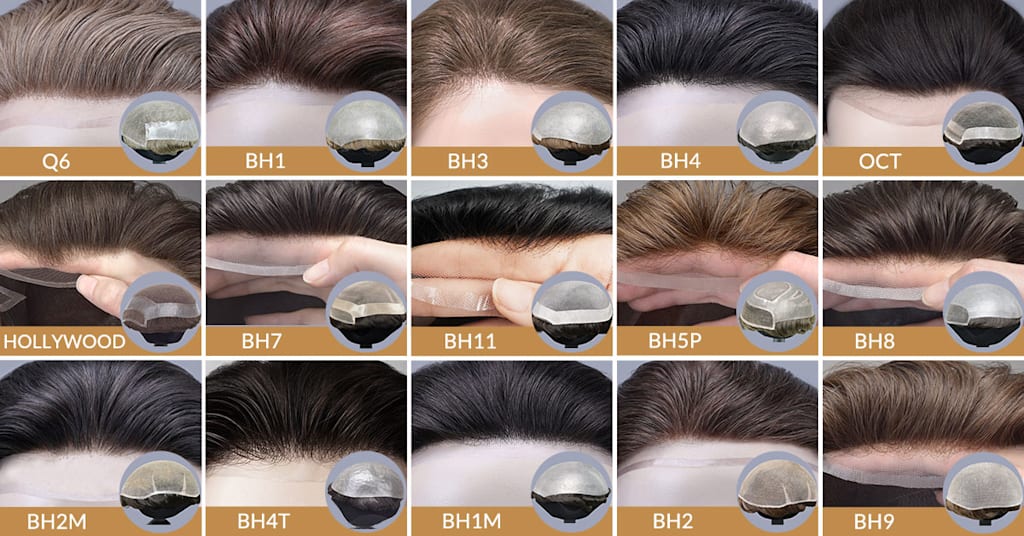
How to Customize Your Toupee at the Bono Hair-Hair Replacement Factory
At Bono Hair, the bespoke and custom-made hair replacement process is built for wholesale buyers who expect strict quality control and clear material transparency. As a direct manufacturer, we create tailored solutions from the ground up. That core approach to customization naturally connects to the specific technical advantages of a factory-direct model.
Key Takeaways
- Create a precise scalp template using cling film and tape to map exact contours and hairlines.
- Provide physical hair samples (around 200 strands) from multiple areas for accurate color and texture matching.
- Match the base material to the client's lifestyle: lace for breathability, mono for durability, or silk/skin for realism.
- Opt for knotless ventilation (V-looping or injected skin) and graduated density frontals to achieve a natural-looking hairline.
- Expect a 4 to 6-week lead time for custom orders to allow for meticulous production and strict quality control.
Step 1: The Professional Consultation and Design Phase
Every successful custom unit starts with a clear understanding of what your clients actually need. As a dedicated Wholesale Supplier, Bono Hair takes the guesswork out of it. You connect directly with our expert consultants to pin down the exact requirements of the hairpiece. This Personalized Service makes sure every detail is covered—from desired density to precise base dimensions—before production even starts. We also keep material sourcing fully transparent from the very first conversation. No exceptions. You and your clients will always know exactly what goes into the products you order. We map out the technical specs to match your market demands. Once the design is set, physical measurements are needed to make it accurate.
How to make a hair system template for a custom order?
Turning an idea into a wearable unit comes down to exact measurements. A Hair Template works as the factory’s blueprint, defining the curvature and size of the base.
To create this mold, wrap the client’s head with clear cling film, making sure it sits flat against the scalp. Then layer overlapping strips of clear packaging tape over the film to hold the shape firmly in place. Use a permanent marker to draw the exact hairline, recession points, and balding areas right onto the taped surface. This forms a solid shell that mirrors the scalp’s exact contours.
As a professional Hair System Template Maker, you need to clearly label the front, back, and sides before removing the mold. This avoids any alignment mistakes during base construction. Once the dimensions are locked in, the factory still needs to know what kind of strands will go into that base. The mold defines the shape, but getting the right color and texture means adding physical hair samples to support the template.
How to match hair samples perfectly for a bespoke hairpiece?
Photos rarely show true color depth. So to get it right, you’ll need to provide physical Hair Samples taken directly from the client.
Cut small sections from different areas of the head, especially the sides and back where blending matters most. Each sample should have about 200 strands and be one to two inches long. Label each group carefully so our factory technicians know exactly where each tone belongs. This step isn’t optional if you want a seamless result.
We use these clippings to match the premium Human Hair used in the final product. Our quality control team studies the strands under specialized factory lighting to recreate the exact texture, wave pattern, and how the hair reflects light. Once color and texture are confirmed, the next step is deciding what base these strands will be attached to. With the hair profile finalized, you move straight into choosing the base material—the foundation of the unit.
Step 2: Selecting the Base Material and Construction
Base materials determine how long the system lasts. The Base Types & Construction methods at the Bono Hair factory are built to maintain quality. Skin Hair Systems give you a seamless fit, but clients with active lifestyles usually need woven designs.
Customizing Bono Hair Lace Systems for Maximum Breathability
French lace and Swiss lace allow heat to pass through an open grid structure.
Technicians at Bono Hair apply specialized knotting techniques to help it blend in. Lace stays breathable and cool, but people who wear their systems heavily will need something more durable.
Mono and Silk Base Options for Durability and Realism
Mono Hair Systems stand up to intense daily use better than delicate lace. The tighter mesh keeps the strands firmly in place.
A Silk Base creates the look of a real scalp by concealing knots within layered fabric. Once the base is chosen, you can match the hair density and texture.
Step 3: Hair Specification and Density Mapping
Matching the base with the right fibers is where a system really comes to life. Wholesale buyers need clear material sourcing to ensure consistent quality across bulk orders. That means choosing between standard, Remy, and Virgin hair. Virgin hair keeps its original cuticle intact, giving it unprocessed strength. Remy hair keeps those cuticles aligned in one direction to help prevent tangling.
Once the origin is set, Bono Hair maps out the exact Density & Texture. This makes sure the volume lines up with a client's natural growth patterns. Quality control teams check every batch of raw material before production starts. Then those exact specs get applied to the base material using specialized knotting and ventilation methods.
Choosing Between V-Looping and Injected Skin Techniques
Ventilation methods decide how the hair actually sits on the scalp. At the Bono Hair factory, proprietary machines handle this step to create flat, natural-looking roots.
V-looping delivers impressive realism without any visible knots. The hair strand goes down into the base and loops right back up. This creates a light lift that mirrors natural growth direction. But it takes precision. Our specialized ventilation tools make sure the polyurethane stays fully intact during this delicate process.
For an even more seamless finish, Injected thin skin seals the hair directly into the polymer base. The factory uses advanced injection needles that push single strands into the material at a precise angle. No loops. No knots. The hair looks like it's growing straight from a real scalp. Both methods offer a premium result for wholesale clients. These knotless options work especially well when dealing with clients who have receding hairlines.
What options are available for custom hairpiece frontals?
Recreating a natural hairline takes a careful approach. Frontal Hairpieces are made specifically to rebuild this visible area with high precision.
A harsh, solid line of thick hair instantly looks unnatural. To solve that, a custom Frontal Hair System uses graduated density. Technicians ventilate the very front edge with a lighter, more uneven volume. Then the density slowly increases as it moves back toward the crown. This reflects how a natural hairline behaves.
Wholesale buyers can also request specific contour shapes. You can customize the base to match an A, C, or CC front contour, aligning with the exact recession pattern of the end user. Quality control teams closely inspect these delicate front edges to make sure the transition is completely invisible. Once the hairline shape and density are fully set, the system moves into the final stage: production and shipping.
Step 4: Factory Production and Quality Control at Bono Hair
Once the base and hairline specs are set, the actual build process kicks off. At Bono Hair, each stage of assembly goes through a strict Quality Control check. Sourcing is fully transparent, so wholesale buyers always know exactly where their raw hair and polymers come from. Nothing’s left up to guesswork.
Proprietary ventilation machines take care of the most demanding work. This specialized equipment makes sure every knot is tied with consistent tension, cutting out the weak points that often come from manual variation. Before any unit leaves the factory, technicians run intense stress tests on the base materials.
But this level of precision takes time. Since these units are made to exact specs using advanced equipment, planning ahead is essential. Now, let’s break down how long it actually takes to produce these custom pieces from start to finish.
Understanding the Lead Time for Custom-Made Units
Creating a flawless hair system doesn’t happen fast. The standard Lead Time for a fully custom unit usually falls between 4 to 6 weeks. This includes base design, the detailed ventilation phase, and final structural testing.
First, technicians spend about a week building the precise base mold and mapping out the density. The most time-intensive part is the knotting stage. Even with proprietary machinery helping with base prep, ventilating individual strands to match natural growth can take up to three weeks of focused effort. Cutting corners here affects the final look.
Once knotting is complete, the unit goes through a final week of washing and structural testing. This full Production timeline helps ensure the product can handle everyday wear. After passing inspection, it’s packaged and prepared for shipping. That leads into how these finished systems make their way to your business.
Bulk Orders and Wholesale Logistics for Salons
Running a salon means you need reliable, predictable shipping. When working with a Wholesale Hairpiece Manufacturer, consistency matters just as much as product quality. Our logistics are built with B2B operations in mind.
For Bulk Orders, production is carefully optimized. While individual custom units take 4 to 6 weeks, larger standardized batches move through parallel production lines to keep timelines under control. We work directly with major global couriers to offer tracked, insured delivery straight to your distribution center.
You’ll also have dedicated account managers who handle customs paperwork and simplify the import process. That means less time dealing with supply chain issues and more time focusing on your clients. If you still have questions about pricing, material lifespan, or minimum order quantities, keep going—we cover those details next in our quick-reference guide.
Frequently Asked Questions About Hair Customization
What are modern hair replacements called?
Hair systems. Sometimes cranial prostheses if it is a medical case. The word toupee is dead in the industry. Modern units are advanced lace or injected skin pieces.
How long can you wear a hair system before maintenance?
2 to 4 weeks. Scalp oil and sweat break down the adhesive. Push it past 30 days and you risk bacterial growth and base damage. Clean and reapply.
How many times can a hairpiece be reapplied?
Dozens. A quality custom unit lasts 3 to 6 months. If you do maintenance every 3 weeks, that is about 8 reapplications before shedding ruins the density.
What is the new name for a toupee?
Hair system. The word toupee carries way too much 1980s rug stigma. Professionals exclusively call them hair systems, hair units, or non-surgical replacements.
About the Creator
Leo
Passionate men's hairstylist with a keen eye for detail and a knack for creating on-trend looks. Dedicated to delivering hair restoration education that enhances individual style.
Enjoyed the story? Support the Creator.
Subscribe for free to receive all their stories in your feed.
Comments
There are no comments for this story
Be the first to respond and start the conversation.