
How to Choose the Right Hair Pieces Hair Loss Experts Recommend
Expert Guide: Choosing the Right Hair Piece for Hair Loss

How to Choose the Right Hair Pieces Hair Loss Experts Recommend
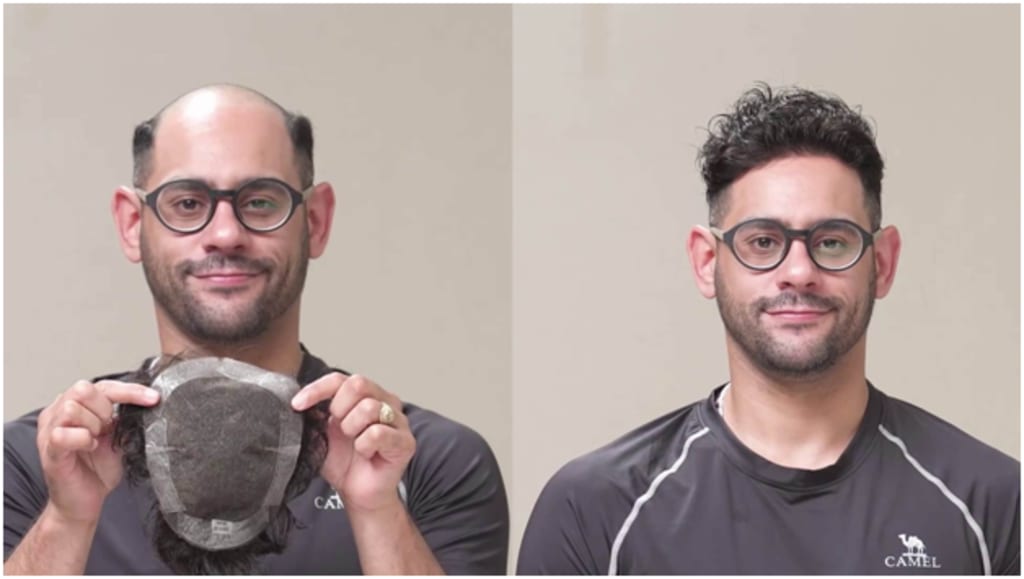
Hair systems are expert-backed, non-surgical hair pieces made to bring back a natural look without any medical procedures. A hair loss specialist handpicks and customizes these systems based on your hair type, lifestyle, and how much thinning you actually have. It's a clear, straightforward path to picking the right option. But first, you need to figure out your specific hair loss pattern.
Key Takeaways
- Match your hair loss stage: use toppers if you have existing hair for clips, or full systems for advanced thinning.
- Invest in human hair for daily wear; it provides better realism and long-term cost-per-wear than synthetic options.
- Choose a hybrid base (lace top with a skin perimeter) to perfectly balance breathability, durability, and secure attachment.
- Apply the "four finger rule" above your eyebrows to position your front hairline naturally.
- Maximize lifespan with a strict routine: wash 2-3 times weekly and schedule professional check-ups every 4-6 weeks.
The Expert Evaluation: Assessing Your Hair Loss Stage
Picking the wrong system usually happens when you misjudge your stage of Alopecia. Experts don’t just guess. They map out your hair density and loss pattern first. A slightly thinning crown takes a totally different fix than heavy shedding all over the scalp. This step figures out exactly how much coverage you really need, rather than what simply looks good online. After that's clear, the choice moves to either partial or full coverage.
Hair Toppers vs. Full Wigs: Which One is Right for You?
Hair toppers are made for partial loss. They clip right into your existing strands and add volume wherever things are looking a bit thin, usually at the crown or part line. You get to keep most of your natural hair, and the topper just blends right in.
Wigs and full caps cover the whole scalp. They replace all your visible hair. That makes them the best option for advanced Alopecia or really low overall density.
Your choice basically comes down to how much natural hair you still have left. And that brings up a big question about how these pieces actually stay on your head.
Can You Wear a Hair Topper with Total Hair Loss?
Hair toppers need enough of your own bio hair to properly hold the clips. Without a solid anchor, they just can't stay put or blend in naturally. Many people completely overlook that limit.
Full systems don't need your bio hair at all. They attach straight to your scalp using adhesives or adjustable caps. That makes them perfect if you have total hair loss.
So if your density is close to zero, a topper simply won’t work. That's it. And that leads us right into the materials and construction that actually make these systems look completely real.
The Material Debate: Human Hair vs. Synthetic Fibers
Picking between human hair and synthetic comes down to lifespan, how you style it, and everyday realism. Human hair typically goes strong for 12–36 months of regular use. Most synthetic pieces? They usually tap out around 4–6 months. You can curl, dye, and style human hair just like your own. Heat-friendly synthetic lets you do some styling, but you can't push the temperatures too high and there's definitely less flexibility. Most pros prefer human hair for an authentic look, especially if you're wearing it full-time. Still, your budget and daily routine are huge factors. The real winner just depends on what you need over time.
The Cost-Per-Wear Reality: A 12-Month Comparison
Human hair costs more out of the gate, usually between $300 and $1,200. But that investment stretches across a year or more. Take good care of it—like gentle washing every 7–10 wears and avoiding excessive heat—and it'll last even longer. Getting a pro to match your density and cap type right the first time also helps it go the distance.
Synthetic pieces run about $50–$300 upfront. But swapping them out every few months quickly drives up your yearly bill. Even heat-friendly synthetic wears down fast if you're using it heavily, despite the extra styling freedom.
Synthetic might seem cheaper initially. But human hair almost always takes the lead when you look at cost-per-wear. And once you lock in your material, base construction becomes the next big detail deciding how natural everything looks against your scalp.
Decoding Base Materials: Lace, Skin, and Monofilament
Base materials dictate how your hairpiece feels and its overall lifespan. Lace gives you great breathability. It lets heat escape so your scalp stays cool. Skin bases rely on Polyurethane, blocking airflow but adding serious strength and making cleanup a breeze. Monofilament lands right in the middle, offering decent airflow alongside better durability than lace. Go with lace for pure comfort, skin for toughness, or monofilament if you want that perfect balance. So, this trade-off naturally points us toward smarter hybrid designs.
Why Experts Recommend Lordhair’s Hybrid Systems
Hybrid systems mix lace and Polyurethane to fix the classic airflow-versus-durability issue. Lordhair builds their hybrid bases using lace on the top for true breathability, paired with a thin skin edge for solid structure and a secure hold. Simple as that.
This combo cuts down on sweat buildup when you're wearing it all day, while keeping the edges perfectly stable. It makes maintenance a lot easier, too. The skin perimeter handles tape and glue way better than raw lace ever could.
Active people easily see the biggest benefits here. If you work out, commute in the heat, or wear your piece over 10 hours a day, hybrid designs keep things highly comfortable without killing the lifespan. And that performance edge brings us to the next big priority: getting a totally natural hairline.
The "Scalp-Check": Achieving a Natural Look with Lace Fronts
Lace fronts give you the most natural looking hairline out there. Every single hair is tied directly into fine lace. Because of this, it looks like it's growing right from your own scalp when someone gets up close.
Pros actually call this the “scalp-check.” Stand under a bright light or grab a close-up mirror. Good lace stays practically invisible, even right at the very front edge. Skin bases can show up just a bit more here thanks to that solid layer of Polyurethane.
If you really care about pure realism for photos, face-to-face chats, or an exposed hairline, lace fronts are easily your best bet. But that visual upgrade still has to fit your daily routine, bringing your actual lifestyle needs right back into the picture.
The Science of the Perfect Fit: Measurements and Placement
A natural look depends less on the actual material and way more on how the system fits your head. Mess up the base size, and even the best lace front is going to look a bit off. Experts mostly look at a big customization factors: your head shape, where your hairline sits, and matching the density. The piece needs to lay totally flat. No lifting around the edges. No awkward gaps by the temples. Since placement builds your whole foundation, figuring out exactly where your hairline goes is your next step.
The Four Finger Rule for Wigs and Hairlines
Most stylists rely on the “four finger rule” to get started. Just put four fingers right above your eyebrows—that’s exactly where your front hairline needs to sit if you want it to look real. Pull it too low, and it gets heavy. Push it too high, and it immediately looks unnatural.
Matching up the hair pattern and color takes this a step further. Your system has to follow your original growth direction and actually blend with the hair on your sides, rather than fighting against it. Simple.
Once you've got the placement right, keeping that natural style consistent over time all comes down to basic daily care.
Professional Maintenance: Ensuring Longevity and Scalp Health
Daily care decides if your hair piece looks salon-fresh or completely gives you away. Getting a pro to check it every 4–6 weeks keeps the fit snug and your scalp clean. At home, washing two or three times a week removes the sweat and buildup that ruins the base. Styling is just as big of a deal. Too much heat or rough brushing kills the lifespan fast.
Here's the truth. Skip your routine, and even a top-tier system will look rough in a few weeks. But stick to a basic schedule, and it stays looking natural for months. Finding that groove gets way easier once you see how beginner-friendly modern options really are.
How Lordhair Simplifies Home Maintenance for Beginners
Lordhair makes upkeep a lot less scary. They offer pre-styled systems that hold their shape right out of the box. You don't need advanced styling skills as a beginner. You're mostly just maintaining the look, not building it from scratch. That cuts your daily effort down to some light brushing and an occasional wash.
Support is just as important. Lordhair gives you clear care guides, so you know exactly when to clean, condition, and restyle. No guessing games required. This helps you dodge common mistakes, like washing too often or grabbing the wrong products. Simple.
Confidence builds naturally once you lock in your routine. As soon as wearing the piece feels normal, you're ready to sit down with a specialist. So let's run through a quick checklist for that first consultation.
The Psychological Transition: Your First Day with New Hair
Your first day with a hair piece feels a lot bigger than you might expect. You'll probably notice the mirror first. More volume. A fuller hairline. That quick boost of confidence hits fast. Stepping outside is the real test, though. You might wonder if anyone can tell. Most won't. Today's systems blend right in with your natural hair and skin tone. So all anyone really sees is a sharper, more put-together you.
Reactions usually stay pretty subtle. Friends might just tell you that you look “rested” or “different in a good way.” That's your cue. It's working without being obvious. By the end of the day, you'll stop overthinking your hair and just get back to your normal routine.
That mental shift is huge. Once wearing it just feels normal, you can get a clear read on the fit, comfort, and upkeep. And those are the details that actually matter when making your final choice.
Frequently Asked Questions
What are the big 3 for thinning hair?
Minoxidil, Finasteride, and Ketoconazole shampoo. That is the holy trinity. They tackle blood flow, DHT blocking, and scalp inflammation. Skip the snake oil. Stick to these proven heavy hitters.
How do you know if a wig is placed too far forward?
It looks like a helmet. If you cannot fit four fingers between your eyebrows and the hairline, it is too low. You will look like a caveman. Natural hairlines sit higher than you think.
Can thinning hair be reversed with medication?
Partially. Meds mostly stop further loss. Regrowth happens for some, but do not expect a full head of hair if you have been bald for a decade. Dead follicles stay dead.
How do you measure where a wig should sit on your forehead?
The four-finger rule. Place four fingers flat horizontally above your eyebrows. The hairline should start right above your top finger. Stick to this measurement. Anything lower instantly screams fake.
About the Creator
Leo
Passionate men's hairstylist with a keen eye for detail and a knack for creating on-trend looks. Dedicated to delivering hair restoration education that enhances individual style.
Enjoyed the story? Support the Creator.
Subscribe for free to receive all their stories in your feed.
Comments
There are no comments for this story
Be the first to respond and start the conversation.