
How to Choose the Right Density for Your 100 Percent Human Hair Wigs
Choosing the Right Density for Human Hair Wigs

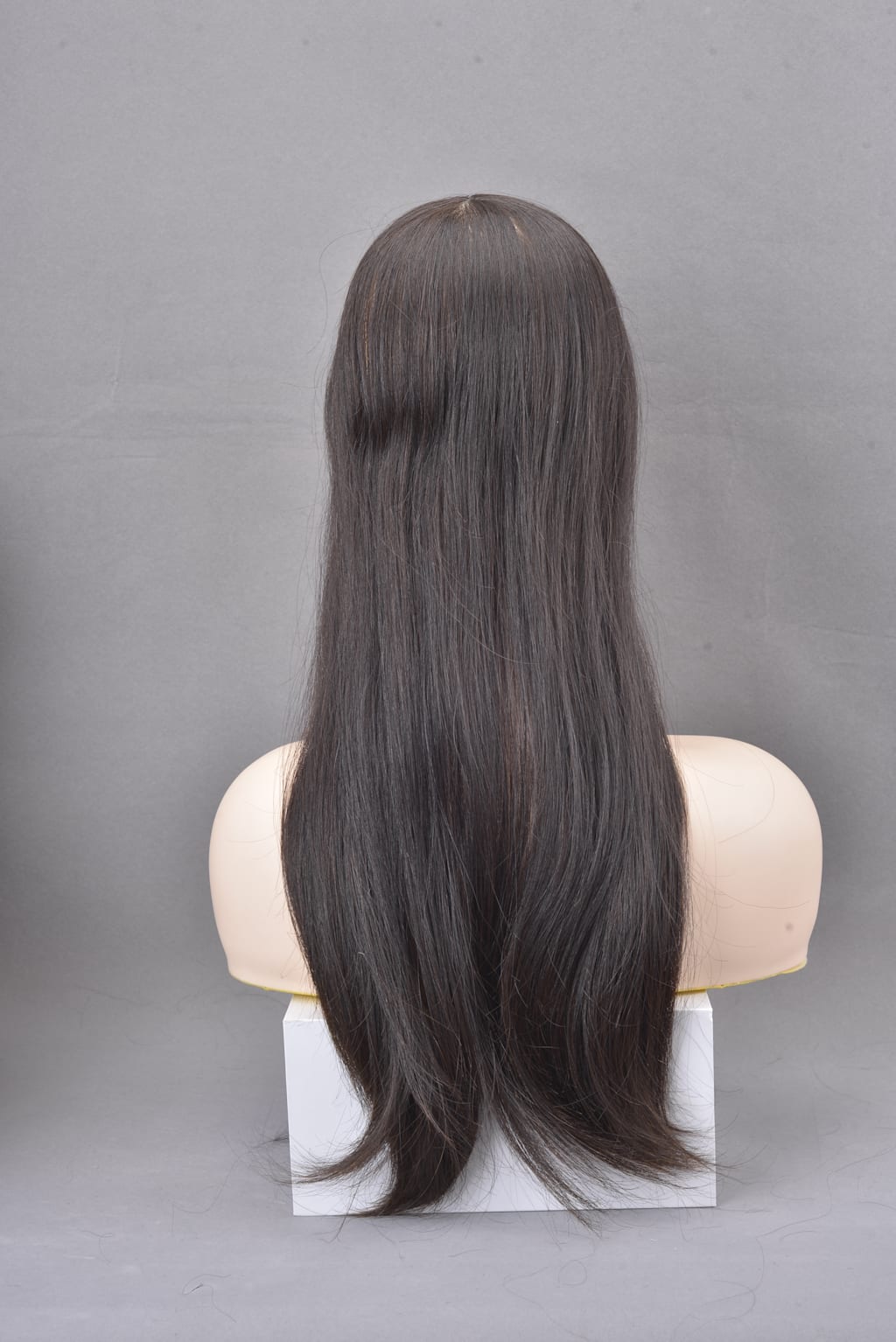
How to Choose the Right Density for Your 100 Percent Human Hair Wigs
Getting a handle on wig density really matters when you're working with 100% human hair wigs. Density is simply how much hair is tied into the cap. Picking the right volume from Bono Hair helps you deliver a natural look while keeping things budget-friendly for your clients. So before deciding, it helps to understand what those industry percentages actually mean for the final look.
Key Takeaways
- Select medium density (100%–130%) for a natural everyday look, or lighter options for active lifestyles and hot climates.
- Match wig volume to the wearer's frame: use lighter densities for petite faces and heavier volumes for broad shoulders.
- Choose 100% human hair for high-density units so the hair lays flat and avoids a stiff, bulky appearance.
- Factor in hair texture, as curly strands naturally create more visual volume than straight hair at the same density.
- Order a slightly higher density than needed to create a shedding buffer, which extends the wig’s wearable lifespan.
Understanding the Standard Wig Density Chart
Wig density simply measures how many individual hair strands are ventilated into the cap. It uses percentage ranges to show how full the unit will look before you even take it out of the box. A lower percentage means less hair, while a higher one gives you maximum volume. Knowing this scale helps you match the right wig to your client's natural hair type without spending extra on thickness they don’t need. Let’s walk through the main categories, starting with the most subtle options.
Light Density (50% – 80%): For a Subtle, Realistic Appearance
Not every client wants a massive head of hair. Light density units fall between 50% and 80%, which makes them very lightweight and breathable. This option is designed for elderly clients or those with severe thinning who want something that blends in naturally and feels age-appropriate.
Putting a thick wig on someone used to fine hair can easily overwhelm their features. Going with a lower volume from Bono Hair gives them a natural look that closely matches a typical fine-hair scalp. The cap stays breathable, and the front hairline looks very realistic.
This softer volume works great for specific cases, but most everyday clients need a bit more coverage. So that brings us to the most common standard on the market.
Medium Density (100% – 130%): The Industry Standard
When a new client asks for a normal, everyday style, this is usually where you begin. Medium density sits between 100% and 130% and reflects the average fullness of a healthy head of hair. It gives enough coverage to fully hide the cap while still keeping a natural shape.
Units in the 120% to 130% range are a core part of the industry. They deliver great volume and fullness without feeling too heavy. This balance makes them a go-to choice for budget-friendly daily wear. Clients get a soft bounce that feels very close to natural growth.
Sometimes, though, an everyday look just doesn’t cut it. For clients who want something more dramatic, you’ll need to step into higher density levels for that extra impact.
Heavy and Extra Heavy Density (150% – 200%+): High-Fashion Impact
Heavy and extra heavy density wigs make a bold statement. Starting at 150% and going beyond 200%, these units are made for high-fashion shoots or for clients who love big, full hair. They carry noticeably more visual and physical weight than standard options.
That level of thickness opens up a lot of styling possibilities. You can build detailed updos, thick braids, or flowing Hollywood waves without worrying about the cap showing through. Since there’s so much hair packed into the base, these wigs usually come with a higher price tag.
Handling this kind of volume properly also depends on the right fiber. To keep these fuller styles looking their best, you’ll want to understand the benefits of human hair material.
The Bono Hair Advantage: Why Material Matters for Density
When you move into higher densities, the fiber type can make or break the final look. Synthetic fibers tend to puff up at the root. And if you pack too many into a standard cap, the wig quickly looks stiff, bulky, and obviously unnatural on your client.
That’s where budget-friendly, high-quality 100% Human Hair Wigs really stand out. Natural strands have real weight and a softer feel, so they lay flat against the scalp. Because of that, your clients can wear a 150% or 180% density unit from Bono Hair without it ever coming off like a heavy helmet.
The strands move the way real hair should and stay fully breathable, giving you maximum volume without stiffness. And beyond the material, the length of the hair plays a big role in how density is perceived.
Looks like the draft text didn’t come through. Paste it in, and I’ll polish it while keeping everything else exactly the same.
Matching Density to Your Face Shape and Frame
Hair density should line up with your physical proportions. A 100% human hair wig looks best when the volume fits the wearer's bone structure. If the hair’s too thick for a small frame, it starts to look off. If it’s too thin for a wider build, it loses presence. You’re aiming for a natural look that works with your face shape, not against it. Bono Hair offers affordable, high-quality options across all densities, so you can land on that sweet spot. Now think about how the actual weight of that hair plays out in your day-to-day life and environment.
Recommendations for Petite Faces and Fine Features
Smaller frames can get buried under too much hair. Throwing a 180% density wig on delicate features will overwhelm the face.
Instead, go for a light or medium density unit. These give you enough coverage to look full and healthy without hiding the jawline. A budget-friendly Bono Hair piece in these lighter ranges moves naturally and looks very real.
Lighter hair also puts less weight on your head. That directly affects how comfortable it feels to wear all day. But what if the wearer has a wider build?
Balancing Broad Shoulders with High-Volume Units
Wider frames need more visual weight. A thin wig paired with broad shoulders can make the hair look sparse and out of sync.
That’s where a heavy or extra heavy density wig makes sense. The added volume and fullness help balance broader shoulders and stronger facial features. High-quality human hair wigs from Bono Hair handle this extra density well without looking stiff or fake.
Thicker hair holds in more heat against the scalp. So you’ll need to weigh that comfort factor against your climate before deciding.
Lifestyle and Climate: The Practical Side of Density
Visual balance is only part of the equation. You also need to think about your client's daily habits and local climate before placing an order.
High temperatures and intense physical activity can completely change how a wig feels by the end of the day. A thick unit holds heat against the scalp, turning what felt comfortable in the morning into a sweaty situation later on.
The breathability of the Wig Cap plays a role, but overall hair volume has the biggest impact on Weight & Comfort. So, how much hair actually works for an active lifestyle?
Best Densities for Active Lifestyles and Summer Heat
Hot, humid weather and frequent workouts call for better airflow. If your client goes to the gym most days or lives somewhere consistently warm, heavy volume will only become a problem. Sweat builds quickly under dense hair.
That’s where a Light Density unit makes a difference. Suggesting a 100% to 130% density helps keep the scalp noticeably cooler. Air can move more freely through the base.
This has a direct effect on everyday Weight & Comfort. Lighter hair feels easier to wear and stays fresher longer. Affordable options from Bono Hair meet these exact density ranges without cutting corners on durability. And with less hair, the routine at the sink becomes much simpler.
Maintenance Realities: Washing and Drying High-Density Hair
Thick hair may look glamorous, but it comes with real upkeep. Washing and styling a 180% density unit takes much more time compared to a lighter one. All that extra hair holds onto water, so drying time can easily double.
Many beginners don’t expect how much work it is. 100% Human Hair Wigs need careful detangling and deep conditioning. You also need to blow-dry them fully so the base doesn’t stay damp. A damp base can damage the hair knots pretty quickly. Not ideal.
You need to weigh that visual appeal against the daily Weight & Comfort challenges of constant styling. If the client doesn’t want to spend hours on wash day, high density isn’t the right choice. And all that extra maintenance naturally leads you to consider the base supporting all that hair.
How Lace Type Affects the Perception of Density
Not all lace is the same. The base you pick directly changes how thick the hair looks at the front. Standard Swiss lace has a heavier grid, which can make the knots appear denser than they actually are. But HD Lace blends straight into the skin. When you use a 13x4 Frontal made from this ultra-thin material, the hairline looks smooth and natural. Different Lace Types shift that visual weight right away, even if the actual hair count stays the same. And the base isn’t the only thing that matters. Texture plays a huge role in how full the hair looks.
HD Lace and the Illusion of a Natural Hairline
A natural-looking scalp needs space to breathe. If you pack too much hair into the front edge, the wig starts to look off. HD Lace fixes this with a sheer base that lets your skin tone show through. That makes it possible to keep a much lighter density right at the front.
With fewer visible knots, you get a clean Natural Look. Budget-friendly units from Bono Hair use this approach to help stylists create high-end results without extra effort.
The lace manages the front hairline by fooling the eye, leaning on the scalp instead of adding bulk. But the overall thickness still depends a lot on the hair’s actual texture.
Density vs. Texture: Curly vs. Straight Hair
The shape of each strand changes everything. A 130% density unit can look totally different depending on whether it’s bone straight or tightly coiled. Straight hair lies flat, so it usually needs more density to build noticeable Volume & Fullness.
Curly Hair Texture naturally spreads out. The coils push away from each other, creating visible volume even when the knot count is low. A lightweight curly unit from Bono Hair can look very full while still feeling breathable.
You have to match the texture to what the client expects. A full curly wig gives strong coverage at first. Over time, regular styling and washing will gradually reduce that volume, and the base becomes more visible as the wig ages.
The Shedding Buffer: Why Starting Thicker May Save Money
Every wig sheds hair over time. Daily brushing, washing, and styling pull strands right out of the lace base. If you begin with the exact thickness your client wants today, the unit will thin out and lose its shape much sooner.
So, slightly increase your Density Percentages when ordering. Going with a 150% unit instead of a 130% one builds in a shedding buffer. As the hair naturally falls out over the months, the wig settles into that just-right volume. This small tweak helps 100% Human Hair Wigs last longer, getting more value out of budget-friendly units from Bono Hair. Next, let’s sum up these tips in a quick decision guide.
Finding Budget-Friendly Quality with Bono Hair
Getting premium units shouldn’t drain your salon’s budget. You need pieces that look flawless and hold up through daily styling. That’s where Bono Hair comes in.
They offer professional-grade 100% Human Hair Wigs that combine strong craftsmanship with real affordability. Your clients get the luxurious hair they want, and you keep your profit margins intact. Skip the low-quality options and invest in reliable pieces that build trust with every install.
Ready to choose what works best for your chair? Here’s a simple summary checklist of what you need.
Quick Choice Checklist: Finding Your Perfect Match
Choosing the right **wig density** gives you that seamless, **natural look**. But how can you check a unit before putting it on?
The "Four Finger Rule" and Measuring Density at Home
Forget the complicated tools for checking **density percentages**. Just press four fingers against the inside base and pull the hair tight.
If you can clearly see your skin through the **hair strands**, it’s light density. If your fingers disappear, it’s heavy. This quick trick helps you confirm your Bono Hair stock so you’re set for the final styling setup.
Frequently Asked Questions About Wig Density
What is the most natural looking density for a human hair wig?
100% to 130%. That is the sweet spot. Mimics a real human scalp perfectly. Go heavier and you just look like you are wearing a helmet.
Does 100% density look thin on a human hair wig?
No. It looks like a normal head of hair. People are just brainwashed by overstuffed social media wigs. 100% gives you a realistic, breathable hairline.
How do I choose the right wig density for my face shape?
Match your frame. Petite face? Go light. Broad shoulders? You can handle heavy volume. Big hair on a tiny frame just swallows you whole.
Can I style a heavy density wig into an updo?
Barely. Heavy means stiff and bulky. Trying to pull 180% density into a clean ponytail just exposes the thick cap edge. Buy lighter for updos.
About the Creator
Leo
Passionate men's hairstylist with a keen eye for detail and a knack for creating on-trend looks. Dedicated to delivering hair restoration education that enhances individual style.
Enjoyed the story? Support the Creator.
Subscribe for free to receive all their stories in your feed.
Comments
There are no comments for this story
Be the first to respond and start the conversation.