
How to Care for the Scalps of Men Hair System Wearers: The Ultimate Salon Guide
How to Care for the Scalps of Men Hair System Wearers

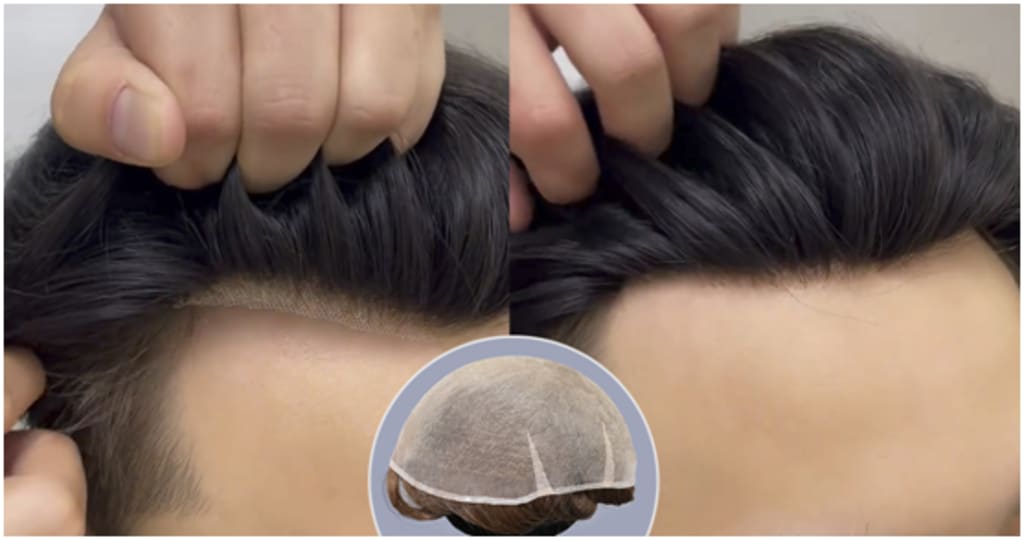
How to care for the scalps of men hair system wearers
Taking care of the scalps of men hair system wearers starts with clean skin, careful checks, and a secure bond that doesn't trap irritation. Bono Hair treats scalp health as a big part of overall product quality. We'll help your salon spot redness, itching, and infection risks early on, so you can build safer care routines.
Key Takeaways
Check the scalp at every removal before reattaching the hair system.
Pain, swelling, discharge, or broken skin require medical referral.
Persistent dampness or odor calls for an early scalp check.
The Importance of Scalp Health in Hair System Maintenance
Scalp health decides if a Hair Replacement System actually stays comfortable and secure between salon visits. A clean-looking unit just can't make up for redness, itching, soreness, or signs of infection hiding under the base. It's that simple.
Technicians need to check the skin during every single removal. If there's irritation or a possible infection, pause the reattachment and tell the client to see a doctor if needed. This keeps the client safe and helps stop totally avoidable re-fits, complaints, and damage to the unit. Good Hair System Maintenance kicks off with a healthy scalp, not just a nicely styled toupee. Bono Hair backs salons with practical training, mostly because consistent scalp care leads to safer services and builds real, long-term client trust.
Identifying Common Causes of Scalp Irritation Under Hair Systems
An itchy scalp under a hair system usually means trapped sweat, oil, leftover adhesive, or friction rubbing beneath the base. Redness might also pop up if the skin reacts to glue, tape, scalp-prep liquids, or cleaning products. Throw in some heat, a heavy workout, or a rushed re-fit, and the exact same skin can suddenly react differently.
Figuring out how to prevent scalp irritation under a skin hair system starts with a close look, not just guessing. When taking it off, check if the irritation sits under damp spots, right on the adhesive lines, or where the base rubs. If you see broken skin, swelling, discharge, or the client feels lasting pain, don't reattach it. Send them straight to a doctor. Knowing the difference helps your team match the right daily hygiene and weekly cleaning routine to the actual problem.
The 3-Phase Routine: Daily, Weekly, and Refit Day Scalp Hygiene
Scalp health gets much better when clients follow a routine that actually matches the time between refits, rather than just slapping on more adhesive every time they get an itch. The best daily habit for hairpiece wearers mixes light everyday care, a weekly bond check, and a complete scalp reset at every single refit.
Give every client the exact same schedule. Then, just write down any redness, odor, soreness, and edge lift in their service notes.
Daily Maintenance: Soothing Itch and Preventing Bacterial Buildup
Everyday care needs to keep sweat and oil from just sitting at the bond line. Tell your extended-wear clients to dry the edges after a workout, avoid scratching under the base, and keep oils far away from the adhesive. Plus, clean hands and a fresh pillowcase really cut down on what actually reaches the hairline.
If they have an itch, use a light, supplier-approved scalp mist strictly as directed. Don't ever soak the base or try to force liquid under it. Ask your clients to tell you about any new odor, warmth, growing redness, discharge, or pain. Those signs mean they need to take a break from wearing the piece and see a doctor, not just spray on a stronger mist.
Weekly Maintenance: Monitoring Edge Lifting and Sebum Accumulation
Checking in every week helps you catch a weak edge before sweat and natural oils dig deeper into the bond. During a quick salon visit or a guided check at home, look over the front, temples, and nape. You're looking for shine, stickiness, curled edges, or trapped dirt. Take pictures of any spots that keep lifting so you can fix the pattern at the next refit.
Don't ever slide a comb or a swab under a secure base. If a tiny edge lifts, just clean the skin and base surface you can actually reach with a compatible product. Let it dry completely, then use the salon's approved touch-up method for that liquid adhesive. But if you see a lot of lifting, smell an odor, or notice angry skin, they need to come in for an earlier refit.
Refit Day Reset: The Step-by-Step Clinical Scalp Cleansing Process
Refit day is the perfect time for a full scalp reset since the skin is completely exposed during that 1-2 hour service window. Stick to a simple five-step routine: (1) take off the system and adhesive as directed; (2) gently lift any leftover residue with a compatible remover; (3) wash the scalp; (4) lightly exfoliate, but only on healthy skin; and (5) rinse and dry the whole area completely.
Follow up with a pH-balanced scalp prep product, but only if the instructions actually say it's safe before bonding. Look closely at the scalp under a bright light for any redness, bumps, cracks, or sore spots. Never reattach a system over broken or weeping skin. Write down what you see, how much the client has been sweating lately, and if you had any trouble getting the old residue off.
At Bono Hair, we believe teaching clients about their scalp is just a normal part of taking good care of their system.
Scalp Care by Base Type: Poly, Lace, and Monofilament
Scalp care changes depending on the base sitting against your client's skin. Skin (Poly) Systems trap moisture close. Lace and Mono (Monofilament) Systems let more air flow through, but they bring their own cleaning and friction issues.
Make sure your team matches scalp checks and refit choices to the specific base materials. This helps you spot irritation early. It also keeps aftercare consistent.
Skin and Poly Bases: Managing Non-Breathable Moisture Barriers
Skin (Poly) Systems can easily trap sweat, heat, and oil right against the scalp since the base doesn't let much air in. Thin Skin units need really close watching, especially if a client works out a lot or lives somewhere humid.
Tell your clients to speak up if they notice odor, extra itching, warmth, redness, soreness, or fluid under the base. Don't just cover these signs up with more adhesive. Instead, book an early removal and check the exposed scalp.
During a refit, take off all the leftover adhesive. Clean and dry the scalp completely, then see if the current wear schedule actually works for that person. Bono Hair wants salons to teach these warning signs before clients even leave the chair.
Lace Systems: Deep Cleansing the Scalp Through Breathable Mesh
Lace Systems, like French Lace, let a lot more air reach the scalp. But breathable materials don't magically make the scalp self-cleaning. Sweat, oil, and styling products can still build up under the mesh over a long wear period.
A tight lace bond isn't the place for deep scalp cleaning. Don't try to force swabs, combs, or extra liquid through the lace. Doing that can loosen the adhesive and trap moisture right under the unit.
Just check the scalp at every refit once you take the system off. Clean the bare skin gently and dry it all the way. Look out for redness, bumps, smells, or sore spots before you reattach anything.
Monofilament Bases: Protecting Heavy-Duty Wearers from Friction
Mono (Monofilament) Systems are great for clients wanting a tough hair replacement toupee. But the stiffer mesh can rub if the fit is too tight or if they wear it for a long time. Friction usually shows up first as sore spots at pressure points.
Check the crown, the edges, and anywhere the mono base touches sensitive skin. A supplier-approved scalp barrier can help cut down on the rubbing. Just make sure to use it as directed, do a patch test first, and only apply it to healthy, dry skin.
Never reattach a unit over chafed, cracked, or sore skin. Simple as that. Note any repeating pressure spots in the client's file. Then, rethink the base size, where you place the attachment, and the refit timing before their next visit.
Selecting Safe Cleansers and Scalp Protectors for System Wearers
A scalp protector needs to create a light barrier on healthy, bone-dry skin. It shouldn't take the place of a proper scalp check or hide any irritation. Simple. When picking a safe scalp cleanser for hair system wearers, stick to water-based, fragrance-free options. You'll also want to stock supplier-approved barrier products that actually work with your chosen adhesive.
Make sure to keep oils, heavy conditioners, and any styling buildup away from the attachment zone. You have to clear away all that residue before putting the system back on. Always patch-test a new scalp protector first. If you spot redness, soreness, fluid, or if the client keeps itching, stop the service right there and send them to a doctor. Bono Hair backs this basic screening process so salons can protect scalp health and keep those refits consistent.
Managing Moisture and Sweat Under Non-Breathable Hairpieces
Moisture trapped under the base ruins the adhesive hold and irritates the skin. This is a big deal for clients who work out a lot or sweat heavily. The best approach? Deal with the sweat before it builds up, rather than just sealing it under the hairpiece.
To handle sweat, tell your clients to dry their scalp right after a workout. They should also book an early check-up if the base feels damp, starts slipping, smells weird, or gets itchy. Taking care of the scalp during long-term wear always starts with a clean, completely dry surface and quick checks around the edges. If you see redness, soreness, fluid, or they can't stop scratching, take the system off and send them to a doctor. No exceptions. Bono Hair backs education that keeps wearers safe and cuts down on unnecessary refits.
Protocol for Preventing Contact Dermatitis and Adhesive Sensitivities
Skin testing helps salons catch a possible adhesive sensitivity before doing a full attachment. A patch test simply screens for these sensitivities, but it can't actually diagnose an allergy.
During the consultation, apply a little bit of toupee tape or liquid adhesive to a hidden spot. Just follow the manufacturer's instructions. Make sure to write down the product used, the exact application area, and any signs of itching, burning, or redness. If the skin itches right where the adhesive touched it, that usually points to a sensitivity. But if the area feels sore after taping it down tightly, you're probably dealing with traction irritation instead.
For folliculitis vs allergic reaction toupee concerns, don't reattach the piece over painful bumps, drainage, or spreading redness. Play it safe and send the client to a doctor. Bono Hair fully supports scalp-first client education.
When to Treat in Salon vs. When to Refer to a Dermatologist
Salons need to hit pause on a service if scalp issues are more than just a quick, mild irritation. An itchy scalp under a hair system might just be from sweat or leftover glue. But pain, heat, swelling, open sores, pus, spreading redness, fever, or sudden patchy hair loss? Those need a doctor's eyes.
Don't scrub the area aggressively, try to reattach the hair system, or cover it up just to finish the appointment. And don't pull off a bonded system if taking it off might rip damaged skin. Just keep the area clean, note down what you see, and send the client straight to a dermatologist or doctor. Real professional care means knowing when a problem is out of your hands. Bono Hair backs this kind of scalp-first education because it helps salons protect their clients and skip the headache of repeat fitting issues.
Differentiating Daily Wear vs. Extended Wear Scalp Care Regimes
Telling daily and extended hairpiece routines apart is pretty straightforward. Daily wear lets your client clean their scalp every single night, but extended wear means they need to do careful checks while the bond is active. Either way, the main goal is catching irritation early. You want to spot redness, itching, odors, or sore spots before they turn into a major headache.
With daily wear, tell your clients to take off the hair system, gently wash the bare scalp, dry it completely, and check their skin before putting it back on. For extended wear, show them how to keep the hairline and the skin around it clean. Make sure they don't scratch, and tell them to report any discomfort right away. Bono Hair backs scalp-first education since healthier habits cut down on fitting issues you could have easily avoided.
Turning Scalp Hygiene Coaching into Salon Client Retention
Scalp hygiene coaching turns a one-time fitting into a solid, ongoing relationship. When your team teaches clients to speak up about redness, itching, odor, or sore spots early, you can pause a refit. You can suggest a doctor's visit if needed, so you don't let discomfort ruin the connection. Simple.
Use a salon hair system maintenance checklist at fittings and follow-ups. This gives your staff a go-to script when clients ask, "How do I care for my custom men's hair system to make it last longer?" These check-ins naturally lead to cleaning, removal, and reattachment appointments. And they help stop fitting complaints before they start. Bono Hair backs this scalp-first education because informed clients are much more likely to keep coming back.
Partner with Bono Hair for Reliable Wholesale Hair Systems and Education
Bono Hair supports salons and distributors looking for more than just a box of hair systems. The real goal is repeatable fittings. You want to help your team spot redness, itching, odor, or sore spots. They'll learn to pause a refit when needed, and they'll know exactly when to send a client out to a doctor for ongoing issues.
When it's time to order, match Custom hair systems to exact client measurements, hair goals, and service plans. Stock hair systems, meanwhile, can easily handle your everyday demand. But remember, a Men's Hair System also needs clear home-care instructions between salon visits. Bono Hair pairs these product options with solid education your staff can actually use right in their consultations. It's the best way to protect client comfort and build dependable return business.
Frequently Asked Questions About Hair System Scalp Maintenance
How to maintain good hair for men?
Healthy scalp first. Remove the system carefully, clean residue, wash, lightly exfoliate only unbroken skin, then dry completely before reattachment. Redness, odor, or itching? Stop and check it.
How does protein affect the strength of hair strands?
Protein makes up much of each hair strand, supporting strength and reducing breakage. But a hair system won't fix scalp problems—clean, dry skin and a safe bond still matter most.
About the Creator
Leo
Passionate men's hairstylist with a keen eye for detail and a knack for creating on-trend looks. Dedicated to delivering hair restoration education that enhances individual style.
Enjoyed the story? Support the Creator.
Subscribe for free to receive all their stories in your feed.
Comments
There are no comments for this story
Be the first to respond and start the conversation.