
How should salons evaluate who the best hair system supplier for salons is?
How to Evaluate the Best Hair System Suppliers in 2026

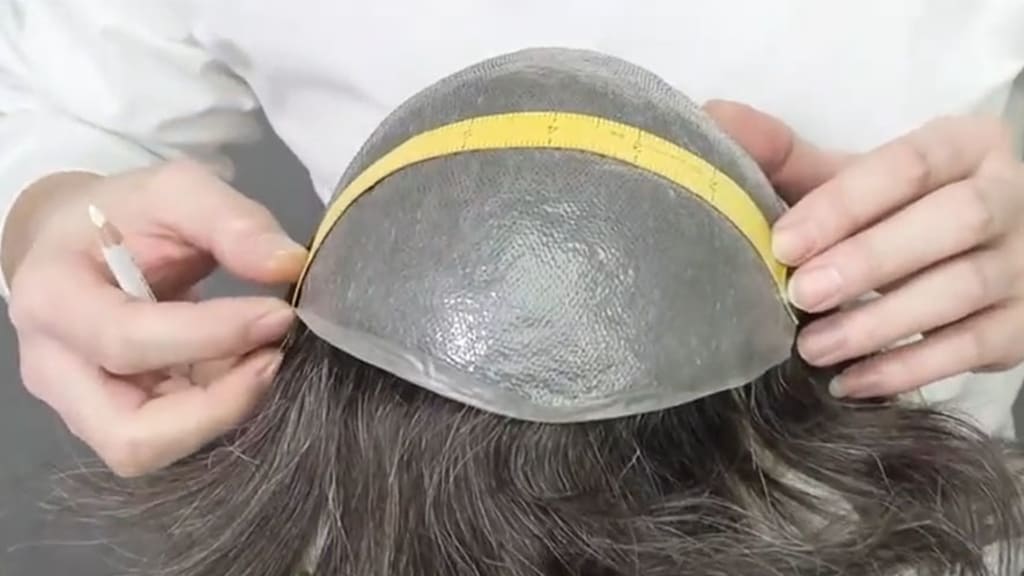
How should salons evaluate who the best hair system supplier for salons is?
A solid hair system supplier protects your salon's service quality and keeps your clients coming back. When you start looking at vendors, check their product consistency, style options, and delivery times. You also need to see how well they handle questions or problems.
Here's how you can compare wholesale hair suppliers and pick a partner your salon can actually count on.
Key Takeaways
Verify factory ownership through a live video tour before evaluating products.
Approve bulk orders only after samples pass documented four-point physical testing.
Choose suppliers with written inventory updates, repeat-order controls, post-delivery defect policies.
The Business Risk of Sourcing Hair Systems
Picking the wrong vendor can drain revenue, mess up your schedule, and make clients question your salon's standards. For salon owners, hair vendor risk is a real business growth issue, not just a simple buying mistake. Inconsistent hair systems lead to refunds, rework, and missed appointments. Simple as that.
The financial, client-facing, and scheduling impacts usually feed into each other. That makes having a reliable supplier an absolute must for your daily operations.
Financial Loss from Poor Quality
Cheap hair systems kill your profit margins, even when the wholesale price looks tempting. Your salon might end up eating the cost of replacements, extra fitting time, or refunds when a system fails way earlier than the client expected.
In today's tough beauty market, that rework eats up valuable appointment time you could spend on new paying clients. So, that cheap initial price quickly turns into a massive total cost for every single service.
Reputational Damage with Clients
Shedding and matting ruin trust fast. Clients expect a totally natural look after paying for a professional service. If the hair system becomes obvious right after the fitting, they'll question the product and your salon's recommendation.
Long-lasting results drive repeat bookings and word-of-mouth referrals. But a supplier whose quality bounces all over the place makes it incredibly hard to protect that consistency.
Operational Disruption from Unreliable Shipping
Bad shipping wreaks havoc on your bookings when a promised hair system doesn't show up in time for a client's appointment. Then your staff has to scramble to reschedule services, explain the delay, and shuffle the whole day's workload.
Reliable delivery lets your salon actually plan consultations, fittings, and reorders around a stable supply chain. Setting up a solid four-step buying framework can swap out those stressful last-minute fixes for smooth, repeatable purchasing decisions.
Step 1: Verification — Factory Direct vs. Middleman
Before judging hair quality or delivery speeds, you need to confirm who actually controls production. Working directly with a factory gives your salon a much clearer view of inventory, order handling, and accountability compared to some unverified sales rep.
Trusted manufacturers can easily show you where their hair systems are made and who manages the floor. Simple as that. Once their identity checks out, just request a few samples to inspect in person.
What is the difference between a hair factory and a hair vendor?
Hair piece manufacturers that actually run a factory buy their own materials, manage the production staff, and ship finished orders right from their own building. Buying direct gives your salon a single, accountable contact for production updates and stock checks.
On the flip side, a hair vendor might just sell systems made by someone else. That can still work fine. But you should ask who makes the units. Make sure the vendor can confirm production details themselves, rather than bouncing every single question to a separate supplier.
Red Flags That Signal a Low-Quality Intermediary
Watch out if a supplier won't name their production site, dodges live calls, or keeps changing their story on stock and lead times. Those gaps make it really hard to evaluate a vendor properly.
Also, look out for catalog photos that don't match real inventory, or staff who can't explain who handles the actual production. Trusted brands will always be upfront about what they control and what they outsource. No exceptions.
Live Factory Tour Protocol via Video Call
Ask to schedule a live video call instead of settling for a prerecorded clip. Have your contact show the facility's outside sign, the main work area, current inventory, and the staff handling orders—all in one continuous take.
Ask how each section connects to your specific order. You'll also want them to state the business name shown at the facility. At the end of the day, reliable communication means getting clear, direct answers to your follow-up questions.
Step 2: Quality Assessment — The Sample Unit Audit
Once a factory passes the basic checks, a sample unit should be the deciding factor for bulk orders. Quality assurance takes a lot more than just looking at catalog photos. You need to inspect the hair fibers, check the base, and see exactly how the piece behaves when you handle it.
Salons should always compare the physical sample against the supplier's written specs. Make sure to record your findings using the exact same checklist for every vendor. Simple as that.
Evaluating Hair Fiber Sourcing and Cuticle Alignment
Check if the hair strands run in a single direction from root to tip. Real Remy hair is going to feel much smoother when you stroke it downwards rather than upwards. If the directions are mixed, you'll end up dealing with nasty tangles after the client wears it.
But a quick look can't confirm ethical sourcing. Ask them for their sourcing records. Then, compare the hair's color, length, density, and texture directly with what they wrote in the sample description.
Testing Base Material Integrity and Ventilation
Give the base a light stretch at a few different spots and check it under a bright light. Swiss lace, poly skin, and mono bases should bounce right back into shape. You shouldn't see any tears, thinning, lifted edges, or loose hair around the ventilation points.
Hold the base up to a light or against your hand to look for even ventilation and check for bare spots. Just make sure to match the base type to natural blends and the routine your client actually uses.
The 4-Point Physical Test: Wash, Shed, Knot, and Burn
Grab one labeled sample and write down every result. Wash it using your salon's normal gentle routine, let it dry out, and then count any shed hairs you see during the wash and brush. Give it a light pull near a few ventilation spots to check for loose knots. Just don't yank the base.
When doing the burn check, only test a few loose, trimmed strands in a safe, ventilated area. Look out for odors, residue, and melting. Still, treat this as just one clue rather than hard proof of the fiber content. Ask Bono Hair or your chosen supplier for a test unit so your team can test the durability firsthand.
Step 3: Logistics, Customization, and Supply Consistency
Strong samples don't mean much if a supplier can't actually restock the hair systems your salon sells. A solid supply chain mixes visible stock depth, reliable delivery, and customization that your team can order without any guesswork.
Make sure to ask each vendor how they handle restocks, custom specs, and repeat orders before adding them to your list. Their answers will also show if their support can keep up as your salon grows.
Evaluating Inventory Depth and In-Stock Guarantees
Ask wholesale hair suppliers for a current inventory report broken down by base type, size, color, density, and texture. Then, compare it against the hair systems your salon orders the most. A massive catalog doesn't prove that the specific units your clients need are actually sitting on a shelf right now. That's a fact.
Ask for a written restock process explaining who confirms availability, when backorders are revealed, and how often their stock data updates. Reliable delivery starts with accurate numbers, not just a vague promise of fast shipping.
Customization Capabilities: Base Contours and Gray Percentages
Give the vendor a written spec sheet for every single custom order. Make sure to include the base contour, measurements, color, exact gray percentage, density, texture, and the requested finish. Clear product specs stop mistakes caused by vague labels or quick verbal notes.
Reach out for technical help before placing a client order. A capable supplier, whether it's Bono Hair or another vendor you're checking out, should clear up any conflicting measurements instead of just guessing in the dark.
Order Consistency: Ensuring Order #10 Matches Order #1
Track every single bulk order against the approved spec sheet, not just that first invoice. Log the density, texture, color blend, base contour, and delivery dates in one file. This lets your team catch unwanted changes before they ruin client fittings.
Ask your trusted manufacturers how they review repeat production runs and keep track of past order details. Good quality control should keep order #10 perfectly aligned with order #1, even if your salon places that reorder months down the line.
Step 4: The Partnership Test — Support and Policies
Reliable restocks protect your schedule. But a supplier's response after delivery is what really protects your salon's reputation. Good customer support matters when a unit arrives defective, a stylist needs a quick fitting answer, or a client asks about where the hair comes from.
Demand written after-sales service, easy-to-reach technical help, and clear policies before placing repeat orders. You can use these exact same checks to take a closer look at established suppliers, including Bono Hair.
Salon-Oriented Return Policies for Cut and Styled Units
A decent return policy has to cover defects found after your salon has trimmed, cut, or styled a unit for a client consultation. Ask the vendor to put in writing exactly what proof they need, who approves claims, and if they offer a replacement, store credit, or repair.
Good customer support shouldn't just brush off a real defect just because your salon customized the hair system. Simple as that.
Technical Assistance and Stylist Education
Technical help lets stylists solve fitting and maintenance issues before a tiny mistake ruins an appointment. Ask if the supplier can guide your team on base trimming, fitting choices, attachment methods, and basic care.
Practical, ongoing training really cuts down on refits. It also keeps your service consistent as your salon grows its hair-system business.
Ethical Sourcing Transparency and Worker Welfare
Ethical sourcing needs actual records, not just vague claims about responsible hair. Ask suppliers for written sourcing rules, traceability info for raw hair, and details on how they check worker welfare across their supply chain.
A transparent vendor can easily explain their standards and answer your questions. Just keep these records with your supplier review notes in case clients ever ask where their hair system came from.
How Bono Hair Meets Professional Salon Standards
Salon standards demand way more than just a big catalog. A supplier has to prove they can handle production requests, quality checks, delivery timelines, and post-delivery questions consistently. Bono Hair should only get a spot on a salon's approved supplier list when they can actually document these points.
Make sure to ask for written confirmation covering custom options, quality checks, lead times, and exactly who handles problems after delivery. Doing this lets salon managers easily compare Bono Hair against other trusted manufacturers and wholesale hair suppliers.
Direct Factory Manufacturing and Custom Capabilities
Ordering direct from the factory helps a salon match a hair system right to a client's specific needs. But the factory needs to confirm every single request in writing. Ask Bono Hair about which cap changes, hair choices, and stock-unit options they can actually make, plus their order minimums and production lead times.
Hair piece manufacturers need to offer a crystal-clear approval process for custom orders, too. Always confirm the final specs before production starts. Then, just save those details in the client's service record so reorders are a breeze.
Quality Control Standards and Dedicated Salon Support
Quality assurance needs to be obvious before a salon ever places a second order. Ask Bono Hair how they check each finished unit against the original order. Find out what photos or records they can share, and exactly how they deal with a mismatch or defect.
Real after-sales service means having one accountable contact for order questions, delivery updates, and claims. Get the response channel, claim steps, and resolution options down in writing. That's how stylists secure a clear backup plan if an issue pops up and threatens a client's appointment.
Essential Salon Owner Procurement Checklist
Supplier interviews work best when every candidate answers the exact same questions. This checklist helps you compare product ranges, quality controls, delivery reliability, and support. No more relying on empty sales promises.
Use it to evaluate Bono Hair or any other candidate. Written answers combined with a small trial order build a solid record. That way, your team can review everything before giving a supplier the green light.
Initial Screening Questions
Ask which hair system categories they can actually provide for your client base. This includes both stock units and custom requests. Make sure they can document each order's color, size, base choice, and any other agreed details.
Ask about minimum order requirements, typical production times, shipping updates, and quality checks. Find out exactly who handles your salon account. Trusted brands give clear, consistent answers. Not just broad promises.
Sample Verification Steps
Always compare the physical sample with the supplier's written description before you ever show it to a client. Check the color, size, overall finish, and hair direction. See if the unit actually matches the quality your salon expects.
Gently inspect the hair piece for loose hair, uneven areas, visible damage, or unfinished edges. But remember, a single sample can't prove long-term durability. So, ask how they check consistency across all future orders.
Account Setup and Trial Order Checklist
Set up your salon account with one dedicated contact person, a written ordering method, and clear delivery updates. Confirm the exact specs that need to appear on every single order. This helps your stylists match each unit to the right client.
Keep that first order small. Choose units your salon can easily assess during real consultations. Before you confirm it, record the order quantities, lead times, and shipping details. Also note the supplier's process for approving custom specs.
Frequently Asked Questions
Who is a hair vendor?
A hair vendor sells hair systems, either factory-made or sourced elsewhere. Verify who actually makes the units via a live factory video tour.
What are the popular hair companies?
Popularity is not proof. Compare Bono Hair and competitors on sample quality, stock reports, delivery, and written defect policies.
How do wholesale hair suppliers work?
They sell salon-priced bulk inventory or custom units. Never approve bulk orders before samples pass documented four-point physical testing.
Which countries produce the highest quality hair systems?
China is a major production hub. Country alone means little; factory control, hair quality, base construction, and repeat-order consistency decide it.
What are the top rated professional hair extension brands in 2026?
There is no universal top-rated list. Salons should judge brands by tested samples, reliable restocking, technical support, and after-sales terms.
About the Creator
Leo
Passionate men's hairstylist with a keen eye for detail and a knack for creating on-trend looks. Dedicated to delivering hair restoration education that enhances individual style.
Enjoyed the story? Support the Creator.
Subscribe for free to receive all their stories in your feed.
Comments
There are no comments for this story
Be the first to respond and start the conversation.