
How should professional buyers compare lace vs skin hair system on quality
Compare Lace vs Skin Hair System Quality for Buyers 2026

How should professional buyers compare lace vs skin hair system on quality
Hair system bases directly impact your service quality, reorder rates, and the long-term money spent on non-surgical hair replacement. If you own a salon or distribute products, you need to compare lace and skin systems based on how they're built, how long they last, the upkeep they need, and whether they actually fit a client's daily routine. Here's a practical way to review supplier samples and place your bulk orders with much clearer expectations.
Key Takeaways
Written specifications and verified samples should determine every bulk purchasing decision.
Client routines should determine the appropriate base for each fitting.
Incoming quality checks should catch defects before units enter salon inventory.
Technical Specifications: Comparing Lace vs. Polyurethane (Skin) Bases
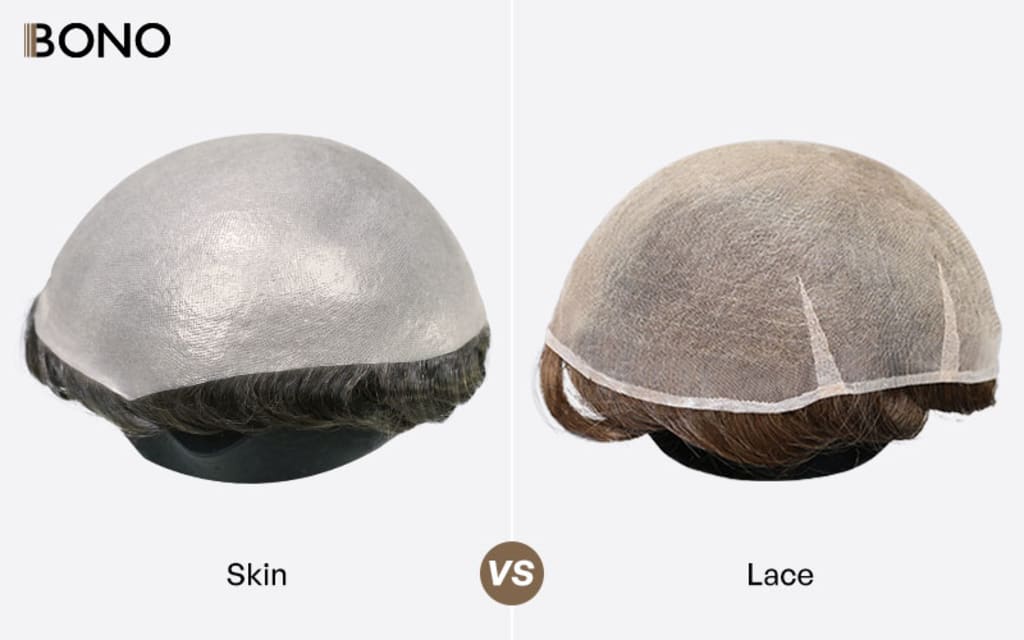
Lace and polyurethane bases do very different things. Lace uses an open mesh, while PU relies on a sealed film surface. Neither material is automatically stronger or lasts longer. Performance really just depends on the base material, thickness in mm, hair density, and verified supplier data.
When you're buying for a salon, documented construction matters a lot more than catchy labels like "Swiss" or "skin." These details actually help you figure out if a system fits your planned service standard and reorder needs. Simple as that.
Material Construction and Porosity: Swiss/French Lace vs. PU Film
Swiss and French Lace Base materials use a woven mesh. This creates Swiss Lace porosity right through small openings in the fabric. Denier count measures yarn fineness. A lower-denier yarn might give you a finer-looking mesh, but the weave construction still controls how well the base resists stretching and tearing.
A Skin Base uses continuous PU film instead of an open weave. Its thickness in mm is the real key here. So, ask suppliers for the stated PU thickness, lace denier, and sample-level confirmation before placing a Bono Hair order or standardizing any system for your salon.
Hair Density Capacity Ceilings and Structural Integrity
There's no single Hair Density ceiling that applies to every lace or PU system. Lace handles the hair load through its woven structure. A Skin Base, on the other hand, depends on the PU film's resistance to tension. A density claim without matching base specs just can't predict structural integrity or service life reliably.
Always request the density measurement method, base thickness or denier, and tensile strength test results for the exact sample you plan to stock. Review those figures at the density your clients will actually get, not on some lighter display sample. Plus, ventilation design needs a separate look because it can totally change how the base holds the hair.
Ventilation and Knotting Science: Quality Differentiators
Ventilation decides how hair is actually secured to the base. So, it directly impacts shedding, hair direction, and how well the system holds up during salon services. Base material alone can't predict durability. Simple as that.
When placing Bono Hair orders, make sure to ask for the exact knotting technique, ventilation pattern, and test results for the density you plan to stock. These details help cut down on avoidable re-fits and inconsistent client results.
Lace Construction Mechanics: Bleached Knots vs. Single Flat Knots
Bleached knots make lace roots much harder to see, mostly because the dark knot color gets lightened before the system ever reaches the salon. But there's a trade-off. Bleaching can weaken the hair right at the knot if the process is too harsh. Always ask suppliers how they handle this bleaching step and if they test for shedding after processing.
A single flat knot lies much flatter against the lace than a bulky one. This improves the root appearance while keeping a solid physical anchor in the mesh. Still, it might show up on lighter lace or darker hair. Just make sure to compare close-up root photos and retention tests on the exact lace, density, and hair color you ordered.
Skin Base Attachment Mechanics: V-Looping vs. Injected Knots
V-looping pushes each hair right through the polyurethane film without using a traditional knot. This creates a clean, scalp-like root and lets the supplier set a clear hair direction. Since the hair relies entirely on this looped attachment, you should really check the pull resistance before using V-looped units on clients whose daily routines create frequent tension.
Injected knots secure the hair inside the polyurethane structure, which often hides the attachment point just below the surface. This setup supports a highly realistic root effect. But the final result really depends on film thickness, injection quality, and overall hair density. You'll want to request sample checks to look at hair direction, shedding during a wash, and whether the PU film actually stays intact around the injected hair.
Durability and Degradation Factors for Wholesale Inventory
Base durability isn't just fixed at the factory. Heat, light, air, moisture, cleaners, and adhesive removers can easily shorten the lifespan of a lace or skin system while it sits in inventory or goes through repeated salon appointments.
Wholesale buyers need solid storage rules to protect base materials before a sale, plus service standards to stop avoidable damage later. These material risks give Bono Hair buyers a practical way to inspect their shipments. That's it.
Polyurethane Oxidation and Material Yellowing
Polyurethane in a skin base can oxidize when exposed to heat, oxygen, and too much light. Oxidation might turn a clear or flesh-toned film yellow and reduce its flexibility. And a brittle film can easily crack when you fold or stretch it. High humidity and poorly sealed storage can make the problem worse by exposing units to constantly changing conditions.
Just keep unopened units in a cool, dry, dark spot away from windows, heaters, and chemicals. Leave them in their protective packaging, avoid tight folds, and make sure to rotate older inventory first. Also, use base-compatible cleansers and removers, since harsh solvents can seriously weaken the film.
Environmental Fraying and Chemical Breakdown in Lace Systems
Lace bases fray when repeated tension, rubbing, and edge handling pull the fibers apart right at the perimeter. Brushing too close to the hairline, rough removals, and frequent refits can put a lot of strain on the mesh way before the hair itself actually looks worn out. Plus, sweat, oils, adhesive residue, and strong cleaners can leave the lace less bouncy or even cause fibers to snap during cleaning.
Store your lace away from damp spots, direct sunlight, and open chemicals. Always loosen the adhesive completely before removal, then clean off the residue without scrubbing the mesh. Simple. Just track any fraying by base type and service count so you can plan out replacements.
Adhesive Interaction and Maintenance Overhead
How you attach a system changes a lot more than just hold time. Medical-grade liquid bonds and tapes sit on a continuous polyurethane surface much differently than they do on open polyester lace. Because of this, the removal process and base wear follow completely different patterns.
For salon owners, the most practical choice is the one that protects the hair system while keeping maintenance and cleaning time predictable across repeat appointments. That's it.
Liquid Bond vs. Tape Interactions on Polyurethane Surfaces
Polyurethane skin gives liquid bond and tape a smooth, nonporous contact area. This creates a clean attachment line, but both the adhesive and remover sit directly against the film. Long wear times, repeated solvent exposure, or rough scraping can easily reduce flexibility. This raises the chance of stretching or tearing those thin skin bases.
Tape can make removal much more controlled since the adhesive lifts in clear strips. Liquid bond, on the other hand, might take a bit longer to fully dissolve before you can safely take it off. If a client has a sensitive scalp, salons need to make sure the bonding agent, remover, and wear schedule actually work for both the person and the polyurethane base.
Resin Buildup and Residue Removal in Lace Mesh
Lace mesh traps adhesive residue right inside its tiny openings, especially if liquid bond spreads past the main attachment zone. Oils, sweat, and loose resin can easily mix with that residue. This makes the mesh way harder to clean without aggressively rubbing or pulling at the fragile fibers.
This adds extra work at every single refit. A technician has to soften the residue, gently work it out, and check the lace edge for any fraying before putting the piece back on. When dealing with Bono Hair lace systems, purchasing teams need to ask for base-care instructions. Then, they should train their staff on low-friction cleaning methods that keep the mesh intact and breathable.
Business ROI and After-Sales Liability Analysis
Picking the right base impacts your profit margin long after that first sale, not just what's printed on the invoice. Finding one that actually fits the client's scalp, daily attachment habits, and planned refit schedule cuts down on annoying remake requests, awkward return chats, and hours of extra cleaning. Simple as that.
Professional fitting is your main control point. When dealing with Non-Surgical Hair Replacement, make sure you document the chosen base, the home care routine, and any hard limits before you even start the install. Take time to look over the Bono Hair base specs and care guides. That way, your team can give clients the exact same answers every time they call after an appointment.
Wholesale Quality Control Inspection Checklist
Incoming Quality Control needs to happen before a shipment hits your salon inventory or gets to a client appointment. Check a sample from every carton under bright, even light. Then, pull out any unit that doesn't meet your standards. Jot down the carton number, unit count, defect type, and snap some photos. This helps Bono Hair review a clear claim.
Having a repeatable Inspection Checklist protects your good stock. It also keeps your re-fit decisions consistent and gives you a paper trail to fix any issues. Simple.
Spotting Manufacturing Defects in Lace Shipments
Look at the lace base before the hair direction or styling distracts you from the mesh itself. Hold it up against a light surface and check a few different spots. The hole spacing needs to be consistent. Look out for stretched patches, collapsed openings, or obvious tears. Rub a tiny edge between clean fingers. Heavy starch can make the mesh feel stiff or like a board instead of being flexible. A stiff lace base might fight against you when you're trying to shape it during installation.
Next, look closely at the knots. If you see missing, broken, or loose knots—especially right at the front edge—hold that batch back for the supplier to review.
Identifying Flaws in Thin Skin Batches
Lay every skin base flat on a clean, light-colored table before you even look at the hair. Glance across the PU film from a low angle. Trapped air shows up as raised pockets, and uneven thickness looks like ridges or thin patches. For 0.03mm ultra-thin skin, check a few different spots instead of just judging it by a single edge.
Test the V-loops by lightly running your fingertip over them, but don't pull the hair. Flag any loops that lift, shift, or pop out of the film. Once you find them, log the bad area and set the unit aside. This stops weak units from turning into early client complaints right after installation.
Technical Procurement with Bono Hair
Buying from Bono Hair needs to kick off with solid written specs and a sample check, rather than just guessing what's in the box. When looking at lace systems, you have to pin down the right mesh stretch, hole consistency, and knot security. For skin systems? Make sure the film thickness is even, the bonding surfaces are smooth, and the hair ventilation holds tight.
Customization is a big deal when your salon caters to all sorts of client needs. Track any flaws batch by batch. Take photos and note the problem areas, then use those notes to figure out if Bono Hair actually hits your standards for durability and re-fitting.
Frequently Asked Questions
What are the key differences between lace and poly hair systems?
Lace breathes; poly seals. Construction decides durability.
What is the difference between skin base and lace base hair systems?
Skin is PU film. Lace is open mesh.
How do you identify a high-quality hair system manufacturer?
Demand written specs, verified samples, and retention tests.
Which hair system base looks most natural for a receding hairline?
Lace with well-bleached, flat knots. Usually.
Is skin lace better than HD lace?
No. They serve different attachment and visibility needs.
How do professional buyers evaluate the lifespan of lace vs. skin bases in 2026?
Test exact samples: thickness, density, ventilation, shedding, and edge wear.
About the Creator
Leo
Passionate men's hairstylist with a keen eye for detail and a knack for creating on-trend looks. Dedicated to delivering hair restoration education that enhances individual style.
Enjoyed the story? Support the Creator.
Subscribe for free to receive all their stories in your feed.
Comments
There are no comments for this story
Be the first to respond and start the conversation.