
How should an HRC choose the correct hair system color for a client? The Ultimate Color Ring Masterclass
2026 Hair System Color Matching: The Ultimate Masterclass

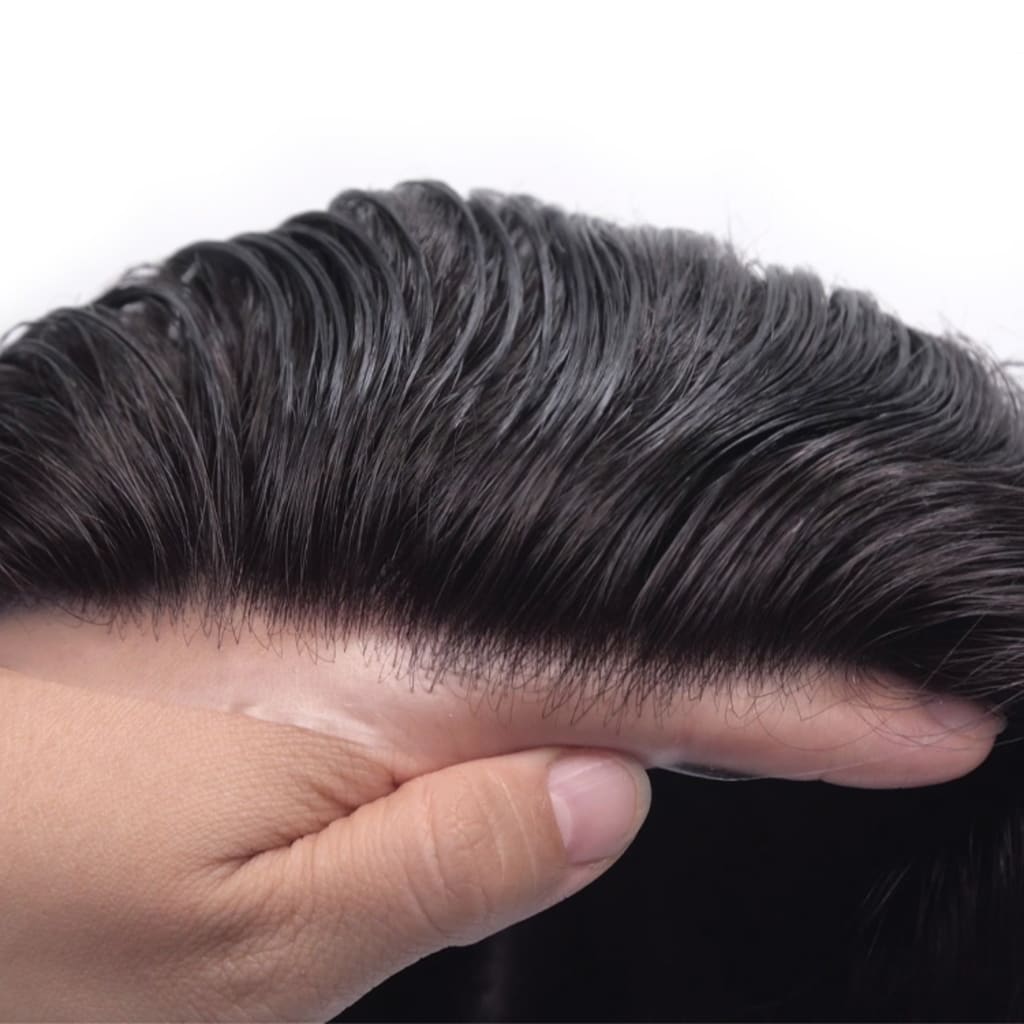
How should an HRC choose the correct hair system color for a client? The Ultimate Color Ring Masterclass
Color matching is about way more than just picking a close brown or black. A Hair System Color Ring lets you check your client's natural shade and undertone reliably. This cuts right down on avoidable reorder costs.
Here's a clear workflow to help your team run confident consultations. It builds real client trust and keeps your sourcing with Newtimes Hair running smoothly.
Key Takeaways
Match temple undertones before confirming the base shade.
Three-light checks prevent matches that shift outside the salon.
Zone-specific gray records give suppliers clear specifications for reliable repeat orders.
How Do You Decode Base Shades and Undertones for a Seamless Match?
A base shade gives you a starting point, but it won't guarantee a perfect blend by itself. Those secondary Ash Red and Gold Tones actually decide if a hair system settles naturally into your client's existing hair or just pulls noticeably warm.
Read the natural hair first. Then, grab the color ring to confirm what your eye sees. Simple. This keeps color matching clear for your team and cuts down on avoidable remake requests.
How to Identify Ash, Red, and Gold Undertones
Ash, red, and gold undertones hide beneath the main hair color, kind of like the tint under a fresh coat of paint. Ash tones look cooler and softer. They usually have a muted brown or smoky cast. Gold tones reflect yellow or honey warmth, while red tones show up as copper, auburn, or just a subtle reddish glow.
Have your client hold a small section of their natural hair right against nearby color-ring swatches. A warm-looking brown might actually carry ash underneath, and a dark brown can flash red around the hairline. Don't just match the first color you notice.
Neutral hair usually doesn't pull strongly toward ash, red, or gold. For these clients, just pick a balanced shade instead of forcing a warm or cool system color. The goal isn't making the new hair look super vibrant. It's about making the hair system look like it belongs there.
For your business, leaving clear notes on Ash Red and Gold Tones gives Newtimes Hair a much better color-matching brief. Plus, it helps your technicians repeat successful orders every single time.
How to Match Hair System Color for the Temples and Side Hair
The temple and side hair create the face frame. Because of this, a close match at the crown just isn't enough. These areas are often finer, lighter, or a bit less dense than the hair on top. If the system color is too dark or too warm right next to them, the edge will look completely separate from the client's natural hair.
Always compare the selected color-ring swatch directly with the sideburn area and temple hair. Look for the overall tone first. Next, check if the system's warmth actually matches the natural hair. A client with cool, soft side hair usually needs a system color without any strong gold or red cast.
Blending allows for a tiny difference in depth as long as the undertone stays consistent. For instance, slightly lighter temple hair can easily merge with a deeper top shade if both read ash-neutral. But a gold-toned system placed beside ash side hair creates a really obvious contrast right around the face.
Record your temple and side-hair notes along with the final color choice for future orders. Natural light can easily shift how warm or cool a shade appears. So, sticking to consistent viewing conditions protects the match long after the client walks out of the salon. That's it.
What Is the 3-Light Protocol for Masterclass Color Ring Matching?
The 3-Light Protocol tests the same Hair System Color Ring choice under three common lighting conditions before you confirm an order. This helps your salon avoid a match that looks perfect at the consultation chair but turns out way too warm, cool, or dark the second your client walks out the door.
Just use the same clean swatch and hold it next to the client's natural hair every single time. The goal here is consistent Color Matching. You don't want a shade that only looks good under a single salon light.
Start off with natural light near a window, but make sure to keep the hair out of direct sunlight. Daylight gives you the most honest read on depth and undertone. So, if a brown swatch suddenly pulls gold, red, or ash right next to the client's temple hair, jot that down before you move on.
Next, check it again under your salon's regular overhead lights. This is what your client sees during the fitting, so it shouldn't cause any surprises at the chair. A swatch that looked completely neutral in daylight might actually look warmer under indoor bulbs. Just remember to compare the color ring against their natural hair, not a white cape or a dark wall.
Finish up under the lighting your client actually lives in most of the time—like office, retail, or home lighting. Ask where they spend the majority of their weekdays, then use the closest light source you have in your salon. If a shade shifts across all three checks, go with the option that stays closest to the natural hair overall. Don't waste time chasing a perfect match in just one setting.
Write down this three-light result in the client's order notes. Clear notes give Newtimes Hair a much stronger brief. Plus, it helps your team repeat a successful match on the very next order. Once you've got the lighting settled, map the client's head by color depth and gray density. That way, every area gets the exact right blend.
How Do You Map Scalp Color Zones and Handle Gray Percentages?
How do you map scalp color zones and handle gray percentages? Start by looking at the client's own hair pattern instead of relying on a single all-over number. A solid approach breaks things down into the face frame, temples, side and back hair, and finally the crown. This way, each spot matches the natural shift in their gray.
Your Custom Color Specs need to log the base shade and the Gray Percentage for every zone. Doing this gives Newtimes Hair a crystal-clear brief for future repeat orders. Simple.
How to Choose an Age-Appropriate Gray Percentage for a Client
Age acts as a reality check, not a strict formula. A guy in his 30s might rock a strong temple streak, while someone in his 60s could just have a bit of scattered silver. Match the Gray Percentage to whatever grows around the perimeter and crown. You really only need to factor in age to avoid a look that feels completely out of character.
Map out four specific zones in your order notes: front hairline, temples and sideburns, sides and back, and the crown. Pay the closest attention to the face frame since it sits right next to their exposed natural hair. Be sure to note a separate percentage for each zone if they don't match. Don't just average a 40% temple with a 10% crown and label the whole system as 25% gray. That won't work.
Color Graduation needs to follow the client's existing pattern. Think heavier gray at the temples that fades softly toward the crown. Just toss in a plain-language note describing where the gray starts and where it lightens up. This helps your team easily double-check the finished system against the client's approved record.
Why Should You Use Synthetic Hair for Gray Percentages?
Why go with synthetic hair for gray percentages? Use synthetic fiber for the gray parts and human hair for the base shade anytime the order calls for a super specific gray ratio. These two materials tackle totally different jobs. Human hair holds down the main color, and synthetic fiber handles the gray placement.
Keeping them separate makes your Custom Color Specs direct for the factory and your own reorder files. Instead of just writing "a little gray," clearly list out the base shade, the Gray Percentage, and the exact zones where it goes. Plus, keeping your notes consistent makes it much easier for your team to compare the final piece with the client's approved record.
But using synthetic gray fiber doesn't mean you can ignore the client's natural pattern. Keep the face-frame distribution and Color Graduation details in your brief. This is super important if the gray is heavy at the temples rather than spread all over the crown. Newtimes Hair works much better from a clear B2B order note when you spell out the material role, percentage, and zone map right from the start.
How Do Hair Material Types and Fading Affect Long-Term Color Realism?
How do hair material types and color fading actually impact long-term realism? They dictate if a hair system keeps blending in after weeks of wear, instead of just looking good when it leaves the salon.
Picking between human and synthetic hair isn't just about texture. Every material bounces light in its own way and ages differently. So, your starting shade needs to leave a little room for natural shifting over time.
Human Hair and Synthetic Fiber Do Different Color Jobs
Remy human hair reflects light a lot like growing hair. This helps the base color sit naturally right next to your client's real hair. It's also got natural warm or cool undertones. Just make sure to check if their natural hair reads golden, ash, red-brown, or neutral before you pick a base shade.
Synthetic fiber tends to bounce light more evenly and can look a lot brighter under direct bulbs. For gray percentages, that's actually pretty useful since those gray fibers need to pop against a darker base. But blending a bright synthetic gray into a soft, muted natural gray? That can stand out for the wrong reasons.
Keep your order notes crystal clear. Write down the human-hair base shade, the exact gray-fiber percentage, and if the final look needs a warmer or cooler undertone. Doing this gives Newtimes Hair a solid brief you can easily reuse for future orders.
Plan for Fading Before You Approve the Starting Shade
Human hair color slowly changes over time. Sunlight, washing, styling heat, and just daily wear can fade or warm up the hair. Think of it like a dark t-shirt losing its rich color after going through the wash too many times. A system that looks like a perfect match on day one might turn lighter or warmer a few months down the road.
Synthetic gray fiber doesn't really fade the way colored human hair does. This gap can make the gray look a lot stronger as the human-hair base shifts. So, try to avoid picking a base shade that's too light just to match a brand-new system.
Build a little wiggle room into your color choices. Writing clear notes on expected warmth, depth, and gray contrast helps Newtimes Hair prep much better repeat orders. Plus, it helps your salon plan out any toning work you might need to do after the piece arrives.
How Can You Correct Near-Miss Shades and Order Consistently with Newtimes Hair?
How do you fix a near-miss shade and keep your orders consistent with Newtimes Hair? Start by figuring out if it's just a fixable tone issue or a completely wrong base depth and gray blend. A toner can tweak the warmth or coolness. But it can't turn a hair system that's obviously too dark or too light into a perfect match.
Good color work boils down to careful comparisons, keeping track of your decisions, and writing clear notes for your supplier. This cuts down on remake time and gives Newtimes Hair exactly what they need for production. Simple.
Correct the Tone Before You Request a Remake
Put the hair system right next to the client's natural hair in the spot where the blend matters most. Look closely at the near miss to see if it's warm, ash, golden, red-brown, or neutral. Usually, the undertone tells you right away if a professional toning job makes sense.
Only use toner when the base shade and gray blend are already close to your goal. Always test a small hidden spot first. Then, jot down the formula, the final result, and why you made the tweak in the client's file. Keeping track of this stops the exact same color issue from popping up on your next order.
Build Repeat Orders Around Stock Colors and Clear Notes
Stock colors give your team a solid starting point, but you still need to write a very clear order note. Lay out the chosen shade, the undertone you want, gray placement, and hair material. Also, mention if the final piece should look a little warmer or cooler than the color ring sample.
Taking care of your color rings matters just as much. Swap out worn, faded, or stained swatches before they mess up your reference points. Keep the approved swatch code and any toning notes right in the client's profile. Then, just pass those exact details along to Newtimes Hair when it's time for a repeat order. Bottom line: good records turn a lucky one-time match into a process you can repeat every time.
Frequently Asked Questions About Hair System Color Matching
What is the golden rule of hair color?
Match the undertone before the depth. Ash side hair beside a gold-toned system exposes the match instantly.
Should you go lighter or darker with hair as you get older?
Usually slightly lighter, not darker. Dark, solid color can look harsh; match the client's temples and natural gray pattern instead.
How to decode the hair color numbering system?
Use the number as the base-shade starting point, then verify ash, red, gold, or neutral undertones on the color ring. Numbers alone are not enough.
What factors should be considered when selecting a hair replacement shade?
+
Temple tone, side-hair depth, undertone, zone-specific gray percentages, and three-light checks. Record all four zones for repeat orders.
About the Creator
Leo
Passionate men's hairstylist with a keen eye for detail and a knack for creating on-trend looks. Dedicated to delivering hair restoration education that enhances individual style.
Enjoyed the story? Support the Creator.
Subscribe for free to receive all their stories in your feed.
Comments
There are no comments for this story
Be the first to respond and start the conversation.