
How should an HRC choose the correct hair direction for different hairstyles of the Hair System
Guide to Choosing Hair System Hair Direction in 2026

How should an HRC choose the correct hair direction for different hairstyles of the Hair System
Hair direction in a Hair System dictates if a client's style falls naturally, holds volume, or moves cleanly. When it comes to a Hair Replacement System, getting the right pattern actually starts with the finished hairstyle. Not the order form.
Here's how HRCs can easily translate a client's look into clear hair direction and crown specs for Newtimes Hair.
Key Takeaways
Begin each order with the client's intended finished hairstyle, not a default pattern.
Match crown placement to the client's natural growth pattern for seamless blending.
Include reference photos showing the intended direction before submitting custom orders.
Why Does Hair Direction Matter for Hair Replacement Systems?
Hair direction makes or breaks a style. It either works with your client's everyday look or constantly fights against it. A forward fringe needs hair ventilated straight to the front. On the flip side, a side part relies on a clean, sideways flow. Getting this pattern right guarantees a completely natural look. It also helps the final haircut move smoothly as one single piece.
But it's not just about style—direction also controls volume. Hair tied pointing away from the crown gives you extra lift. Meanwhile, a flatter angle is perfect for close-to-the-head cuts. Always double-check your client's usual part, where their crown sits, and their daily styling routine before you place an order with Newtimes Hair. Clear notes on hair direction keep an otherwise great hairpiece from looking obvious. Simple as that.
What Is Freestyle Hair Direction in Hair Systems?
Freestyle hair direction lets your client brush, part, or push the hair in different directions instead of sticking to a single built-in line. If your salon is weighing freestyle against fixed-part setups for men's hair systems, freestyle easily offers guys more styling freedom.
But hair direction still dictates the final look. A forward style softens the hairline. Lifted or swept-back hair, on the other hand, builds up volume and flow. Think of it like a piece of fabric without a pressed crease: you can shape it a bunch of ways, but it's going to need daily styling to stay put. So when you're ordering from Newtimes Hair, just include the client's usual style in the brief.
What Is a Fixed Part Hair Direction?
A fixed part hair direction designs the hair system around one specific parting: Left, Right, or Center. It's perfect for clients who stick to the same polished look every single day. The hair just falls right into its intended shape, which means way less time reshaping it at the chair.
Choose this option when your client's regular look needs a sharp line, tight volume control, or a steady sweep. A left or right part backs up a side-swept style, while a center part gives you a balanced, even flow. Just grab a few pictures of how they normally wear their hair. Then, drop that chosen direction into your Newtimes Hair order brief.
What Is a Hair Break in System Customization?
A hair break is just a shift in hair direction without showing a visible scalp line. This lets the hair flow away from the hairline or move into a fuller style. It acts a lot like a natural bend in growing hair.
A parting—like a left, right, or center part—makes a clear, defined line where the hair separates. But a break stays softer. This means your client can wear brushed-back styles or build up volume without getting stuck with one sharp division. When you send in a Newtimes Hair custom order, just describe exactly where you want the hair to lift and change direction.
What Are Forward Brush and Flat Back Hair Directions?
Forward Brush pushes hair right toward the forehead, helping support fringes, textured crops, and styles that need a softer, natural fall. It can easily make the front look fuller since the hair is already moving exactly where your client wants it to sit.
Flat Back points the hair toward the back of the base. It works great for slicked-back and loose swept-back styles, giving you a smoother flow with way less lift at the front. When putting together custom Newtimes Hair orders, just match the hair direction to your client's go-to finish: Forward Growth for front-led volume, or Flat Back for a clean rearward flow. That's it.
How Does Crown Location Affect Hair System Realism?
The crown (vertex) decides if the back of a hair system blends with your client's natural growth or just looks wrong. Put it too far forward, back, or off to one side, and you'll get an obvious break in how the hair flows.
So, what's the best hair direction for a natural-looking crown? Just match it to the exact spot where your client's real hair shifts direction. Then, let the rest of the hair radiate out from it like a normal growth pattern. When you place a Newtimes Hair custom order, make sure to note the crown position and the planned hairstyle. That ensures the system actually supports the volume and movement you want.
Which Hair Direction Best Suits Classic and Modern Hairstyles?
Hair direction needs to follow the final hairstyle. Don't just treat it like a default order detail. Even a perfect crown can look obvious if the front hair grows against the client's intended shape.
For salon teams, customization starts with the intended flow. You also need to know if the style needs lift or a fixed part. Newtimes Hair can take those style notes and help you get a hair system that moves naturally.
What Hair Direction Works Best for a Pompadour or Quiff?
Pompadours and quiffs need hair directed up and back from the front. They also need enough built-in lift to hold the shape. If the hair lies forward at the hairline, your client will have to force it up every single morning. And the finished style? It can lose that natural look fast.
Ask your client how high the front will sit. Find out if the quiff leans straight back or slightly to one side. Add those exact notes to your Newtimes Hair custom order. The requested direction should match the planned silhouette. That way, the front rises easily instead of fighting its natural growth pattern. Simple.
Which Hair Direction Creates an Authentic Side Part?
A side part looks natural when the hair leaves a defined left or right break and falls away from it. Ordering a left part for a guy who wears a right part is a bad idea. It forces the hair across the wrong line, making the style way harder to settle.
Confirm which side the client parts from while they're facing the mirror. Then, record the placement and note how deep the separation looks. A center part needs that same clear split right down the middle. Give Newtimes Hair the client's preferred part and some reference photos. This ensures the custom hair system supports the intended flow right from the very first cut.
How Should You Specify Direction for a Slick Back or Flat Back Look?
Slick-back and flat-back styles need the hairpiece to grow from the front toward the back. When the direction already follows that route, the hair lies back with way less resistance. Plus, it keeps a clean flow straight through the crown.
Don't confuse a flat-back order with forward growth. Forward growth points hair toward the forehead. It suits plenty of other styles, but definitely not this one. Tell Newtimes Hair if your client wants a tight slick back or a softer, brushed-back finish. The backward flow needs to match the final look and blend with the client's natural hair at the sides.
What Direction Best Supports a Textured Crop or Undercut?
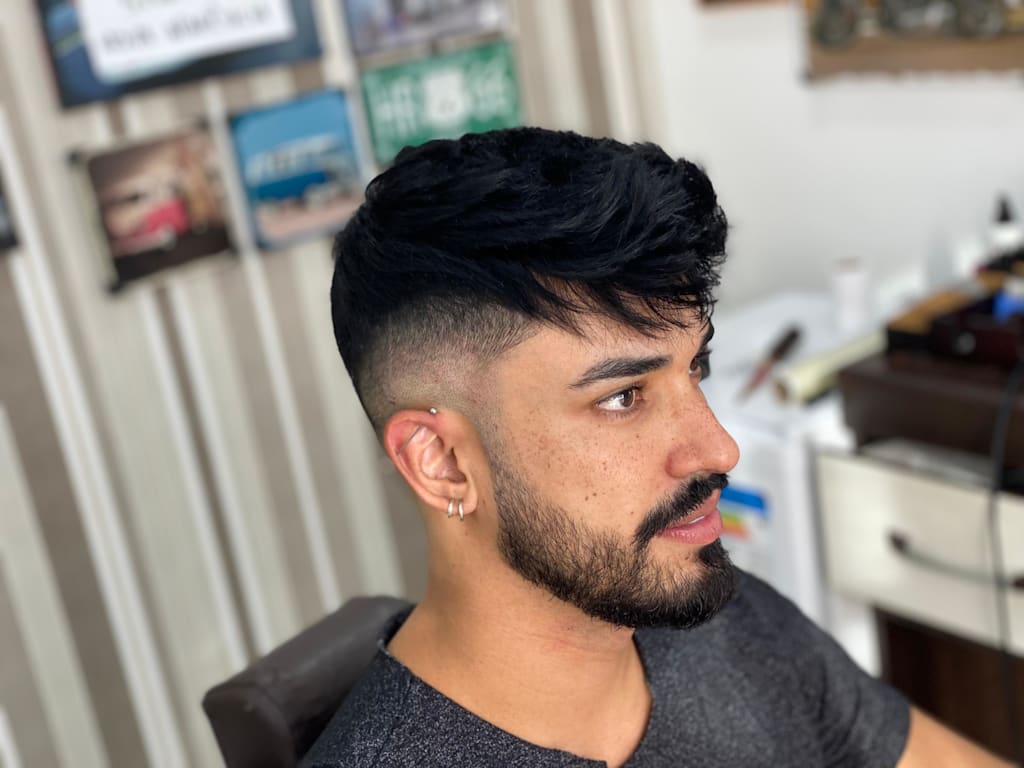
Textured crops and undercuts usually work best with forward growth. Why? Because the hair naturally drops toward the forehead and can be broken up into short, uneven pieces. It's just like brushing fabric with the grain instead of against it. The cut simply follows the direction already built into the hair system.
Freestyle direction also works great for clients who change their crop often. It gives your barber plenty of room to move the hair around without a fixed part controlling everything. For your Newtimes Hair order, describe the fringe length and whether it's pushed forward. Also, let them know exactly how much texture the final cut needs.
How Do Base Materials Influence Hair Lift and Directional Behavior?
The base material actually changes how well a hair system follows a client's styling direction. Since Poly / PU / polyurethane skin creates a smooth, stable surface, the hair usually sits a bit flatter at the root. It's perfect for controlled looks like slick backs or clean side parts.
On the flip side, Swiss, French, HD, and full lace bases flex right along with the scalp. This extra give makes the hair movement feel lighter. Think of it like a soft fabric moving with the body instead of fighting against it. If your client wants a softer lift or a less rigid finish, lace easily backs up whatever directional pattern you set. Plus, Newtimes Hair can match the exact base choice to the style your salon is planning to cut.
How Does Ventilation Technique Impact Hair Direction Flexibility?
Hair direction starts right at the root. That's why the ventilation method you pick decides how freely a client can restyle their hair system. V-looping gives you the most natural-looking movement, while knotting and injected hair create a much more fixed pattern.
V-looping lets the strands move around easily, making it great for a soft flow and relaxed volume. Single flat knotting grabs each strand firmly. This works best if you're going for clean side parts and controlled styles. Injection locks the hair direction close to the base to give you a consistent finish. When you place an order with Newtimes Hair, just make sure to tell them the planned part and hairstyle.
How Should an HRC Measure and Identify a Client's Natural Growth Pattern?
An HRC needs to map out a client's natural growth pattern before picking a hair system direction. Just look at the dry side hair from the temple to just above the ear. You'll want to see if it falls forward, back, or straight down, and spot exactly where the part starts. It's the best way to match the system's direction with the natural hair already growing on the sides.
Snap photos of both sides and jot down the part and crown flow on your consultation form. A forward pattern works best for fringe-heavy styles, while a backward or side-swept flow gives you cleaner volume and a much more natural blend. Send these notes in with your Newtimes Hair order so the exact direction you need is crystal clear.
What Is the Best Way for Clients to Convey Their Expectations in Terms of Hairstyle Preference?
Clear photos beat vague words every single time. Have your clients bring in two or three pictures showing the front, side, and crown of the style they're looking for. Make sure they tell you exactly what they like about it. Maybe it's a lifted fringe, a flat side part, or hair flowing straight back from their face.
Take those reference shots and compare them to the client's natural side-hair pattern. Pictures show the final look, but your consultation notes break down the actual details—like the needed part, crown flow, and volume. Just send both along with your Newtimes Hair order so there's no guesswork involved.
Can a Hair System Be Styled in Any Direction?
You can style a hair system in a few different directions, but it can't totally ignore the way the base was built. Sure, heat, water, and some good styling products will help you shift things around for a side part, a swept-back look, or a bit of extra lift. But the original flow still decides how naturally the hair settles down and how much work your style actually takes.
If the hair is set forward, it'll fight a sharp slicked-back look. And if it's set backward, you might struggle to get a natural-looking fringe. Think of brushed velvet. You can push it the other way for a minute, but it always wants to snap back. When you place Newtimes Hair orders, just send over some photos showing exactly where the part is, the crown flow, and the volume. That's it.
What Are the Most Common Hair Direction Ordering Mistakes HRCs Make?
So, what's the biggest hair direction mistake HRCs make? Asking for one uniform direction across the entire base. A natural hairline actually needs hair flowing away from the face. Meanwhile, the crown and part need their own specific angles so the result doesn't look flat or fake.
Another issue is sending in photos without pointing out the part, crown swirl, or how the client actually styles it. It just leaves way too much room for guessing. When placing custom orders with Newtimes Hair, always call out the front flow, part location, and crown direction. You'll also need to mention if the client wants some lift, a fringe, or a swept-back look.
How to Advise Clients Choosing Between Versatility and Low-Maintenance Styling?
A hair replacement system really needs to match your client's morning routine, rather than just the initial salon finish. If they like using a blow dryer, a brush, or constantly change their part, go ahead and recommend a freestyle direction. This setup lets the hair move naturally and keeps the volume intact.
But for clients who just want to comb everything into the exact same shape every single day, a fixed direction cuts down on the effort at home. When you're in the customization phase, ask them how often they switch their part, wear a fringe, or sweep their hair back. Just jot that answer down on the Newtimes Hair order. That way, the finished system actually fits the hairstyle they'll wear on a daily basis.
How Newtimes Hair Simplifies Custom Hair Direction and Crown Selection
Newtimes Hair makes hair direction way easier to pin down. The trick is for the salon to record the client's finished style, part placement, and crown position before placing the order. These details turn a vague request for a natural look, lift, or backward flow into an actual, usable Hair System Order Specification. Simple.
When it comes to customization, just mark if the client needs a fixed direction or freer movement, then describe exactly where the hair should fall around the crown. You'll want to ask Newtimes Hair to double-check these details before production starts. Clear direction means the hair system actually supports the salon's intended shape. That way, the stylist isn't forced to fight against its natural lay.
Frequently Asked Questions About Hair System Direction
Can I change the direction my hair grows?
Not permanently. A hair system's ventilation sets the default direction; heat and product can redirect it temporarily.
Is Side part coming back in 2026?
Yes. Clean side parts never really left, especially for polished, low-maintenance looks.
How do you train hair to lay in a different direction?
Blow-dry it damp in the new direction, then set it with product. Repeat daily.
Which hair part direction looks most natural for a hairpiece?
The client's natural part. Match their left, right, or center growth pattern and crown.
About the Creator
Leo
Passionate men's hairstylist with a keen eye for detail and a knack for creating on-trend looks. Dedicated to delivering hair restoration education that enhances individual style.
Enjoyed the story? Support the Creator.
Subscribe for free to receive all their stories in your feed.
Comments
There are no comments for this story
Be the first to respond and start the conversation.