
How should an HRC choose between 003 mm 006 mm and 008 mm skin bases
0.03mm vs 0.06mm vs 0.08mm Skin Base Guide for HRCs 2026

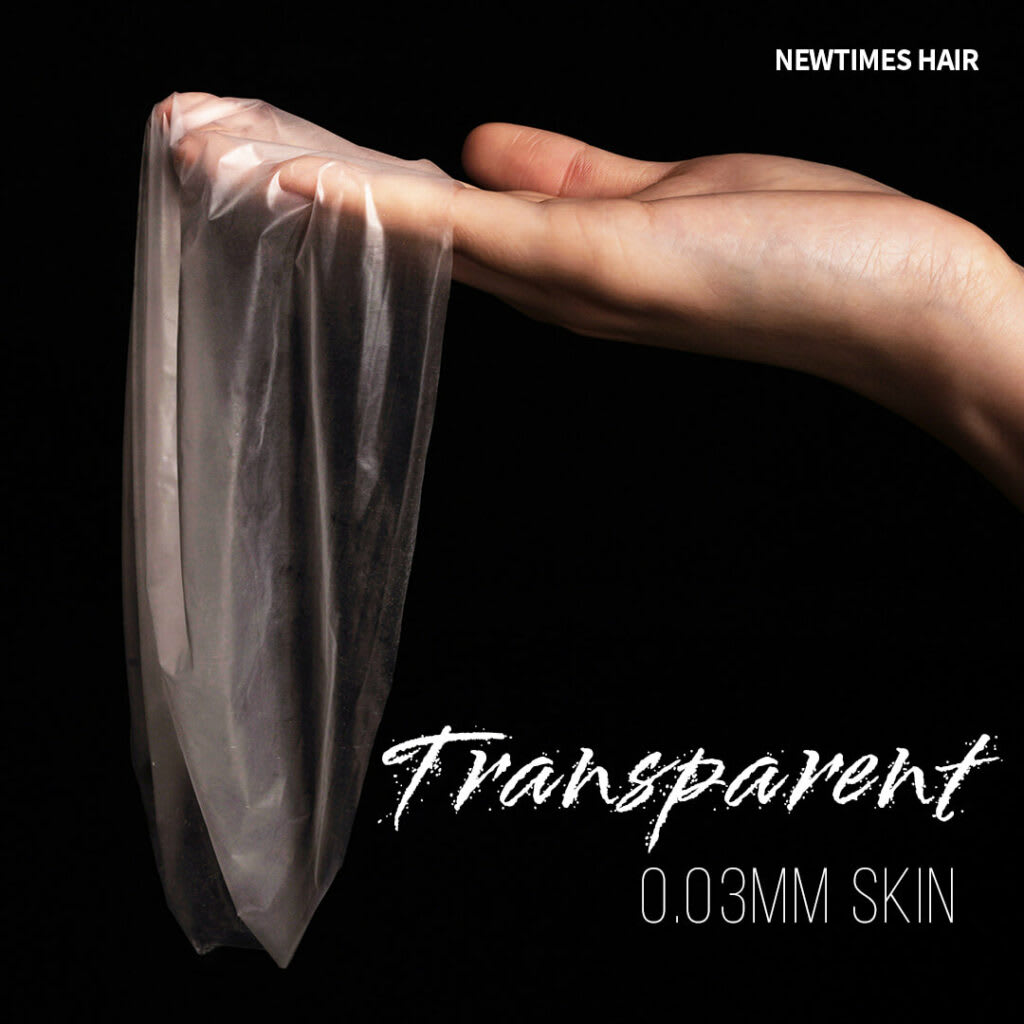
How should an HRC choose between 003 mm 006 mm and 008 mm skin bases
HRC teams have to match the right skin base gauge to a client's lifestyle, activity level, and the exact look they want. An ultra-thin 0.03mm skin is all about keeping things natural, but thicker poly bases are usually built for durability. Here's a clear benchmark to help your stylists easily compare 0.03mm, 0.06mm, and 0.08mm bases.
Key Takeaways
A 0.03 mm base delivers maximum realism but requires gentle handling.
A 0.06 mm base suits everyday clients seeking natural-looking, reliable wear.
A 0.08 mm base supports active clients who prioritize durability.
Quick Comparison: The 0.03 mm, 0.06 mm, and 0.08 mm Skin Base Specs
The 0.03 mm, 0.06 mm, and 0.08 mm skin bases highlight a clear trade-off between durability and realism. Thinner materials give you a less noticeable finish, while extra thickness adds structural support. For an HRC, knowing the gauge helps set solid client expectations around appearance, wear, and maintenance cycles.
Going with a 0.03 mm skin base is all about realism. Its ultra-thin profile creates a highly natural look, but it takes careful handling. You just shouldn't pitch this as a long-wearing option.
The 0.06 mm gauge sits right in the middle. It strikes a practical balance for clients who want a natural look without dropping down to the most delicate skin base available.
At 0.08 mm, durability really takes the wheel. This thicker skin base makes sense for clients whose active lifestyles call for extra support, even though it won't mimic that ultra-thin look of the 0.03 mm.
But thickness alone can't guarantee a fixed lifespan. Always check every returned unit for stretching, edge condition, and how well the attachment held up. Consistent gauge quality from Newtimes Hair just helps salons plan out these replacements a lot more reliably.
Poly Skin Thickness Profiles: Matching Base Specs to Client Demand
Skin base thickness boils down to one main trade-off your salon needs to explain. You either get a less visible frontal hairline or a tougher poly base that takes more wear and tear.
When choosing between 0.03, 0.06, and 0.08 mm, the right gauge really depends on how active the client is and the look they want. And since Newtimes Hair offers consistent gauges, planning replacements becomes much more predictable.
0.03 mm Ultra-Thin Skin: Maximum Realism for Short Replacement Cycles
A 0.03mm ultra-thin skin base is the top choice for realism. It's perfect for clients wanting an exposed, barely-there frontal hairline. The thin poly material sits right up against the scalp. This creates a lighter feel and hides the visible edge that usually gives away a hair system.
The biggest visual perk here is scalp visibility. Light passes right through the ultra-thin material in a very natural way, especially around a well-styled hairline. V-looping helps pull this off, too. The hair looks like it's growing straight out of the base, entirely skipping the visible knots you see on other setups.
This delicate skin base works best for guys who care more about looks than a long lifespan. They need to be okay with shorter replacement cycles. It requires a gentle touch during removal, cleaning, and reattachment. Why? Because stretching or damaging the edge can cut its lifespan short fast. Just make sure clients understand the deal. The 0.03 mm profile gives a highly natural finish, but it just isn't built for rough treatment or long-term wear.
0.06 mm Super-Thin Skin: The Balanced Workhorse for Everyday Wearers
A 0.06mm thin skin base offers everyday clients a great middle ground between durability and realism. It stays thin enough to look natural, but it offers way more structure than a 0.03 mm base when your team handles routine salon maintenance.
The material feels a bit thicker in your hand. But when attached right, it still sits perfectly smooth against the scalp. At the frontal hairline, it won't vanish quite as completely as the ultra-thin option. Even so, if a client doesn't wear a fully exposed hairline every single day, that small difference is a fair trade for the extra support.
This gauge is ideal for guys with normal activity levels who want a natural look but don't want to replace their unit constantly. It also gives your salon staff more breathing room during routine cleaning and reattachment. You won't have to treat every single service like a high-risk operation. That's a win. But keep in mind, no skin base comes with a guaranteed lifespan. Always check the edges, look for stretching, and inspect the attachment condition at every single return visit.
0.08 mm Bio-Skin: Maximum Durability and Low Maintenance
A 0.08mm medium bio-skin base fits clients who care more about durability than a flawless hairline effect. The thicker poly build offers serious structural strength. This makes it a smart choice for active clients or anyone who needs a system that can handle some rougher treatment between salon visits.
That extra thickness gives the base a much sturdier feel. Plus, it makes cleaning, tape removal, and reattaching a breeze for your staff. It won't mimic the near-invisible finish of a 0.03 mm system at an exposed hairline, so you need to manage expectations before fitting it. But if a client usually styles their hair forward, they probably won't notice any downside at all.
A longer potential lifespan doesn't mean you get to skip maintenance. Adhesive wear, edge condition, and the client's daily activity level still dictate when the unit needs attention or a full swap. Just lay out three points for the client. Ask how visible they want their hairline, how active they are, and how often they want to pay for a new system. Simple. Those three answers will easily turn base gauges into a practical decision tool for your salon.
The HRC Decision Matrix: How to Choose the Right Thickness for Every Client
An HRC needs to pick skin base thickness based on a client's daily routine and the look they want, not some one-size-fits-all rule.
The trade-off is pretty simple. Thinner poly gives you a nearly invisible hairline, while thicker poly gives your team a much sturdier base to work with.
Evaluating Client Activity Levels and Sweat Production
Start by breaking down the client's week into low, moderate, or high activity. Sitting at a desk with an occasional walk puts way less strain on a bond compared to daily gym sessions, working outside, or constant swimming. Ask them when they sweat. Find out how often they wash their scalp, and see if they can easily come back in if an edge starts lifting.
Lots of sweat changes the scalp environment and can really mess with the adhesive. A 0.08 mm skin base gives your team more structural support during cleaning and reattachment, while a 0.03 mm base requires a much gentler touch. But thicker bases don't stop sweat from breaking down the glue. No skin gauge can actually promise that.
For active lifestyles, point clients toward durability if they're okay with a slightly more visible hairline. A 0.06 mm base works well for moderate activity. Meanwhile, 0.08 mm is definitely the safer bet for clients who are rough on their hair systems.
Balancing Realism Expectations Against Client Budget and Maintenance Effort
Set realistic expectations around long-term costs, not just that initial price tag. A client looking for the most invisible hairline might go with a 0.03 mm skin base. But that delicate material usually needs replacing much sooner if removal, cleaning, or just daily wear damages the edge.
Durability vs. realism is always the big conversation. Thinner skin sits closer to the scalp and creates a much more natural look, especially right at the front hairline. On the flip side, thicker poly gives your salon plenty of room to clean, reattach, and maintain the system without treating every single appointment like a high-stakes operation.
Clients on a budget usually do better with a 0.06 mm or 0.08 mm option if they care more about fewer replacements than having the absolute perfect hairline. Match the thickness to the level of maintenance they'll actually tolerate. Then, stick to the consistent skin bases from Newtimes Hair to make replacement planning way more predictable for your business.
Technical Factors HRC Stylists Must Consider When Recommending Skin Systems
HRC stylists need to treat hair density and adhesive bonding as a package deal, not two separate choices. A 0.03 mm skin base requires a super light touch. On the flip side, 0.06 mm sits right in the practical middle, and a 0.08 mm base brings more muscle for repeated service work.
Getting the setup right protects the base while hitting the client's activity and realism goals. Thanks to Newtimes Hair's consistent skin bases, your team can easily deliver that exact same performance from one unit to the next.
Match Hair Density to Base Strength
There's no magic, one-size-fits-all density limit for every skin system. Packing in more hair adds weight and pull. That extra stress will wear out a 0.03 mm base way faster than a thicker 0.06 mm or 0.08 mm option.
Play it safe with delicate bases, especially around the front. Sure, V-looping creates a highly natural hairline, but it doesn't suddenly make an overloaded, thin base tough enough to handle the strain.
Choose Adhesive Bonding for the Service Plan
Your adhesive strategy has to fit both the base type and the client's daily routine. A 0.03 mm system demands careful removal and cleaning. Meanwhile, a 0.08 mm poly base gives you a lot more breathing room during reattachments.
Always check how sweat, washing habits, and appointment gaps impact the bond. Once you lock in those technical choices, batch-level quality control steps in as your next big safeguard for solid, reliable results.
Why Poly Base Consistency Matters for HRC Client Retention and Newtimes Hair Quality
Why does poly base consistency actually matter to an HRC? If a base shows up thicker or thinner than the last one, your service plan can change without warning. A client expecting a natural, light feel or reliable wear might end up with a totally different result.
When it comes to wholesale hair systems, consistency protects your reputation. It lets your stylists use the exact same attachment methods, set clear expectations, and just reorder with confidence. It's really that simple.
HRC Quality Control Starts With Repeatable Bases
Think of a poly base like a shoe sole. Even a tiny change in thickness affects how it feels and holds up over time. Thin poly usually gives a much more natural look. On the flip side, thicker poly brings better durability for active clients and regular service work.
Newtimes Hair builds its whole quality promise around this skin-base consistency. That gives your HRC quality control a solid, predictable foundation. You'll still want your team to check every delivery for edge condition and make sure it fits the client's plan before the actual fitting, though.
Frequently Asked Questions About Skin Base Thicknesses
Can a 0.06mm skin base be worn for multiple months?
Yes, potentially. It is built for reliable everyday wear, but no fixed lifespan is guaranteed; inspect stretching, edges, and attachment at every return visit.
Is a 0.08mm skin base more durable than a 0.03mm base?
Yes. The 0.08mm base has far more structural strength. Trade-off: its exposed hairline will not look as invisible as 0.03mm.
How do I choose the right skin base thickness for a hair system?
Pick 0.03mm for maximum realism, 0.06mm for everyday balance, 0.08mm for active clients and durability. Check hairline exposure, activity, and replacement budget.
About the Creator
Leo
Passionate men's hairstylist with a keen eye for detail and a knack for creating on-trend looks. Dedicated to delivering hair restoration education that enhances individual style.
Enjoyed the story? Support the Creator.
Subscribe for free to receive all their stories in your feed.
Comments
There are no comments for this story
Be the first to respond and start the conversation.