
How many hair systems should an HRC order for its first factory purchase
How Many Hair Systems to Order for Your HRC in 2026

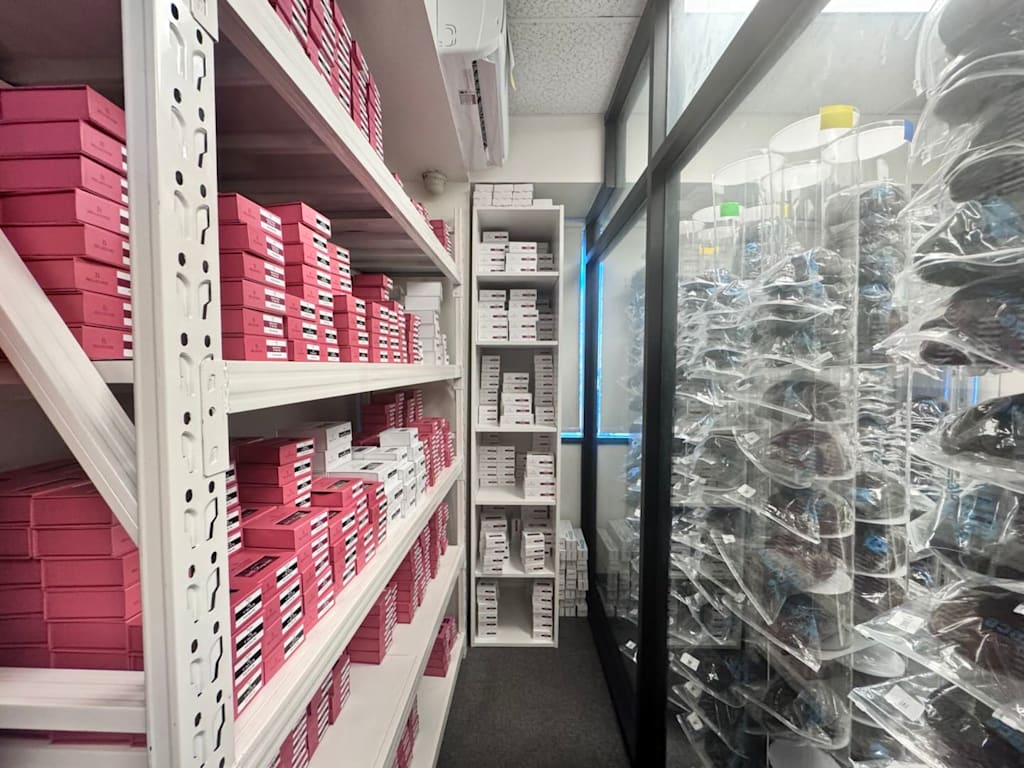
How many hair systems should an HRC order for its first factory purchase
Your first hair system order needs to cover what your clients actually want, but you don't want to tie up all your cash in units that just sit on the shelf. Getting factory direct hair replacement from Newtimes Hair helps you start smart and grow at a good pace. Here, we'll help you figure out exactly how much to order, pick your core stock, plan around lead times, and build a solid relationship with your supplier.
Key Takeaways
First orders should cover expected replacements plus lead-time safety stock based on active demand.
Small HRCs typically start with 15 to 25 units.
Core stock should represent 80% of units in the first purchase.
The First Factory Order Challenge: Balancing Capital Liquidity and Supply Security
Buying straight from the factory drops your per-unit cost. But it also means you're fronting cash before every hair system even has a buyer. A solid inventory plan keeps your most popular items in stock without tying up all your money in boxes sitting on a shelf.
Newtimes Hair easily supports this factory-direct setup. Still, your very first order needs to line up perfectly with your actual demand, restocking schedules, and the cash you have on hand. Those three details dictate the numbers you'll need to crunch next.
Shift from Local Distributors to Direct Factory Sourcing
Local distributors are great for plugging quick holes in your stock. But their wholesale rates eat right into your profit margins. Going direct to the factory knocks down the cost per unit, even though that initial order requires a bigger upfront payment. You'll also need to factor in production and shipping delays.
Rely on distributors for sudden emergencies, not as the foundation of your center's supply. Just ask Newtimes Hair to lock down all the order requirements, production timelines, and quality checks before you commit to a long-term schedule. That's it.
The Cost of Stockouts vs. The Burden of Dead Inventory
Running out of stock pushes back client fittings. It also forces you to scramble and buy urgent replacements at premium prices. Only hold safety stock for hair systems that actually sell on repeat based on your own records. Don't hoard units for rare, one-off requests.
Dead stock just locks up your cash when an odd color or base sits around unsold. Look at your units based on how fast they move, reorder the winners, and handle unusual requests through custom client orders. This keeps your cash flow healthy while making sure your regulars never have to wait.
The Baseline Formula: How to Calculate Your First Order Volume
Your first factory order needs to cover expected replacements during the production window, not just some random number of units. Figure out your starting inventory based on active client demand. Then, add a buffer for the 4 to 8 weeks it might take Newtimes Hair to make and ship a refill order.
Calculating Unit Need Based on Client Replacement Cycles
Start with how many hair systems each active client expects to use per year. Divide that number by 12 to get their average monthly use, and then add up everyone's monthly figures. That's it.
Let's say a client uses four units a year. That means they go through an average of 0.33 units per month. Ten clients on that same cycle add up to about 3.3 units of monthly demand.
Look at your actual client records whenever you can. A center with 30 active clients naturally needs a bigger starting order than a place with 10, even if they both sell the exact same hair system categories.
Adding the Lead Time Safety Buffer
Your safety stock formula has to cover demand while a factory order is getting made and shipped out. Just multiply your average monthly unit use by the lead time in months. Then, add that amount to the units you need for current replacement demand.
A 4-week lead time equals about one month, and an 8-week wait is about two months. So if your HRC goes through six units a month, you'll want to hold onto roughly six to 12 extra units for that window, depending on the confirmed timeline from Newtimes Hair.
Keep your buffer focused on hair systems that see steady repeat demand. Rare colors, unusual bases, and one-off client requests should stay as custom orders. This way, they don't tie up your cash in dead inventory.
The Starter Order Benchmarks: Recommended Sizing by HRC Scale
Your starter order size needs to match your active client base and the cash you can actually tie up in inventory. For most HRCs, 15 to 25 units fits a small practice perfectly. But if you're an expanding center, 35 to 60 units gives you breathing room to cover repeat demand and walk-in consultations.
Keep in mind, these ranges are just starting benchmarks, not rigid rules. Always check your replacement demand and the refill lead time confirmed by Newtimes Hair before you place that order.
Small Clinics and Independent Stylists (15 to 25 Units)
Grabbing 15 to 25 wholesale hair systems gives a new studio enough stock to test the waters with factory buying. You won't tie up too much cash in styles that just sit on the shelf. Just make sure to keep most of those units within the colors, bases, and sizes your current clients ask for the most.
This minimum order quantity is perfect when your client volume is small but steady. Look at your client records to pick the right mix, and save the uncommon specs for custom orders. Plus, a smaller first batch lets you check out Newtimes Hair's quality and see how easy their reorder process is before you scale up.
Established HRCs Expanding Operations (35 to 60 Units)
A growing HRC usually needs around 35 to 60 units once repeat appointments and fast consultation sales start creating steady turnover. Buying wholesale hair systems in this bulk size covers your regular clients, but it also leaves enough on hand for a new person who wants to jump right in after a walk-in consultation.
Build your order around the stock hairpieces that fly off the shelves month after month. Then, use your leftover units for proven variations. Compare that total count against your monthly usage and Newtimes Hair's confirmed refill window. If your demand eats through the buffer too fast, just bump up your next order based on real sales records instead of guessing.
Applying the 80/20 Rule: SKU Allocation for Your First Purchase
Save about 80% of your first factory order for the hair systems your current clients ask for the most. The remaining 20% can cover proven variations without tying up too much cash. Simple as that.
This 80/20 inventory rule keeps SKU management practical while Newtimes Hair backs you up with a steady supply as demand grows.
Base Material Distribution: Skin, Lace, and Hybrid Systems
Start by putting 80% of units into the base types your consultation records already support. If your clinic doesn't have enough history yet, a safe starting mix is 40% thin skin, 30% lace front, and 10% monofilament or hybrid systems. Save that final 20% for less common base preferences that existing clients actually ask for.
Thin skin is usually a smart core choice for clients wanting a close scalp look. Lace front systems deserve a big share when clients care most about a softer front hairline. But keep monofilament and hybrid designs limited until repeat orders prove steady demand.
Check your sales by base type after the first reorder cycle. Then, Newtimes Hair can help you scale the base mix around actual turnover instead of guesswork.
Hair Color and Gray Percentage Breakdown
Put 80% of your color budget into the three natural hair shades most common in your client records—usually natural black, dark brown, and medium brown. Don't spread a small first order across every available shade. Slow-moving colors just sit on the shelf while your core colors sell out fast.
Use the remaining 20% for lighter brown shades and gray blends that match known client needs. Only stock gray percentages where you actually see demand, like for clients who always wear a subtle gray mix or a more visible amount of gray.
Jot down each consultation's shade and gray preference before you reorder. That info turns hair system colors from a giant catalog into a stock plan built just for your clinic.
Balancing Stock vs. Custom Units in an Opening Factory Order
Put at least 80% of an opening factory order into stock styles that your clients already want. This keeps your cash freed up. It also gives your clinic units you can fit right away without waiting for production.
The big difference between stock hairpieces and custom factory orders comes down to speed versus exact specs. Newtimes Hair can handle both. But mixing stock and custom works best when those custom units are tied to actual clients, not just guesses. Simple as that.
Why Stock Units Must Dominate Your Initial Order Volume
Stock units need to make up 80% or more of your first shipment. Why? Because they give a new HRC instant inventory for everyday consultations. Focus on the base types, colors, and gray levels that show up most often in your records. These ready-to-wear hair systems let clients get started sooner. Plus, they lower the risk of tying up money in slow-selling pieces.
Keep the rest of your order small until demand actually proves itself. Having instant inventory on hand also helps your team figure out which styles sell fast before you expand your lineup. From there, Newtimes Hair's steady supply can support reorders based on your actual clinic sales.
How to Handle Custom Client Needs Without Over-Ordering
Only order custom hair systems for a confirmed client whose needs don't fit your core stock. This could be a non-standard base size or a rare hair color. Just record the client's specs during the consultation, confirm their order, and place a direct factory request. Don't waste money adding a bunch of similar units to your shelf inventory.
A custom unit should solve a specific client's need, not a wild guess about future demand. Track every request by base size, color, and repeat potential. If you see the same specs showing up a lot, it might just earn a spot in your next stock order.
Navigating Factory Lead Times and Production Cycles
Reorder stock way before the last few units leave your shelf, not after a client finally asks for one. When it comes to custom work, track the factory's quoted production time. Then, just add the expected shipping time plus a little buffer for delays. Simple.
Newtimes Hair easily handles scalable replenishment. But an HRC really needs to set each reorder date based on their own sales pace and the confirmed delivery window. Doing this stops awkward out-of-stock gaps without piling up way too much extra inventory.
Operational Quality Control for First-Time Bulk Shipments
When those first cartons show up, check every single hair system before putting it into your client inventory. Make sure the quantity, order numbers, and labeled specs actually match your purchase record. See a mismatch or visible damage? Snap a picture right away.
Your quality checks also need to look closely at base integrity, hair direction, color, and density to ensure they line up with your approved sample or original order. Just keep a dated log of your inspections. If anything looks off, report it to Newtimes Hair before you hand those systems over to your clients.
Scaling Your Inventory: Moving from Initial Order to Long-Term Supply Chains
Grab your first-quarter sales and inspection logs to figure out the reorder points for every type of hair system. Make sure to reorder before the supplier's lead time leaves your clients hanging. Rely on your fastest-moving styles and repeat demand—not just guesswork—as your baseline. Simple.
When it's time to scale up, only boost your order volumes for systems that actually sell well and pass quality checks. Keep the slower styles to smaller batches to protect your cash flow. This exact strategy makes Newtimes Hair a great fit for your steady, long-term production needs.
Streamlining Your First Direct Factory Purchase with Newtimes Hair
Your first factory order needs to test client demand. You definitely don't want to tie up too much cash in hair systems that just sit on the shelf. Newtimes Hair helps HRCs out by offering smaller opening quantities. It's a lot easier to start with the styles your clients actually ask for.
A good hair system supplier should also help you dodge expensive ordering mistakes. Newtimes Hair provides order consultations so clinics can pick the right quantities. Plus, they make sure you get consistent quality across all your repeat SKUs.
Frequently Asked Questions About HRC Hair System Procurement
How much does a hair replacement system cost?
Factory-direct units cost less than distributor stock. Price changes with hair type, base, size, density, and customization.
How long does a hair system last?
It varies by base and wear routine. Plan replacements from each client's actual annual usage, not guesses.
What factors affect the price of a hair system?
Hair quality, base material, density, length, color, ventilation, and custom specifications drive the price.
How many hair systems do I need per year?
Use your client records. Divide each client's annual replacements by 12, then cover 4–8 weeks of refill lead time.
What is the difference between a toupee and a hair system?
Mostly language. "Toupee" is the older term; "hair system" usually means a modern, customized replacement unit.
About the Creator
Leo
Passionate men's hairstylist with a keen eye for detail and a knack for creating on-trend looks. Dedicated to delivering hair restoration education that enhances individual style.
Enjoyed the story? Support the Creator.
Subscribe for free to receive all their stories in your feed.
Comments
There are no comments for this story
Be the first to respond and start the conversation.