
How many grams or bundles should I order as hair extension samples before a wholesale launch?
How Many Hair Extension Samples to Order for 2026 Launch

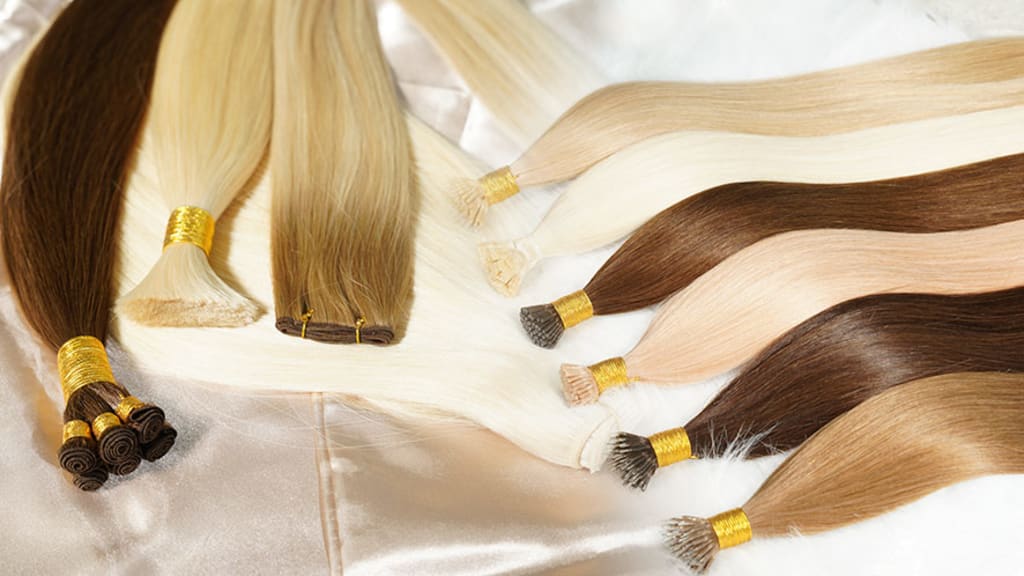
How many grams or bundles should I order as hair extension samples before a wholesale launch?
A hair extension sample order should be big enough to properly inspect the hair, but not so large that it ties up your wholesale launch funds. The minimum grams you need for a sample will change based on the hair type and length you're trying to test. So, start by figuring out if you're checking for texture, color, or if a full set actually works for your customers.
Key Takeaways
Bench tests need 50–100g per texture, length, or construction variation.
Full wear tests need 150–250g for realistic client installations.
Factory MOQs are production requirements, not sample quantity recommendations.
A #613 sample exposes color control, dryness, and thin ends.
Repeatable stress tests reveal shedding, tangling, heat damage, and processing weakness.
Understanding Pre-Launch Sourcing Risks and Sampling Goals
A tiny sample order can set your wholesale launch up for expensive returns and broken trust. If you get too little hair, your team might only check a few strands instead of the actual consistency your buyers will get.
Getting the right sample size helps lower your financial risk. It gives your business enough hair to test the details that actually impact sales: texture behavior, color consistency, length, and whether it works for a full set.
Ordering too little can hide the differences between curly, straight, and longer wholesale hair extensions that your customers really care about. This usually leads to refunds, remakes, and messy stock.
But ordering too much ties up your cash in untested inventory before you even know if the demand is there. Just pick enough hair for your staff to check each intended type and length. Don't buy enough to use as your actual launch stock.
Every sample category has a specific job to do. So, figure out that choice first, and let the gram weight come second.
The Difference Between Quality Samples, Wear Tests, and Pre-Production Approvals
A bench-test sample is just for checking the hair itself before you jump into a bigger review. It should cover every texture, color, and length you plan to sell, but it doesn't need to support a full client install. This is your smallest, most focused order.
A wear-test prototype takes things a step further. Your team can use complete sets during specific client appointments to see how the hair handles, blends, and holds up over time. Make sure to order enough full sets for every planned hair type and longer length, since those can behave a bit differently.
A pre-production approval acts as the final benchmark for your supplier before bulk manufacturing kicks off. When looking at a hair sample vs pre-production approval decision, remember this stage isn't about exploring anymore. You need to confirm the exact texture, color, length, construction, and packaging in writing. Just keep a signed-off reference on file so you can easily check the final delivered order against it.
Manufacturer Minimums vs. Recommended Sourcing Quantities
A factory-direct MOQ (Minimum Order Quantity) is a production rule, not a guide for testing. Sure, a 1kg wholesale minimum might fit a factory's batching needs, but it can easily leave a new buyer holding way more hair than they actually need to evaluate. That's a waste.
When it comes to testing, just order what you need to make your decision. A 100g pack for each texture—along with any length or color that might change your mind—is plenty to cover a bench review. You should save the full sets for your scheduled wear tests.
Treat the MOQ like an entry ticket for bulk production. Then, separate that number from the actual amount your team needs to check texture, shade, and length consistency. If 1kg covers a few different lengths, ask them to put the weight split in writing before you pay. This way, every sample has a clear purpose.
This stops a massive first order from pretending to be a valid quality test, and it keeps your sampling focused right where it belongs: on your assortment decisions.
The 3-Tier Hair Extension Sampling Framework
A sample order needs to answer one clear business question, instead of trying to tackle every decision at once. This hair extension sample framework splits up early screening, full-install wear checks, and catalog verification by grams and bundles.
Using the right sample size helps your team compare suppliers without trapping cash in extra hair. Simple as that.
Tier 1 Bench Test: 50g to 100g for Initial Quality Screening
A 50g hair sample or a single 100g bundle is plenty to screen a supplier's basic quality before you jump into a bigger test. Use this amount for any texture, length, or construction that might sway your buying decision.
Check out the hair's feel, strand alignment, end thickness, and any visible short hairs. Does the texture actually match the supplier's description? For a machine weft, look closely at the seam for a neat, consistent build. Also check if the weft seems way too bulky for the amount of hair.
Ask the supplier to confirm their stated double-drawn ratio, then compare it directly with what's right in front of you. A higher ratio will show more fullness toward the ends, while a lower one might taper off sooner. Record each result by sample code, texture, length, and grams. That makes later orders much easier to compare.
Tier 2 Wear Test: 150g to 250g for Full Installation Longevity
A 150g to 250g order—usually two to three bundles—gives your team enough hair for a real full-head installation. One small bundle simply can't show how the hair behaves once it's spread across a complete service.
Stick to a quantity that matches the final look your client wants. Longer lengths usually need more grams to build a balanced finish. Shorter lengths or finer textures might need less. Your goal isn't to create the thickest install possible—it's to test the exact amount your business plans to sell.
Install the hair using the exact construction you plan to offer, like tape-ins, keratin tips, or a genius weft. Track daily shedding, tangling, and how it holds up during removal. Watch to see if bonds or wefts stay secure through normal washing and styling. This is exactly how you test hair quality under real service conditions before a big wholesale launch.
Tier 3 Range Verification: Color Rings and Texture Consistency
A physical color ring helps you verify if a supplier's shade names actually match the hair your customers will get. Grab it alongside key texture samples, focusing on the shades and finishes you expect to stock first.
Compare the ring against each sample in both natural and indoor lighting. Check the shade depth from root to ends, look for warmth or ash tones, and notice if the texture changes how the color looks. Curly and wavy hair often reflect light differently than straight hair, even when they share the exact same shade label.
Use this step to make sure stock-color RTS options look consistent across the whole catalog. If the ring shows one tone but the sample shows up looking noticeably different, flag the mismatch before you list that SKU or bring it into a client consultation. Keep your approved samples right with the ring. This way, your purchasing and sales teams always work from the exact same reference.
Why Testing Light Shades (#613) Exposes Factory Quality
Light blonde samples show the flaws that dark shades usually hide. Ordering a #613 or #60 bundle right next to dark natural tones gives wholesale buyers a much better look at how well a factory controls their color. It's way easier to spot uneven tones, patchiness, dry lengths, or thin ends on a light shade before it ever reaches a client's chair. Plus, doing this side-by-side comparison helps keep your catalog consistent for future orders.
This step also tests if a supplier's claims actually hold up. If they call a light sample Virgin hair, ask if that label describes the hair before they lightened it. The finished light shade has already gone through chemical processing. For Remy hair, check if the strands stay perfectly aligned when you wash and detangle them. It's just easier to notice bad alignment on lightened hair.
Add one light bundle to your Tier 1 test. Then, repeat that shade in a full-install test if you're planning to stock blonde inventory. That's it. Once your quantities and colors are locked in, write down the exact checks your team will run on every single sample.
The Step-by-Step Hair Sample Stress Testing Protocol
Run the exact same test sequence on every incoming bundle, closure, or weft before committing to wholesale inventory. A solid, repeatable record turns a sample order into hard evidence, rather than just a good first impression.
Use separate samples for destructive checks when you're comparing hair types and lengths. And skip the boil test unless the supplier hands over a safe, written protocol.
Visual Inspection, Pull Testing, and the Fiber Burn Test
Start under bright, neutral lighting. Inspect the bundle from the weft down to the ends, then use your fingers to separate small sections. Write down any short strands, split ends, sudden changes in thickness, and whether the fibers actually point in one direction. Consistent cuticle alignment should help the strands flow together instead of catching and tangling.
Next, do a pull test on a few small sections near the weft and through the lengths. Use steady hand tension, not a hard jerk. Take note of any shedding, breakage, and fibers that stretch or snap differently from the rest of the bunch.
For the burn test, grab a few shed fibers and find a heat-safe surface with good ventilation. Compare how each fiber responds instead of just relying on a single strand. An unusual melt or weird residue can flag synthetic fill. That's a red flag. It definitely justifies a serious review of the supplier.
Wash, Air-Dry, and Heat Styling Longevity Tests
Wash testing reveals if that smooth first touch is just a temporary silicone coating. Take a small, labeled section and wash it with the exact cleanser your salon or fulfillment team plans to use. Rinse it fully, then let it air-dry flat without any leave-in products. Document the feel, curl pattern, shedding, and tangling before and after the whole cycle.
Repeat this wash and air-dry cycle on a second section. You don't want a single handling mistake deciding a big order. Hair that gets rough, mats up through the mid-lengths, or loses its texture once the coating washes off needs a solid explanation from the supplier before you reorder.
Once it's completely dry, test out heat styling on a small piece at the exact temperature used in your service menu. Keep an eye out for tangling, loss of shape, weird smells, or brittle ends. Make sure to record the tool setting and the final result, since one quick pass can't predict every single client's daily routine.
Chemical Bleaching and Processing Integrity Testing
Chemical processing tests the sample's remaining strength, not just the starting color. Keep a separate section aside for a lift test. Have a trained color professional use the exact same controlled bleaching or coloring approach you plan to offer clients. Label the original shade, the product used, processing time, and the final result.
Check the processed hair after it's rinsed and dried. Look closely for gummy strands that don't bounce back, breakage during gentle combing, patchy lift, or a sudden spike in tangling. These changes show the hair might not actually hold up to the chemical processing your customers expect.
Compare it against an untouched control section from that exact same sample. If the bleaching integrity varies wildly between similar bundles, treat that inconsistency as a major purchasing risk. Ask for another sample before you scale up the order. Simple as that.
Optimizing Shipping Economics on Small Sample Orders
Express shipping can easily cost more than those lightweight hair samples. So, make sure to figure out the shipping fee per unit before you place an order. If you're using DHL or FedEx, ask for both the actual weight and the billed weight.
To compare quotes, check the express shipping ratio—just divide the freight cost by the sample order's product price. Finding a lower product price won't help much if shipping eats up most of your testing budget.
Keep your first order focused. For each priority hair type, pick the lengths and textures you actually plan to sell instead of grabbing one piece from every single option. A short, straight sample just can't show you how a long, curly line will hold up. Simple.
Try to bundle your samples into a single shipment if the transit time works with your buying schedule. Splitting things into two light boxes usually means you'll pay the carrier's base fee twice. Keep track of the quotes, arrival dates, and which samples passed your tests so you can decide if you're ready to launch.
Key Decision Triggers to Move From Sampling to Wholesale Launch
You should only start a wholesale launch when your tested samples completely match the line you actually plan to sell, not just because a single piece looks good. Your checklist needs to cover texture behavior, shedding, tangling, color consistency, and length accuracy. Plus, you need to track whether every sample showed up on time and in usable shape. That's it.
Make sure to record your results by hair type and length. A straight 12-inch sample won't prove that a curly 24-inch option holds up. Only lock in a bulk order after every single planned variation passes that same checklist, and your supplier confirms the approved specs in writing. Your pre-production approval has to match your sample records perfectly, right down to the packaging and order details. But if a sample throws a red flag for quality, just reorder that specific variation before you commit to buying inventory.
Streamlining Your Hair Sample Order with Bono Hair
Bono Hair makes sampling easier when your order quantity matches the range you plan to sell. You need to test every hair type, length, texture, and color you want to stock. A single short, straight piece just can't represent a long curly option. It also won't prove the consistency of your entire launch line. That's it.
Get enough units for every planned texture and length through the wholesale sample program. If you're a new brand, you'll need full coverage across your first line. Expanding brands just need to add their new launch variations. Having a physical color ring is a huge help for buyer meetings and client consultations. Once you approve everything, Bono Hair OEM services will plug your exact texture, color, and packaging details right into the custom order.
Frequently Asked Questions About Hair Extension Samples
What is the minimum order quantity for wholesale hair extensions?
There's no universal minimum. A factory may require 1kg for production, but sample testing needs only 50–100g per variation; use 150–250g for a full wear test.
What factors influence the wholesale price of hair extensions?
Hair type, length, texture, color processing, construction, and double-drawn ratio drive price. Blonde #613 and fuller-end bundles usually cost more.
About the Creator
Leo
Passionate men's hairstylist with a keen eye for detail and a knack for creating on-trend looks. Dedicated to delivering hair restoration education that enhances individual style.
Enjoyed the story? Support the Creator.
Subscribe for free to receive all their stories in your feed.
Comments
There are no comments for this story
Be the first to respond and start the conversation.