
How long does a mens hair system normally last
Men's Hair System Lifespan: How Long Does It Last in 2026?

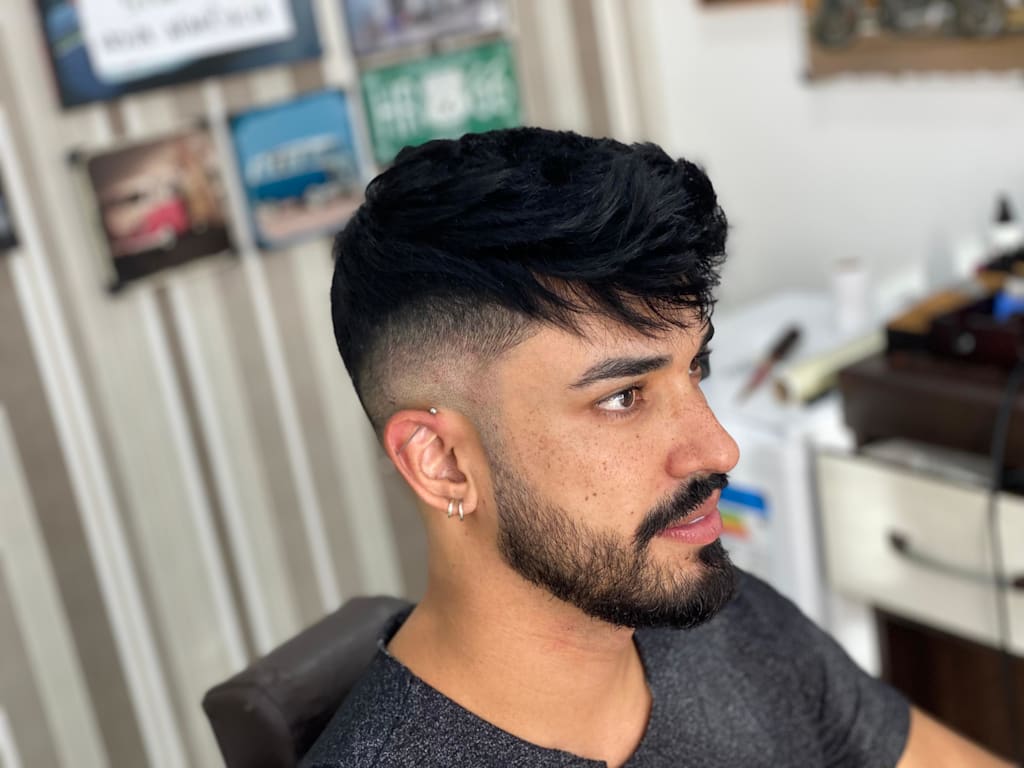
How long does a mens hair system normally last
How long does a men's hair system usually last? It really depends on the base material, how active you are, and how well you take care of it.
You'll need to swap out a Men's Hair System on a regular basis. Sweat, styling, and everyday use naturally wear down the base and hair over time. Here's a quick look at when to replace yours and what it actually costs to maintain.
Key Takeaways
Base type sets lifespan: thin skin lasts 4–6 weeks; reinforced bases last 6–12 months.
Gentle detangling protects the base from premature shedding.
Replace systems when shedding, base damage, or poor blending persists.
The Durability vs. Realism Trade-Off: Average Lifespan by Base Type
The base material actually dictates your replacement schedule way more than the hair itself does. Sure, thin bases hide the edge perfectly. But their lighter build wears out a lot faster when you wash, brush, and take them off.
So, how often should you actually replace a human hair toupee? Expect just a few weeks for ultra-thin skin, a couple of months for lace, and up to a full year for reinforced monofilament or combination bases. Simple.
Ultra-Thin Skin Bases (0.03mm): Maximum Realism with a 4 to 6 Week Lifespan
A 0.03mm skin base gives you the least noticeable hairline because that polyurethane layer sits incredibly close to the scalp. It's built purely for realism, not rough handling. Brushing, cleaning, and taking off a bonded unit will eventually stretch or tear this fragile film.
If you're wearing a Men's Hair System with this specific base, plan on getting about 4 to 6 weeks of good wear out of it. Adhesion and bonding hold the unit securely in place, but they don't magically make the 0.03mm material any tougher. You should pick this option when having a highly natural-looking hairline matters way more than keeping a single unit around for months on end.
Swiss and French Lace Bases: Balanced Breathability Lasting 2 to 4 Months
Swiss and French lace bases generally hold up for 2 to 4 months. That makes them last quite a bit longer than those 0.03mm skin units. The lace mesh lets more air reach your scalp, which feels a lot better if you sweat often or hit the gym regularly.
A lace Hairpiece or Toupee also pulls off a highly natural look because the hair is tied directly through the mesh instead of sitting inside a solid polyurethane block. How long does a lace hair system last compared to skin? You'll easily get several times the lifespan. But remember, the fine mesh can still fray or tear if you handle it too much.
Monofilament and Combination Bases: Maximum Durability for 6 to 12 Months
Monofilament and combination bases are your strongest bet if you want to avoid frequent replacements and save money long-term. These setups use much tougher materials than ultra-thin skin or delicate lace. Because of that, they easily handle everyday brushing, washing, and repeated daily wear.
So, which base material is actually the most durable for hair systems? Monofilament and reinforced combination bases typically go strong for 6 to 12 months. Which hair system lasts the absolute longest? A tough monofilament or combination base is your most practical answer here. Just keep in mind that the thicker build might make your hairline a bit more visible than it would be with an ultra-thin skin base. That's the trade-off.
The Three Core Pillars Determining Unit Longevity
Base type sets the starting point. But construction, Human Hair quality, and daily handling actually decide if a unit reaches its expected lifespan. A natural-looking system can still wear out early if its perimeter or ventilation just can't handle everyday use. Simple as that.
These three pillars highlight exactly where shedding, fraying, and breakage start. Plus, they directly impact how much money you'll keep spending to maintain a good-looking hair system.
Pillar 1: Base Material Construction and Perimeter Design
Base Material thickness dictates how well a unit fights off stretching and tearing. Thin skin and fine lace give you a super stealthy edge, but they don't have much material to absorb the pulling that happens during brushing, cleaning, or taking it off. That's where reinforced sections come in to relieve stress in high-contact spots.
Ventilation matters too. Why? Because every single hair attachment point puts pressure on the foundation. A Hair Replacement System Manufacturer has to strike a balance between a natural density and giving enough support around the perimeter, which is exactly where tape, glue, and daily handling put the most strain.
An overly thin or weak perimeter can fray way before the rest of the base even shows wear. And once that edge starts lifting or tearing, the unit gets much harder to lock down safely.
Pillar 2: Hair Fiber Quality, Processing, and Knotting Techniques
Remy Human Hair usually holds up better since its cuticles all run in the same direction. This natural alignment cuts down on the rubbing between strands that causes tangling, dryness, and breakage. Heavy chemical processing can severely weaken the hair shaft, even if the hair looks perfectly smooth right out of the box.
Hand-tied hair secured with single knots has an actual physical anchor right in the base. Sure, those knots can loosen up over time—especially if you brush often or wash too aggressively—but they're generally much more secure than V-looped hair.
V-looping simply folds hair through a thin skin base without using a traditional knot. It gives a much flatter, incredibly natural look. But here's the catch: those folded hairs can pull free a lot easier when exposed to friction.
Pillar 3: Daily Aftercare Habits and Cleansing Routines
Maintenance & Care often decides if a solid unit actually lasts as long as it should. Friction from towels, pillowcases, tight hats, and rough brushing damages the hair shaft and slowly loosens the knots over time. You should always start detangling at the ends and support the base instead of yanking against it.
Hydration keeps Human Hair from turning dry and brittle. Hair systems don't get those natural scalp oils, so dry strands can snap pretty quickly and end up looking dull—even if the base itself is completely fine.
Wash frequency needs to be balanced, too. Not washing enough leaves sweat, oil, and adhesive gunk sitting near the base, which messes with Scalp Health and ruins knot integrity. On the flip side, washing too aggressively strips out moisture and kicks off a bunch of shedding.
Total Cost of Ownership: Calculating Hair System Cost per Day
You really want to measure hair system costs by daily use, not just what you pay at checkout. A weak base or hair that sheds quickly means you'll have to replace it sooner. Plus, buying things like tape, glue, shampoo, conditioner, and adhesive remover adds up fast. So, what's the average cost to maintain a hair system? There's no single magic number, mostly because everyone buys different supplies and wears their units differently.
To figure out your yearly spend, just use this formula: (number of systems bought x price per system) + care products + attachment supplies + any paid maintenance service. Next, divide that total by 365. If you don't wear a system all year round, just divide by the actual days you had it on. Simple. Try to hang onto your receipts and track when you swap out your units. Doing this separates the upfront purchase price from your day-to-day running costs. It also shows you if being a little gentler with your washing and handling actually makes the hair last longer.
Environmental and Lifestyle Variables That Shorten Lifespan
Daily habits can wear out a hair system faster than you'd expect, even if you clean and store it perfectly. Heat, sweat, pool water, and sunlight put constant stress on the hair and the attachment area.
A good Lifestyle Fit actually accounts for your daily routine and protects Scalp Health, rather than just focusing on the unit's appearance.
Exercise, Body Heat, and Heavy Sweating Impact
A men's hair system will stay on fine during an intense workout as long as the attachment is solid, but heavy sweating definitely raises the risk of the edges lifting. Body heat softens the adhesive, while sweat and skin oils pool up right beneath the base. Check the perimeter after a hard gym session instead of just assuming the bond held strong.
Plus, repeated sweat buildup makes the base and hair a lot harder to clean. Salt residue, friction from towels or baseball caps, and constant washing will slowly loosen the tied hairs over time. Just rinse it out after training, pat the unit dry gently, and clean the attachment zone before that residue messes with your comfort or Scalp Health.
Chlorine, UV Rays, and Color Oxidation Damage
Chlorine and direct sunlight can completely dry out human hair systems and ruin their color. Pool chemicals strip moisture straight from the hair shaft, leaving it rough and super prone to tangles. Rinse the system with fresh water as soon as you step out of the pool. No exceptions.
UV rays also oxidize color pigments, especially in darker hair, which leaves it looking brassy, reddish, or orange. Try to limit long sun exposure when you can, and always use care products made for color-treated human hair. Bad dryness, fading color, and extra shedding are usually the first physical signs that a unit is ready to be retired.
End-of-Life Checklist: Key Signs It Is Time to Replace Your System
It's time to swap out a hairpiece when the damage stays visible even after gentle washing, conditioning, and careful styling. Wondering how often you should replace a hair system? Judge its actual condition instead of watching the calendar. A toupee hits the end of its lifespan when it can't blend naturally at the hairline or stay comfortable, despite your usual care routine.
Watch out for these red flags:
Persistent dryness or roughness: The hair feels coarse, tangles easily, or just won't lie flat after you condition it.
Noticeable color change: Faded, brassy, reddish, or orange tones don't match your real hair anymore.
Ongoing shedding: Loose hairs keep showing up while you gently comb or wash it. This leaves thin patches that end up exposing the base.
Base damage: Stretched spots, tears, curled edges, or broken attachment points make the system harder to secure and way easier for people to spot.
A poor overall blend: Even after a good styling session, the density, texture, or hairline just looks fake in normal light.
Practical Maintenance Tips to Extend Your Hairpiece Durability
A hairpiece lasts a lot longer when you cut down on friction, product buildup, and stress on the base. Proper care protects the fibers and attachment area. This helps the unit keep its shape, color, and natural blend for many more wears.
Grab a sulfate-free cleanser, a conditioner made just for hair units, and a wide-tooth comb. Make sure to rinse everything completely. Blot the hair instead of rubbing it, then just let the hairpiece air-dry on a stand. Heat tools and rough brushing can easily yank out the attached hairs and damage the base.
Store it on a clean stand or inside a breathable container, safe from direct sunlight, dust, and humidity. Before you go to sleep, swim, or work out, always follow the attachment and removal routine meant for your specific base and adhesive.
So, how do you stop hair system damage when your natural hair starts growing back? Keep your real hair clean and detangle it right before reattaching the unit. Simple. Don't force a super tight fit, either. Extra pressure and trapped hairs will only stress out the base.
Does Wearing a Hair System Damage Your Natural Hair and Scalp?
Does wearing a hair system ruin your natural hair? Usually, no. That's assuming the unit is fitted, cleaned, and taken off without yanking on your growing hair. Damage mostly happens when adhesives, tapes, or clips cause constant tension. Or when sweat and leftover grime sit trapped against your scalp.
Your scalp's health and hair regrowth actually rely a lot more on your attachment routine than the simple act of covering your head. A hair piece won't block regrowth. But it can definitely hide issues, making problems harder to spot between maintenance trips.
Every time you take it off, check for redness, itching, flakes, soreness, or broken hairs. Wash your scalp well and peel away any adhesive gently. If you have stubborn irritation, let a trained provider look at it before reattaching the unit. Simple.
Natural hair needs room to grow. So don't attach a system over matted hair, and definitely don't pull it too tight. If shedding or pain keeps happening, take a break from wearing it and go see a dermatologist.
SMP vs. Hair System: Which Option Fits Your Long-Term Lifestyle?
Scalp Micropigmentation (SMP) is a solid choice for people who want a reliable, close-shaved look without worrying about replacing a hair unit down the road. A hair system, on the other hand, makes sense if you want actual length, thickness, and styling options—and you don't mind the regular upkeep.
So, looking at the long run, SMP vs. hair system: which one actually fits your daily life better? It really comes down to one main thing. Do you value a low-fuss scalp that looks the same for years, or do you want the freedom of wearing visible hair?
Choose Based on the Upkeep You Can Accept
SMP doesn't give you actual strands to cut, comb, or restyle. The big perk here is consistency. Your appearance stays locked into that clean shaved look for years. You just have to be sure that's the style you want to rock long-term.
A hair system can change your look much more dramatically since it adds visible hair. But there's a catch. You'll have ongoing costs for maintenance and replacement units, plus the time it takes to take care of them. Still, if you really want to keep a longer hairstyle, that regular commitment might be totally worth it.
Choosing Your Ideal Balance of Durability and Realism with Newtimes Hair
Base design completely changes how natural a Men's Hair System looks at the hairline. It also dictates how often you'll need a replacement. A nearly invisible base gives you a super realistic finish. But a sturdier one is usually the better choice if you want it to last longer.
Newtimes Hair can help you figure out this trade-off. Just keep in mind that no single base design works for every routine or budget. You have to decide what actually matters most to you. Is it a flawless front hairline, easy daily handling, or keeping your replacement costs down?
Compare Wear Expectations Before Buying
Be upfront with your Hair Replacement System Manufacturer about your lifestyle. Tell them how you work out, style your hair, and plan to attach the unit. Make sure to ask how your daily routine, upkeep schedule, and attachment method will actually impact the lifespan of the hairpiece.
Don't just pick a unit based on photos. A highly realistic base that wears out fast will end up costing you a lot more over time. You might be much better off with a tougher option that still gives you the exact look you want.
Frequently Asked Questions About Men's Hair System Lifespan
Are male hair systems worth it?
Yes, if visible hair matters more to you than low maintenance. They deliver immediate coverage, but ultra-thin units need replacing every 4–6 weeks; durable bases can last 6–12 months.
Do you shower with a toupee on?
Yes. Shower normally, but use gentle products and avoid rough scrubbing. Chlorine is brutal on human hair—rinse with fresh water immediately after swimming.
Is a hair system a permanent solution for hair loss?
No. It's an ongoing cosmetic solution, not a cure. You replace systems as they shed, fray, or stop blending naturally.
About the Creator
Leo
Passionate men's hairstylist with a keen eye for detail and a knack for creating on-trend looks. Dedicated to delivering hair restoration education that enhances individual style.
Enjoyed the story? Support the Creator.
Subscribe for free to receive all their stories in your feed.
Comments
There are no comments for this story
Be the first to respond and start the conversation.