
How long does a lace hair system last? A Complete Salon Guide to Client Consultation
Lace Hair System Lifespan: 2026 Salon Consultation Guide

How long does a lace hair system last? A Complete Salon Guide to Client Consultation
How long a Lace Hair System actually lasts comes down to its base construction, daily wear and tear, and the aftercare routine.
For salon and B2B teams, a clear consultation sets realistic expectations for replacements. That's always better than promising a fixed Hair System Lifespan.
We'll break down how to gauge longevity, explain replacement timing to your clients, and keep your service consistent.
Key Takeaways
Lace lifespan reflects base construction, daily wear, and aftercare.
Swiss lace prioritizes an invisible hairline over durability.
Three-to-six-month estimates are guidelines, not guarantees.
Client lifestyle records make replacement timing more realistic.
Adhesive bond schedules differ from the system's base lifespan.
Why the First 15 Minutes of a Hair System Consultation Matter Most
Those opening 15 minutes can stop unrealistic promises and messy re-fit arguments before they even start. A good consultation gives salon teams and distributors the exact details they need to treat hair system lifespan as a realistic window, rather than a rock-solid guarantee.
Find out how often the client wears the piece. Ask about their job, their workout habits, how they style it, and if they're expecting daily removal or extended wear. These answers show you exactly how much stress that lace base will actually take every single day.
Jot those expectations down in the client file and match them up with the right lace type and service plan. Clear notes make sure your whole team gives the exact same advice. Plus, it helps you prep replacement inventory and easily explain why one wearer might need a fresh system way sooner than another.
Technical Base Analysis: French Lace vs. Swiss Lace Durability
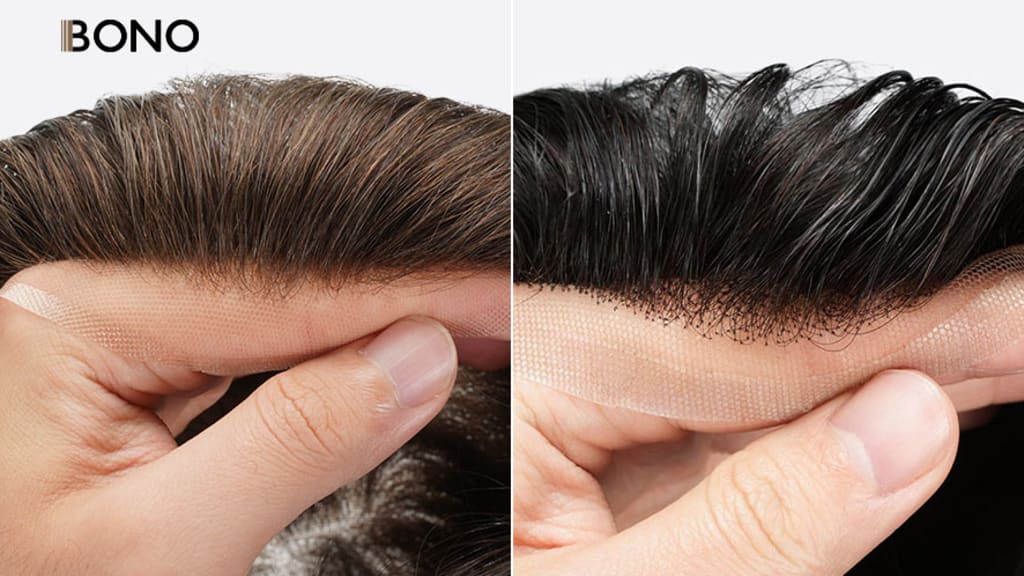
French lace and Swiss lace shouldn't be treated as interchangeable base types when you're setting client expectations. Their mesh construction, base thickness, and openness change how a system feels and where it actually starts showing wear.
The provided technical record doesn't give any measured mesh, thickness, or lifespan numbers. Buying teams need to confirm these details in the supplier specs before making any durability promises. Simple.
French Lace Specifications: Medium Durability for Active Wearers
People often call French lace a medium-durability base, but that label isn't an exact measurement. You'll want to ask suppliers for the actual lace construction details, base thickness, and expected hair system lifespan under their specific testing conditions.
For your active clients, make sure to match the base to their actual daily routine. Frequent workouts, sweating, wearing helmets, or heavy styling can put a lot of strain on the mesh and attachment areas. Your consultation notes need to record these habits. That way, your staff can clearly explain that replacement timing really depends on the wearer's lifestyle, not just the initial price tag.
Swiss Lace Specifications: Ultra-Fine Mesh and Hairline Trade-Offs
Swiss lace is usually the go-to choice when an undetectable hairline is the top priority. But that ultra-fine mesh definitely requires careful handling. Don't just assume every Swiss lace system has the exact same base thickness or lifespan. Instead, ask for the supplier's documented specs for every single version you plan to stock.
A super fine hairline often creates a trade-off in durability, especially when the mesh deals with frequent rubbing, pulling, or constant re-fitting. For B2B planning, it helps to separate your Swiss lace inventory based on client use cases and keep all replacement expectations crystal clear. This cuts down on customer disputes when a delicate hairline base naturally shows structural wear faster than a tougher lace option.
The "3 to 6 Months Rule": Setting Realistic Expectations for Hair Systems
The "3 to 6 months rule" is just a rough guide, not an absolute guarantee. A hair system might need replacing right in that window once the base and hair start showing regular wear. For B2B buyers, you should frame hair system lifespan as a standard service interval. You'll need to check this against the supplier specs and the wearer's daily routine. That's it.
Lace type really matters here. French lace usually offers medium durability. But Swiss lace? Its ultra-fine mesh wears out much faster if it deals with constant pulling, rubbing, heavy sweat, helmets, or daily styling. You can help clients get more life out of their system by teaching them to treat the lace gently and avoid harsh brushing right at the hairline. Make sure to note their daily habits during your consultation. Stock your replacement units based on how clients actually use them, rather than promising a strict timeline.
The Dual-Clock Concept: Base Lifespan vs. Adhesive Bond Interval
A lace hair system actually runs on two different timelines. The lace base itself can easily last for months. But a bonded or semi-permanent attachment needs to be taken off and reapplied a lot sooner. Just because you're swapping out adhesives and tapes doesn't mean the whole unit is dead.
If you run a salon or distribute products, keep these two intervals separate in your client notes and supplier checks. The bond interval is all about attachment security, keeping the scalp clean, and how well the tape or glue holds up. The base lifespan comes down to lace wear, hair shedding, and any tearing around the edges. Sweat, natural skin oils, brushing, daily friction, and the client's overall routine can speed up either clock. They just don't always do it at the same speed.
Primary Longevity Drivers: The 5 Lifestyle Variables That Degrade Lace
A lace base can survive quite a few adhesive changes, but the wearer's daily routine usually dictates how fast the mesh loses strength and hair density. Sweat and nightly rubbing are two lifestyle factors you really need to bring up during client consultations.
Keep track of these patterns for every client. Better maintenance and care advice helps salons cut down on early re-fits. Plus, it helps buyers figure out which lace construction actually suits their customer base.
Scalp Acidity and Sweat Exposure Mechanics
Sweating a lot traps moisture, salt, and scalp oils right against the lace. Over time, this wears down the mesh faster and loosens the hairs. Clients working outside, wearing helmets, or living in hot places deal with this cycle a lot more than people working in an office.
Ask your clients how often they sweat heavily and how quickly they clean and dry the system right after. If you're dealing with hot climates, ask your suppliers what lace construction they recommend and how it handles constant moisture. Write these details down. That way, your staff can tailor care schedules to the wearer's actual routine instead of treating every single re-fit exactly the same.
Friction and Sleeping Habits
Rubbing at night can strain the lace knots and slowly thin out the hair density. This mostly happens around the front hairline and any other spots rubbing against the sheets. Tossing, turning, and sleeping with the system smashed into a pillow puts a ton of stress on the piece, even if the bond stays perfectly secure.
Tell your clients to minimize rubbing while they sleep and to avoid pulling at the hairline if they adjust the system in bed. During every service visit, check the front hairline for shedding or stretched lace before any damage gets too obvious. These routine checks protect the front hairline finesse and give salons a solid reason to tweak the client's maintenance and care plan.
Fiber Selection Impact: Human Hair vs. Synthetic Longevity in Lace Units
Hair type definitely changes how a lace hair system ages, but it doesn't set a hard expiration date on the unit. You can restyle human hair easily enough. Still, if you constantly hit it with heat, dye, and rough brushing, those fibers will dry out and snap. On the flip side, synthetic hair usually keeps its shape right out of the wash. But put it near high heat or let it rub against collars, and it gets rough or visibly ruined pretty fast.
When you're buying wholesale, just match the fiber to the customer's actual lifestyle instead of promising them one material will automatically outlast the other. Ask your suppliers exactly how each type holds up to washing, heat, color jobs, and daily brushing. Then, hand your salons a solid care plan. Make sure it cuts down on heat, stops friction while sleeping, and sets up regular check-ins to spot any shedding or fiber wear. Simple as that.
Chemical Degradation: How Tapes and Liquid Adhesives Affect Lace Integrity
Constantly applying new bonds can weaken a lace base, even when the hair fibers still look fine. Liquid adhesives often leave residue trapped right in the mesh. Plus, strong tapes can easily tug at fragile areas when you take them off. The risk goes way up if a unit gets rebonded before the old adhesive is completely released. It's really that simple.
What to Track Between Refits
For Bonded / Semi-permanent services, make sure to track the lace type, the exact Adhesives & Tapes used, and your removal method. You'll also want to jot down any thinning near the hairline or perimeter. Looking at these notes across different refits helps salons take visible wear and turn it into clear talking points for client consultations.
The Salon Consultation Checklist: Scoring Client Lifestyle Risk Factors
A good client consultation turns basic service notes into a reliable risk score. You shouldn't just be guessing when the lace will fail. Instead, rate your client's lifestyle habits as low, medium, or high risk. You're looking for things like frequent swimming, heavy sweating, daily heat styling, rough adhesive wear, rushed removals, and skipped cleaning appointments.
Next, jot down the lace type, the bond method, and their wear history from past refits. If a client has a lot of high-risk habits, they'll need a shorter replacement timeline and closer inspections than someone with a low-risk routine. Make sure to keep this score in your salon records. That way, every stylist can offer consistent care advice, map out reorder dates, and clearly explain why the expected lace lifespan might shift.
Visual Aging Stages: Timeline of Physical Degradation Over 90 Days
A lace system rarely makes it to day 90 looking like it did on day one. For the first 30 days, keep an eye out for early shedding, lifted knots, leftover adhesive, and frayed edges. These issues will pop up a lot faster if the client sweats heavily, swims, uses high heat, or rushes the removal process.
Between days 31 and 60, hairline thinning and an uneven base usually get pretty obvious. By days 61 to 90, check the Base Thickness for worn spots, stretched lace, and weak edges before you even think about approving another refit. Make sure to track these photos in your client records. Having visual proof backs up your Hair System Lifespan estimates. Plus, it makes recommending a replacement much easier to explain. That's it.
Scripting the Consultation: Answering "Why Does My Lace Last Only 2 Months?"
Two months is actually a pretty normal lifespan for a lace system if the client really wants an undetectable hairline. But you shouldn't ever promise it as a strict guarantee. During the consultation, pull up their dated wear photos and explain a simple truth. Delicate lace trades tough durability for a lighter, barely-there front.
Try saying this: "The lace held up for about two months under your regular routine. Sweat, swimming, heat styling, and how you handle it during removal can easily shrink that window. A tougher lace base might last longer, but the hairline will probably be more obvious." Make a note of the client's habits, set clear expectations for replacements, and make sure you keep both delicate and stronger lace options in stock to match different customer needs.
The Critical 48-Hour Post-Install Rules to Protect the Hairline
The first 48 hours after an install usually make or break if a lace front stays flat or starts lifting early. Clear care instructions protect that front hairline finesse, and they cut down on avoidable re-fit appointments.
Keep the Hairline Dry and Hands-Off
Tell clients to avoid water, heavy sweating, swimming, and steam for 48 hours. They shouldn't shampoo, use a sauna, or tug at the front edge while the adhesive is still settling.
Also, keep styling products and brushes far away from the lace hairline. If they need to fix their hair, they should use a wide-tooth comb behind the front edge instead of pulling up the lace. Put these rules in writing. That's the best way to make sure every wearer gets the exact same advice after their install.
Teaching At-Home Maintenance: Client Education Strategies for Stylists
Teaching clients at-home hair system maintenance works best when every stylist hands out the exact same short, written routine and actually shows them how to do it before they walk out the door. Show people how to check the lace hairline and mesh in a mirror. Then, have them repeat the steps back to you. This turns care advice into a solid salon standard instead of a vague reminder.
Build your handout around everyday handling. Tell them to keep fingers and combs away from lifting lace, detangle gently, and stop right away if the mesh snags or an edge gets loose. Clients should just send a clear photo or book an assessment instead of trying a DIY hairline repair at home. Simple. This Maintenance & Care script helps Bono Hair B2B teams cut down on preventable damage across every single location.
In-Salon Longevity Extension: Knot Sealing and Base Care SOPs
Proper salon upkeep cuts down on needless lace damage as long as every refit follows the exact same routine. B2B teams need to check the lace, peel off old adhesive without yanking the mesh, and note any thinning, tears, or loose knots before putting the piece back on at every appointment.
Only use knot sealing after checking if the supplier actually allows it for that specific lace build. A heavy coat or the wrong formula can easily stiffen the base or leave a weird residue behind.
Keep fine lace and tougher lace in separate service routines because their cleaning and handling needs just aren't the same. Bono Hair partners can track repairs and replacements by lace type to help improve training and plan out new orders a lot more accurately.
Cost-Per-Month Economics: Frame System Replacement Costs for Clients
Explaining replacement costs gets a lot easier when salons break it down into a monthly number, rather than just hitting clients with the full price of a new hair system. How often do you actually need to buy one? Just look at the client's recorded wear time. Then, divide the replacement price by the number of months it lasted. Simple.
So, what's the real cost of a hair system over time? Add up the system's price and the regular salon service fees for that same timeframe. Next, compare that total to the client's planned maintenance budget. If a delicate lace unit wears out faster, the monthly cost might end up being higher than a tougher lace option. Even if the initial price tag was lower.
Keep track of the results based on lace type, wear patterns, and refit history. These records really help Bono Hair clients judge the manufacturing consistency before they go ahead and place bigger orders.
Bono Hair Professional Solutions: Quality Lace Systems for Salons
Bono Hair helps salon professionals match each Lace Hair System to a client's specific wear pattern, refit schedule, and expected replacement budget. Durability isn't just about the upfront price. The chosen base type and how your salon handles it during each service will really impact the system's usable life.
Fine lace bases create a much less noticeable hairline, but they definitely need more careful removal and cleaning. Stronger base types often work better for clients who need frequent refits or just want a tougher option. Make sure to track wear time, shedding, and repair needs by base type. That way, your future orders actually reflect real client results.
Frequently Asked Questions About Lace Hair System Lifespan in 2026
How long do hair systems last?
Usually 3–6 months. Heavy sweat, nightly friction, and rough removal can cut that short.
How long does a glued toupee last on your head?
The glue bond lasts far less than the system itself. Refit when adhesion weakens or scalp hygiene demands it.
How often do you have to buy a new hair system?
Plan for replacement around the 3–6 month mark. Replace sooner if lace stretches, edges fray, or shedding becomes obvious.
How long does a synthetic hair system last compared to human hair?
Neither automatically lasts longer. Synthetic resists shape loss but hates heat and collar friction; human hair tolerates styling but dries out with heat and color.
About the Creator
Leo
Passionate men's hairstylist with a keen eye for detail and a knack for creating on-trend looks. Dedicated to delivering hair restoration education that enhances individual style.
Enjoyed the story? Support the Creator.
Subscribe for free to receive all their stories in your feed.
Comments
There are no comments for this story
Be the first to respond and start the conversation.