
How Does a Toupee Work? A Salon Owner's Guide to Educating Clients and Boosting Sales
How does a toupee work
How Does a Toupee Work? A Salon Owner's Guide to Educating Clients and Boosting Sales
Knowing the basics of hair systems helps salon owners explain the service clearly and set realistic expectations. When a system is matched just right, the result looks completely natural. This instantly boosts a client's confidence and overall look.
For B2B partners, Bono Hair provides a professional lineup that drives high client satisfaction and serious revenue. Understanding how the core mechanics work simply makes consultations much easier. Plus, it helps salons pitch the service with total confidence.
Key Takeaways
Base material determines breathability, hairline appearance, and compatible attachment methods.
Natural results require matched density, hairline shape, and growth direction.
Secure attachment depends on a clean scalp and compatible adhesive.
Permission-based consultations build trust without pressuring clients into a purchase.
Monthly maintenance bookings create more predictable salon revenue.
Why Salon Owners Must Master the Mechanics of Modern Hair Systems
Knowing the ins and outs of hair systems changes a basic appointment into a high-value salon service. If you understand fit, base materials, and attachment options, you can easily match Bono Hair systems to what each client needs. This gives them a natural look that builds real confidence.
Upgrading your service like this also drives business growth through clearer consultations, stronger trust, and way more repeat bookings. Using clear, professional terms is a big deal here. Your male clients need to understand exactly what they're choosing.
Understanding the Terminology: Toupee vs. Modern Hair System
The word "toupee" usually means a traditional hairpiece meant to cover just a small spot of hair loss. But a Hair System is the broader, professional term that modern salons use. It's a hair replacement piece chosen specifically for a client's exact coverage needs and the look they're going for.
Getting the language right makes client consultations a lot easier. It puts natural integration right in the spotlight. The system needs to blend perfectly with the client's own hair, and it's got to fit their daily routine. For B2B buyers, Bono Hair systems easily back up your salon services once your team figures out the right fit, finish, and final look before placing an order.
Anatomy of a Hair System: How the Base and Attachment Work
A hair system works best when its base, attachment, and design all function together. The base sets the foundation, the bond locks it in place, and natural integration stops the edges from standing out.
For salons and distributors, understanding this structure makes client consultations easier and results more consistent. You should always pick the base material first, since it dictates how the piece looks and how it attaches.
Base Materials: Ultra-Thin Poly Skin vs. Breathable Swiss Lace
Poly skin relies on a thin polyurethane layer, while Swiss lace uses a fine mesh. Poly creates a smooth, solid surface that works well for clients who want a highly realistic, scalp-like look. Swiss lace, on the other hand, lets air flow right through the material. That's a major plus for people who need extra breathability every day.
The base material doesn't determine hair density on its own. You can order a hair system with a specific density to match a client's natural hair, but the base does change how that density looks at the hairline. Lace creates a softer, faded transition. Poly skin leaves a much sharper edge.
It's smart to keep both options on hand since client needs vary. A good consultation compares the look the client wants, their daily routine, and the attachment method your salon plans to use. Doing this makes natural integration a guarantee rather than a guess.
Scalp Attachment Mechanics: How Medical-Grade Adhesives Secure the Base
Liquid bonds and double-sided acrylic tapes lock a hair system down by sticking the base to a clean scalp. The adhesive has to match both the base material and where it's being placed. A strong hold actually comes from even contact across the scalp, not from piling on extra glue.
Liquid bond dries into a flexible layer. Acrylic tape comes in pre-cut strips, which speeds up salon workflows and keeps placement consistent. Both options are safe for direct skin contact only if the supplier specifically says they are. Remember, "medical-grade" is just a marketing term, so always check the actual product instructions.
For everyday salon operations, pay attention to hold consistency, cleanup time, and if the attachment fits the client's lifestyle. Keeping clear records of the exact base and bond used helps your staff nail the service every single time.
Natural Hair Integration: Blending Density, Hairline, and Growth Direction
Natural integration is all about matching the system to the client's existing hair. The density you choose shouldn't overpower fine or thinning hair on the sides, and the hairline shape needs to fit the person's natural pattern. When these elements line up, the blend becomes practically invisible in everyday life.
Hair direction matters just as much. A pro stylist will position and cut the hair so it follows the client's natural forward, side, or crown movement instead of fighting against it. This helps the system look like a seamless part of the haircut from any angle.
Salons need to assess the client's perimeter before ordering, and then check it again during the fitting. Writing down density preferences, hairline shapes, and growth directions sets a clear standard for your team. It also helps distributors guide their accounts toward the right hair system orders.
Overcoming Client Hesitations: Handling Common Hair Loss Objections
When clients first ask about visibility and security, they aren't usually pushing back. They just want proof. A solid Consultation Strategy flips these questions into simple, practical choices. It also helps salons build real Client Loyalty by setting honest expectations from the start.
Walk your clients through how the chosen base, density, hairline, and growth direction will blend with the hair they already have. You need to explain that a secure hold relies on a clean scalp, the right attachment method, and a proper fit. But never promise that a single bond will work perfectly for every lifestyle.
If a client gets anxious that people might notice their piece, steer the chat back to achieving a natural blend and making sure they feel comfortable. Show them photos of past work (only if you have permission, of course) and break down the aftercare without using complicated jargon. Bono Hair partners can lock in consistent results just by double-checking that the system actually fits the client's specific needs before putting it on. Giving them this kind of calm, fact-based advice simply makes people more comfortable taking the next step.
The Consultation-to-Conversion Framework for Stylists
A hair-system consultation converts much better when it feels like professional care instead of a heavy sales pitch. For salon teams, the goal is simply to help clients understand a natural-looking option while protecting the trust built up over regular visits.
This Consultation Strategy follows a really simple, repeatable path. You notice a possible need, make the system easy to grasp, and then offer a private fitting. And it all begins right during an ordinary haircut.
Step 1: Identifying Hair Loss Candidates Without Stigma
Stylists can spot potential hair-system clients just by watching for thinner coverage, a widening part, or spots the client constantly tries to hide while styling. But keep in mind, these observations aren't a diagnosis. Stay focused on appearance goals and the look the client actually wants from their haircut.
Always ask permission before bringing up the option. Try something like, "Would you like to see a non-surgical way we can create fuller coverage?" If the client says no, just continue the service normally. Simple. When they do show interest, explain that a separate consultation gives them privacy and plenty of time to consider a hair system without any pressure. Train every team member to use this same respectful language.
Step 2: Educating Clients with Visual Base Samples and Demonstrations
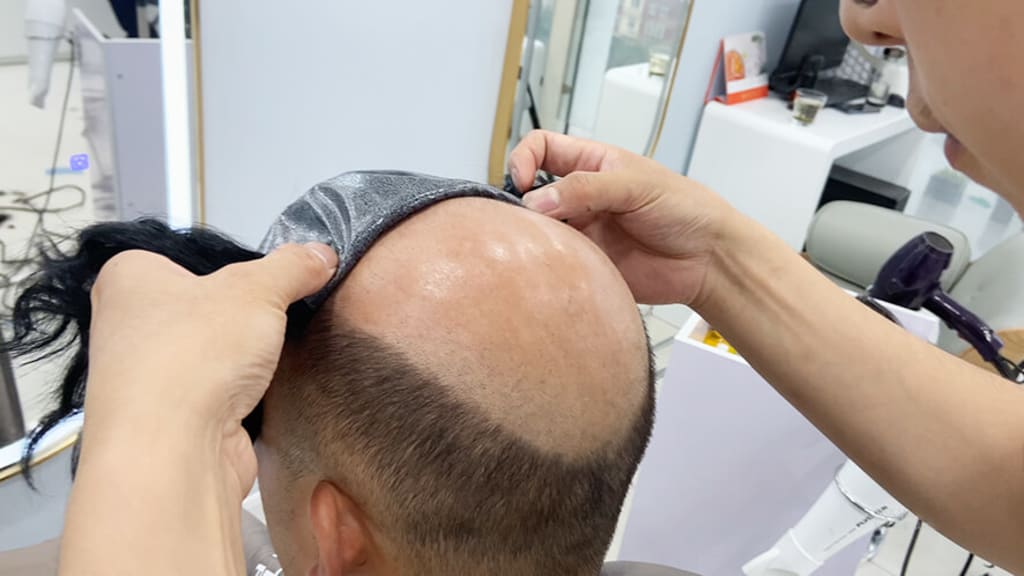
Physical samples make hair systems way less abstract. Let clients hold a Bono Hair base sample, see how it sits under the hair, and compare it with a finished piece. This gives them a much clearer picture than just talking about it. That's especially true when they're unsure how a toupee can actually blend with the hair they already have.
Demonstrate the visible details that create a natural result, like hair color, density, hairline placement, and the blend around the sides and back. Keep the explanation plain. Clients don't need fancy technical terms. They just need to understand what they'll see in the mirror and what regular maintenance actually involves. Plus, a hands-on Client Education process helps salons avoid rushed, poorly matched fittings.
Step 3: Establishing the Consultation Script and Soft Sell
A soft sell gives clients total control over the decision. Use direct, low-pressure language like: "If fuller coverage is something you've been considering, I can show you an option during a private consultation." This frames the fitting as a helpful service, not a commitment to buy right then and there.
Ask practical questions to figure out if a full fitting even makes sense. Try asking, "What would you like to change about your current look?" or "How much time do you want to spend styling your hair every day?" If the client is interested, offer a specific appointment window and explain exactly what the fitting covers. Ultimately, this Consultation Strategy leads to better client choices, fewer mismatched expectations, and more repeat service opportunities for the salon.
Building a Recurring Revenue Model Through Maintenance Services
Hair systems can turn a single fitting into steady maintenance revenue. Regular haircut appointments? They usually follow a much looser pattern. For salon owners, the real value isn't just the upfront price of the system. It's the ongoing service relationship. Think refits, cleanings, and quick appearance checks. This keeps clients loyal and gives you steadier profit margins.
Looking at a 12-month comparison makes this growth opportunity a lot easier to see.
Financial Comparison: Standard Haircuts vs. Hair System Retention
A monthly refit schedule creates 12 booked service spots over a year, and that's before even counting the first fitting. A standard haircut client is great, but they don't always come back on a strict timeline. Because of that, your annual revenue from them just depends on your salon's average visit count and ticket price.
Try using a simple 12-month worksheet. Your haircut revenue is just the average cut price times the client's yearly visits. Hair-system revenue is the fitting price plus 12 monthly maintenance fees, along with any replacement systems sold during that time. This breaks down the cash flow without forcing a strict replacement schedule that might not work for every single wearer.
Maintenance only actually boosts your profit margins if your salon handles each refit efficiently. Book the next appointment before the client even walks out the door. Track the price, time, and supplies used, then keep an eye on missed visits and rebooking rates. When you look into Bono Hair systems, make sure every option gives the client a natural look. Consistent results keep clients coming back. That makes your business growth much easier to predict.
Daily Operations: Managing Inventory, Fittings, and Booking Workflows
Daily operations run a lot smoother when fittings and maintenance appointments use separate, predictable time blocks. Just set aside a longer consultation slot for every first fitting, then schedule shorter maintenance visits around the wearer's agreed service plan.
Booking management needs to show the appointment type, allotted time, system details, and required supplies before the client even arrives. Keep a ready-to-use inventory list right beside the calendar. That way, staff can easily check what's available before offering a fitting. It's really that simple.
At checkout, book the next visit and log the completed service along with any adjustments. Clear roles keep the schedule moving: the front desk confirms bookings, stylists update service notes, and the client-facing team follows up on changes. This protects your chair time. Plus, it helps clients get consistent, natural-looking Bono Hair results.
Training Your Salon Team to Spot and Elevate Client Opportunities
Front-desk staff and junior stylists don't need to diagnose hair loss. Just give them a simple rule: when a client asks about fuller-looking hair, coverage, or a natural solution, offer a private consultation with your trained specialist.
Get the team engaged by practicing low-pressure phrases every week, then log each referral right in the booking notes. This extra step keeps handoffs respectful and consistent. The specialist gets the client's exact concern and preferred appointment time. It helps Bono Hair services reach the right people, while owners easily track referrals, consultations, and finished fittings.
Addressing Lifestyle Concerns: Durability and Wearability
People want straight, honest answers before they invest in a hair system. Just let them know that working out, showering, and sleeping won't ruin their routine. It all works out fine as long as the piece is fitted right and they stick to your salon's care plan. Simple.
Make sure to set the right expectations during that first chat. Lots of sweat, constant washing, and a highly active schedule usually mean they'll need to come in for maintenance or reattachments a bit sooner. Being upfront like this keeps the hair looking natural and cuts down on completely avoidable refits. But for salon owners, your supplier is just as big a deal. Pick premium manufacturing partners who actually build things consistently. It helps your team give clients the reliable, everyday wearability they expect.
Service Elevation: Transforming Your Salon into a Specialist Hair Hub
Offering non-surgical hair replacement gives your salon a clear specialty that the usual local cut-and-color places just don't have. Looking at 2026, this Service Elevation sets your team up as a trusted spot for clients who want a natural solution and real, ongoing support.
The commercial value really hits when you factor in repeat consults, fittings, maintenance visits, and word-of-mouth from happy clients. Simple as that. Good assessments and steady results protect their confidence while building a much stronger path for Business Growth. But to actually deliver that kind of care every single time, you need a craftsman-led hair system maker that guarantees consistent quality—like Bono Hair.
Partnering with Bono Hair for Premium Hair Systems and Support
When salons have a reliable supplier, hair replacement becomes a repeatable service instead of just a one-off sale. Bono Hair helps B2B partners get hair systems that actually look natural. This gives clients a better finish and a lot more confidence.
Consistency is everything. Stylists need dependable materials and a predictable finish every single time a client sits in the chair. Before you jump in, ask Bono Hair about their partner ordering, training, and account support. Good communication with your supplier cuts down on re-fit issues and keeps clients happy. Plus, it protects your profit margins through regular maintenance and repeat business.
Frequently Asked Questions About Hair Systems for Salons
How long does a modern toupee last?
No fixed lifespan. Base material, attachment, and aftercare drive replacement timing.
Can you shower or swim with a toupee on?
Yes. A clean scalp and compatible adhesive are non-negotiable.
How much does a high-quality hair piece cost?
There's no single price. Custom fit, base, density, and hair type raise the cost.
How can salon owners improve client retention through education?
Yes—show samples, explain aftercare plainly, then book monthly maintenance.
About the Creator
Leo
Passionate men's hairstylist with a keen eye for detail and a knack for creating on-trend looks. Dedicated to delivering hair restoration education that enhances individual style.
Enjoyed the story? Support the Creator.
Subscribe for free to receive all their stories in your feed.
Comments
There are no comments for this story
Be the first to respond and start the conversation.