
How does a toupee work: A Complete Beginner's Guide to Modern Hair Systems
How Does a Toupee Work? 2026 Guide to Modern Hair Systems

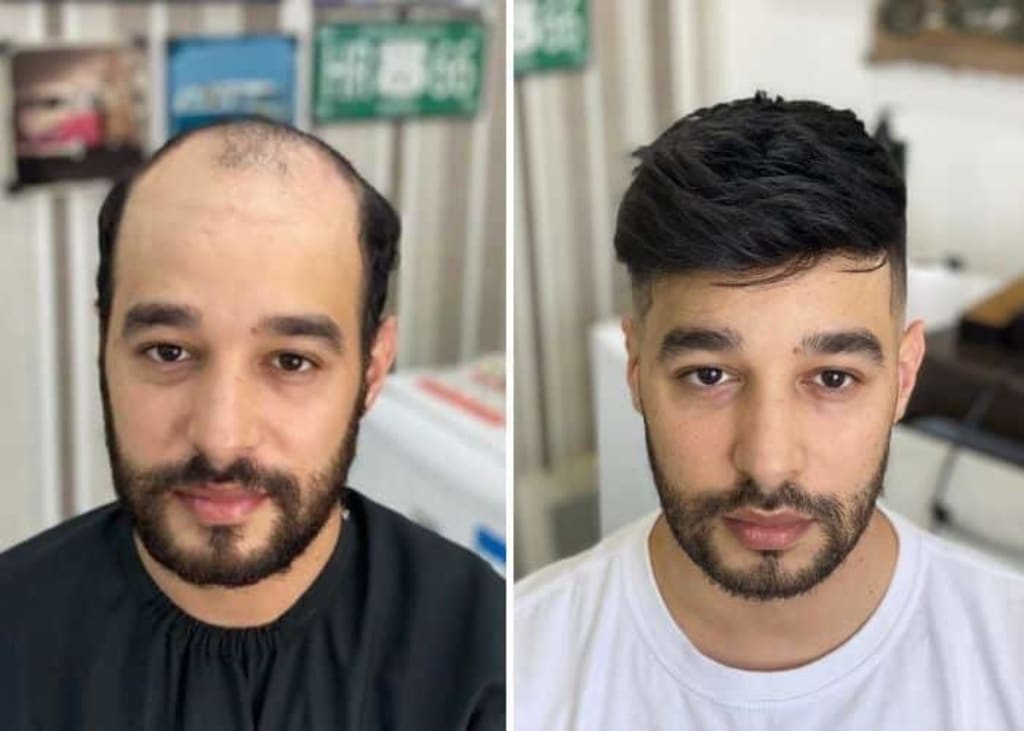
How does a toupee work: A Complete Beginner's Guide to Modern Hair Systems
Hair Systems in modern Non-Surgical Hair Replacement stay locked in place through a mix of adhesive bonding, breathable base materials, and exact scalp contouring. Thin lace or skin bases look just like natural hair growth. And medical-grade tapes or liquid adhesives create a rock-solid hold that moves naturally right along with the skin.
We'll cover exactly how materials, attachment methods, and daily wear all tie together. That way, you can clearly explain the results and pick out systems with total confidence.
Key Takeaways
Modern hair systems use thin bases that mimic natural scalp growth.
Base material choice controls realism, breathability, and durability trade-offs.
Clean oil-free scalp preparation significantly improves adhesive bond longevity.
Liquid adhesives cure into flexible films that move with your skin.
Satin pillowcases reduce friction to protect hair during sleep.
Terminology Bridge: Toupees vs. Modern Hair Systems
A toupee is a type of hairpiece, sure. But modern hair systems rely on completely different base engineering and fit. The main shift is structural. Thinner, contoured bases and exact sizing create a tighter bond to the scalp, giving you a much more natural hair exit.
What Is the Difference Between a Toupee, Wig, and Hair System?
Wigs cover the whole head, while a toupee is just a partial hairpiece meant to sit right over a specific thinning spot. A modern hair system is partial too. But its base is built way thinner and shaped to match the client's actual scalp lines much better.
Structure drives the final look. Wigs rely on full-cap builds, which add volume but can easily trap heat. Older toupees usually feature thicker bases that just sit right on top of the head. Hair systems use ultra-thin lace or skin bases instead. Because of this, individual strands actually look like they're growing straight from the scalp and move more naturally.
Why the Industry Shifted to Modern Hair System Terminology
Let's face it, the word "toupee" or "hairpiece" brings up images of bulky, obvious coverage. The non-surgical hair replacement world moved to calling them "hair systems" to show how the actual structure changed, not just to rebrand the name.
Today's systems are built as custom-fit units with fine bases and totally controlled hair density. This shift is all about precision. Think exact sizing, natural hairlines, and directional air flow. For stylists, the newer name just makes sense for what you're actually fitting on a head—a tailored system that blends right into the client's scalp, rather than some clunky one-size-fits-all overlay.
The Science of Base Construction: How Foundations Function
Base materials decide how a hair system looks, feels, and holds up over time. The base isn't just a simple carrier for hair. Instead, it acts like a second scalp that manages light reflection, airflow, and tension.
Every material changes three clear things: how real the hairline looks, how much heat gets out, and how long the system survives daily wear. That's it.
Polyurethane Skin Bases: Ultra-Thin Invisibility and Scalp Mimicry
Polyurethane (usually called Skin or Poly) gives you the most scalp-like surface by forming a smooth, unbroken film. When it's made ultra-thin—right around 0.03 to 0.06 mm—light passes through it just like real skin. Because of this, the hair looks like it's growing straight out of your head.
But that thinness comes with trade-offs. Breathability drops because there aren't any open holes for air to move through, which traps heat if you wear it all day. Durability also comes down to thickness. Thinner poly tears faster, while thicker versions last longer but look a bit less natural.
If you're a beginner trying to pick the right base material, poly is often the easiest one to grasp visually. What you see is what you get—a clean scalp effect with very predictable density control.
Lace Bases: Micro-Mesh Breathability and Airflow Dynamics
Lace bases rely on a woven micro-mesh structure. This means hundreds of tiny holes keep the air flowing constantly. Heat and moisture easily escape through these gaps, making lace one of the most breathable base materials out there.
This open design also softens the hairline. The knots sit right inside the mesh, so the hair seems to grow irregularly, much like a natural head of hair. The result is a less sharp, much more realistic front edge, especially when you're standing in bright light.
How long it lasts comes down to the weave density. Fine lace looks incredibly real but wears out faster. Meanwhile, slightly thicker lace will last longer, but it might get noticed if someone looks really closely.
Monofilament Bases: Structural Durability and High-Density Support
Monofilament bases use a tighter, stiffer mesh that holds its shape under tension. That makes them perfect for supporting higher hair density without the base stretching out or getting warped while styling.
This structure really boosts durability. Compared to lace, monofilament fights off tearing and keeps its form through endless washing and brushing. That solid stability helps stylists keep the parting and hair direction consistent over time.
Breathability sits right in the middle. Air can pass through the mesh, but definitely not as freely as lace. What you get is a solid balance. It offers strong support with decent airflow, perfect for clients who care most about making the system last and want fuller styles.
How Hair Systems Stay Attached: The Chemistry of Bonding Mechanics
A hair system stays on by mixing chemical bonds with physical grip right at the skin surface. The core idea is pretty simple. Adhesives spread out, anchor down, and fight against movement from heat, sweat, and your daily routine.
Different attachment methods rely on either liquid polymers or pressure-sensitive tapes. Both need close skin contact, controlled surface energy, and flexible bonds that move with your scalp instead of just lifting off.
Liquid Adhesives: How Medical-Grade Acrylics and Polymers Bond
Liquid adhesive creates a thin film that grabs onto both your skin and the base as it dries. Products like ghost bond and other medical-grade glues use acrylic or silicone polymers. These shift from a wet liquid to a tacky feel, and then finally to a flexible solid as the solvents evaporate. That's it.
That cured layer acts a lot like elastic skin. It stretches a bit, fights off water, and holds up against the pulling from brushing or sweating. The bond actually works because the glue fills in tiny bumps and dips in the skin, boosting the contact area and friction on a microscopic level.
Skin oils and humidity are a big deal. If oil blocks the surface, the polymer can't spread evenly. This weakens the bond and cuts your wear time short.
Hair System Tapes: Double-Sided Pressure-Sensitive Mechanical Grip
Hair system tape sticks through pressure rather than drying time. These tapes use pressure-sensitive adhesives and bonds that stay a little bit tacky. So, they grab right onto the scalp and base the second you press them down.
The grip comes down to viscoelastic behavior. The adhesive flows into tiny textures under pressure, then fights against being pulled apart. This builds a strong hold against sliding and lifting while you move around all day.
Tapes also spread out force evenly across the edge of the base. That cuts down on stress points, helping stop peeling at the corners or right along the hairline.
Scalp Preparation: Skin Barriers and Surface Tension Control
Scalp preparation directly controls how well any adhesive is going to work. Clean, oil-free skin boosts surface tension, helping the glue or tape spread into a thin, even layer.
Shaving gets rid of hair that gets in the way of contact. Even short stubble leaves gaps that shrink the bonding area, letting air or sweat sneak in and break the seal.
A skin barrier or scalp protector adds a controlled layer right between your skin and the adhesive. It smooths out the surface and cuts down on irritation. Plus, it usually extends hold time by blocking oils and moisture from ever reaching the bond line.
Engineering Realism: Why Modern Hair Systems Look Natural
Getting a hair system to look natural is all about how it blends at the scalp line and across the whole unit. The goal is pretty simple. You want Human Hair Wigs to act and look exactly like hair growing straight out of skin.
You pull off that effect through controlled density, a precise hairline design, and the exact way each strand is placed and angled during ventilation.
Hair Density Modulation and Graduated Frontal Hairlines
A natural frontal hairline never starts out thick. Real hair grows in softly. You'll see lower density at the edge and a fuller look just a few millimeters behind it. Copying this graduated density is exactly what gets rid of that stiff, uniform "doll-head" look.
Technicians drop the strand count at the very front and build it up in layers as they move backward. This lets light pass right through the edge, so the scalp actually shows up a bit under bright lights. That subtle see-through effect is what your eye picks up as real growth.
They also shape the frontal hairline with tiny irregularities. Instead of a perfectly straight line, small changes in spacing and direction break up the symmetry. That random pattern is a big deal. Why? Because perfectly even spacing is a dead giveaway that a hairline is fake.
Knotting and Injection Techniques: V-Looping vs. Single Knotting
How a strand enters the base decides how much it looks like a real root. Single knotting ties just one hair per knot. This creates tiny, visible anchor points that mimic natural follicles as long as the color match is spot on.
V-looping skips the knots altogether by folding hair right through the base in a loop. That leaves zero visible dots at the root, making the hair look like it's growing straight from the scalp. You give up a little durability for this, but visually, it's a lot cleaner right at the hairline.
Direction is just as important as how the hair gets attached. Skilled ventilation actually angles hairs forward at the front and shifts direction over the crown. When that flow matches the wearer's normal growth and blends with their natural hair, the whole system just disappears in plain sight.
The Physics of Daily Wear: Hydrophobic Bonds and Environmental Stress
Today's hair system adhesives are made to fight off water and sweat while staying completely flexible when you move. The short answer to "Can you swim or shower with a hair system?" is a hard yes—as long as the bond is fresh and put on right. These waterproof glue layers push moisture away, while stretchy polymers soak up little pulls from wind and rubbing without lifting.
Can You Sleep in a Modern Hairpiece?
Yes, you can sleep in a modern hairpiece. Most systems are actually built just for that. The adhesive stays put under the steady, light pressure of a pillow. Plus, the base flexes when you move your head instead of peeling up at the edges.
Friction is the real problem at night. Standard cotton pillowcases rough up the hair and cause nasty tangles at the back of your neck. Switching to a satin or silk pillowcase cuts that rubbing way down, so your strands stay smoother and hold up much longer.
A few easy habits go a long way. Just tie longer hair loosely or toss on a soft wrap to cut down on pulling while you sleep. It's a tiny step, but it protects both the hair and the glue line for the long haul.
Sensory Experience and Scalp Comfort
A well-fitted hair system should feel light and secure, never like a stiff cap just sitting on your head. Most modern bases weigh less than 50 grams. Because of that, clients usually forget they're even wearing anything after just a few hours.
How much your scalp breathes comes down to the base design. Lace lets the air flow right through, keeping things cool during daily wear. This is a huge plus in warmer climates or if you have a busy, active routine. Poly bases do trap a bit more heat, but they feel incredibly smooth against your skin.
When it comes to extended wear, a little warmth and slight moisture buildup are totally normal after a long day. Just stick to a regular cleaning routine and get the fit adjusted when needed. That's all it takes to keep things comfortable and under control for the long haul.
Managing Edge Lifting and Maintenance Scenarios
It's pretty normal to see a little edge lifting after a few days of wear. This usually happens right at the hairline, where natural oils and daily movement start breaking down the adhesive. Your goal here is just to patch up that loose spot. Don't take off the whole hair system. You want to keep the base and the rest of the bonds completely intact.
First, gently lift the edge just enough so you can reach underneath. Then, dab on a tiny bit of solvent or remover to wipe away the old glue. Make sure it dries completely before you put on any fresh adhesive. Press that edge back down smoothly and evenly. After that, just do a quick touch-up so the hairline blends right back into the existing style. Simple.
The Client Transition Phase: Managing Density and Visual Impact
Going straight from thinning hair to full coverage stands out under normal lights. A slow bump in density creates a much smoother blend, especially around the front hairline and crown. Stylists should start out light. From there, just build up that fullness over 2-3 appointments to perfectly match the client's natural growth pattern.
Get the cut and color right first, then tweak the density in tiny steps. Non-Surgical Hair Replacement works best when the base and fibers catch the light just like real hair. That's how you keep the look completely consistent from every single angle.
Client Education and Social Strategy for Salon Professionals
Clear, simple words build trust fast when clients ask about their new look. Most first-time clients really just want to know what they're wearing and how it holds up day to day.
Tell them Hair Systems are basically a breathable base with real or synthetic hair attached, meant to blend right in with their natural growth. Keep things visual. Show them exactly how the base sits on the scalp and moves naturally. When you talk about Non-Surgical Hair Replacement, just focus on comfort, daily wear, and basic upkeep. Short demo videos or a quick mirror-side chat from teams like Newtimes Hair really help clients feel confident enough to share their results online.
Lifespan Dynamics: How Long Modern Systems Last
Most modern hair systems will last you about 3 to 6 months with daily wear. But if you're really careful, some can easily hit 9 to 12 months. How long they survive basically comes down to the base material and hair type. It also depends on your daily routine—like how often you clean it, reattach the unit, or expose it to sweat and UV rays.
Things like heat styling, swimming in chlorine, and rubbing at the hairline will wear the fibers down fast. Plus, lighter hair densities and lace bases usually show their age a lot quicker than those thicker poly builds. Simple.
How Many Weeks Does Hair System Adhesive Last?
Under normal conditions, most clients get about 1 to 3 weeks out of liquid adhesive and roughly 2 to 4 weeks from tape. But an oily scalp, heavy gym workouts, or living in a humid climate will shrink that window fast. In fact, those factors can sometimes cut your hold time down by 30 to 50 percent.
You can find stronger "extended wear" formulas that push past the 3-week mark. The catch? You need strict prep. That means starting with a perfectly clean scalp, giving it proper cure time, and staying away from water for the first 24 hours. Washing it too much, heavy sweating, and sloppy removal will just break down the bond faster and leave a bunch of sticky residue on the base.
Salon Professional Application vs. Home Maintenance Workflows
Getting a first install and a full re-groom belongs in the salon. Precise base trimming, designing the hairline, blending the density, and applying that first bond really need a trained hand and the right tools. Here's how the split works: salon work builds the structure and the look, while at-home care protects it all between visits.
The daily and weekly upkeep stays with the client. That means a gentle wash every 7-10 days, light conditioning, watching the heat, and safely reattaching the unit when the adhesives hit their 1-4 week limits. People wearing Newtimes Hair systems should also brush gently to avoid pulling, and always store their units flat so the base doesn't warp or stress out the hair fibers.
Modern Hair System Base Selection Matrix
Choosing between lace and polyurethane really comes down to how the base handles sweat, oil, and everyday wear. You have to match the material to actual client habits, not just how it looks.
Lace bases breathe incredibly well. They're perfect for active clients, humid climates, or scalps that get a bit oily. The open weave lets heat and moisture out, which keeps the bond a lot more stable during a workout. Polyurethane (skin) bases, on the other hand, create a total seal. So, they work way better for dry scalps, cooler weather, and clients who want a crisp, defined hairline that's easy to clean up.
Treat these base materials as your starting point before getting professional supplies that help you deliver consistent results. Simple as that.
Professional Hair System Solutions from Newtimes Hair
Newtimes Hair sets salons up with solid base materials and ready-to-fit Hair Systems that actually hold up in the real world. The main focus is control. You get stable bonds, lifelike hairlines, and installs you can repeat for completely different client needs.
Their Human Hair Wigs rely on careful hair sorting and strict direction control. That means the density, flow, and the way light hits the hair look totally natural up close. They also build their bases with serious precision. So, the lace breathes right where it should, and the polyurethane seals clean. This helps stylists match a client's scalp without playing guessing games.
Frequently Asked Questions About How Hair Systems Work
Do you shower with a toupee on?
Yes. Modern systems are built for it. Waterproof adhesives and flexible polymers hold through water and sweat. Just wait 24 hours after a fresh bond, or you'll weaken it fast.
How long will a toupee stay on?
1–3 weeks with liquid glue, 2–4 weeks with tape. Oily scalp or heavy workouts can cut that by up to 50%. Push longer only with strict prep and maintenance.
Can people tell if you wear a hair system?
No—if it's done right. Thin lace or skin bases mimic real scalp, and density is controlled. Bad hairlines give it away in seconds. Good systems? People don't notice.
How much does a toupee usually cost?
$200 to $800 for most units. Premium custom systems go higher. Expect replacement every 3–6 months on average, up to 9–12 if you baby it.
About the Creator
Leo
Passionate men's hairstylist with a keen eye for detail and a knack for creating on-trend looks. Dedicated to delivering hair restoration education that enhances individual style.
Enjoyed the story? Support the Creator.
Subscribe for free to receive all their stories in your feed.
Comments
There are no comments for this story
Be the first to respond and start the conversation.