
How Do You Wash and Maintain a Hair System Without Damaging It?
How to Wash and Maintain Your Hair System Safely in 2026

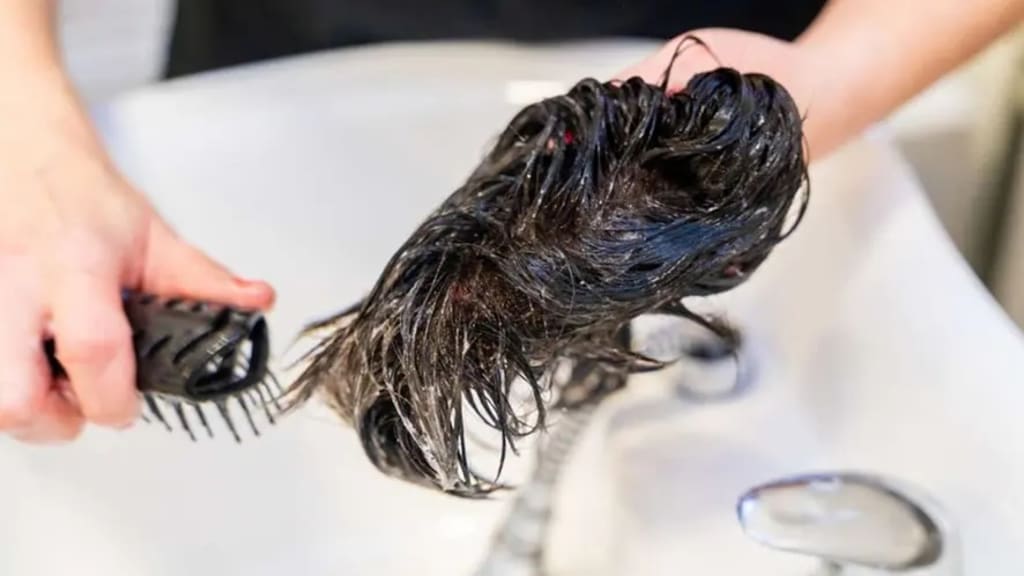
How Do You Wash and Maintain a Hair System Without Damaging It?
Taking good care of a hair system protects the hair, the base, and your client's investment. A simple routine stops common headaches like tangles, shedding, and early wear.
We've laid out the clear washing and care basics for new wearers. You'll also see the major mistakes that can ruin a hair system way before its time.
Key Takeaways
Lukewarm, low-pressure water protects the adhesive bond during attached washing.
Downward smoothing prevents tangles in fragile hair systems during every wash.
Microfiber blotting prevents friction while wet hair is most vulnerable.
Why Is Proper Wash Technique Critical for Hair System Longevity?
Washing a hair system the right way protects the hair fibers and the fragile base. But if it gets washed too roughly? You're looking at tangles, shedding, and wearing it out fast. For your client, taking care of their hair replacement isn't just about keeping it clean. It's about locking in that fresh look and making the unit last.
Think of a hair system like a high-end sweater. Scrubbing it aggressively just damages the material instead of actually cleaning it. Make sure to remind your clients that washing it too much, handling it roughly, or letting product build up will cut its life short. Gentle, routine care keeps it going strong and cuts down on those unnecessary salon trips for refits.
What Are the 5 Fatal Mistakes That Ruin a Hair System?
Five mistakes will wreck a hair system way before normal wear and tear should. The biggest threats? Heat, friction, force, harsh chemicals, and ignoring dry hair.
Because hair systems don't get natural scalp oils, damage piles up fast once the hair or base gets stressed. Make sure to help each client dodge these common slip-ups during their very first care consultation.
Blasting hot water, blow-dryers, or flat irons on high heat dries everything out and snaps the hair.
Yanking hard on tangles or a stubborn adhesive edge loosens the knots and ruins the base.
Scrubbing the hair in circles just mats the strands together. Always smooth your cleanser downward instead.
Slapping on alcohol-heavy or harsh household products strips away moisture and makes the color fade way faster.
Skipping conditioner causes friction, tangling, and shedding. A good conditioner is your best defense against losing hair.
How Should You Prepare a Hair System Prior to Washing?
Prepping right stops most wash-day tangles and keeps a slightly loose edge from turning into a ruined base. Clients shouldn't ever take a hair system straight from daily wear to the sink without checking it over first.
Kick off the prep by looking at the perimeter bond for any lifting, leftover residue, or skin irritation. If an edge is coming up, make sure the client knows not to tug on it while getting the knots out. Grab a wide-tooth comb and work through the dry hair. Start at the ends and move up in small sections. Hold the base right at the roots. This takes the pressure off the knots and fragile lace or poly.
How Do You Wash a Hair System in the Shower?
Wondering how to wash a hair system in the shower? Keep the water gentle, always move the hair downward, and protect the attached base from pulling.
The main goal is getting the hair clean without weakening the perimeter bond or stressing out the roots. That's it.
Protect the Perimeter Bond and Control Water Flow
Keep the water lukewarm and stick to low or moderate pressure. Make sure the spray goes straight from the crown down to the ends. This keeps the bond strong. Hot water can actually soften the adhesive, and a hard spray might push water right under a lifting edge. Tell your client never to point the shower head directly at the hairline or perimeter.
Keep water time down to just what it takes to wash and rinse. Let the water run over the top instead of flipping the hair forward or rubbing the base. If an edge starts lifting, your client shouldn't pull at it. They just need to arrange a refit.
Apply Shampoo with Downward Smooth Strokes
Lather a sulfate-free shampoo in wet hands, then spread it across the top and sides using flat palms. A little goes a long way. Too much product can sit near the base and take forever to rinse out. Just work from the roots to the ends in smooth, downward strokes.
Remind your clients not to scrub in circles, bunch up the hair, or dig their fingernails into the base. Those motions just tangle the strands and put heavy strain on the roots where the hair attaches. Rinse in that exact same downward direction until the shampoo is completely gone, paying close attention to the perimeter.
How Do You Deep Clean a Hair System Off the Head?
Want to deep clean a hair system while it's off the head? First, make sure you get rid of all the adhesive residue before washing or conditioning. If you don't, that glue can spread right across the base and into the strands.
Taking it off to wash gives your salon a clear view of any buildup. It makes gentle cleaning much easier and helps you catch any damage before the next appointment.
Soak and Dissolve Residual Adhesives
Put the unit down on a protected surface and slowly peel off any loose tape. Remember, never pull the tape hard against lace or thin skin bases. Grab a soft cloth, soak it in a liquid glue remover or a citrus-based solvent, and press it onto the leftover residue. Just follow the instructions on the label.
Give the remover time to loosen that glue, then gently lift it away using a soft cloth or your fingertips, working in small patches. Don't try to scrape it with your nails, a comb, or any hard tools. Doing that can easily tear the lace and stretch out the edges.
Keep doing this until the base doesn't feel sticky anymore, then rinse the remover away. Try your best to keep the solvent off the hair itself to stop it from drying out.
Restore Moisture with an Off-Head Conditioning Mask
Once the base is completely free of residue, lay the unit with the hair facing up. Apply a conditioning mask, focusing mostly on the mid-lengths down to the ends. Keep heavy conditioners away from the knots and the base. If you don't, it'll leave buildup and make the hair system much harder to rinse out.
Use flat fingers to smooth the mask downward, then rinse it all out until the water runs totally clear. Don't rub, twist, or pile the hair up on top. Wet strands stretch a lot easier, so you have to be gentle.
Finish things off with a little bit of leave-in conditioner on the lengths if the hair needs some extra softness. The whole goal here is keeping that moisture locked in, not creating a moisture-wicking effect that pulls water away. That's it.
What Is the Best Way to Wash a Hairpiece Without Tangling It?
How do you actually wash a hairpiece without causing a massive tangle? Just keep the hair pointing in one single direction from the start right through to the final rinse. This stops wet strands from wrapping around each other and forming stubborn knots. It's really that easy.
Lay the piece flat with the hair facing down the length. Next, let lukewarm water run straight from the roots down to the ends. You'll want to smooth your shampoo through using flat fingers. Don't ever rub, twist, scrub, or pile the hair up on top of itself. Rinse it out using that exact same downward motion. If you have a lace unit, a knot sealer is a great tool to help lock in those shedding-prone knots right after washing.
How Do You Safely Dry a Hair System Without Strain?
Drying is actually one of the biggest shedding risks right after a wash. Wet knots loosen up, and the hair stretches out way too easily. Using a microfiber towel protects the hair system, but your client has to avoid rubbing, wringing, or brushing it while damp.
The golden rule is pressure without friction. Just blot the moisture out and keep the hair aligned. That's it.
The Microfiber Sandwich Technique for Fragile Wet Knots
Lay the washed hair system flat right between two clean microfiber towels. Make sure the hair stays in its natural direction. Press down with open palms to soak up the water, then just lift the towels straight off. Never rub, twist, or drag them across the hair. Think of it like gently pressing a delicate shirt between layers instead of scrubbing it dry.
For routine hair system maintenance, just let the unit air-dry after you finish blotting. Only grab a soft bristle brush once the hair isn't dripping wet anymore. Support the base with one hand and brush from the ends, working your way up. That little waiting period stops the brush from yanking on soft, vulnerable knots.
What Ingredients Should You Look For and Avoid in Cleansers?
Hair system hair doesn't get natural scalp oils. Because of this, a sulfate-free shampoo is the safer everyday bet for your clients. It cleans the piece without the harsh stripping that leaves processed human hair dry, tangled, and tough to deal with. When stocking your salon, just pick a mild cleanser meant for color-treated or dry hair.
Always check the label before putting it on your retail shelves. Stay away from cleansers that list isopropyl alcohol near the top of the ingredients. It dries out the hair and can actually shorten the lifespan of delicate lace or poly bases. Skip the heavy oils and waxes, too. They just leave a buildup that makes a clean refit much harder. Gentle formulas simply help your clients dodge avoidable dryness between their appointments.
How Often Should Your Client Wash Their System Based on Lifestyle?
How often your client washes their system needs to match their daily sweat, heat, and product buildup. Someone sitting in an air-conditioned office doesn't need as many washes as an active wearer hitting the gym or working outside in the humidity.
Figure out this maintenance schedule right during the consultation. You can always tweak it later if the hair gets dry, looks dull, or if the base starts trapping sweat and grime. Washing too much strips the moisture right out of processed hair. But waiting too long just lets buildup make the next refit way harder. Just remind your clients to tell you if they start working out more, travel, or deal with a weather change so their care routine actually stays practical.
How Do Base Construction Differences Impact Washing Technique?
A Poly skin hairpiece needs the absolute least amount of pulling. Just support the base right in your palm and let water run through the hair. Then, press the shampoo foam down the lengths instead of scrubbing at the edges. Rubbing or twisting will just stretch out a thin skin base and loosen the hair. That's it.
A delicate lace base means you need a different habit. Keep your fingers flat and move straight from the roots to the ends while supporting the lace. And please, don't rake a brush through wet knots. Monofilament units are a bit sturdier, but they still do better with some gentle patting instead of that circular, scalp-style scrubbing. Make sure to teach your clients these differences during their very first wash. It'll stop avoidable shedding and keep the base from getting damaged.
How Do You Troubleshoot Common Wash-Day Hair System Issues?
How do you handle everyday wash-day hair system problems? Start by looking at the root cause instead of just yanking on the unit. If an edge lifts while you're in the shower, stop washing. Pat the area dry and set up a proper reattachment. Pressing a wet edge back down just traps moisture and ruins the hold.
For matte, dry hair, run conditioner through the lengths and gently detangle from the ends up. Stay away from hot water and heavy rubbing. Both of these speed up oxidation and leave the hair looking dull. Notice a bad smell? That usually means moisture or leftover residue got stuck near the base. Make sure to rinse everything thoroughly, dry the base and hair completely, and check for any scalp irritation before the client puts it back on. If the smell or redness won't go away, it's time for a professional to take a look.
What Is the Ideal Storage Routine Between Off-Head Washes?
Storing a clean hair system the right way keeps it safe from tangles, flat spots, and dry-looking lengths while it waits for your client's next maintenance appointment. Your goal here is pretty straightforward. Just keep the base flat, make sure the hair stays smooth, and keep the whole unit out of the heat or direct sunlight.
For solid toupee care, lay the completely dry system hair-side up on a clean mannequin head or a smooth stand. Gently comb the hair right into its natural direction. Then, throw a breathable silk or satin scarf over it. Don't fold the base, don't pile different units together, and definitely don't seal damp hair inside any plastic.
How Can Salons Boost Client Retention with Post-Care Education?
Post-care education gives your salon a reason to stay useful between appointments. When clients actually understand what causes tangling, dryness, or a messed-up base, they're way less likely to blame their custom-fitted system for preventable damage. It's that simple.
Build salon maintenance into every single fitting. Show them the exact care items they need, explain when to book a check-in, and hand them a simple take-home routine. A starter kit makes this advice much easier to follow. Plus, clear coaching cuts down on those frustrating corrective visits. And it gives clients a real, practical reason to keep coming back for maintenance and replacements.
How Partnering with Bono Hair Simplifies Salon System Care
Buying wholesale hair systems from Bono Hair gives your salon a much more reliable baseline for aftercare. Since Bono Hair focuses heavily on strict factory consistency, your team can set clear client expectations right away. You won't have to waste time troubleshooting weird differences between replacement units.
When the base, hair density, and finish match every approved order, your staff can quickly spot real care mistakes. This includes things like rough brushing or skipped maintenance visits. Catching these issues early cuts down on avoidable complaints and extra re-fit time. Just keep each client's specific details on file. While consistent systems can't entirely replace solid client education, they definitely make your salon's care advice much easier to repeat—and easier for clients to trust.
Frequently Asked Questions
Can I use regular shampoo on a hair system?
No. Use a mild, sulfate-free shampoo; regular formulas can strip moisture and cause tangling.
Can I go 7 days without washing my hair?
Yes, if there's no sweat or buildup. Wash sooner after heavy workouts.
Do you take your wig off every night?
No. Securely attached hair systems are designed for extended wear.
About the Creator
Leo
Passionate men's hairstylist with a keen eye for detail and a knack for creating on-trend looks. Dedicated to delivering hair restoration education that enhances individual style.
Enjoyed the story? Support the Creator.
Subscribe for free to receive all their stories in your feed.
Comments
There are no comments for this story
Be the first to respond and start the conversation.