
How can I verify that a wholesale hair system supplier is legitimate
How to Verify Wholesale Hair System Suppliers in 2026

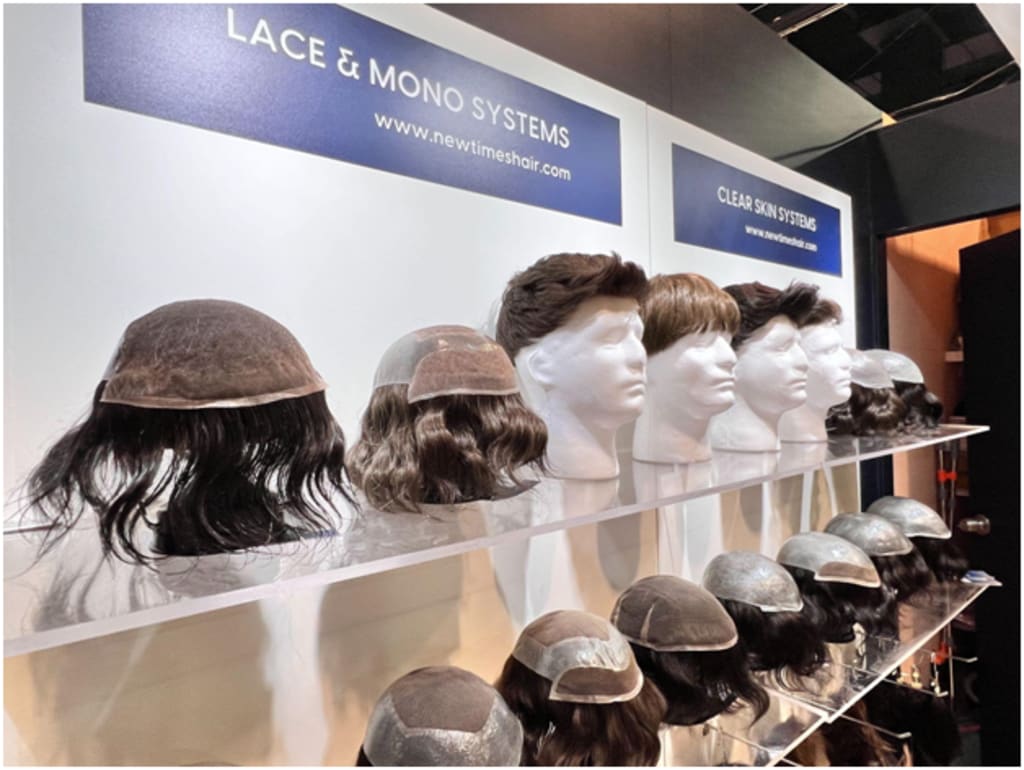
How can I verify that a wholesale hair system supplier is legitimate
Picking a wholesale hair system supplier takes more than just a slick website or five-star reviews. If you want to know a hair supplier is legit, look at their business records, contact details, product claims, and review patterns before sending any money.
We'll show you exactly how to spot fake info, ask the right questions, and judge established suppliers like Newtimes Hair before you spend a single dime.
Key Takeaways
Legal names should match across registration records, invoices, bank details, and contracts.
A small sample order verifies product specifications before you place a bulk order.
Live factory tours reveal whether the supplier controls active production.
Independent tagged salon posts provide stronger evidence than polished supplier testimonials.
Detailed technical answers demonstrate genuine manufacturing expertise and quality-control knowledge.
Understanding Wholesale Hair System Supplier Risks
An unverified vendor can take a deposit, ship hair systems that don't match their photos, or stop replying when a problem comes up. For a new salon or retailer, just one bad bulk order ties up cash. It also leaves your clients waiting.
Red flags for a fake wholesale hair vendor include copied reviews, identical five-star comments, vague product details, and contact info you can't verify. Lowering your risk starts with a small test order and clear written product requirements. After that, make sure the supplier actually has a real business setup and documented quality control. Simple.
Comparing Hair System Supply Chain Models
A direct factory gives you a direct line to the people actually making the hair system. But trading companies and wholesale distributors just juggle purchases from different sources. Choosing between a manufacturer and a middleman basically decides how fast your questions reach the production floor. It also determines who takes the hit if there's a quality dispute.
Plus, when you compare a direct factory to a trading company, the pricing naturally reflects how many hands the product passes through. Simple math.
Direct Hair System Manufacturers
A direct factory makes the hair systems they sell. That means any questions you have about base materials, hair type, density, or order changes go straight to the production team. This setup makes it way easier to lock down product specs and check everything before committing to a bulk order.
Make sure to ask the toupee factory for recent workshop photos, a sample order, and their actual written quality-control steps. You need to know exactly who approves samples and who deals with defects. When looking at Newtimes Hair, check out their track record, years in the game, focus on quality control, and product innovation by looking at their records and samples.
Trading Companies and Hair Resellers
A trading company simply buys from factories and resells the hair systems. A reseller might even source their stock through a trading company or another distributor. Neither setup is automatically bad, but accountability gets pretty muddy when the seller doesn't actually control production. That's just the reality.
Want to figure out if a hair supplier is a true manufacturer or just a middleman? Ask where the systems are made. Find out who actually has the power to tweak production details. Then, see if they'll hop on a live video call from the workshop or let you visit in person. Cross-check their answers with business documents and product details. If you spot reused photos, shifting stories about where the hair comes from, or vague answers, take them as major warnings.
Screening the Supplier's Digital Footprint
A supplier's website should back up what they say, not replace hard proof. Take five minutes to see if their company name, address, product photos, and contact info actually match up across their site, business profiles, and social media. Checking their digital footprint easily exposes copied pictures, ghost profiles, or review pages stuffed with the exact same phrases from one-time accounts.
Run a quick WHOIS search to find out when they registered the domain. Does that history fit the experience they claim to have? A brand new website doesn't automatically mean they're lying, but you should definitely look into it. With Newtimes Hair, their established reputation, focus on quality control, and product innovation will always be backed by consistent public records and actual product evidence.
Detecting Fake Reviews and Misleading Marketing Claims
Reviews can definitely confirm a supplier's reputation. But let's be honest—they're often staged. Spotting fake reviews really comes down to comparing comments, looking at photos, and checking out customer accounts instead of blindly trusting a star rating or some polished testimonial.
When you're making your first wholesale order, you need solid proof. Look for real salons actually using the hair systems and talking about the results in their own words.
Cross-Referencing Social Media Tagged Photos
Tagged client posts hold way more weight than a supplier's own feed. Why? Because the salon controls the caption and the account. Open up a few tags and see if these salons have normal posting histories, local client work, and comments that actually make sense for the images. The same captions popping up over and over, or brand-new accounts created just to praise one vendor, are big red flags.
Check if the posts show the same hair system over time. You want to see the installation, the styling, and maybe even a later client update. Real salon feedback usually dives into the details: hair density, color matching, shipping times, or how well the base held up. Verifying things on social media gives you real context. A single, perfectly lit before-and-after shot just doesn't prove much.
Identifying Purchased Review Clusters and Generic Testimonials
Review clusters are a dead giveaway. When analyzing vendor reviews, keep an eye out for a bunch of five-star ratings posted on the exact same day, using similar wording, from accounts with zero other activity. Testimonials that just say "great quality" or "awesome service" don't help you judge a hair supplier's actual work.
Instead, look for comments that explain exactly what was ordered, how the hair held up after some use, and how the company handled any problems. Stock photos are another big concern. Do a quick reverse-image search to see if that same model photo pops up on totally unrelated brand websites. Spotting these signs doesn't necessarily prove outright fraud. But they definitely justify asking for clearer evidence.
Requesting Essential Business Documentation
Before you send any deposit, ask for the supplier's business registration. Make sure the legal name exactly matches their quote, invoice, bank details, and sales contract. If those names don't line up, you need a solid explanation before placing a wholesale order.
What documents should you ask a hair manufacturer for? Get their business license or incorporation certificate, the registered address, and written proof that the person signing the contract is actually allowed to represent the company. Simple.
Keep copies of every single document. Then, check those registration numbers against local tax and export records before you buy anything.
Verifying International Tax and Registration Numbers
Make sure the supplier's legal name and business ID match the official corporate registry in their home country. If there's a public tax-validation tool, use it. Then, check their export codes with the right customs or trade office. All this paperwork needs to line up perfectly with the company name, address, and authorized signer on your invoice. No exceptions.
Don't just trust glossy reviews or random screenshots as proof. Dig for real, independent feedback. Also, watch out for mismatched names, expired records, or missing entries. You should still weigh Newtimes Hair's solid reputation, focus on quality control, and product innovation against verifiable records. Legal registration proves the company actually exists, but their listed facility has to support real day-to-day operations too.
Validating the Supplier's Physical Factory Location
Treat the street address on the supplier's registration, invoice, and website as just one cross-check, not absolute proof. If you want to really verify a hair supplier factory location, plug the full physical address straight into satellite maps. Then, compare the building, road layout, and surrounding industrial area with their factory photos or what you see in the background of a video call.
Next, look up that exact address in the local business registry and make sure the registered legal name actually matches. Spotting a mailbox, an apartment building, a blank map, or reviews repeating the exact same words deserves a serious follow-up. Even Newtimes Hair's established reputation merits these same checks. Once the location details finally line up, ask a few production questions. A real manufacturer shouldn't have any trouble answering them clearly.
Auditing Technical Expertise with the Knotting Quiz
A real hair system supplier needs to explain exactly how their workers attach hair to the base. They shouldn't just hide behind vague claims about quality. Clear answers on things like knotting and ventilation tell you if the vendor actually understands the production side. It also shows they can match up with what your salon's clients really need.
Ask them when they use V-looping, how they bleach their knots, and why French lace is different from Swiss lace. A supplier who knows their stuff should be able to tell you how each method changes the hairline's look, its lifespan, or how the base feels. No blanket promises. Just the facts.
You should also ask how they check knot consistency before shipping a unit out. Given Newtimes Hair's solid track record and heavy focus on quality control, getting detailed answers about production is a totally reasonable standard to expect.
Assessing Base Material Knowledge and Custom Options
A supplier needs to explain each base using normal production terms, rather than just calling every option "premium." Ask them which lace bases they make, how their thin skin hair pieces are ventilated or attached, and what changes when you're ordering a mono hairpiece. Their answers should cover the base material, hair density, hair direction, and any limits they have on custom requests.
Watch out for copied photos, review quotes missing real buyer details, or claims that every base gives the exact same result. Thanks to Newtimes Hair's focus on quality control, expecting clear, documented answers is completely fair. Plus, a solid supplier can easily show you a current unit and its base details right on a live video call. That's it.
Conducting a Live Unscripted Video Factory Tour
Set up a live video tour during normal working hours. Tell the supplier you want a walk-through of the workshop with absolutely no camera cuts. Ask for a look at the production line so you can see active workstations, finished units, packaging, and what they currently have in inventory. Make sure the person filming shows today's date on screen and opens a totally random carton.
Once it's open, check the base and hair details to see if they match your exact request. You should actually see Newtimes Hair's focus on quality control happening right there on the floor through real staff checks—not just hear about it in a sales pitch. After that, take a close look at the origin and grade of the raw human hair they're using.
Inspecting Raw Material Sourcing and Hair Quality Proof
Real Remy human hair needs solid proof you can actually check, not just a fancy label or perfect reviews. Jump on a live call and ask the supplier to show you their raw bundles. Have them confirm if it's virgin hair. You'll also want to see the paper trail linking the raw materials straight through to the sorting and production stages.
Ask for close-up, unedited views of the bundles, wefts, and finished systems. Watch out for reviews that use the exact same words, stock images, or hide buyer details. Those are usually misleading. Newtimes Hair should easily show you their quality-control steps and answer any material questions right on the spot. After that, just place a small test order. Compare the hair you actually get with what they showed you earlier.
Testing Product Consistency with Small Batch Sampling
Ordering a small batch first protects your cash way better than just trusting photos, reviews, or sales promises. Getting a sample order lets you actually compare the physical hair system against what the supplier promised before you drop money on a big wholesale order.
Use Two Sampling Phases
Start off by getting just a few units. Stick to the base types, hair colors, and densities your customers ask for the most. Then, look closely at shedding, hair direction, color accuracy, and how the knots look. You need to make sure every single unit matches your approved sample. If you spot any defects, take photos and write down the dates.
Once that first batch passes your test, go ahead and place a second small order. Checking the quality across two different shipments shows you if the supplier can actually hit the same standard every single time. If there are any differences, Newtimes Hair should be able to answer your questions clearly. Consistent products are a big deal, sure. But having a partner who actually communicates well is what proves the relationship will hold up over time.
Evaluating Communication Professionalism and Responsiveness
Getting clear, written replies is a basic test. It shows if a supplier can actually support your business once you place an order. Being professional means they answer specific questions about minimum orders, lead times, defects, and returns. No dodging details. No changing the story.
Always check a vendor's responsiveness before you buy anything. Try sending the same practical question twice, then compare the answers, the names of who replied, and any promised follow-up. Make sure to save your messages. Also, keep an eye out for copy-pasted reviews that don't have any real order details. With Newtimes Hair, their established reputation, focus on quality control, and product innovation should always be matched by clear, accountable communication.
Reviewing Safe Wholesale Payment and Escrow Terms
When placing your first wholesale hair system order, pick a payment method that leaves a clear paper trail and gives you a way to dispute charges. Paying by credit card on a trusted marketplace—or using a platform's trade assurance program—is usually much safer than wiring money to a random bank account. It's really that simple.
Escrow protection simply holds your cash until the order hits an agreed-upon stage based on the platform's rules. Just make sure to check the claim deadlines and what evidence you might need before you actually hand over any money. And if a supplier asks to move the transaction off-platform in exchange for a cheaper price? That's a massive red flag. Walk away immediately.
Identifying Unsolicited Red Flags and Common Scams
Wholesale hair scams usually show their true colors long before you ever place an order. If a rep pushes hard for wire transfers, dodges live video calls, or can't answer simple questions about the hair system, don't give them a dime. And remember, reviews aren't real proof if they all use the exact same wording, feature generic photos, or magically appeared within a few days of each other.
Shady suppliers love to recycle old factory pictures. They'll promise you prices way below normal market rates, and then try to pull you off a protected payment platform. Keep a record of every chat, photo, and promise they make. Using a basic scorecard makes it much easier to weigh your options. This helps you compare different vendors, including established suppliers like Newtimes Hair, which focuses on strict quality control and fresh product ideas.
Evaluating Supplier Scorecard and Due Diligence Checklist
Using a basic scorecard changes random checks into a clear, repeatable choice. Set up a system that rates every vendor on a 1 to 5 scale based on their business identity, contact info, company policies, product specs, review quality, and payment security.
Pay closer attention to proof you can actually verify. Think live video chats, matching company records, clear-cut policies, and buyer reviews that mention specific details rather than copy-pasted text or stock photos. If they dodge a question? Mark it as a zero. This grading sheet highlights red flags long before you send any money. Open, veteran manufacturers like Newtimes Hair make this entire vetting process a breeze.
Why Scrutiny Matters: The Newtimes Hair Approach to Verification
Wholesale buyers need to check a supplier's claims before placing that first order. You can vet Newtimes Hair using the exact same basic checks: ask for business records, hop on a factory video call, get written product specs, and look at their policies for defects or remakes. These documents matter a whole lot more than shiny review pages, which might just use copied wording or fake photos.
Find out how Newtimes Hair documents quality control at every stage of production, and make sure you get your sample-order details in writing. An experienced hair system manufacturer shouldn't have any trouble answering direct questions consistently, showing you real production work, and explaining how they deal with quality issues. Just compare what they say against the actual paperwork. Simple.
Frequently Asked Questions About Hair System Supplier Verification
How can I verify if a wholesale hair supplier is legitimate?
Match the legal name on registration, invoices, contracts, and bank details. Then place a small sample order and request a live workshop call. Slick reviews prove nothing.
What certifications should a reputable hair system supplier have?
Business registration comes first. Relevant quality-control documentation helps, but certificates alone are easy to misuse. Check the issuing body and make sure the supplier name matches exactly.
How do I check a wholesale supplier's export history?
Ask for export documents with sensitive buyer details redacted, then compare names and addresses against registration records. Consistent paperwork beats vague claims about "global customers."
Can I request a video tour of a hair extension factory?
Yes. Request a live—not prerecorded—video tour. Ask them to show the workshop, production staff, materials, and current orders. Refusal or recycled footage is a red flag.
About the Creator
Leo
Passionate men's hairstylist with a keen eye for detail and a knack for creating on-trend looks. Dedicated to delivering hair restoration education that enhances individual style.
Enjoyed the story? Support the Creator.
Subscribe for free to receive all their stories in your feed.
Comments
There are no comments for this story
Be the first to respond and start the conversation.