
How can I tell whether a hair system supplier is a factory or a trading company?
How to Tell if a Hair System Supplier is a Factory in 2026

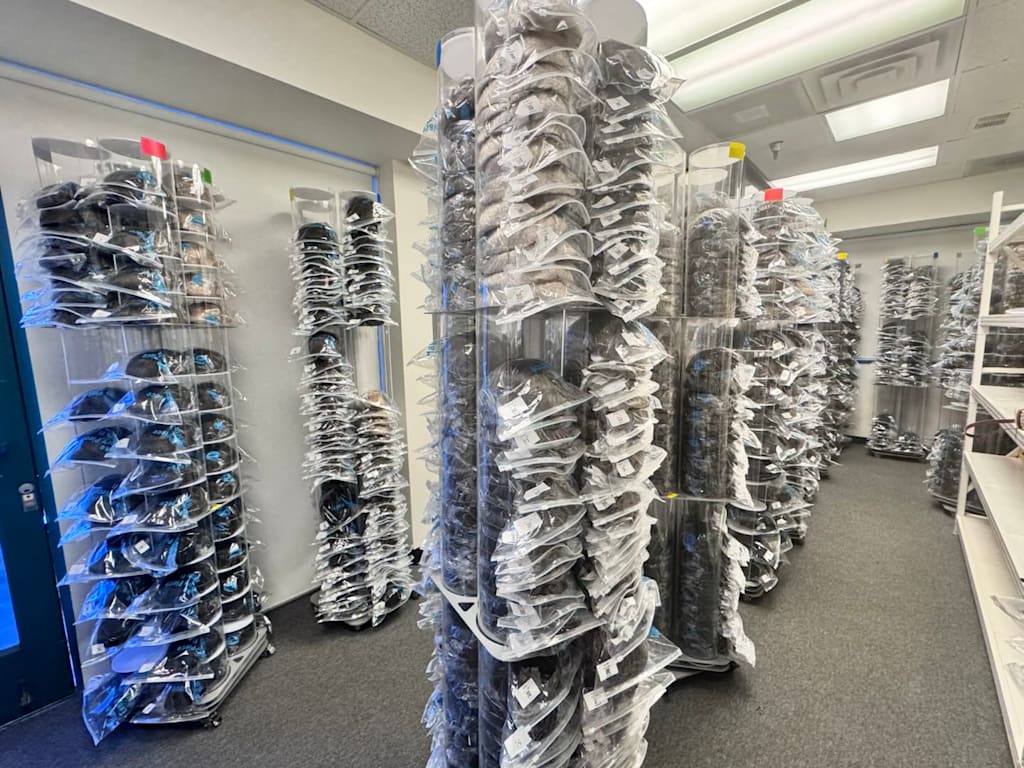
How can I tell whether a hair system supplier is a factory or a trading company?
A hair system supplier might look like a real factory online. But the actual supply chain behind their catalog? That can be a totally different story. We'll show hair business owners how to spot the right factory signals and check out a supplier from a distance. That way, you can pick a source like Newtimes Hair with total confidence.
Key Takeaways
Consistent business licenses with GSXT records confirm documented manufacturing authority before custom orders.
Unscheduled live tours reveal whether raw materials move through active production workstations.
Detailed custom requests reveal factory expertise through practical production follow-up questions.
What Is the Difference Between a Hair Factory and a Trading Company?
So, what's the difference between a hair factory and a trading company? A factory builds the hair systems and takes your order details directly. A trading company just buys from those factories and resells them.
If you're a wholesale hair supplier, this distinction is huge. It changes how you communicate, how you handle order tweaks, and ultimately, who takes responsibility for the final product.
Direct Manufacturing vs. Middleman Reselling: Where Your Money Actually Goes
When you work directly with a manufacturer, your money goes straight to the team making the hair system. That covers the raw materials, the labor, and handling the actual order. The factory price just reflects the cost of production. There's no extra reseller skimming off the top before the product reaches your business.
On the flip side, a trading company's markup pays for their sourcing, chatting with factories, and reselling efforts. That works fine if you just want a massive catalog to browse. But here's the thing. It throws another middleman between you and getting real answers on custom requests. Going straight to a manufacturer like Newtimes Hair makes talking through revisions a whole lot easier.
The Sourcing Risk: Why Verification Matters for Hair System Business Owners
Picking the wrong type of supplier can turn simple, routine orders into a headache. Let's say an agency swaps out their factory or filters your instructions through a third party. Crucial details—like base type, density, hair direction, and when you need it delivered—might get lost in translation.
That communication gap creates a real sourcing risk. A repeat order might not match the original, or a custom piece could require endless back-and-forth before production even starts. Verifying your supplier fixes this. It shows you exactly who owns the order specs and who steps up when things go wrong. Building a direct relationship with a factory like Newtimes Hair gives your business crystal-clear accountability. Simple.
How to Verify a Hair System Supplier's Business License and Legal Scope
A business license shows if a Chinese hair supplier is registered to make hair products, or if they just trade them. It's a simple document check, but it helps you narrow down direct factory prospects.
Just read the Chinese business scope, then confirm that same company record in an official database. This gives your salon or distribution business a much clearer starting point when you compare suppliers like Newtimes Hair.
Ask the supplier for a clear copy of their business license. Match up the legal company name and unified social credit code before you treat any manufacturing terms as solid proof of direct production.
Checking Official Registries Beyond Third-Party Platform Badges
A manufacturer badge on a B2B platform isn't a legal record. Instead, use the GSXT registry—China's National Enterprise Credit Information Publicity System—to search for the supplier's Chinese company name or unified social credit code.
Compare that registry entry with the actual business license. The company name, legal rep, registration status, and Chinese business scope should all match up. An active status shows the company is currently registered. But if you spot a mismatch? Ask them about it directly before placing a custom order.
This check won't prove every single production claim, but it gives you a solid documented base for supplier vetting. And for repeat hair system orders, that paper trail helps you figure out exactly who is legally responsible for the account.
The 5-Minute Live Video Tour: What to Inspect in Real Time
A live video call quickly shows if a supplier actually handles real factory work or just shows off finished samples. Ask for an unscheduled factory tour. Make sure they keep the camera moving through the work areas.
When doing a remote audit, focus on the visible materials and active workstations. Watch the staff handling the exact production steps your orders need. Simple as that.
Inspecting Raw Hair Inventory and Hair Grading Rooms
Start by checking their raw hair sourcing. Ask the supplier to point the camera at unopened bundles, labeled storage spots, and the room where workers sort everything by length, color, and condition. The bulk hair should look like raw incoming material, not just styled systems ready to ship.
Keep an eye out for staff actively checking and grouping the hair. Think of it like seeing the ingredients in a restaurant kitchen before judging the final meal. A reliable supplier like Newtimes Hair will easily show how raw hair moves into their production flow without giving away any secret sourcing details.
Checking Base Mold Curing and Polyurethane Processing
Ask to see the base construction area while on the call. For poly systems, look for molds, shaped bases, and drying areas. You should see workers getting bases ready for the hair ventilation stage. The camera needs to show a real, active working space, not just a neat shelf of finished pieces.
Lace bases need a different kind of handling, so ask to see those materials being cut or prepped separately. You don't need their secret formulas. You just need proof that the factory actually manages the base work for custom orders.
Evaluating Hand-Knotting and Ventilation Oversight
Hand-knotting is one of the best signs of hands-on manufacturing. Have the camera operator show a few workers ventilating hair into bases. Then, ask them to pan across the room so you get a feel for the workshop's true scale.
Look closely for supervisors, work tickets, or labeled production batches right by the stations. These little details prove the supplier actually tracks the knotting process instead of farming it out as an unseen step. A company like Newtimes Hair can use a live walkthrough to help you gauge that production control before you ever add them to your supplier list.
Evaluating Product Specialization and Catalog Breadth
A supplier's catalog can tell you if you're talking to a specialized hair manufacturer or just a business reselling finished goods. A focused partner usually understands the actual production details behind the systems your clients wear.
For a growing hair business, that kind of focus makes comparing suppliers a lot easier.
The "Too Many Products" Signal: Specialist Factory vs. General Beauty Reseller
A weirdly huge product range is a good warning sign. It isn't final proof, but it tells a story. If a single supplier sells hair systems right next to salon chairs, eyelash supplies, nail tools, and random beauty goods, they're probably sourcing from a bunch of outside factories. They aren't managing the hair-system production themselves.
Look for depth, not just a massive catalog. A specialized hair manufacturer should have clear categories for hair systems, bases, hair types, colors, and attachment needs. Take Newtimes Hair. They position their work around hair systems instead of trying to stock every random beauty product a salon might buy.
Testing Custom Base and Off-Catalog Specification Capabilities
Asking for a custom hair system shows exactly how closely a supplier works with production. Try asking for an off-catalog spec. Request a non-standard base shape, specific dimensions, or an unusual hair direction. Then, see if they ask practical follow-up questions before making blind promises.
A factory-minded team will explain exactly what information they need. They'll confirm what can actually be made and give you a clear approval path. A catalog reseller? They might just repeat the listed options or pass every single question down the chain. That alone doesn't prove reliability. But it definitely helps you figure out if Newtimes Hair can handle the custom work your clients need.
Testing Technical Expertise and Operational Response Speed
Real technical knowledge shows up when a supplier gives clear answers to engineering questions instead of firing back a vague sales pitch. Having a direct factory tie makes custom work way easier. Why? Because your team can actually talk to the people who know the production limits.
You should judge Newtimes Hair on how well and how fast they answer, not just the promises they make.
Asking Factory-Level Technical Engineering Questions
Throw them technical questions a standard sales brochure can't handle. For ventilation density, ask how they actually record the requested density. Find out if the density can shift from the hairline to the crown, and exactly what details they need before signing off on the order. Getting clear follow-up questions back from them is a great sign.
Ask about base curing in real-world terms. Which base materials need curing? When does curing mess with production timing? What changes might impact the finished base? A team that's actually plugged into the factory will explain these limits without giving away trade secrets. If you get vague answers or recycled catalog jargon, your question probably got bounced through extra middlemen.
The Sample Speed Test: Prototype Turnaround vs. Warehouse Delays
Doing a quick sample speed test lets you see if a supplier can really pull off a custom request. Ask for a custom color ring or a small base sample. Then, watch how fast they confirm the details, spot missing info, and hand over a realistic timeline. Getting a fast, solid confirmation beats a rushed promise every time.
Look at the sample cost pattern, too. They should explain the charge as a normal sample expense, not bury it in weird, unclear fees. A supplier like Newtimes Hair shows they have real factory access by lining up sample needs directly with production staff. Plus, they'll actually let you know if a custom request just needs a little extra time.
Analyzing Location, Physical Addresses, and Shipping Records
An industrial zone address tells you if a hair-system supplier actually works near the production line instead of just sitting in a regular office building. When you're building a new sourcing relationship, location records and shipping paperwork give you a solid baseline check on how the supplier really operates.
Just ask for the address they use for production or shipping, then cross-check it with public maps and the company details on their export documents. Things like commercial invoices, packing lists, or bills of lading usually point out the real exporter and shipper. Having a China sourcing hub address doesn't automatically prove they own the factory, but when those records match up, it points to a much more direct supply chain. Newtimes Hair can clearly explain its factory connection and exactly how the export process works.
The Hair System Sourcing Reality: Subcontracting vs. Reselling
Subcontracting hair systems doesn't mean a factory has zero production role. A factory might coordinate ventilation workshops, set production rules, check the work, and roll the final hair system into its export process. The real point is who manages the chain, not whether every single ventilator sits under one roof.
A reseller usually just buys finished stock and flips it. But a factory-led supplier can actually explain how their ventilation workshops fit into order control. If you want better sourcing options, ask Newtimes Hair how they handle their factory ties and production flow. That gives your salon business a much clearer look at how things really run.
When Sourcing from a Trading Company Might Still Fit Your Business
Trading companies actually work well for a hair system business if you just need a low MOQ, some mixed ready-to-sell stock, or an easy way to test out a new product category. Plus, they cut down on the headache of juggling things when you're buying from multiple different places at once.
As a reseller, a nice perk is being able to build up your inventory without locking into a single factory's strict production setup. But once your repeat orders and custom requests start piling up, talking directly to a factory makes way more sense. Newtimes Hair gives you a direct line to discuss exactly what you need and map out a much steadier sourcing plan.
The 10-Point Remote Audit Checklist for Hair System Buyers
A remote audit checklist keeps your discovery calls focused on hard proof, not empty promises. When checking out a hair system supplier, you need to see firsthand that they communicate well, track requests, and can handle repeat business right there on the call.
Since Newtimes Hair is a direct factory source, they should have no problem answering every single point.
Double-check their factory address and exact business identity.
Find out exactly who handles production chats.
Ask for a live video tour.
Get their custom-order skills confirmed in writing.
Look over recent product photos or actual samples.
Pin down their minimum order rules.
Ask how they actually track quality checks.
Clear up how they'll update you on lead times.
Get the name of your specific after-sales contact.
Keep a record of all answers, dates, and follow-up notes.
Why Direct Factory Sourcing Drives Salon Profitability
Buying straight from the factory protects your profit margin on every single hair system sale. You're paying the actual producer, completely skipping that extra trading-company middleman. If you're a salon owner looking for a new supplier, this buying route really helps your wholesale profitability. It also makes your direct factory savings a lot easier to track.
Newtimes Hair gives you a direct connection to the production team to handle your order details. Fewer handoffs mean way fewer misunderstandings. And when communication stays clear, planning out client appointments and figuring out your reorder needs becomes so much simpler. It's not a magic guarantee of higher margins. But it definitely gives you a much tighter grip on the costs that shape them.
Partnering with Newtimes Hair for Direct Factory Sourcing
Newtimes Hair operates as a direct factory supplier. This means salon owners get to talk straight to the production team instead of passing questions through middle-men. It makes tracking your order details a whole lot easier before you bring in a second supplier.
But direct sourcing only really matters if you can verify it. Newtimes Hair gives potential partners real, hands-on ways to check out their manufacturing setup. You can even test a custom order before you actually commit. That's it.
Transparent Production and Live Tour Verification at Newtimes Hair
Need proof beyond a basic sales pitch? Just ask for a live video factory tour with Newtimes Hair. A real-time walkthrough lets you point out the exact work areas you want to see. You can ask questions right there while the team is on the floor, so you aren't just trusting a few catalog photos.
Custom hair system samples give you a solid second layer of proof. Send over exactly what your clients need, then check the sample yourself to make sure the look and build match up before placing a big order. Just keep notes on what you asked for, what showed up at your door, and if anything needs tweaking.
Frequently Asked Questions About Hair System Suppliers
Are hair factories cheaper than trading companies?
Usually, yes. Factories avoid the reseller markup; you pay production costs directly. But compare total cost, not a suspiciously low quote.
What documents should I request to prove a supplier is a manufacturer?
Request their Chinese business license and verify it in GSXT. The business scope should show manufacturing, not only sales, wholesale, trading, or import-export.
Is it better to buy hair systems from a factory or a trading company?
Factory, for custom and repeat orders. Direct access reduces lost details on base, density, and hair direction. Traders can help if you need broad sourcing.
What are the signs that a hair supplier is a trading company?
A giant mixed catalog is a red flag: hair systems beside nails, lashes, and salon furniture. Refusal to show live production is worse.
Can a trading company provide better quality control than a factory?
Sometimes. A good trader can inspect factories, but it adds another layer. Direct factories usually own the production records and fix defects faster.
About the Creator
Leo
Passionate men's hairstylist with a keen eye for detail and a knack for creating on-trend looks. Dedicated to delivering hair restoration education that enhances individual style.
Enjoyed the story? Support the Creator.
Subscribe for free to receive all their stories in your feed.
Comments
There are no comments for this story
Be the first to respond and start the conversation.