
How Can I Choose A Supplier That Can Support The Longterm Growth of My Hair Replacement Center
How to Choose the Right Hair System Vendor for Your Brand

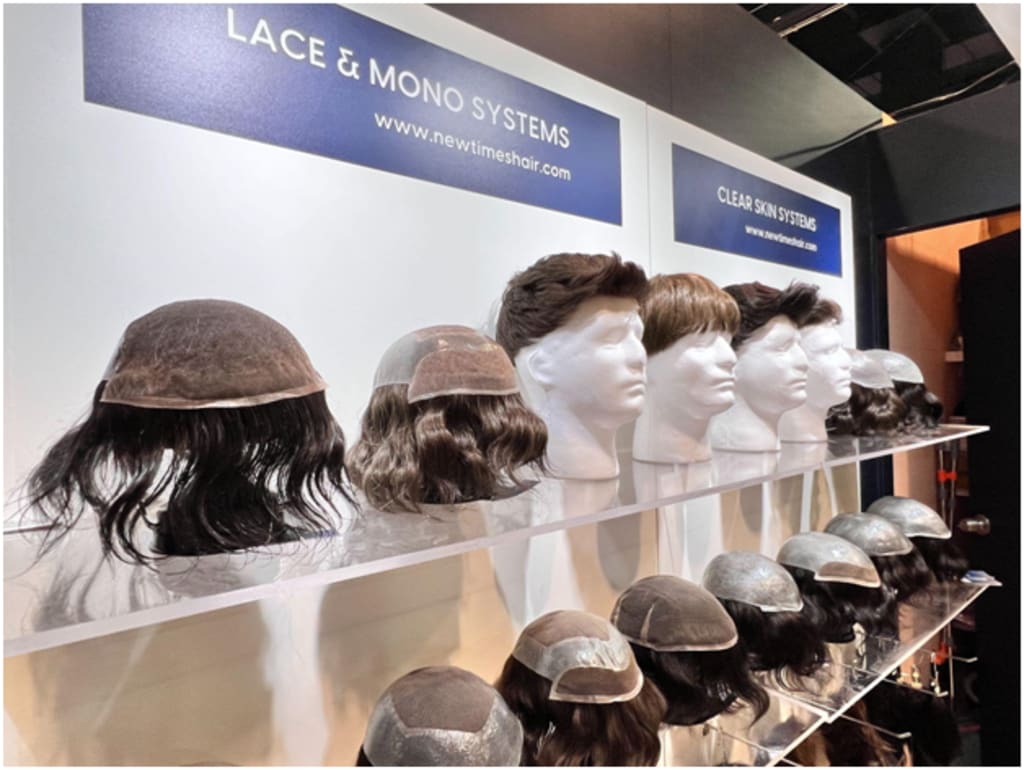
Supply Chain Resilience: How can I choose a supplier that can support the longterm growth of my Hair Replacement Center?
Supply chain resilience really just means keeping your Hair Replacement Systems in stock when your client list grows or a manufacturer falls behind. The right partner keeps your services running without a hitch through reliable quality, straightforward communication, and enough capacity to grow right alongside your center.
Here's how to vet manufacturers, nail down better supply agreements, and stop leaning too hard on a single source—all without messing up your client appointments.
Key Takeaways
Reliable suppliers prove lead times, quality controls, capacity, and communication.
Written contracts define production milestones, delay notices, and remedies.
Dual sourcing protects appointments when custom manufacturers face delays.
Safety stock should cover frequently used systems based on demand.
Supplier audits should score financial stability, delivery history, traceability, and capacity.
The Operational Risks of Weak Hair System Supply Chains
A late shipment does a lot more than just empty a shelf. It forces canceled appointments, pushes back refits, and leaves clients stuck waiting for a replacement system. And if a center leans on just one manufacturer, a sudden production backlog can quickly derail planned growth and force your staff into making expensive rush orders.
Keeping things running smoothly means knowing exactly what's in your inventory and having a backup supply option ready to go. Real risk management is just tracking lead-time changes and protecting booked appointments long before a shortage ever hits the front desk. Ultimately, these pressures turn everyday purchasing into a solid supplier strategy built for growth.
Strategic Sourcing vs. Traditional Hair Vendor Purchasing
Buying transactionally just fixes your next client order. But strategic sourcing actually protects your center's ability to grow. Instead of picking a hair vendor based purely on today's price or what's in stock right now, smart managers look at the bigger picture. They check for reliable lead times, steady quality, good communication, and the ability to handle bigger orders down the line.
Picking the right supplier should also dictate your contract terms. Make sure you set clear rules for order forecasting, production updates, flexible minimums, and fixing problems well before your demand spikes. Experienced center owners usually keep a main supplier and a solid backup on hand. That way, a sudden delay at one factory won't force you to cancel client refit appointments.
The 4 Pillars of Supply Chain Resilience for Hair Replacement Centers
A strong supply chain comes down to four basic things: dependable custom production, repeatable quality, compliant maintenance supplies, and responsive repair support. Together, these protect your client appointments. They also give a growing center enough room to handle more demand without running into avoidable supplier failures.
You should evaluate each standard through written commitments, production records, and actual order performance. Don't just rely on sales promises.
Custom Order Lead Time Management and Rush Capability
Custom lead times need clear definitions in your supplier agreement. Ask when production actually starts. What counts as order approval? How will you get updates? And what happens when a deadline slips? A quoted timeline doesn't mean much if the factory can't show consistent delivery across similar custom orders.
Rush capabilities should be documented way before an emergency hits. Confirm if rush orders actually get priority production. Find out if the supplier sets order limits, and how your center will get confirmation. This kind of agility helps managers protect refit appointments when a client's hair system gets delayed or damaged.
Hair Grade Consistency and Material Quality Control
You need to check quality control across repeat orders, not just judge it off one great sample. Compare incoming Hair Replacement Systems against your approved reference for hair feel, color, density, base condition, and construction. Log any issues by order number. That way, recurring defects are easy to spot.
Ask the manufacturer how their QC team handles inspections, rejected units, and corrective actions. A reliable partner can easily explain who approves the finished systems. They'll also tell you how they stop the same issue from reaching your next shipment. Consistent quality cuts down on remake requests and helps your stylists deliver a predictable experience for clients.
Medical-Grade Adhesive and Maintenance Product Compliance
Adhesives, tapes, removers, and scalp care products can easily disrupt your operations if their labels or compliance records aren't clear. Make sure to ask for current product documentation. Verify that the packaging actually matches the item you ordered, and confirm the supplier can give you lot details when you need them.
Risk management also means setting up a backup plan for discontinued or delayed maintenance products. Keep your approved alternatives on file and train your staff on the center's chosen products. Having reliable access keeps things running smoothly. Why? Because clients can just continue their normal attachment and maintenance routines without a hitch.
Repair Turnaround Times and After-Sales Technical Support
A solid factory repair service can stop a damaged hair system from turning into a missed appointment or a full replacement. Ask your suppliers which repairs they'll accept. Find out how they assess damage, and how they communicate the expected turnaround time before you even send the system out.
After-sales technical support matters just as much. The supplier should give your staff a clear contact path for repair questions, order issues, and production concerns. Simple. Strong support helps you handle disruptions better. It lets your center quickly decide whether to repair, reorder, or adjust a client's service plan.
Implementing a Dual-Sourcing Model to Eliminate Single-Source Dependency
One factory delay shouldn't force your center to cancel a client's refit appointment. Strategic sourcing relies on a primary custom manufacturer for planned work, while a backup supplier steps in to cover urgent replacement needs.
This kind of diversification protects your service continuity. Plus, you don't have to abandon the quality standards your center already set up.
Balancing a Primary Custom Manufacturer with Stock System Wholesalers
Keep the bulk of your planned client orders with one primary custom manufacturer. This matters most when clients need specific base designs, density, or color work. It protects consistency across repeat Hair Replacement Systems and gives the maker a clear view of your center's forecast.
Tap into stock system wholesalers for immediate needs. Think unexpected damage, a delayed custom unit, or a new client who can't wait out a production cycle. Just approve their available systems ahead of time. Then, let your stylists assess the fit, color, and base quality before offering them to clients.
Establishing Safety Stock Buffers for Core Hair Systems
Your safety stock needs to cover the Hair Replacement Systems your center uses the most—not every single size or color you might sell. Look back at completed orders to spot the base sizes, hair colors, and common specs that keep client appointments running smoothly.
Set each buffer level based on actual demand, the time it takes to restock, and how often supplier delivery dates shift. Make sure to recheck your inventory after seasonal rushes, new stylist hires, or a jump in refit volume. That way, reserve units won't tie up your cash without serving a clear purpose.
Key Criteria for Vetting Potential Hair System Manufacturers
A dual-sourcing plan only works if every manufacturer delivers on time and knows exactly where their materials come from. Good Supplier Selection has to test financial health, factory limits, and Transparency before your center starts sending over repeat client orders.
Running these checks cuts down the risk of sudden disruptions. It also protects the quality you expect from every Hair Replacement System. Simple.
Evaluating Financial Stability and Production Infrastructure
Ask for hard proof that the manufacturer won't fold during a crisis. You want to see their business registration, recent trade references, and a crystal-clear ownership structure. If they dodge questions about who owns the factory or how they fund orders, that's a massive Supplier Selection red flag.
Check out the production site in person or jump on a live video call. You need to confirm they actually have dedicated work zones, trained staff, documented quality checks, and enough room to handle your current orders. Then, compare what they claim they can produce against their actual backlog and delivery history.
Verifying Ethical Sourcing and Raw Material Transparency
Always demand a clear paper trail for human hair. That means tracking it from the initial collection, through sorting and processing, straight to the factory floor. Take time to review supplier declarations, purchase logs, consent forms (when applicable), and the specific batch IDs tied to every single Hair Replacement System order.
Real Transparency means getting straight answers if records look spotty. Make the manufacturer walk you through sample documents and point out exactly who keeps them updated. Store those files alongside your supplier reviews. You'll need to double-check them anytime their sourcing channels or processing partners shift.
Assessing Scalability and Capacity for Increased Order Volume
Don't just hand over your entire growth forecast right away. Test their limits with a controlled bump in orders first. Send the manufacturer a larger pilot run using the exact same base, color, density, and finish standards your center relies on. Once those units arrive, inspect every single one against the approved sample.
Be sure to ask about their current workload, how they plan to staff up, and what happens to lead times when volume spikes. A solid partner will tell you exactly what shifts when demand rises. More importantly, they'll show you how their quality checks hold up even as production scales.
The Hair Replacement Center Supplier Audit Scorecard
Before picking a vendor, turn your factory review into a weighted scorecard. A consistent scoring method makes your Supplier Selection much easier to justify. Plus, it ensures a slick sales pitch doesn't overshadow a weak track record.
Score each prospect on a scale of 1 to 5 for financial paperwork, production capacity, delivery history, quality-control proof, and raw-material tracking. Make sure to give more weight to the factors that actually protect your repeat client orders. Then, tally up the results and save your audit notes right next to each score. That's it. This Strategic Sourcing record gives your team a solid foundation for the contract terms you'll map out next.
How to Negotiate Supplier Contracts That Support Long-Term Growth
A solid supplier scorecard needs to become a written obligation, not just a casual promise. Contracts are what actually protect your custom-order revenue when demand spikes or production hiccups pop up.
Strategic Sourcing works best when pricing, delivery duties, and fixes are clear enough to actually enforce. These terms build the operational backbone that keeps your client service reliable.
Securing Service Level Agreements for Custom Lead Times
Get a written lead-time commitment for every custom hair unit. The clock should start the moment the supplier approves the final order details. Make sure the agreement spells out the order cutoff, production start date, shipment date, and exactly how the supplier confirms each step.
Also, include a notice requirement if a delay looks likely. Add a clear fix, like rushed production or shipping at their expense if they miss a confirmed date. Simple. This strategy builds solid Risk Management without making promises to clients that the factory hasn't backed up yet.
Structuring Volume-Based Tiered Pricing and Rush Order Clauses
Tie any wholesale price drops to clear purchase goals over a set period—think monthly, quarterly, or yearly unit volume. Every tier needs to state the unit price, exactly when that lower price kicks in, and if returns or replacements count toward the total volume.
Rush orders need strict rules too. Lay out the fastest possible turnaround, the rush fee, how it ships, and the exact cutoff point when an order stops qualifying for fast-tracking. That's it. This gives a growing center the breathing room to scale without getting hit with open-ended emergency fees.
Establishing Dispute Resolution and Defect Replacement Terms
Nail down what actually counts as a defect before an order ever leaves the facility. Your contract should cover wrong specs, obvious workmanship flaws, damage on arrival, and any units that don't match the approved order record.
Demand photo proof, a strict response deadline, and a replacement or credit process that clearly names who covers return shipping and replacement freight. Having a tight Quality Control process stops one bad unit from ruining a client's fitting. Plus, it protects your operational flow when you need a replacement fast.
The Role of Private Labeling and Product Standardization in Supply Chain Agility
Private labeling really shines when a clinic sticks to a core range of repeatable base designs, colors, and packaging setups. Instead of tracking a separate supply record for every little client variation, your team can easily predict demand and restock familiar items. A tighter catalog like this boosts inventory management and cuts down on picking mistakes. Plus, it gives a growing clinic much more agility when order volumes spike.
And keeping your SKU structure consistent makes invoices, shipping documents, and customs details way easier to match up across international shipments.
Managing Logistics and Global Shipping Delays for Custom Orders
Global shipping delays cause way fewer headaches when a hair center bakes a little extra time into every custom order before the supplier even ships it. Making sure your invoices, product descriptions, and origin details match perfectly helps cut down on those random customs questions that trap your freight at the border.
When setting up supplier contracts, be sure to break down your lead times. Separate the actual production from export handling and transit. Make sure everyone agrees on document deadlines and shipping updates. It's also smart to keep a stash of reliable base units on hand for urgent clients, and always have a backup freight option ready for priority orders. Having this kind of backup plan in place is exactly what protects your client appointments when a shipping route suddenly slows down.
What Are the 7 C's of SCM for Hair System Procurement?
The 7 C's are simple: the right product, quantity, condition, place, time, customer, and cost. For a hair replacement center, these turn strategic sourcing into a practical test. Can a manufacturer make the requested hair system consistently? Can they ship the exact volume intact? And will it show up at the right location before your client arrives?
Look at all seven before trusting just one partner. A cheaper unit price won't protect your operational continuity if the quality suddenly drops, order sizes get messy, or delivery dates start slipping. Solid manufacturing relationships are what actually support consistent client service as your center grows.
Which 5 Factors Are Most Important When Selecting a Hair System Supplier?
When you're picking a supplier for hair replacement systems, five main details should guide your choice. You need consistent workmanship, dependable production capacity, clear communication, strict control over your agreed specs, and contracts that actually protect your business growth.
Make sure to ask for written quality checks and realistic lead times. You'll also want a specific person you can reach directly to handle any order changes. Always check that the supplier can take on bigger orders without messing up your specs. Get your terms in writing—especially for pricing, minimum orders, how they handle remakes, and delivery times. The best suppliers will review your forecasts with you. That way, as your business grows, your client appointments won't get delayed. Bottom line: real clinic results will show if they can actually keep those promises.
Case Study: How a Scaling Clinic Built a Resilient Supply Chain
A growing hair replacement clinic finally stopped treating every single client order like a custom rush job. Instead, they split their demand right down the middle: ready-to-wear core systems on one side, and client-specific orders on the other. Then, they built direct manufacturing relationships to fuel their growth.
This shift protected their appointment schedules. It also gave managers a much clearer look at inventory, supplier capacity, and margin pressure while the clinic added more chairs and new locations.
Overcoming Long Lead Times with Hybrid Inventory Planning
The center started keeping a specific lineup of popular hair systems in stock for on-the-spot fittings. They saved the custom orders strictly for clients whose measurements, color, density, or base preferences just couldn't be matched by the standard inventory on hand.
Inventory management got a lot easier because the team wasn't dumping every single order into the same slow production line anymore. They looked at what clients were actually using, restocked the core items, and gave people honest timelines for custom work. That way, backlogs didn't ruin the daily schedule.
Scaling Clinic Capacity Through Direct Manufacturing Partnerships
Teaming up directly with manufacturers gave the center a straight line for production questions, quick order tweaks, and capacity planning as they geared up for new locations in 2026. Managers just shared their demand forecasts and expected launch volumes right with the factory. Simple.
Their supplier agreements nailed down exact specs, lead times, remake policies, pricing reviews, and capacity promises. This smart approach to sourcing kept margins stable. And best of all, the clinic could add more chairs without handing out appointment dates that their supply network couldn't actually hit.
Mitigating Disruption: Disaster Recovery and Emergency Planning
When regional factories shut down or shipping freezes hit, a center can quickly run out of replacement hair systems. You can protect your appointments by putting a written response plan in place before a crisis even starts.
Put one manager in charge of tracking factory and carrier alerts. They should log any affected orders and reach out to clients with new fitting dates within a single business day. It's also smart to keep a backup fulfillment route ready. Make sure to rank orders based on medical needs, remakes, and upcoming appointments. Test this setup twice a year. Risk management only actually works if your staff can pull it off under pressure.
Measuring Supply Chain Resilience Metrics Over Time
Make sure to track your quarterly on-time delivery rate, average production-to-receipt lead time, order fill rate, and remake rate. You'll also want to watch your receiving Quality Control (QC) defect rate, plus how often and how long stockouts actually happen. These numbers basically tell you if your suppliers can keep your appointment schedules safe and your daily operations running smoothly.
Compare each result against the previous quarter and set a clear target for every single metric. If lead times or defect rates start creeping up, that's a major red flag for capacity or consistency issues. Catching this early stops your client fittings from getting messed up. Centers that keep track of these trends can easily figure out if a production partner like Newtimes Hair can actually handle their future growth.
Partnering with Newtimes Hair for Long-Term Clinic Growth
Newtimes Hair can really help your clinic grow, but you need to build capacity, custom QC, and delivery performance right into a supplier agreement. Then, review it every quarter. If your center is expanding, the whole goal is having a repeatable process for getting Hair Replacement Systems as demand goes up.
Set your forecasts, acceptance rules for custom work, delivery targets, and remake steps before you start booking more appointments. Ask Newtimes Hair exactly how they'll deal with higher volumes, priority production, and any shipping delays. Only renew your terms once their delivery, fill-rate, and incoming QC results actually hit your targets. No exceptions.
Frequently Asked Questions
What are the four pillars of supply chain resilience?
Dependable custom production, repeatable quality, compliant maintenance supplies, and responsive repair support. Miss one, and client appointments become vulnerable.
What are some examples of supply chain resilience?
A primary factory plus backup supplier, safety stock of fast-moving systems, and written delay remedies. One factory backlog should not cancel a refit.
How do the pillars of resilience help mitigate supply chain risks?
They prevent single failures from stopping service. Quality catches defects; backup sourcing covers delays; repair support saves urgent appointments.
About the Creator
Leo
Passionate men's hairstylist with a keen eye for detail and a knack for creating on-trend looks. Dedicated to delivering hair restoration education that enhances individual style.
Enjoyed the story? Support the Creator.
Subscribe for free to receive all their stories in your feed.
Comments
There are no comments for this story
Be the first to respond and start the conversation.