
How American Hair Extension Suppliers Are Revolutionizing the Luxury Market
US Suppliers Revolutionizing Luxury Hair Extension Market

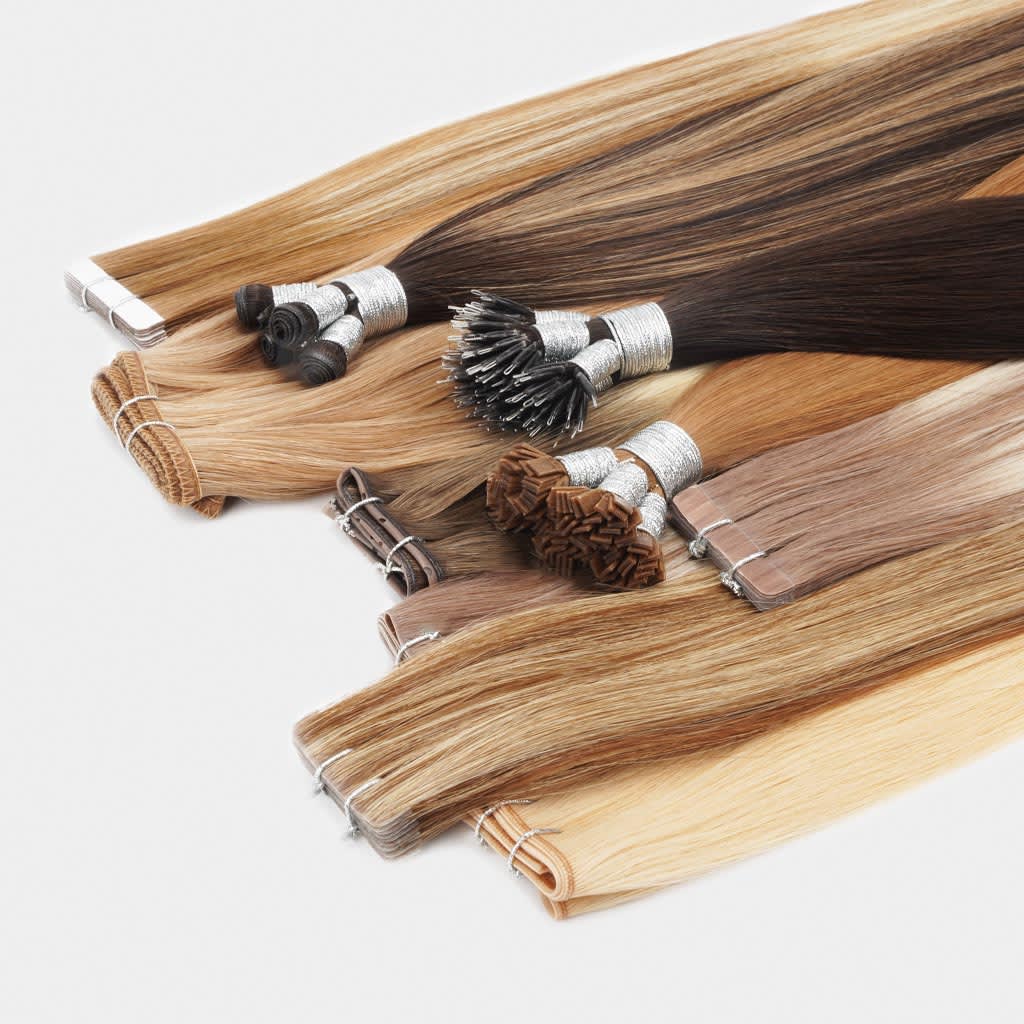
How American Hair Extension Suppliers Are Revolutionizing the Luxury Market
American hair suppliers are completely changing the luxury hair market by locking down quality control and keeping their distribution inside the U.S. This means salon owners get faster delivery, much more consistent Remy and virgin hair, and totally clear sourcing. You can see this model in action with brands like Newtimes Hair. Bottom line? It's a huge shift away from the days of "disposable beauty" and a direct move toward a smarter, domestic-run industry.
Key Takeaways
- Partner with US-based wholesale vendors to guarantee ethically sourced Remy and virgin hair while avoiding overseas shipping delays.
- Adopt damage-free installation methods, like medical-grade polymer bonds, to protect clients' natural hair and boost salon retention.
- Utilize AI-driven color matching and virtual consultations to ensure accurate ordering and reduce costly inventory waste.
- Verify new suppliers by ordering small test batches and assessing their customer service responsiveness before committing.
- Capitalize on the booming luxury market by offering premium, lightweight extensions like hand-tied wefts and tape-ins.
The New Standard of Luxury: Beyond Just Selling Hair
The industry is shifting. For decades, suppliers treated human hair extensions like a basic commodity. But now, salon owners and stylists want a more value-focused experience. This is today’s reality in the luxury hair market. Clients don’t just buy strands of Remy or virgin hair anymore; they’re investing in confidence, quality, and ethical sourcing. A premium product calls for premium service. Brands like Newtimes Hair understand that real value goes well beyond the first sale. To see how things are changing, it helps to look at the strong market control currently held by North American players.
Why North America Dominates 70% of the Global Market Share
The numbers paint a pretty clear picture. The North American market holds about 70% of the global share for premium hair products. That kind of dominance doesn’t happen by chance. High disposable income and a deeply rooted beauty culture drive strong demand across the country. US-based salon owners are always looking for reliable local suppliers who can provide top-quality Remy and virgin hair without the wait times of international shipping.
When stylists can access quality inventory right away, their businesses grow. This solid setup lets the region set global trends and comfortably support higher price points. And that level of buying power naturally connects to the key groups fueling this demand.
Which Demographic Groups are the Primary Consumers of Luxury Hair Extensions?
High-end salons and independent stylists make up the core B2B backbone of the industry. They need flawless, durable products to protect their reputations. On the B2C side, luxury buyers are usually working professionals between 25 and 45 with strong spending power. For them, premium extensions aren’t optional—they’re part of their personal image and everyday confidence.
These buyers tend to choose ethically sourced virgin hair over cheaper alternatives. They’re after a seamless, fully natural look. Understanding exactly who’s buying these high-ticket products leads straight into the next question—the "how," especially the technology used to reach them.
Technological Innovations Redefining Hair Integration
Heavy glues and damaging heat are on their way out of the luxury hair market. Brands like Newtimes Hair are moving away from old methods and bringing in patent-pending, damage-free tech. This shift changes how stylists handle high-end Hair Integration Solutions. Instead of guessing about quality, today’s buyers lean on clear Technical Specifications to make sure they’re getting authentic Remy or virgin hair. And the innovation doesn’t stop at application. It’s not just about the product itself—it’s also about how it’s sourced and verified.
Polymer Bonds and Damage-Free Installation Methods
Stylists have long dealt with tough Installation Challenges, especially when using harsh glues that damage natural hair during removal. Now, luxury US brands are addressing this with advanced polymer bonds.
These new medical-grade polymers are designed to mirror the molecular structure of human hair. When modern Fusion & Pre-bonded extensions are applied, the adhesive expands and contracts with the client’s body heat. The result is a secure hold that doesn’t snap or stress natural strands.
Salon owners focus on these damage-free bonding methods to protect their reputation and keep clients coming back. But application is only part of the process. As these methods get better, the way stylists find the perfect match is changing too. That shift naturally takes us from the physical bond to the digital tools used in selection.
AI-Driven Color Matching and Virtual Consultations
Trying to match a client’s exact shade from a small screen is risky. To deal with that, premium suppliers now build AI-driven color matching right into their Professional Styling Tools.
Through virtual consultations, smart algorithms study a client’s Natural Hair Texture and color dimensions in real time. This helps new salon owners confidently order the exact virgin or Remy hair they need, cutting down on costly returns and excess inventory.
These digital systems create instant trust between the supplier, the stylist, and the end customer. When everyone can clearly see what they’re getting, expectations naturally rise. In today’s market, that level of digital transparency is the first step toward fully ethical supply chains.
The Ethics Pillar: Cleaning Up the "Wild West" of Sourcing
The hair industry used to run mostly in the shadows. Today, a major shift toward 100% Ethically Sourced hair is reshaping how Wholesale Hair Vendors operate. Salon owners now expect clear traceability from the original donor all the way to the salon chair. This push for transparency isn’t just about feeling good about your inventory. Knowing exactly where the bundles come from helps ensure the cuticles stay intact and the raw material remains healthy. In the end, real ethical sourcing is what supports the "Remy" and "Virgin" quality standards.
Defining True Quality: Remy vs. Virgin Hair Standards
Understanding the market for Human Hair Extensions starts with getting familiar with two key terms. Virgin hair is completely untouched by chemical processing. It hasn’t been dyed, bleached, or permed by the donor. Because it stays in its natural state, it lasts longer and handles custom salon color really well.
Remy hair refers to how the strands are collected. Authentic Remy bundles keep all cuticles aligned in the same downward direction. This alignment prevents the heavy tangling and matting that quickly ruin low-quality products.
You can find hair that is both Remy and Virgin, which puts it at the highest tier available. But a label alone doesn’t guarantee what you’re actually getting. Some unreliable distributors mix synthetic strands into their bundles to cut costs. So in reality, quality standards are only as strong as the supplier’s transparency.
Traceable Supply Chains: The US Advantage in Quality Control
Buying inventory from overseas factories often feels like a guessing game—you don’t really know what will show up. Opaque international supply chains make it very hard to hold manufacturers accountable for bad batches.
Working directly with American Hair Vendors removes that uncertainty. US-based suppliers deal with stricter regulations and build their reputation on consistent quality. If a batch fails basic Quality Indicators, it’s pulled before it ever reaches your salon. You also get direct communication for returns, technical support, and quick replacements.
Local oversight breaks the cycle of inconsistent shipments. Domestic companies physically check their stock, test the cuticles, and verify sourcing themselves. In the end, that level of control makes room for a wider range of specialized products.
Navigating the Professional Landscape: A Guide for Salon Owners
Building a profitable inventory takes more than just finding good hair. Beauty salons need domestic partners that offer steady stock and quick shipping, without the uncertainty of overseas sourcing. Working with US-based Wholesale Hair Vendors protects your bottom line since you avoid surprise customs delays and unclear return policies. Locking in this kind of local reliability is one of the smartest moves a business can make right now. Part of that decision comes down to seeing how certain brands, like Newtimes Hair, actually support business growth.
How to Find Reliable Wholesale Hair Vendors in the USA for 2026
Sourcing inventory for the coming years means looking beyond basic marketing claims. By 2026, the best Wholesale Hair Vendors will be those that offer full transparency on their Remy and virgin collections. Start by confirming their physical fulfillment centers. Real US-based suppliers let you order small test batches without huge freight costs.
Check their customer service response times before making any big commitment. If they can’t answer detailed questions about cuticle alignment or donor sourcing within 24 hours, move on. A reliable domestic partner handles returns smoothly and keeps your shelves stocked during peak seasons.
Focusing on this level of operational consistency naturally narrows your options. And it points you toward specific brands that set the standard for the entire industry.
Why Newtimes Hair is a Preferred Partner for Luxury Salons
High-end studios can’t risk inconsistent product batches. That’s exactly why Newtimes Hair stands out in the professional sector. They take the burden off quality control by thoroughly testing their virgin and Remy hair extensions before shipping. Every bundle shows up ready for custom coloring and styling.
Working with an established supplier also means you get more than just raw materials. They understand the day-to-day challenges stylists face behind the chair. Their domestic infrastructure ensures fast turnaround times, keeping your clients happy and your revenue consistent.
In the end, brand preference usually goes beyond just the physical product. It often comes down to the ongoing education and hands-on support offered to growing salon businesses.
It looks like there’s no draft text included yet. Send it over and I’ll polish it while keeping everything structurally the same.
Market Dynamics: The Financial Future of Luxury Hair
The luxury hair extension market is growing fast, opening up major opportunities for US-based salon owners. Industry data shows a strong compound annual growth rate (CAGR) pushing revenue higher over the next decade. A positive market outlook for 2035 suggests that premium products like virgin and Remy hair are driving this surge. Demand for high-quality, domestic supply chains is at an all-time high. This financial momentum is fueled by rising capital and ongoing innovation.
What is the Projected Growth of the Luxury Hair Extension Industry Through 2035?
Current industry metrics show a clear upward trend for premium hair extensions. The market valuation is expected to double over the next decade. Salon owners who lock in reliable US-based suppliers now will capture a big share of this growing revenue pool.
By 2035, luxury extensions will take over a large portion of the beauty sector's recurring spend. Clients are moving away from low-quality synthetics. Instead, they're choosing high-end Remy or virgin hair that needs ongoing professional upkeep, which sharply increases the lifetime value of each salon guest.
Suppliers like Newtimes Hair are scaling to keep up with this rising demand. But this kind of rapid growth doesn't happen on its own. Big market expansion is often driven by strong venture capital interest.
How Much Venture Capital is Being Invested in the Hair Extension Industry?
Millions of dollars in venture capital are pouring into the professional hair market. Investors see that premium extensions are no longer a niche service. They're now a key driver of growth for modern salons.
This funding is reshaping the supply chain. Companies are using this capital to improve raw material sourcing, speed up domestic distribution, and raise quality control standards for virgin and Remy hair. Salons benefit directly from these backend upgrades through faster shipping and more consistent products.
Financial support also speeds up product development. This wave of heavy investment leads straight to new and trending installation methods.
Trending Methods and Product Variations in US Salons
Salon clients now expect seamless, invisible integrations instead of bulky traditional tracks. Hand-tied wefts and tape-ins currently lead the luxury hair space because they deliver a lightweight, natural feel older methods just can’t match. Clip-ins still have a solid place for temporary styling, but recurring revenue leans heavily on semi-permanent options. Premium virgin and Remy domestic suppliers keep their inventory focused on these fast-moving categories to keep salon chairs full. The market is moving away from one-size-fits-all installations. These methods are evolving to meet the needs of a more diverse demographic.
Hand-Tied Wefts vs. Tape-In Extensions: The Professional Choice
Professional styling comes down to matching the extension type to the client’s exact hair density. Hand-tied wefts and tape-ins serve two very different salon guests.
Hand-tied wefts sit completely flat against the scalp, which makes them a top choice for clients who want maximum coverage. Stylists sew these ultra-thin tracks onto a beaded foundation, creating a strong hold that lasts for months with routine maintenance.
Tape-ins are a better fit for thin or fine hair. These lightweight adhesive panels sandwich the natural strands, lowering tension and helping prevent breakage. A full install moves fast, boosting daily turnover while still delivering a high-end finish.
Both options bring in strong recurring revenue. In the end, the choice usually comes down to the desired hair length and volume.
Comparing Newtimes Hair Systems with Traditional Wholesale Options
Finding a reliable domestic supplier directly affects the quality of your Hair Integration Solutions. Standard wholesale vendors often focus on bulk synthetic or heavily processed hair. These lower-quality products tangle quickly, hurting salon reputations and pushing high-paying clients away.
Premium providers take a much tighter approach to sourcing. High-end suppliers like Newtimes Hair prioritize top-tier virgin and Remy collections that keep the cuticle intact. Their domestic inventory helps salons avoid long international shipping delays while securing consistent, salon-grade materials.
Upgrading your supply chain has a direct impact on client retention. When stylists use better materials, the final result looks more natural and lasts longer. This comparison helps users spot the difference between "Revolutionary" and "Wholesale" suppliers.
Frequently Asked Questions About the Luxury Hair Market
Which race buys the most hair extensions?
Black women. They drive the vast majority of global extension sales. The African American demographic historically spends up to six times more on hair products than any other group. That is just the data.
What are the upcoming innovations in semi-permanent hair extension methods?
Medical-grade polymer bonds. The industry is obsessed with damage-free installs right now. Pair that with AI-driven color matching for perfect blending. Less inventory waste for salons, better retention for stylists.
What is the largest consumer market for human hair products globally?
North America. The US completely dominates the luxury sector. Consumers here happily pay premium prices for ethically sourced Remy hair. Salons demand domestic wholesale vendors to bypass nightmare overseas shipping delays.
What are the benefits of human hair extensions vs. synthetic alternatives for luxury consumers?
Realism and lifespan. You can heat-style, dye, and wash human Remy hair. Synthetics just melt and look plastic. Luxury clients pay for hand-tied wefts that last a year. They want an investment, not a costume piece.
Did Hairoriginals raise $5 m to expand hair extensions business?
No. They pulled in around $1.25 million in a recent pre-Series A round, not $5 million. Still, it proves investors are aggressively backing premium, ethically sourced hair startups. The money is flowing into luxury hair.
About the Creator
Leo
Passionate men's hairstylist with a keen eye for detail and a knack for creating on-trend looks. Dedicated to delivering hair restoration education that enhances individual style.
Enjoyed the story? Support the Creator.
Subscribe for free to receive all their stories in your feed.
Comments
There are no comments for this story
Be the first to respond and start the conversation.