
Hair system repair or replace: decision guide for salons
Hair System Repair vs Replace: 2026 Guide for Salons

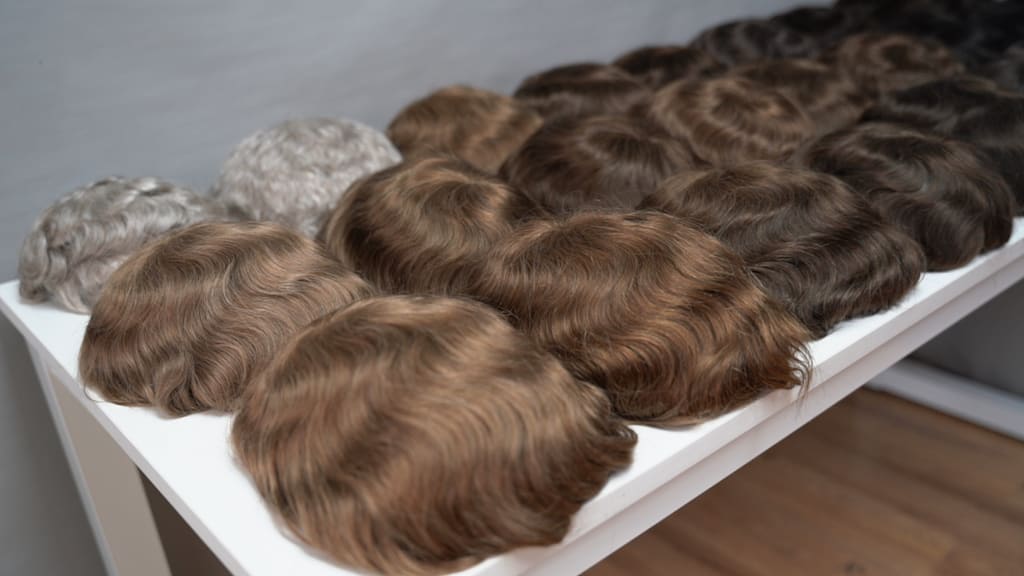
Hair system repair or replace: decision guide for salons
Figuring out whether to repair or replace a hair system basically comes down to three checks: base integrity, hair condition, and the actual cost and risk of doing extra work. A solid salon game plan keeps you from wasting precious chair time on a piece that might just fall apart right after you fix it.
Here are the clear standards you need to set expectations, protect your profit margins, and give every client confident advice.
Key Takeaways
Repairs suit isolated damage on otherwise healthy hair systems.
Replacement suits systems with weak bases or widespread hair shedding.
Replacement is smarter when total repair costs reach half a new unit's price.
Why the Repair vs. Replace Decision Matters for Salon Operations
A solid repair vs. replace policy protects your profits because it keeps every consultation, service choice, and client promise on the same page. For salon owners, the goal isn't just pushing a brand new unit or dragging out every single repair. It's about picking the option that gives your client a reliable result without eating up useless chair time.
Having a set game plan for hair system maintenance gives your staff a shared roadmap. They check the base structure, look at the hair condition, and then weigh the cost and risk of doing more work. Just like a checklist at a busy front desk, it stops decisions from bouncing around depending on who takes the appointment. That kind of consistency boosts salon efficiency. It also helps managers schedule appointments and makes follow-up chats much easier to handle.
Plus, it protects trust. When your repair vs replace policy for salons is clear, the team can explain their recommendation in plain English and write it down before any work actually starts. Clients hear a well-thought-out suggestion instead of a last-minute upsell. The next move all comes down to the unit's three physical signs.
Three Core Indicators: How to Tell If a Hair System Needs to Be Replaced
How can a salon tell when it's time to repair or replace a hair system? Just look at three things. The base needs to hold securely. The hair has to cover evenly and match well. Finally, the remaining lifespan needs to actually justify the cost of fixing it. Simple.
Using these criteria turns a guessing game into a solid, repeatable decision. It helps managers protect their chair time and gives clients a result they can actually count on.
Indicator 1: Base Integrity Degradation
Base damage is your first red flag. Why? Because the base anchors the hair and handles the attachment. Once the unit is off, check the whole perimeter and high-stress spots under a good light. Watch out for stretched lace, frayed edges, splits, holes, lifting layers, or peeling polyurethane. A tiny, isolated flaw might be fixable if the material around it is still strong.
So, how do you know if a toupee base is totally ruined? If the damage hits the front hairline, keeps happening near an attachment zone, or shows up in multiple spots, it's time for a replacement. Sure, a patch can cover a small tear. But it can't bring back the original strength to the weak material around it. With lace systems, you hit a wall when fixing a tear would warp the shape, create a harsh edge, or leave too little solid mesh for a safe attachment.
Write down the defect and check the unit during the next visit. If that repaired spot opens back up or the client complains about repeated lifting, just retire the unit instead of creating another weak point. Doing this keeps a totally preventable refit from eating up another appointment slot.
Indicator 2: Severe Hair Shedding and Color Oxidation
Heavy shedding ruins more than just the look. It can expose the base and make a once-natural density look completely patchy. Don't just look at the spot your client points out first. Check the top, crown, sides, and hairline. Bald spots on a hairpiece, widespread thinning, or loose hairs across multiple zones usually mean the whole unit is worn out, not just one fixable section.
Re-knotting makes sense for a small, contained spot on a healthy base. But it definitely has limits. You hit those limits when thinning spreads across a wide area, the old hair doesn't blend with the new hair, or the base just can't handle any more needle work.
Color is a huge factor, too. Oxidation can make the system's shade warmer, duller, or lighter than the client's natural hair. This is super obvious after normal styling. If fixing the color still leaves you with thin coverage or an uneven tone, replacing it is the best move. It gives your salon a much more predictable match right from the start.
Indicator 3: The Cost and Longevity Risk Ratio
Fixing a piece only makes sense if the unit will actually last long enough to justify the effort. Weigh the labor, materials, and appointment time against the cost of a brand-new unit. Then, figure out how much life is really left in the old one. This repair-versus-replace comparison is about your overall salon costs and client value. It's not just about finding the cheapest quick fix.
Start by asking two questions. Will fixing it solve the real problem? And is it going to break again before the client gets any real use out of it? A system with a solid base and one small defect will probably pass. But a unit dealing with thinning hair, faded color, and constant edge issues is a walking disaster with way too many failure points.
Make this risk assessment part of your regular intake notes. Note the chances of needing a second appointment, the time it'll take to fix a failed repair, and the risk of the client walking out with a bad result. A smart evaluation should favor repairs only when they keep the piece reliable. If doing more work just delays the inevitable, replace it. That's it.
Is It Cheaper to Repair or Replace a Hair System?
So, is it cheaper to repair or replace a hair system? Fixing it only makes sense when you've got one isolated flaw on an otherwise solid unit. Getting a new piece becomes the smarter financial move when a weak base, thinning hair, or constant salon visits turn a cheap quick fix into an endless money pit.
Weigh the total hair system repair cost, the expected hair system repair turnaround time, and how much life the unit actually has left. Doing this keeps your advice practical for the client while protecting your own schedule.
When Repairing Is Still the Right Call
A minor hair system repair is definitely the way to go if the issue is small, contained, and surrounded by durable material. Think of it like a tiny snag on a shirt cuff rather than a blown-out seam. The rest of the piece still does what it needs to do. A lace front touch-up works well when a short edge frays, as long as the surrounding lace stays flat, secure, and ready to hold an attachment.
Always check the base under a bright light. You should only green-light a budget-friendly toupee patch if the material hasn't stretched past the damaged spot, there's no chronic lifting on that edge, and you don't spot another weak zone nearby. Also, make sure you confirm the hair system repair turnaround time before booking the client's refit.
The system also needs to have even hair density and a decent color match left. Price the whole job as a complete service, covering your labor, the patch materials, and the final reattachment work. If fixing the piece gives your client a secure, good-looking unit without guaranteeing more follow-up visits, it's worth the money.
When Replacement Is the Only Business-Smart Recommendation
Use the 50 percent rule for hair system repair as a hard stopping point. If the complete repair quote hits half the price of a brand-new unit, stop right there. Recommend a replacement unless the old system still has amazing hair and base integrity. This isn't just about forcing an upgrade. It actually stops the client from dumping cash into a piece that'll just break down again next month.
Swapping it out is the smart business move when the damage hits more than one main area. A stretched or torn base paired with thinning hair, faded color, or constant edge lifting means your repair must fight multiple failures at the exact same time. Replacing an old toupee gives your salon a fresh start. That beats wasting chair time on a fix that might not even stay secure or look natural.
Build your salon replacement strategy around the total long-term cost, not just today's immediate repair fee. Factor in your technician labor, any handling fees, the hair system repair turnaround time, and the very real chance they'll need a second refit soon. Simple. When you lay out clear logic, clients easily accept a tough recommendation.
Setting Client Expectations: How to Communicate the Repair vs. Replace Decision
How do you tell a client it's time to replace their hair system without sounding like a pushy salesperson? You show them the evidence, break down the trade-offs, and let them decide. Simple. A calm, honest chat builds a lot more trust than giving vague warnings.
Always stick to three basic checks for every unit: base health, hair condition, and the cost compared to the risk. Your client needs to know your advice is based on facts about their piece, not a monthly quota.
Put the hair system under a bright light and just show them the issue. Here's a handy script you can use: "The damage isn't just in one fixable spot anymore. The base is getting weak, the hair is thinning out, and fixing it now might just cause another headache soon." Keep things straight to the point. Don't promise a quick patch will save a unit when the rest of it is falling apart.
When managing expectations around repaired hair systems, you have to explain the flip side. Let them know a fix makes sense if there's just one tiny flaw in a strong base with great hair. But when you start seeing two or more red flags, getting a new piece is the smart move. It cuts the risk of the system lifting, saves them chair time, and prevents another surprise bill.
Giving clear advice also helps your salon look ahead. Just make sure you keep a solid inventory of replacements. That way, when clients agree it's time for a new unit, they won't be stuck waiting around for it.
Streamlining Replacement Supply with Bono Hair
Fast replacement supply protects the trust you've built during a repair-versus-replace consultation. If a base fails or the hair thins out, your client shouldn't lose weeks to a sourcing delay they could have avoided. Simple as that.
A wholesale hair system supplier helps your salon plan replacements long before that conversation even happens. The goal isn't to push every single repair toward a new unit. It's just to have a solid option ready when base integrity, hair condition, and the cost-versus-risk math point straight to a replacement.
Build a Replacement Plan Around Real Demand
Keep a focused backup stash for your most common client profiles. Then, review it against actual replacement decisions. Track the base types, densities, and color matches that move the fastest so your cash stays tied to usable inventory.
Evaluate Bono Hair as a direct factory hair replacement partner based on practical things. Think confirmed lead times, clear reorder communication, solid customization records, and low MOQ hair systems that let you test demand without overstocking. Consistent margins come from fewer emergency orders, less chair-time disruption, and replacement units that perfectly match your consultation plan.
Frequently Asked Questions About Hair System Maintenance and Replacement
How much does a hair replacement system typically cost?
Prices vary by base, hair type, density, and customization. The real cutoff: replace when repair reaches 50% of a new unit's price.
How long does a hair system last with proper maintenance?
No fixed lifespan. Judge the base, shedding, color, and attachment security—not the calendar. A solid unit with isolated damage can justify repair.
What factors influence the price of a hair system?
Base material, hair quality, density, color matching, size, and customization drive the price. Salon labor, repair materials, and reattachment add to the total.
About the Creator
Leo
Passionate men's hairstylist with a keen eye for detail and a knack for creating on-trend looks. Dedicated to delivering hair restoration education that enhances individual style.
Enjoyed the story? Support the Creator.
Subscribe for free to receive all their stories in your feed.
Comments
There are no comments for this story
Be the first to respond and start the conversation.