
Everything You Need to Know About Hair Systems: FAQs Answered for First-Time Buyers
Hair System FAQ | Non-Surgical Hair Loss Solutions

Everything You Need to Know About Hair Systems: FAQs Answered for First-Time Buyers
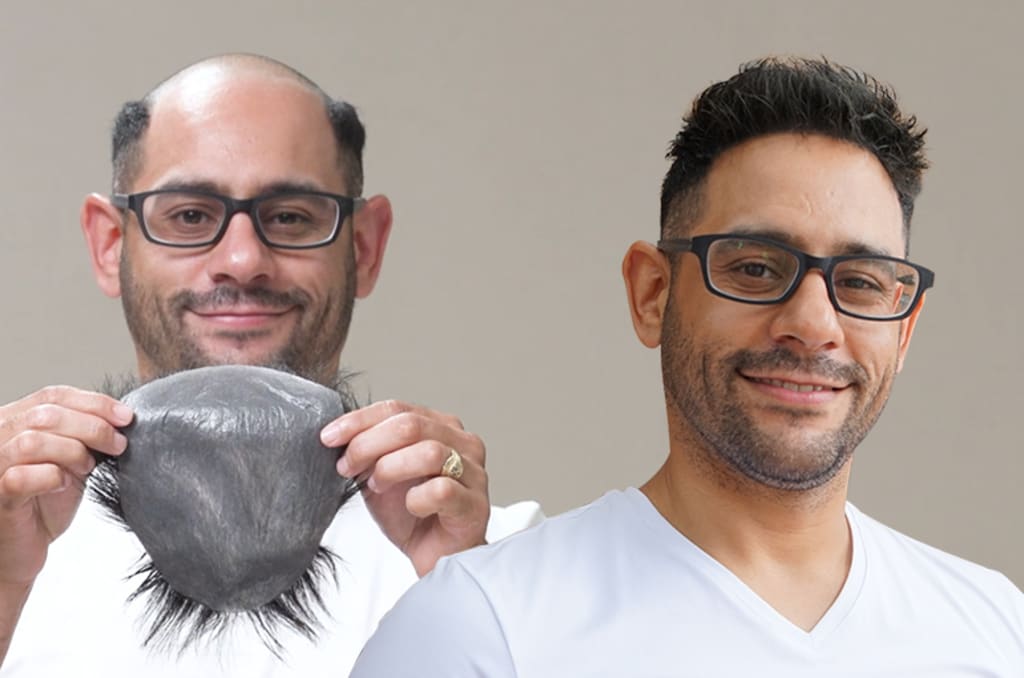
Hair systems offer a modern, non-surgical way to replace hair and quickly bring back your confidence. Getting started can feel overwhelming if you're new, but options from Lordhair look completely natural and hard to detect. To figure out whether this “miracle” fix is actually right for you, it helps to first break down the myths and face the common worries every first-time buyer has.
Key Takeaways
- Place your hairline using the "Four Finger Rule" above your eyebrows for a natural, proportionate look.
- Ease the transition by starting with 80-90% hair density and wearing hats prior to installation.
- Select a base fitting your lifestyle: Lace for breathability, Skin for realism, or Mono for durability.
- Start with tape tabs instead of liquid glue for easier application and faster cleanup.
- Wait a full 24 hours after installation before sweating or swimming so adhesives can properly cure.
- Pack a mini emergency kit with tape, alcohol, and Q-tips for quick touch-ups.
The First 48 Hours: Debunking the Fears of New Wearers
A mix of nerves and curiosity hits every beginner. You want Natural Aesthetics, but you worry it might slip. Realistic Results depend on adhesives holding firm. Once that worry fades, we can look at what makes Lordhair units work so well.
Will People Notice I’m Wearing a Hairpiece?
Advanced scalp mimicry uses ultra-thin bases that blend right into your hairline. It looks just like real skin.
This subtle look holds up even under close inspection. Next, you’ll need to get used to how it feels.
The Sensory Overload: What Does a Hair System Actually Feel Like?
First-time buyers usually notice a snug pressure at the start. Modern hair units sit flat against the scalp.
That feeling eases within 48 hours. Before long, it feels natural, setting you up for a smooth, low-key transition.
The Stealth Transition: How to Go from Bald to Full Hair Overnight
Showing up to work with a full head of hair after years of a receding hairline will usually turn heads. But you can avoid that shock. The key is managing expectations before you even install the system. Start wearing hats or beanies a few weeks ahead of time. When you finally switch from the cap to your hair system, the change won’t feel as dramatic. Covering a thinning crown for a while resets how people see your overall look. But pulling this off takes more than just a smart hat trick. It really depends on choosing the right foundation for your lifestyle.
The "Hat-to-Hair" and Gradual Density Strategies
Start with less hair if you want to keep things low-key. Jumping straight to maximum thickness tends to raise questions. Instead, build a personalized hair profile that matches your age. Customization makes it possible to begin with a lighter density Lordhair unit—around 80% to 90%—and increase it gradually over time.
Tell coworkers you just changed how you style your hair. Most people won’t question it. They’ll notice you look better, but they usually won’t figure out why.
To make this work, the unit has to sit perfectly flat on your scalp. That clean blend comes down to how the system is made. The base material you choose directly affects how natural this transition looks.
Finding Your Natural Hairline: What is the Four Finger Rule?
So where should your new hairline start? Place four fingers across your forehead, right above your eyebrows. The top of your index finger shows the ideal starting point. Set it any lower and it can look tight and unnatural, which gives the system away.
Following this simple rule keeps your hairline looking real. It mirrors the natural recession most adult men have and keeps your face in proportion. A natural front edge also stops people from fixating on your forehead.
Once you’ve nailed the placement, the next step comes down to construction. Getting an invisible front edge means understanding the differences between lace, mono, and skin bases.
Choosing Your Foundation: The Lordhair Base Material Matrix
Picking the right Hair System Base decides how your unit looks and feels on your scalp. You’ve got to balance three core factors: durability, realism, and breathability. Go all-in on realism, and you might give up a bit of lifespan. Focus on durability, and the front hairline can look a little thicker. Every Lordhair unit sits somewhere along this spectrum. Your choice really comes down to your daily routine, local climate, and how much maintenance you’re willing to handle. Before you even look at hair quality, you need to figure out which base material actually fits your everyday life.
Lace vs. Skin vs. Mono: Which One Fits Your Lifestyle?
Lace systems give you maximum airflow and a completely invisible front hairline. This breathable mesh works great if you sweat a lot or live somewhere hot. The main drawback is that Lace (welded mono) needs careful cleaning to get adhesive residue out of the delicate grid.
Skin (poly) bases deliver top-level realism by mimicking your natural scalp. These thin units make it look like the hair is growing straight out of your head. They’re very easy to clean, but they hold heat and wear out faster.
A Mono Hair System is the heavy-duty option for long-term wear. These tightly woven units last much longer than the others. The trade-off is a slightly thicker base that feels less breathable, which directly affects how you choose your final unit.
Custom vs. Stock Hair Systems: Which Lordhair Option is Best for Beginners?
Most beginners go with ready-to-wear units since they ship fast and cost less upfront. Comparing Custom hair systems vs. Stock hair systems really comes down to wait time and how much you want to personalize. Stock units are pre-made in standard sizes and common colors, so you can get a Factory direct replacement within days.
Bespoke systems take more time because they’re built from scratch to match your exact head mold, density preferences, and hairline shape. This option makes more sense once you know exactly what works best for your routine.
No matter which route you choose, the base is only part of the picture. After picking a base, you still need to understand the hair quality that goes into it.
Human Hair vs. Synthetic: The Truth About Realism
Human hair sets the standard for a natural look. Synthetic fibers tend to have an artificial shine and don’t handle heat styling well, which makes them tough to blend with your own growing hair. That’s why almost every premium Lordhair unit uses real strands. Most high-end options rely on Remy hair, where the cuticles stay intact and aligned in the same direction to avoid tangling. This structure makes a big difference in how the unit moves throughout the day. Once you understand what goes into these units, it’s clear why they work so well for covering hair loss.
Why Human Hair is Essential for Male Pattern Baldness Solutions
Dealing with Male Pattern Baldness means you need a unit that matches your existing bio hair as closely as possible. Synthetic toupees often fall short here because they lack natural texture and movement. Real hair absorbs moisture, reacts to the environment, and falls just like your own.
You also get full styling freedom. You can use heat tools, blow dryers, and even color treatments to shape the final look. That flexibility means you can switch up your hairstyle just like before hair loss started.
Over time, constant styling and washing will wear down the hair shafts. Even top-quality strands go through gradual damage. That everyday friction directly affects how often you’ll need a replacement.
How Long Does a Modern Hair System Last?
How long a system lasts depends heavily on the base material you pick. A thin skin unit usually holds up for about three to four months before shedding becomes noticeable. Thicker mono bases can stretch past six months if you take care of them properly.
Your daily routine matters a lot here. Heavy sweating at the gym, swimming, or even sleeping on rough pillowcases can speed up the replacement cycle. Taking time to condition the hair properly helps slow that wear.
The way you attach the unit also affects how often you need to clean it, which puts stress on the delicate base. Knowing the materials is only part of it—you also need to understand how to keep everything securely in place.
The "Tape vs. Glue" Debate: Attachment Methods for Beginners
Picking the right base material is only the first step. Next comes the actual install. You need to secure that Lordhair unit to your scalp, and it usually comes down to two main methods: liquid adhesive or double-sided tape. Both can give you a strong hold, but they work in very different ways. Pick the wrong one, and your routine gets harder than it needs to be. So let’s look at how liquid adhesives perform before getting into why many people start with tape.
Liquid Adhesives (Glue): The Pros and Cons for a Secure Bond
Liquid adhesives give you the most precise, flush fit for non-surgical hair replacement systems. When you apply it right, glue creates a seamless bond along the hairline. It disappears under thin skin or lace bases. That makes it very hard to spot where your forehead ends and the unit begins.
Hold times usually range from two to four weeks. But that level of hold comes with a real learning curve during installation.
You have to apply several thin layers, wait for each one to dry clear, and avoid making a mess. Cleanup also takes time and specific solvents. If that already sounds like a hassle, you might want something simpler.
Tape Tabs: Why Most Beginners Start Here
Tape is the easiest way to secure a hair system. You peel off the backing on pre-cut tabs and press them onto the base perimeter. That’s it.
For beginners, this takes away the stress of working with liquid adhesive. If you mess up, just lift the tape and place it again. No waiting around for layers to dry. When it’s time to remove, tape comes off fast and doesn’t leave behind heavy residue. That means you won’t need to buy strong hairpiece cleaning products.
So how does it hold up day to day? Most tapes stay secure for one to three weeks, which is more than enough for peace of mind. But you still need to know if it can handle a more active lifestyle.
Living Your Life: Gym, Swimming, and Sleeping with a System
Staying active doesn’t mean your hair has to suffer. You can still go to the gym, swim, and sleep comfortably with a Lordhair system. An active lifestyle just means sticking to a solid routine that protects the bond from sweat and friction.
Heavy sweating breaks down adhesives faster, so you’ll need to reattach your unit more often. The trick is knowing when to push yourself and when to let the adhesive fully set. It all begins with handling those first critical hours after installation the right way.
The 24-Hour Rule: How to Swim and Exercise Safely
You need to wait at least 24 hours after installation before sweating or getting your hair wet. No exceptions. Adhesives and tapes take a full day to cure and properly bond to your scalp.
If you jump into a tough workout or a pool too soon, the bond weakens. Moisture can get trapped under the base, which leads to early lifting and a frustrating cleanup.
After that 24-hour window, the system holds up much better, and you can get back to your normal routine. Just make sure to rinse sweat out of your hair soon after exercising to keep the base in good shape.
Even if you’re doing everything right, an intense workout can sometimes cause a small edge to lift. When it does, having the right tools nearby makes a quick fix easy.
The Beginner’s Emergency Kit: What to Keep in Your Bag
A lifting edge at the gym doesn’t have to ruin your day. You just need a simple emergency kit in your bag for fast touch-ups.
Bring a travel-size adhesive or a few pre-cut tape tabs, a small bottle of rubbing alcohol, and some Q-tips. If a section lifts, clean the exposed scalp with alcohol, add a small amount of glue or tape, and press the base back into place.
Keeping these items on hand gives you peace of mind during any activity. But sticking to this routine also means regularly buying supplies. So, let’s take a look at the real cost of maintaining this lifestyle.
It looks like there’s no draft text included. Send it over and I’ll polish it while keeping everything else exactly the same.
Frequently Asked Questions About Hair Systems
Are there any side effects or risks to wearing a non-surgical hair replacement?
No major risks. Just potential skin irritation from adhesives. Do a 24-hour patch test behind your ear first. Keep the scalp clean during reinstallations to avoid clogged pores.
What are 3 do's and don'ts of hair system care?
Do: wait 24 hours before sweating, use sulfate-free shampoo, pack an emergency tape kit. Don't: wash with hot water, scrub the base hard, or sleep on cotton. Get a silk pillowcase to stop friction.
Does hair still grow under the system?
Yes. Adhesives don't kill your follicles. Biological hair keeps growing underneath. You just have to shave that area every 2 to 4 weeks during maintenance so the adhesive actually sticks to your scalp.
Can you wear a hair system if you have Alopecia Areata or Telogen Effluvium?
Yes, but it complicates things. Alopecia patches shift. If your bald spots change shape, a custom base won't fit right anymore. Talk to a dermatologist before sticking anything on active shedding zones.
About the Creator
Leo
Passionate men's hairstylist with a keen eye for detail and a knack for creating on-trend looks. Dedicated to delivering hair restoration education that enhances individual style.
Enjoyed the story? Support the Creator.
Subscribe for free to receive all their stories in your feed.
Comments
There are no comments for this story
Be the first to respond and start the conversation.