
double drawn hair extensions suppliers
Top Double Drawn Hair Extensions Suppliers Guide

double drawn hair extensions suppliers
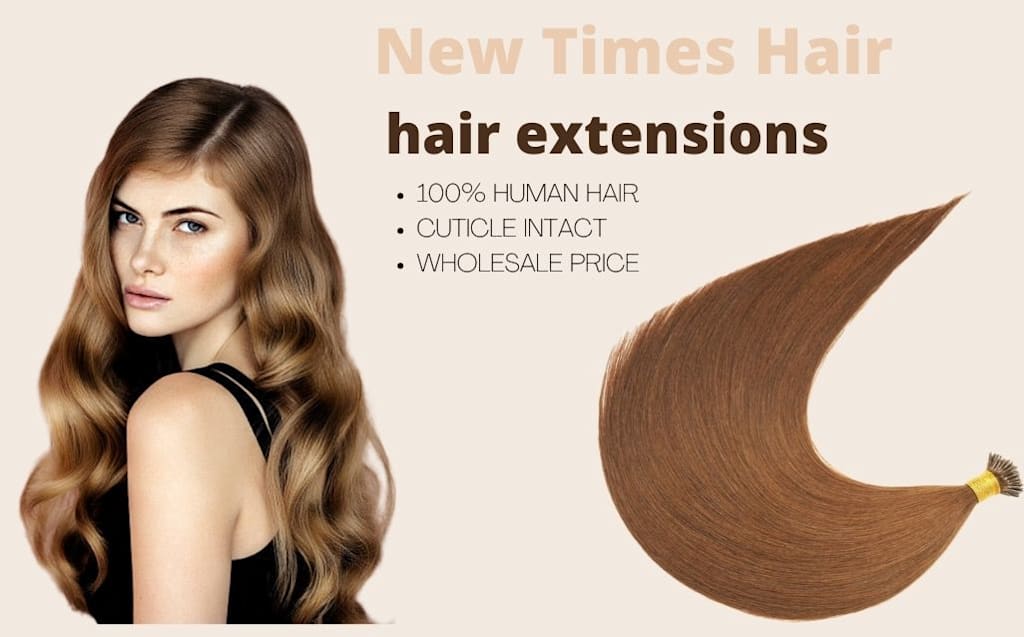
Double Drawn Hair from New Times Hair offers standout thickness for Wholesale Hair Suppliers. Unlike single drawn options, these extensions have about 85–90% strand length uniformity. Nearly every strand reaches the same length.
Getting clear on this technical meaning is the first step to seeing why some suppliers charge more in the global hair market.
Key Takeaways
- Verify density using light box and pinch tests to ensure 85–90% strand uniformity from root to tip.
- Weigh the bottom third of bundles to confirm suppliers aren't hiding extra weight at the weft.
- Maximize ROI and save chair time by using fewer premium bundles to achieve full-head volume.
- Protect clients with thinning hair by choosing tape-ins, which safely distribute the heavier weight of double-drawn strands.
- Launch a private label line using supplier-provided custom packaging to increase retail markups and build brand authority.
The Technical Reality of Double Drawn Hair Production
Removing short hairs from a raw bundle takes labor-heavy manual sorting. This hand-sorted approach guarantees strong root-to-tip density. New Times Hair uses this method to push volume as high as possible. And this demanding production process directly shapes how the hair looks and feels during a salon install.
What is the Difference Between Double Drawn and Single Drawn Hair?
Single Drawn Hair tapers naturally, so the ends are thinner than the roots. Double drawn bundles remove that taper.
The density difference is easy to spot, giving high strand uniformity and a thicker finish. And it clearly reflects the time and effort behind the manufacturing.
Why Double Drawn Hair Costs More: The 4-Hour Sorting Rule
Sorting one kilogram of hair takes four hours. Strict quality checks make sure only the longest strands make it into this premium-grade product.
This level of processing and quality explains the price. And it directly increases ROI for salon professionals.
How to Audit Your Double Drawn Hair Extensions Suppliers
Finding a reliable B2B hair vendor takes more than just scrolling through photos online. You need a solid vetting process to protect your salon's reputation. Getting wholesale access is only the first step. The real work is putting strict quality control in place so every shipment meets your standards.
You can't rely on a supplier's word alone. Bad batches cost you loyal clients and hurt your bottom line. You need a consistent way to confirm you're actually getting premium, thick hair.
That means doing physical checks on every batch before it reaches the salon floor. A quick visual scan isn't enough to tell if the extensions are truly double drawn. You need to check the density from root to tip. Here's how to run the exact physical tests in your salon to spot see-through ends.
The Light Box and Pinch Tests for Density Verification
Hold a bundle up to a bright ring light or a window. You're checking for light passing through the bottom three inches of the hair. A high-quality double drawn bundle should block almost all light right down to the ends. If it looks transparent or thin, the supplier left too many short hairs mixed in.
Next, try the pinch test. Grab the bundle right at the weft or root using your thumb and index finger. Slowly slide your fingers down the length of the hair. The thickness should feel even all the way through. If you notice a sudden drop in volume near the bottom, the product doesn't meet the specs for premium density.
True double drawn extensions contain 85–90% full-length strands. That high ratio is what gives clients that blunt, full finish. Anything less means you're paying premium prices for what is basically a standard single drawn product. Passing these physical checks is a strong start. But you still need to confirm the numerical weight-to-length ratios to be sure you're getting real value from the bundle.
Evaluating Gram-to-Length Ratios in Wholesale Bundles
Physical tests show volume, but the scale tells the real story. Standard Hair Bundles usually weigh about 100 grams. If you order a 22-inch bundle, those 100 grams need to be distributed properly to qualify as double drawn.
Some suppliers pack extra weight near the top of the weft to make the bundle feel heavier. You need to check the grams-per-strand ratio by separating a small section. A true double drawn bundle keeps its weight well into the lower half. If the top half is much heavier than the bottom, the density isn't balanced.
You're paying for long, thick hair—not just thick roots. Weighing the bottom third of the extensions helps confirm whether the supplier actually removed the shorter strands. New Times Hair maintains precise weight distribution across all lengths. Beyond physical checks and weight verification, the supplier's geographic origin also plays a big role in long-term durability and where these bundles really come from.
Global Sourcing Hubs: India vs. China vs. Vietnam
Where extensions come from shapes their quality. China delivers massive scale, while Vietnam is known for thick raw hair suited to double-drawn styles. Indian Remy hair is still highly valued for its natural texture. The biggest challenge, no matter the region, is ethical sourcing. You have to demand strict traceability from vendors. Once you’ve chosen a region, the next step is picking a specific partner that can support your business growth.
Finding Ethical and Traceable Double Drawn Indian Hair
Today’s clients expect transparency. When you’re buying Virgin Hair or Remy Hair, you need clear, undeniable proof of origin.
Real traceability keeps you from selling exploitative products. And prioritizing ethical sourcing directly strengthens your brand reputation as a salon owner.
Why New Times Hair is a Top Choice for Professional Stylists
A reliable vendor helps you avoid bad batches. New Times Hair offers a steady supply chain that maintains strict density standards.
They provide factory-direct pricing to help maximize your profit margins. Their hands-on B2B support builds long-term trust. This solid foundation naturally leads into the specific product types available for wholesale.
The Economics of Double Drawn Hair for Salon Professionals
Salon professionals often hesitate when they see the higher upfront price of premium extensions. But real profit comes from looking at cost per wear, not just wholesale pricing. High-quality hair lasts longer, gives clients more value, and helps boost retention. A dependable B2B hair vendor shifts your revenue away from quick sales and toward premium packages. And these economic upsides carry across different application methods.
Reducing Install Volume: Why You Need Fewer Bundles
Thick ends change the numbers on every install. Because double drawn hair keeps a consistent density, you’ll need fewer Hair Bundles to get maximum volume.
Standard options often require multiple packs just to cover thin ends. Premium density means you can complete a full head with only two. That saves chair time and naturally connects to specific product types like wefts and tips.
Pricing Your Services for Maximum ROI with New Times Hair
Stop competing on basic application fees and start positioning New Times Hair as part of a premium service tier.
Strong business terms make it easy to launch a private label line. You stay in control of the markup. And this approach sets you up to move smoothly into the technical side of different extension types.
Selecting the Right Method: Wefts, I-Tips, and Bonds
Not every application method handles premium density in the same way. When you're working with double-drawn hair from New Times Hair, the sheer weight at the ends shifts how you approach installation. Weft extensions benefit right away. Since the tracks carry more density per inch, you can create a full, seamless blend with fewer rows. That keeps everything flat and comfortable.
I-tip extensions make the most of this root-to-tip thickness too. Each strand keeps its shape instead of tapering off, giving your clients a clean, blunt cut with less total weight on the scalp. Polymer bonds bring a similar benefit for custom placement. You get strong coverage with fewer bonds. But those heavier ends mean you need to assess the client’s natural base first. That leads to an important question about how these premium methods actually impact scalp health and thinning hair.
Are Double Drawn Extensions Better for Thin Hair?
Thick ends look amazing, but they do add weight. If your client already has fine hair, double-drawn extensions come with a real risk when applied the wrong way. The added density means heavier strands, which can tug on delicate roots.
You have to weigh the visual result against scalp safety. Since double-drawn options from New Times Hair need fewer pieces to build full volume, you're actually attaching less hardware overall. Fewer attachment points mean less tension across the scalp. That can make it a solid option for clients with mild hair loss, as long as the weight is spread evenly.
Placement is everything here. You can't overload weak follicles. Putting dense pieces too close to the hairline often leads to breakage. Instead, keep the weight focused on the stronger areas of the scalp. When done right, that root-to-tip fullness can cover sparse spots nicely without creating traction problems. But once mild thinning turns into heavy shedding, it's time to rethink the method entirely before moving into options for more severe conditions like alopecia.
Which Hair Extension Method is Least Damaging for Hair Loss?
Tape-ins are consistently seen as the safest option for fragile follicles. When clients ask which method causes the least damage during active hair loss, it really comes down to how the weight is distributed. Tape-ins spread tension across a wider one-and-a-half-inch section of natural hair.
That flat, wider attachment helps avoid the concentrated pulling you often get with single-strand methods. Professionally applied extensions with medical-grade adhesive sit close to the scalp, cutting down on friction and stress. For clients dealing with heavy shedding or early-stage alopecia, this approach offers one of the least damaging ways to add instant volume.
You still need to keep a close eye on the scalp. Even the safest methods need maintenance every four to six weeks to stop tangling near the roots. Leaving any system in too long will lead to breakage, no matter how gentle the install was at the start. Getting comfortable with these low-tension methods does more than protect your clients. It builds real trust. And once you're known as the go-to for safe, damage-free installs, it naturally opens up opportunities to grow your salon’s revenue and explore the business side of things.
Starting a Private Label Brand with Double Drawn Hair
Building a private label line is the next move. Sourcing double-drawn hair from a reliable distributor gives hair entrepreneurs control over pricing. You’re no longer selling someone else’s brand—you’re building your own. But launching takes more than choosing high-end hair. You also need a solid backend partner. That’s where the focus shifts to the behind-the-scenes services you should lock in before committing to a supplier.
Custom Packaging and Branding for Wholesale Partners
A lot of wholesale hair suppliers do more than just ship bundles. Top B2B partners like New Times Hair offer custom packaging for your brand. They’ll print your logo on tags and boxes before the inventory even leaves the warehouse.
This saves time and lowers overhead. Instead of packing blank extensions yourself, your private label products show up ready for retail. That polished presentation makes it easier to charge premium prices for those thick ends.
Scaling is smoother when your supplier takes care of fulfillment. Once operations are in place, all that’s left is a quick checklist of details to confirm before you finalize your order.
Frequently Asked Questions About Double Drawn Hair Suppliers
Is Bellami hair double drawn?
Yes. They sell double drawn collections. Just remember uniformity varies by batch. True premium bundles hit 85-90% same-length strands. Always check the ends before installing.
What extensions are best for alopecia?
Tape-ins. Period. They distribute weight safely across fragile roots. Never put heavy double drawn wefts on thinning spots. You will literally rip the remaining hair out.
How can you tell if hair extensions are high quality?
The pinch test. Grab the bottom third of the bundle. If it feels wispy, it is cheap filler. Premium double drawn hair maintains 85-90% thickness straight to the tips.
Where do companies get hair for hair extensions?
Temples, salons, and rural villages. Mostly across Asia and Eastern Europe. Brokers buy raw ponytails directly from women. Then factories sort, sanitize, and process it for the market.
About the Creator
Leo
Passionate men's hairstylist with a keen eye for detail and a knack for creating on-trend looks. Dedicated to delivering hair restoration education that enhances individual style.
Enjoyed the story? Support the Creator.
Subscribe for free to receive all their stories in your feed.
Comments
There are no comments for this story
Be the first to respond and start the conversation.