
Custom Orders & OEM Flexibility: How Do You Verify That an Overseas Hair System Supplier Is Reliable?
How Do You Verify That an Overseas Hair System Supplier Is Reliable?

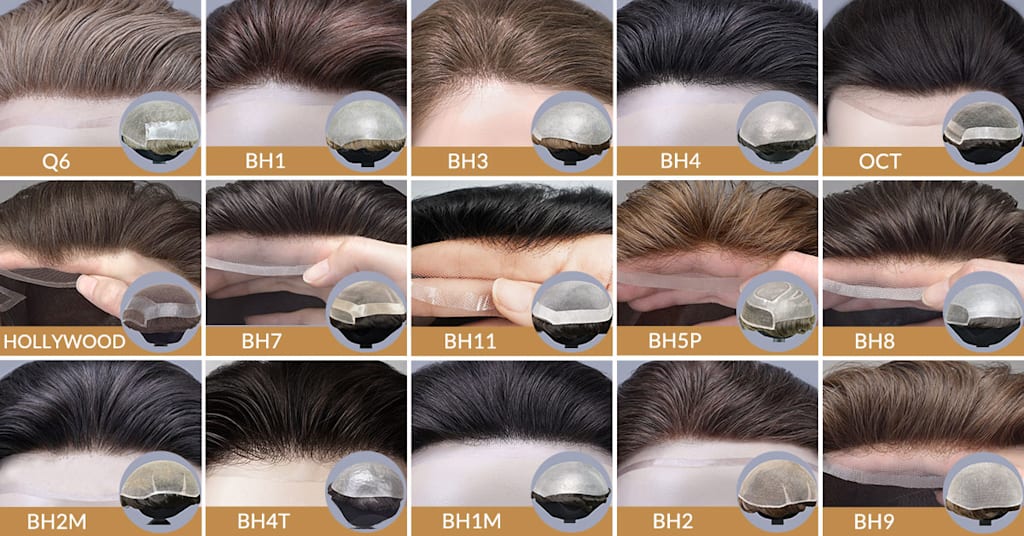
Custom Orders & OEM Flexibility: How Do You Verify That an Overseas Hair System Supplier Is Reliable?
A Hair System Supplier makes a big impact on your service quality long after that first custom order ships. An Overseas Supplier needs way more than just a nice-looking catalog. You have to look at how they handle quality control and keep things consistent across every single order. Here's a practical framework to help new buyers pick a reliable partner, including Bono Hair.
Key Takeaways
Reliable suppliers explain technical controls clearly during a live factory review.
A small custom prototype reveals whether specifications can be reproduced consistently.
Written specification records keep repeat-order quality consistent across every production batch.
De-Risking Custom OEM Sourcing for Hair System Businesses
Custom Hair Systems put your reputation on the line since every order is built around your client's specific details. Make a mistake, and you're looking at a delayed fitting, a pricey remake, and lost trust in your salon or resale business.
Stock Hair Systems cut down on that risk. But they also limit how closely you can match each client. Either way, your supplier's consistency is a huge deal.
What is the difference between stock and custom hair systems?
Stock Hair Systems are pre-made units featuring set base designs, colors, densities, and sizes. They help you book faster appointments since the supplier likely has them ready to ship right now. The catch? Your client might have to settle for a "close enough" match instead of a perfect one.
Custom Hair Systems are built to your exact specs—down to the base type, hair color, density, contour, and size. This gives your business way more control. Still, it adds production time and makes strict quality control an absolute must. Just one unclear detail can ruin the entire order.
Identifying Hair Factory vs. Trading Company Operations
A real Human Hair Factory can usually walk you through how they control production, from picking the materials all the way to final inspection. Ask them specific product questions. How do they log custom specs? How do they check hair direction? How do they keep repeat orders consistent? Direct answers show they actually know how the factory floor works, rather than just reading from a catalog.
Wholesale Hair Vendors can be factories, trading companies, or a mix of both. A trading company isn't automatically a bad partner, but they might have less direct control over production tweaks and quality checks. If you want a long-term program, pick a supplier that clearly shows exactly who manages your order quality. You should evaluate Bono Hair the exact same way. Look for solid communication and repeatable results, not just big promises.
Step 1: Conduct the Technical Literacy Test for Overseas Factories
A Factory Direct supplier needs to explain Base Materials in plain, consistent terms before you place a custom order. A shiny catalog doesn't mean much when your client's fitting depends on the base actually behaving as expected. Simple as that.
Get on a quick technical call to test their build standards and quality checks. Clear answers will make any visual evidence worth reviewing later.
Asking Technical Base Thickness and Denier Questions
Ask the supplier to name the stated thickness of each Poly/Thin Skin option and explain how they record that number on a custom order. Also, ask what "denier" actually means in their Base Materials and if it applies to the exact material you're talking about.
Ask for the acceptable measurement range they use at inspection and find out how their staff flag a base that falls outside it. A real factory contact will describe a repeatable check. They won't just promise that every unit is premium.
Evaluating V-Looping vs. Injected Thin Skin Durability
Have the factory compare V-looping with injected hair on the exact same thin-skin base. They should explain how each method locks the hair in, which base construction it works best with, and where durability might change.
Follow up by asking, "How do you check hair retention before shipping?" A capable team can easily break down their Quality Verification routine. They'll tell you exactly when they inspect ventilation and what happens if a unit fails.
Testing Factory Knowledge on Base Contour and Curve Matching
Send over a head template or defined curve request, then ask how that turns into a production instruction for Custom Hair Systems. The manufacturer needs to explain which measurements they record, how they mark orientation, and how they actually prevent front-to-back or left-to-right errors. No guessing allowed.
Find out how the factory compares the finished Integration Base with the approved template before packing it up. You're looking for a clear comparison step, someone held accountable for quality, and a real process for fixing mismatches on repeat orders.
Step 2: Request Live Production Proof Beyond Studio Photos
Studio photos can't show if an Overseas Supplier actually runs a consistent hair-system operation right now. A live factory walk-through gives your Quality Verification some real context—you get to see the actual people, work stations, and ongoing projects behind their glossy catalog.
Ask for proof that's tough to fake and easy to check against later. This helps you figure out if the factory can actually handle your repeat orders down the line.
Executing the "Sign-and-Date" Real-Time Video Protocol
Have your contact hold up a piece of paper with your company name and today's date. Then, get them to walk from the front door right to the active work floor on a live video call. Don't accept edited clips.
This simple sign-and-date trick completely ruins any recycled showroom footage they might try to pass off. Ask them questions as they walk around. Watch closely for staff handling real work in progress. It's the best way to do a true Quality Verification of an Overseas Supplier's day-to-day operation.
Inspecting the Ventilation and Hand-Knotting Workstations
Pay close attention to the ventilation and hand-knotting stations. This is where workers actually attach the hair to lace or other Base Materials. These workbenches quickly reveal if a Human Hair Factory has a solid, repeatable workflow.
Ask the person holding the camera to stop at a few different benches, rather than just showing you one perfect demonstration setup. Keep an eye out for labeled order details, consistent placement patterns, and quality checkers looking over finished sections.
Seeing consistent work gives you the green light to try a controlled prototype order before you finally commit to repeat production.
Step 3: Implement a Custom Prototype Order Protocol
A live walk-through proves a supplier actually exists. But a custom prototype order tells you if the factory can nail your exact requirements.
For new buyers, this kind of controlled test is the best way to check OEM (Original Equipment Manufacturer) accuracy before jumping into a long-term relationship. Plus, it gives you a solid baseline for checking quality as work gets done.
Why Stock Unit Testing Fails to Prove OEM Capability
Stock hair systems can show you general hair quality, but they don't prove a factory actually has custom manufacturing control. A ready-made unit is built to standard specs—not your client's specific base, density, hair direction, or front contour.
Real OEM capability shows up when a supplier follows a detailed brief without drifting off script. Think of stock testing like tasting a restaurant's house dish. It doesn't prove the kitchen can cook a custom meal based on your client's exact recipe.
Managing the Small-Scale Custom Prototype Phase
Start by ordering a small batch of custom hair systems built from a single written spec sheet. Make sure to include base type, measurements, hair length, density, color, curl pattern, hair direction, and specific hairline details. Then, use that exact same brief for every prototype.
Set a clear lead time and compare the finished units against your approved sheet. Consistency matters way more than getting one lucky, good-looking sample. A reliable partner like Bono Hair will easily document your requirements and reproduce them for future orders.
Translating Client Specification Feedback Across Language Barriers
Visual feedback cuts down on mistakes when your salon, your client, and the OEM (Original Equipment Manufacturer) speak different languages. Just mark up photos directly with arrows, measurements, color references, and simple labels like "reduce density here" or "move parting 1 cm left."
Keep every single change in a numbered list and attach it to the original spec sheet. That's it. This creates a clean quality verification record so the factory can confirm each fix instead of just guessing what your client meant.
Step 4: Audit Work-in-Progress (WIP) and Quality Control Workflows
Checking work in progress lets you catch a bad base or the wrong hair material before it turns into a finished unit. Quality checks need to happen at set checkpoints, not just when the shipment is ready to go out.
Ask the factory to document every approved stage. Keep those records right with your prototype file. Good production evidence also backs up the specs you need protected if you sign a long-term supplier agreement.
Inspecting Base Materials Before Hair Ventilation
Always check the base before any hair gets ventilated into it. Once production moves forward, swapping out the base will delay your order. It also wastes materials.
Ask for clear photos or a live video check of the raw foundation next to your approved sample. You'll want to confirm the base material, shape, measurements, front contour, and any planned reinforcement areas for your custom hair systems. Think of it like looking over a clothing pattern before cutting the fabric. The foundation dictates the final fit and how long the piece lasts.
Testing Raw Human Hair Quality and Material Authenticity
Raw hair has to match the texture, color, and feel your clients expect. Wholesale hair vendors should easily show you the hair material before ventilation starts. Don't let them make you judge it only after the system is totally finished.
Compare your saved hair swatch with the factory's current batch under consistent lighting. Check if the hair texture matches your approved brief, and then put your approval in writing. Don't just trust the labels. A physical sample comparison gives your business a real-world reference for future orders.
Establishing Controls for Batch-to-Batch Product Consistency
Repeat orders need a strict reference, not just the factory's memory. If you're buying in bulk, that approved prototype, written spec sheet, and saved material samples need to become the gold standard for checking every new batch.
Have the supplier compare each production run against that master record before shipping anything out. Review photos of the base, hair color, texture, density placement, hair direction, and hairline work at the exact same checkpoints every single time. Bono Hair can actually support this kind of documented process, which helps you deliver much more consistent results to your returning clients.
Step 5: Secure Intellectual Property and Delivery Expectations
You need written control over your custom base design and delivery date before an overseas factory starts production. The approved prototype and WIP records from Step 4 give you exactly what you need to lock both down.
Clear OEM terms keep your repeat orders consistent. Plus, a documented lead time lets you book client work without making promises your supplier hasn't actually backed up.
How long does it take to receive a custom hair system order?
There isn't a universal lead time for custom hair systems. Production and shipping dates really depend on the approved specs, revisions, order volume, and how you ship it. Just ask the factory for a written quote covering sample approval, production start, final QC, dispatch, and the actual shipment.
Manage lead times by freezing your spec sheet before production starts and approving check photos by a strict deadline. Always keep a buffer for corrections. After that, you can give clients a confirmed delivery window.
Safeguarding Proprietary Custom Base Designs
Treat your proprietary base like highly controlled business info—not just a casual order note. Your OEM (Original Equipment Manufacturer) agreement needs to clearly identify the design files, measurements, patterns, samples, and revisions your business owns. From there, legally block the overseas supplier from making or sharing them with other buyers.
Make sure to attach the signed spec sheet and approved prototype. Limit access to specific factory staff, demand written approval for any changes, and hold onto all dated files and QC records. That's it.
The Essential Supplier Verification Audit Checklist
Your first Hair System Supplier needs to earn your trust through solid records, fast replies, and reliable quality control. Don't just fall for a glossy catalog. A quick audit lets you compare factories based on the actual work that keeps your clients happy and makes reordering easy.
Stick to the same scorecard for every candidate. Then, dig into the material standards behind their samples and big production claims.
Evaluating Communication Speed and OEM Transparency
Rate each area from 0 to 2: response time, straightforward technical answers, written revision tracking, and a clear plan for fixing defects. Doing this keeps your comparisons completely fair.
Only give an Overseas Supplier a 2 if they offer direct answers, log every change, and give you a specific name to call when things need fixing. OEM (Original Equipment Manufacturer) projects absolutely rely on that paper trail. It's the only way to keep repeat orders consistent.
Reviewing Production Capacity and Audit Readiness
Ask the Human Hair Factory exactly how they check orders, track defects, and handle bigger volumes without dropping the ball on approved standards. Bulk Buyers really need proof that quality control won't slip when order sizes go up.
Give audit readiness a higher score if the factory actually shares its production records, inspection steps, and sample-to-order comparisons. Bono Hair should face this exact same standard. A solid, long-term partner is what keeps your client service consistent.
Verifying Custom Base Material Standards Across Product Types
Base materials decide if a hairpiece actually holds up in daily salon service or just creates annoying re-fit work. Your sample check needs to prove that each custom base matches the approved construction, not just the supplier's basic description.
Compare the exact same points across lace, poly, and monofilament units before you approve a larger order.
Evaluating French Lace and Swiss Lace Frontal Integrity
French lace and Swiss lace need a solid balance. You want an undetectable front for your client, but it still needs enough strength to handle normal wear. Check the frontal under bright light. Look for an even mesh, consistent hair placement, and edges that lie totally flat. No curling. No loose threads.
Gently stretch a small spot without pulling the hair. The lace should snap right back into shape, and the ventilation needs to stay tight. Write down the approved lace type and front dimensions. That way, future Custom Hair Systems will perfectly match your first sample.
Checking Ultra-Thin Poly Skin Thickness Tolerances
Ultra-thin poly skin bases need to match the exact thickness your supplier confirmed. This goes whether your order calls for 0.02 mm, 0.04 mm, or 0.08 mm. Use a thickness gauge for a reliable check. Visual judgment alone just can't catch those tiny production changes.
Measure a few spots across the base, especially near the hairline and outer edge. You're looking for an even surface, zero weak patches, and a totally clean edge. Consistent Poly/Thin Skin construction is what helps your salon set realistic attachment and replacement expectations.
Assessing Fine Monofilament and Hybrid System Construction
Fine monofilament centers should feel stable and hold their shape well. You also want to see neat joins right where they meet the lace or poly sections. Think of a hybrid base like a jacket made of different fabrics. Each panel has to do its job without pulling against the next one. That's it.
Check all seams for lifting, extra adhesive, or messy overlaps. Then, make sure the hair direction stays consistent across every material change. Always keep photos and written sample approvals for every Integration Base design. Plus, these records give third-party auditors a crystal-clear standard for those bigger commercial orders.
Utilizing Third-Party Audits for Overseas Manufacturer Verification
An independent audit gives you a much better look at an Overseas Supplier than just photos, emails, or a perfect sample. Quality Verification needs to prove the factory can actually hit that same standard on big orders.
For a new buyer, that outside check turns a hopeful contact into a rock-solid partner. That includes Bono Hair.
Hiring Independent Factory Inspection Services
Bring in an inspection agency before placing a big production order, especially if you can't visit the Human Hair Factory yourself. Just give the inspector your approved sample, order details, and a quick checklist. Make sure it covers base construction, hair direction, density consistency, ventilation, packaging, and final quality-control records.
They need to check the actual production floor, not just a fancy showroom. Ask for dated photos, a written report, and clear notes if anything doesn't match your approved sample. This Quality Verification gives you the proof you need to fix problems before the goods ever ship. Simple as that.
Verifying Business Licenses and Manufacturer Export Records
Make sure an Overseas Supplier is legally registered before sending a deposit or pitching the factory to your own customers. Ask for their business license, registered name, tax ID, and export papers. Then, check that the names and addresses match up perfectly across every single document.
Wholesale Hair Vendors should also tell you straight up if they make things in-house or just trade goods from another factory. Solid paperwork means real accountability. Keep these files right next to your audit reports and purchase orders. That's how your team builds a stable business relationship over the long haul.
Building Sustainable Partnerships with Overseas OEM Suppliers
Wondering how to build lasting partnerships with overseas OEM suppliers? You have to treat verification as the first stage of production, rather than just a one-time checkbox. When a Hair System Supplier actually tracks quality control and repeats approved results, Bulk Buyers get a solid base for predictable fulfillment. That means fewer remakes and protected margins.
Bono Hair steps in right here as a manufacturing partner built to meet these exact standards.
Transitioning from Initial Prototype to Scalable Wholesale Orders
Don't scale up until the supplier successfully reproduces your approved prototype during a small test run. It's crucial. You need to verify the same materials, construction notes, packaging standards, and quality-control checks before you even think about ordering higher quantities.
Bump up your volume in planned stages, and always nail down your Lead Time before you start booking client appointments or taking reseller orders. Bulk Buyers need to compare every single batch against the approved sample. If something is off, write down those corrections before placing the next order.
Maximizing Salon Profitability Through Consistent Sourcing
Reliable Custom Hair Systems actively protect your salon's revenue. Why? Because clients can come back expecting the exact same fit, look, and overall service result. If a batch suddenly changes without warning, your team ends up wasting time fixing orders. Worse, you might lose a repeat booking altogether.
Any trustworthy Hair System Supplier should lock in your approved specs and apply the exact same quality-control standards to every single batch. Keep an eye on your returns, remake requests, and client feedback for each order. Those numbers will quickly tell you if your sourcing strategy is actually driving repeat business or just eating away at your profit margins. Simple as that.
Partnering with Bono Hair for Reliable OEM Custom Orders
A factory-direct relationship only works when the supplier can match your approved sample every single time. For Custom Hair Systems, consistency in the hair, base, color, and finishing keeps your clients happy and cuts down on expensive remakes.
Test Bono Hair just like you'd test any long-term Hair System Supplier: ask for a prototype, approve the written specs, and check every new order against that reference. Get real-time updates during production and demand strict quality checks before anything ships. Having this approval process on paper gives your salon or wholesale business a solid standard to rely on as your order volume grows. That's it.
Frequently Asked Questions About Overseas Hair System Verification
How do you verify the reliability of an overseas hair supplier?
Demand a live factory walk-through, then order a small custom prototype from one written spec sheet. Check base, measurements, density, color, curl, direction, and hairline. Catalog photos prove nothing.
Can I order custom OEM hair systems directly from a factory?
Yes. Give the factory a detailed spec sheet or head template, and require a prototype first. A real factory can explain how it records measurements, orientation, base materials, and repeat-order controls.
About the Creator
Leo
Passionate men's hairstylist with a keen eye for detail and a knack for creating on-trend looks. Dedicated to delivering hair restoration education that enhances individual style.
Enjoyed the story? Support the Creator.
Subscribe for free to receive all their stories in your feed.
Comments
There are no comments for this story
Be the first to respond and start the conversation.