
Custom Branding Strategy: Working with a Supplier for Hair Extensions for Private Labeling
Private Label Hair Extensions: Custom Branding Strategy

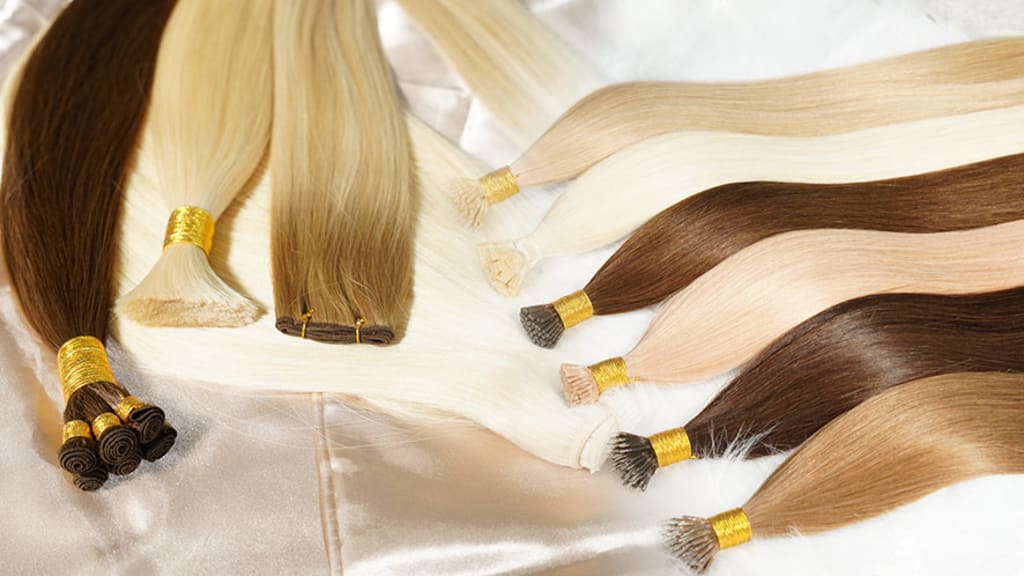
Custom Branding Strategy: Working with a Supplier for Hair Extensions for Private Labeling
Custom branding in the hair extension industry is all about shifting from basic reselling to creating your own identity with Private Label Hair Extensions. You just need a solid Hair Extension Supplier to back you up. Making this move flips standard products into real branded assets. Plus, building a long-term partnership usually means you'll get better wholesale pricing and higher margins. So, why is this change such a big deal for your long-term growth and ROI? Let's break it down.
Key Takeaways
- Transition to private labeling to control pricing and standardize hair specs, driving higher margins and repeat customer sales.
- Boost perceived product value by utilizing tiered packaging strategies or eco-friendly materials that align with your visual identity.
- Prevent manufacturing errors by giving suppliers a detailed brief specifying exact CMYK colors, dimensions, and Acceptable Quality Limits.
- Protect your investment by conducting Pre-Shipment Inspections (PSI) and complying with trademark and country-of-origin labeling laws.
- Launch efficiently by starting with 3-5 core SKUs, offering bundle deals to increase order value, and leveraging social media.
The Strategic Shift: Why Private Labeling is the Future of Your Hair Business
Private Label Hair Extensions turn a basic resale hustle into a real business with much better margins. Instead of settling for tiny markups on Wholesale Hair, you're in charge of the pricing, packaging, and what your clients experience. This shift drives repeat sales and builds loyalty your buyers actually remember. One salon owner working with Bono Hair even saw a 30% jump in their average ticket after making the switch. It makes sense. Branded products just feel more valuable. So, let's break down what a private branding strategy actually looks like in practice.
What is a private branding strategy for hair?
A private branding strategy basically means selling hair under your own Brand Identity instead of the supplier's. You get to pick the product names, design the packaging, and decide exactly how those extensions look when handed to a client.
It goes way past just slapping a logo on a bag. You're the one setting up the texture names, care guides, and pricing tiers. Having that kind of control helps you stand out. Plus, it makes it much easier to justify charging more. With that cleared up, you're probably wondering how much customization you can really get.
What is the difference between white labeling and private labeling?
The whole white labeling vs private labeling debate really just comes down to control. White labeling gets you a ready-made product where you can't change much. Usually, it's just your logo thrown on the package.
But private labeling—mostly through OEM or ODM partners—opens the door for deep customization. Think texture specs, unique packaging designs, and custom bundle options. That kind of flexibility completely shapes how your brand looks and feels out in the real world, leading right into building out your visual identity.
Phase 1: Defining Your Visual Identity and Signature Line
Your brand identity sets the tone for everything you sell. Start off with a clear logo, two or three core colors, and one clean font that actually fits your target client. That could be luxury, everyday wear, or trend-driven buyers. Just keep it consistent across labels, tags, and product names so your signature line looks intentional instead of random. This visual base shapes how people judge value before they even touch the hair, leading right into customizing the actual product.
Customizing Your Product Specs with Bono Hair
Specs define what your clients are actually paying for. Working with Bono Hair lets you control length (10–30 inches), color ranges, and density levels to fit your exact market. Think full bundles for glam clients, or a lighter density for a much more natural look.
Make sure to focus on hair alignment and Remy quality. This keeps cuticles intact and cuts down on tangling. That one choice alone dictates how long the hair lasts and how premium it feels in your hands.
One salon owner actually saw a 25% jump in repeat rates just by standardizing three core textures. Clear specs make reordering simple. Plus, they shape how your products get packaged next.
Designing for the "Instagrammability" Factor
Great visuals drive organic growth. Clean branding collateral—like matte boxes, soft-touch bags, or just neutral inserts—makes people want to share your product without you even having to ask.
Any custom branding you use needs to photograph well in natural light. Try high-contrast logos, minimal clutter, and packaging that actually frames the hair instead of hiding it.
When products look consistent in every single photo, it builds trust fast. But keeping that consistency really depends on understanding the structure and layout of the packaging itself.
Phase 2: The Anatomy of Hair Packaging and Unboxing
Packaging shapes what people think your hair is worth before they ever touch it. Custom Packaging, Branding Collateral, and little details like Bundle tags instantly show if your product is premium or just basic. A clean unboxing builds trust fast, especially with first-time buyers. Even wholesale clients judge your consistency here. You need to understand how packaging tiers work, mainly because your budget dictates how far you can push the whole experience.
The "Good-Better-Best" Branding Tiers
Start simple, then scale up. Entry-level Custom Packaging relies on clear bags with Wrap labels and basic Bundle tags. It's cheap and easy to reorder in bulk.
Moving to the mid-tier means adding branded silk bags or Silk hair bonnets. Yes, they cost more per unit. But they easily boost the perceived value and let you charge higher resale prices.
For the top-tier, you're looking at rigid magnetic boxes with inserts. The upfront price is higher. But you get rock-solid branding and much better client retention out of it. At this stage, your material choices really start to matter.
Sustainable Branding: The Eco-Friendly Edge
Eco-friendly packaging is still pretty rare in the hair space. That gives you a massive opening. Blending recycled boxes or biodegradable bags with Ethically Sourced Hair easily sets your brand apart from the crowd.
Costs usually run about 10–20% higher per unit. But plenty of buyers are totally fine with that charge if you just communicate it clearly.
Plus, suppliers like Bono Hair can actually match their sourcing to your Custom Packaging choices. That keeps your design and production perfectly consistent. Next up, you'll need the right partner to deliver all this at scale.
Phase 3: Vetting the Supplier for Technical Capability
A reliable Hair Extension Supplier is judged by what they actually make, not what they promise. B2B buyers just need proof. Can they deliver consistent quality in large amounts at a workable wholesale price? Start with a quick checklist. Ask for real production samples. Make sure colors match across different batches. Check for shedding and tangling after washing, look closely at packaging accuracy, and ask for their defect rates. You also need to know if they can handle repeat orders without causing delays. Simple enough. Once the quality checks out, you just need to know how to actually get started.
How to create a private label brand with Bono Hair
Setting up Private Label Hair Extensions with Bono Hair is a pretty straightforward path. First up, pick your product range. Think about the textures, lengths, and colors that fit your salon or target market best. After that, just send over your logo and packaging ideas. The team at Bono Hair will whip up some digital mockups. This lets you check out the placement and sizing before anything actually goes into production.
Then comes the sampling phase. Always get samples before you order in bulk. No exceptions. This is your chance to look at the hair quality and double-check the branding accuracy side by side. Keep in mind that lead times usually depend on how much you customize things. Basic packaging moves a lot faster than fully custom boxes.
Once everything looks good, you're ready for bulk ordering and production scheduling. This whole step-by-step process leads right into one crucial thing—the Supplier Brief.
The "Supplier Brief": Avoiding "Lost in Translation" Errors
Think of a Supplier Brief as your main playbook. It takes away the guesswork and keeps your supply chain safe from expensive mistakes. Make sure to list your exact technical specs. We're talking hair type, length ranges, weight per bundle, and specific color codes. When it comes to branding, state the CMYK values for print (skip the RGB), the exact logo size in millimeters, and exactly where it goes on the package.
You'll also want to lay out quality standards using AQL (Acceptable Quality Limit). For example, decide exactly how many defective bundles you'll accept per 100 units. This keeps expectations clear and measurable instead of vague.
Good briefs cut down on errors before production even begins. But paperwork isn't the whole story. You still have to physically check what actually shows up at your door.
Phase 4: Logistics, Quality Control, and Compliance
Getting products made is only half the job. Logistics and operations actually decide if you'll make money or lose it to delays, damage, or hidden fees. Your landed cost needs to cover the product price, shipping, duties, and storage. Miss one, and your margins will shrink fast. Quality control and legal checks belong right here, right before you make that final payment. Start with the inspection. That's where most of the preventable mistakes pop up.
Verifying Quality: Pre-shipment Inspection (PSI) for Branding
A pre-shipment inspection (PSI) proves your order actually meets your standards before you hand over the final balance. Inspectors look at logo placement, print clarity, and if the hair alignment stays consistent across the bundles. Even tiny problems, like slightly off-center branding, can make your products look bad on the shelf.
Use your acceptable quality level to create clear pass/fail rules. Say, no more than two defective units out of a hundred. It keeps quality control objective. No emotions involved. Once you lock down the quality, legal compliance is your next big risk.
Legal Essentials: Trademarks and Labeling Requirements
Register your trademark early. This protects your Private Label Hair Extensions from cheap copycats. In the US and EU, labeling laws usually ask for fiber content, country of origin, and your business contact details. Skip this, and you're looking at customs holds or heavy fines.
Your Custom Branding also has to follow packaging rules, especially if you're doing wholesale distribution. Clear, compliant labels speed up customs processing and cut down on delays. Once those legal and quality steps are good to go, you can map out a clean launch plan based on where you're sourcing from.
Phase 5: Launching and Marketing Your Private Label Line
Your products are ready, and now it's time to sell. A solid launch mixes clear marketing with pricing that fits your margins. Start simple, test fast, and scale what works. Most new brands win early by pairing smart offers with steady visibility. Getting your private label hair extensions live in an organized way is the first step.
What are the steps to launch a private label hair extension line?
Start with a clear Business Model. Set your wholesale and retail price gaps so you still make a profit after shipping, storage, and promos.
Prep your private label hair extensions for sale. That means finished packaging, clean product photos, and 3–5 starter SKUs.
Launch with a small drop. Offer Bundle Deals like “3 bundles + closure” to bump up the average order value without dropping your price.
Open up 1–2 sales channels. Many salon owners just start out on Instagram with a basic checkout page before they ever branch out.
After those first sales roll in, social media becomes your biggest real growth lever.
Promoting Your Brand on Social Media
Social media brings in early traction way faster than paid ads. Focus on short videos that show installs, before-and-after results, and daily wear.
Your Custom Branding needs to stay consistent. Stick to the same logo, colors, and tone so people recognize your Brand Identity in seconds.
Post 4–5 times a week and reply to every comment within the first hour. That early bit of engagement pushes your reach and builds real trust.
Team up with 2–3 local stylists instead of chasing huge influencers. Their audiences just convert better.
Over time, this steady visibility turns into repeat buyers and a much stronger long-term ROI.
Frequently Asked Questions About Hair Extension Private Labeling
What marketing strategies work for private labels?
Visual proof. Show raw before-and-afters on social media. Start with 3-5 core SKUs. Push bundle deals to spike your average order value. Forget expensive ads until your organic content converts.
How does a private brand strategy benefit a small business?
Total control. You stop competing on price with identical generic products. By standardizing your specs and slapping your brand on it, you dictate the markup. Higher margins and actual repeat customers.
How to source high-quality private label hair extensions in the USA?
Demand samples first. Find suppliers offering Pre-Shipment Inspections and strict Acceptable Quality Limits. Don't just trust a website. Ask for exact specs and test the hair yourself before committing to bulk.
How to calculate the landed cost per sellable unit?
Add it all up. Product cost, shipping, packaging, and customs duties. Divide that total by the number of units you actually received in sellable condition. Do not ignore the defective units.
About the Creator
Leo
Passionate men's hairstylist with a keen eye for detail and a knack for creating on-trend looks. Dedicated to delivering hair restoration education that enhances individual style.
Enjoyed the story? Support the Creator.
Subscribe for free to receive all their stories in your feed.
Comments
There are no comments for this story
Be the first to respond and start the conversation.