
Choosing Your First Wig for Bald Heads: A Beginner’s Guide
Beginner's Guide: Choosing Wigs for Bald Heads

Choosing Your First Wig for Bald Heads: A Beginner’s Guide
When clients deal with severe hair loss, choosing a wig for a bare scalp isn’t just about covering baldness—it’s about bringing confidence back. A sensitive scalp needs breathable bases that look fully natural.
If you’re a stylist working with Newtimes Hair, getting clear on the “why” behind your choice leads straight to the first big decision: the hair material itself.
Key Takeaways
- Choose human hair for maximum realism, or heat-friendly synthetics for budget-conscious styling.
- Opt for hand-tied monofilament or silk caps to prevent scalp irritation and create a natural-looking part.
- Use the "four finger rule" above the eyebrows to accurately position a realistic front hairline.
- Secure the wig with silicone tabs or double-sided tape for a strong, comfortable hold on bare skin.
- Wash the unit bi-weekly with sulfate-free products, and wear a bamboo liner to manage sweat and protect the scalp.
Understanding Your Needs: Human Hair vs. Synthetic Wigs
Helping a client deal with total hair loss starts with choosing the right material. You’re deciding between human hair wigs, synthetic wigs, or blended options. Each one affects how natural the result feels and how much confidence the client gets back. Prices vary, sure, but the real cost shows up in everyday comfort. Before getting into the internal base, it’s important to look at how these fibers behave on a fully bare scalp.
Is a Human Hair or Synthetic Wig Better for Total Hair Loss?
Human hair gives the highest level of realism for clients with no bio-hair at all. When you compare human hair vs. synthetic wigs, nothing really matches the natural movement of real hair. It behaves just like the hair your client lost. That’s what helps bring their confidence back.
When sourcing from Newtimes Hair, virgin hair and Remy hair tend to last the longest. You’re usually looking at 1 to 3 years with proper monthly care. They keep their soft feel and natural cuticle alignment through hundreds of washes. Synthetic fibers, on the other hand, often need full replacement every 4 to 6 months. Over time, that can make them more expensive to maintain.
But realism isn’t only about how the hair moves. The type of fiber also affects how heavy the unit feels on a sensitive scalp. And that naturally leads us to the newer, more flexible budget-friendly options coming into the market.
The Rise of Heat-Friendly Synthetic and Faux Hair
Beginner wig wearers usually want styling freedom without a huge upfront cost. Heat-friendly synthetic fibers make that possible. They let clients use curling irons and straighteners almost like they would on real hair.
Faux hair has come a long way in the past five years. These newer synthetics have lost that overly shiny look that used to make low-quality wigs obvious. They also keep their shape really well after washing. That makes daily maintenance much easier, especially for someone new to wearing wigs.
While the hair fiber handles what you see in the mirror, the real difference is underneath. Once the hair type is chosen, the foundation—the cap—becomes the most important factor for a bald scalp.
The Anatomy of a Bald-Friendly Cap Construction
A bare scalp doesn’t have the natural barrier of hair, so it’s much more exposed to friction. Traditional wig cap construction can feel rough and irritating on bare skin. A truly bald-friendly cap gets rid of stiff wefts and scratchy lace edges. Instead, it uses ultra-soft materials that stay in place without causing redness or tension headaches. You’re looking for a base that feels like a second skin. Managing scalp sensitivity should be your top concern when a client has no bio-hair to protect their head. Once you’ve got an irritation-free base, the next step is understanding which cap types deliver the most natural look.
Why Monofilament and Silk Bases are Essential for Realism
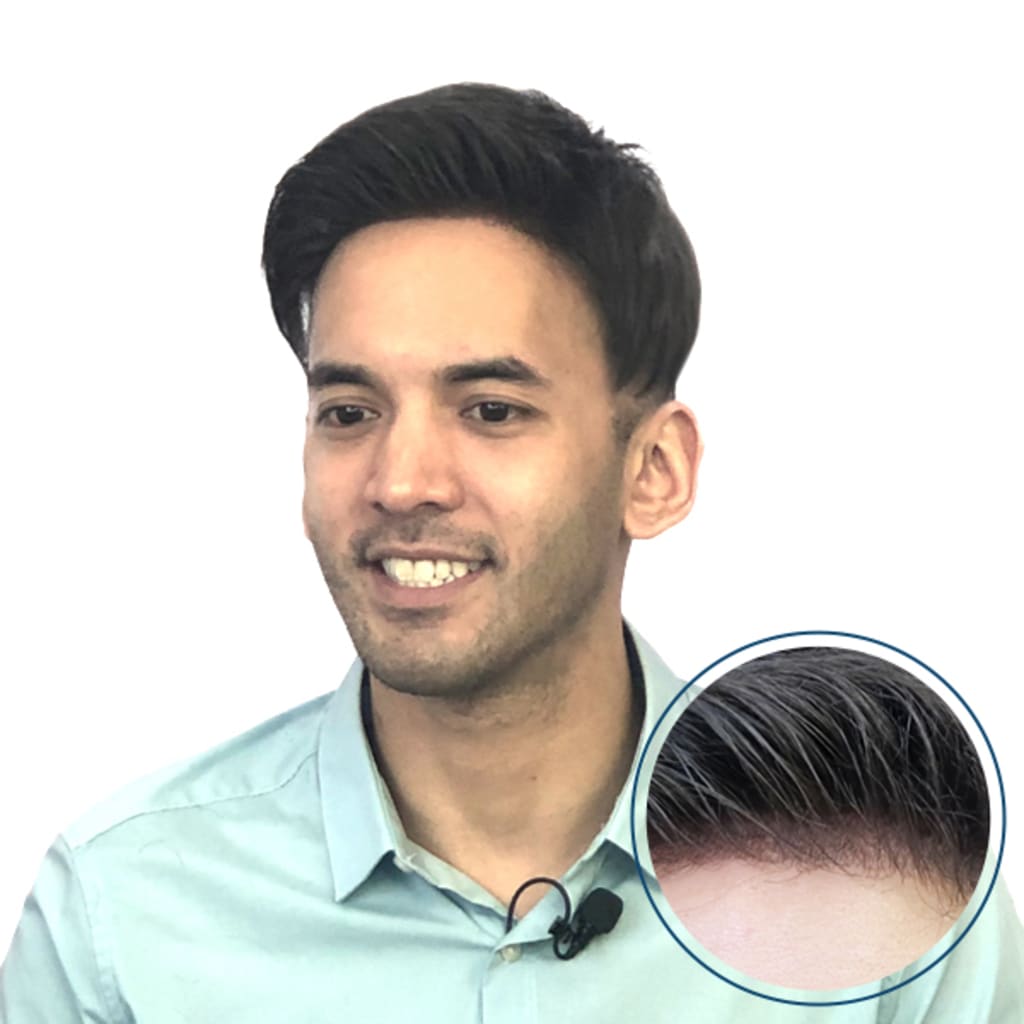
Clients with complete hair loss need to see a realistic part when they check the mirror. Monofilament caps make this possible with a sheer, breathable mesh. Each strand of hair is tied individually onto this fine material. When the hair is parted, the client’s own skin tone shows through.
Silk bases take it even further. They use an invisible knotting method where hair is injected through a layer of tinted silk. The knots sit completely hidden between the layers. The result is a look that closely mimics hair growing straight from the scalp. No visible dots or grid patterns give anything away.
Both options help restore confidence by making the wig nearly impossible to detect at a normal conversation distance. But appearance is only part of it for someone without bio-hair. That visual realism needs to pair with real comfort, which is where hand-tied construction comes in for all-day wear.
The Comfort of Hand-Tied Wigs for Sensitive Scalps
Machine-wefted caps have stiff seams that can press into bare skin after a few hours. Hand-tied wigs fix this by removing those bulky tracks entirely. Each strand is knotted by hand onto a soft, four-way stretch spandex cap.
This design lets the wig adjust naturally to the shape of the client’s head. The stretch reduces pressure points, making it a great option for people dealing with alopecia or sensitivity from chemotherapy. The fabric moves with the scalp instead of rubbing against it, which helps lower the risk of irritation.
Clients end up with a lightweight piece that breathes well and feels barely there. This smooth, seamless build means they can wear it all day without constantly thinking about taking it off. Once you understand which construction works best, it becomes much easier to choose the right newtimes hair solutions for these specific needs.
Choosing Newtimes Hair for Ultimate Scalp Comfort
Clients with complete hair loss rely on you to protect their sensitive skin while helping them feel like themselves again. That means you need a supplier that truly gets bare scalps. Newtimes Hair focuses on high-quality, ultra-soft foundations made specifically for total hair loss. They get rid of stiff materials that can cause friction and redness.
Working with Newtimes Hair gives you access to medical-grade caps that stay secure without added tension. You can also order custom templates shaped to your client’s exact head. A proper fit means the wig won’t slip or irritate, and it feels like a natural part of them. Before ordering that ideal piece, you’ll need precise measurements. So let’s go over how to measure an exposed scalp accurately for a seamless fit.
How to Measure Your Head for a First-Time Wig Purchase
A slipping wig can quickly shake a client’s confidence. You need accurate numbers to avoid that. Start by figuring out their basic head size. Wrap a soft measuring tape around the hairline. Begin at the front center, guide it behind the ears, and bring it down to the nape.
Next, measure from the front hairline straight back to the nape. Then run the tape from ear to ear across the top of the head.
Getting your wig size right means a custom piece from Newtimes Hair will sit snug on a sensitive scalp without causing painful pressure. But even a perfect fit only gets you halfway there. Once you have their exact head size, you need to pair that solid base with the right security tools to keep the piece in place all day.
The Security Trifecta: Staying Confident Without Bio-Hair
A snug fit from Newtimes Hair is just the starting point for feeling confident. Adjustable straps create the main tension, while a velvet wig grip adds a bit of soft hold. Silicone tabs react to body heat and cling right to a bald scalp. That keeps the base firmly in place. But once the cap is secure, the real challenge shows up: no natural hairline to blend with.
Silicone Grippers vs. Double-Sided Tape vs. Wig Glue
Bare skin produces oil, and that breaks down adhesive hold fast. Wig glue gives the strongest grip, but cleanup can get messy. Double-sided tape is a neater option.
If you want zero residue, silicone tabs handle the adhesion issue on their own. Once the piece is secure, the next step is lining up that front edge so it looks right.
How to Determine Where a Wig Hairline Should Start
Putting a wig on a fully bald scalp takes away your most useful guide. There’s no natural edge to follow. Set the unit too low, and it looks like a helmet. Push it too far back, and the forehead ends up looking too large. Getting a natural hairline comes down to precise placement, especially when blending isn’t possible. Helping clients feel like themselves again starts right at this front edge. You need a method you can count on to find that sweet spot. The classic four finger rule removes the guesswork from the process.
Mastering the "Four Finger Rule" for Wigs
This method uses simple facial proportions to guide placement. Have your client look straight ahead. Lay your four fingers flat on their forehead, with the bottom of your pinky sitting just above the eyebrows. The spot right above your index finger is where the front lace should start.
For most adults, the four finger rule lines up closely with natural growth patterns. It gives the face balanced proportions and can instantly boost confidence. A unit from Newtimes Hair will land right where a natural front edge would begin. If the client’s forehead shape stands out, adjust by about half an inch, but keep this as your baseline.
Getting this part right makes the whole piece look seamless. Once the base is set correctly, you can move into the creative choices. A solid, well-placed foundation makes it easier to choose the right color and style.
Selecting a Style and Color That Boosts Confidence
A perfect hairline only works if your client actually recognizes the person in the mirror. Hair loss takes away part of their identity. The right cut and color bring it back. When they wear a unit from Newtimes Hair, they should feel completely like themselves again.
Matching Aesthetics to Identity
Always match the style to the client’s face shape. And make sure it works with their skin tone too, since that’s just as important for a natural blend. Stay away from flat colors. Adding root shading gives that needed depth and mimics how hair naturally grows at the scalp.
These choices create instant confidence. Once they love what they see, you just need to show them how to keep it that way with proper daily care.
Maintaining Your Newtimes Hair Wig for Longevity
A client's newfound confidence only lasts as long as their hair system looks natural. Good aftercare protects both that emotional and financial investment. You should teach your buyers simple daily habits that help extend the life of their Newtimes Hair unit. It all starts with how they handle the piece at home.
Essential Washing Routines
Washing too often strips away essential moisture and can quickly wear down the hair base. Advise your clients to wash just once every one to two weeks. They should use sulfate-free products and cool water so the color doesn't fade.
Friction can ruin a perfectly blended hairline fast. Tell them to gently press the water out instead of wringing or pulling wet hair. This helps prevent unnecessary shedding.
Once the hair is clean, the base underneath still needs care. A flawless wig only feels right when you also protect the health of the scalp itself.
Scalp Health and Prep: Caring for Your Bare Skin
A newtimes hair unit won’t feel comfortable if the skin underneath is irritated. Clients need a healthy base to wear their hair with real confidence. Protect their bare skin from friction and trapped heat. Good prep helps the piece feel like a natural part of them.
Managing Sweat and Moisture
Sweat and dryness can quickly mess with everyday comfort. Advise buyers to use a lightweight moisturizer to keep their scalp in good shape.
To deal with perspiration, suggest a bamboo wig liner. Bamboo pulls sweat away and adds a soft layer between the skin and the base. With their skin ready, they’re set to handle the physical feel of their very first day.
The "First 24 Hours" Checklist: What to Expect
The physical prep is done. Now comes the mental hurdle. Stepping out into the world with a Newtimes Hair piece for the first time is a big psychological shift for your client. They might feel hyper-aware, checking mirrors all the time or wondering if anyone notices. That's completely normal. Your job is to help guide them through these early emotions. Here’s how to support them through day one.
Navigating the First Day
Tell your clients to expect a big confidence boost, mixed with a bit of anxiety. Seeing a full head of hair again can have a deep impact, but it takes time to adjust.
Suggest they wear the unit around the house first. Getting used to the weight and feel in a safe space helps them trust how secure it is.
Once they see the hair stays in place, that initial worry starts to fade and real confidence kicks in. But new wearers will still have lots of quick questions about daily care. Let’s go through those next.
Frequently Asked Questions for First-Time Wig Wearers
How can you tell if a wig is sitting too low on your forehead?
Four fingers. Place them flat above your eyebrows. If the hairline sits below your top finger, it is too low. Looks fake instantly. Pull it back.
What should a beginner look for when buying their first wig?
Cap construction over everything. Get a hand-tied monofilament or silk base. Bare scalps are sensitive. Cheap caps scratch and irritate. Choose human hair if budget allows for maximum realism.
How do I manage sweat and heat on a bald head?
Bamboo liners. They absorb moisture and block friction between the cap and your skin. Wash the unit bi-weekly to prevent buildup. Do not skip the liner.
Can I wear my wig while my hair grows back after chemo?
Yes. Just ditch the heavy adhesives. Tape or glue will rip out fragile new growth. Switch to silicone tabs or adjustable straps as stubble comes in. Protect the follicles.
About the Creator
Leo
Passionate men's hairstylist with a keen eye for detail and a knack for creating on-trend looks. Dedicated to delivering hair restoration education that enhances individual style.
Enjoyed the story? Support the Creator.
Subscribe for free to receive all their stories in your feed.
Comments
There are no comments for this story
Be the first to respond and start the conversation.