
china human hair factory
China Human Hair Factory Sourcing Guide

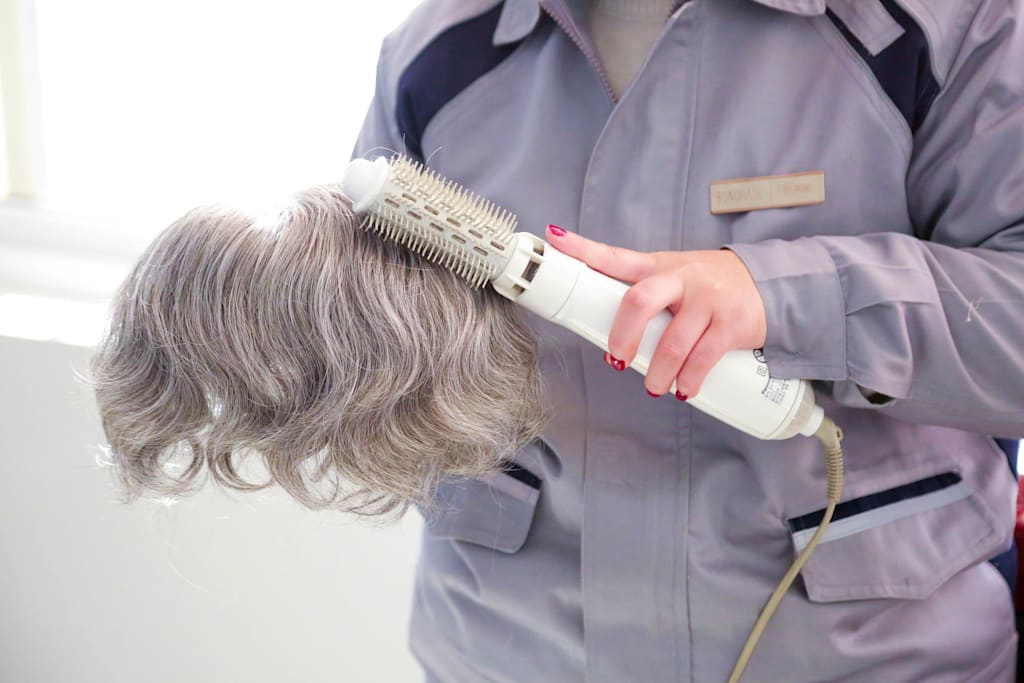
china human hair factory
A China human hair factory sits right at the heart of the global B2B supply chain, handling massive sourcing, processing, and distribution. Being a leading human hair manufacturer means China delivers consistent volume, fast turnarounds, and competitive pricing. Smaller markets just can't keep up. To see why China completely dominates this space, you first have to look at the specific regional hubs that specialize in different hair technologies.
Key Takeaways
- **Target specific regions:** Source from Xuchang for high-volume, budget bundles, or Qingdao for premium, hand-crafted wigs and HD lace.
- **Verify factory authenticity:** Demand live video tours of the production floor and audit reports to avoid 20–50% middleman markups.
- **Test for true quality:** Ignore arbitrary grades; verify cuticle integrity by bleaching hair to #613 blonde to ensure it lifts safely.
- **Upgrade salon offerings:** Utilize advanced manufacturing tech like Genius wefts and invisible tapes for seamless, higher-margin installs.
- **Calculate total landed costs:** Factor in hidden customs duties, VAT, and 3-7 day express shipping timelines to protect profit margins.
The Geography of Hair: Understanding China’s Manufacturing Hubs
China's hair industry hubs aren't just scattered randomly—they're highly specialized by region. Xuchang, Qingdao, and Guangzhou each handle different products, turnaround times, and price points. This matters for buyers. Picking the exact right city directly impacts your margins and the overall quality of the hair. If you need a steady supply or high-end finishes, your location dictates that right away. Let's look at Xuchang, the absolute center for large-scale bundle production.
Xuchang: The Global Capital for Mass-Market Bundles
Xuchang basically runs wholesale hair weave production. The factory lines here are built entirely for speed and massive volume. Most suppliers focus on machine wefts. That makes the city your best option for bulk buying at cheap unit prices.
Production is incredibly standardized. This keeps your costs low, but you do lose out on deep customization and fine details. It's perfect for entry-level brands or high-volume sellers. But if you need refined finishes, the coastal regions offer a totally different level of craftsmanship.
Qingdao and Juancheng: The Centers for Premium Wigs and Extensions
Qingdao and the nearby city of Juancheng completely specialize in human hair wigs and premium hair extensions. Factories in this area focus heavily on handwork. This is especially true for HD lace products, which need serious precision and skilled workers.
Yes, the price is higher. But so is the finish. You get much better hair alignment, realistic hairlines, and a longer product lifespan. This is exactly where established brands come to source their high-end inventory. Once you pin down the right region, your next step is just confirming if you're actually dealing with a real manufacturer or simply talking to a reseller.
Factory vs. Trading Company: How to Verify Your Source
Just because you get a low quote doesn't mean you're getting factory-direct pricing. A lot of those wholesale hair vendors are just middlemen slapping a 20–50% markup on top. Your first job is easy: figure out who actually makes the product. Ask to see a supplier audit report, their business license, and hard proof of production. If you skip this step, your margins will shrink fast. Simple as that. Let's look at the warning signs.
5 Red Flags When Sourcing from a China Human Hair Factory
Trading companies hate getting specific. If you ask about where the hair comes from, how it's processed, or their production capacity and just get vague answers, you've got a problem. The real wholesale hair suppliers can tell you their daily output, how many workers they have, and the exact machinery on their floor without even thinking about it.
Keep an eye out for details that just don't match up. Any "factory" that can't show you consistent product photos, keeps changing their address, or won't hand over audit documents is probably just reselling. Plus, if prices suddenly spike the second you ask for minor custom tweaks, you aren't dealing with an actual production line. Next up, you need to see things for yourself.
The Virtual Tour: Using Video to Confirm Production Lines
An actual factory will gladly walk you around their floor on a live video call. Ask them to show you the hackling, wefting, and storage areas in a single, continuous shot. If the video cuts out or they start making excuses, they probably don't control the production. So don't fall for it.
Make sure to ask about OEM/ODM and customized services while you have them on the line. Genuine manufacturers can explain exactly how they tweak density, length, and weft structure right there on-site. Once you know your source is legit, you're ready for the next step: understanding hair grading and quality.
Beyond the Grade: The Truth About Virgin, Remy, and Raw Hair
“12A” or “15A” grades don’t actually measure real quality. What truly matters is whether you're dealing with Virgin hair, Remy hair, or Raw hair—and if those strands are completely cuticle aligned. When cuticles run in the exact same direction, the hair tangles a lot less, sheds less, and handles processing much better. Heavy acid baths or thick silicone coatings just hide the damage, but that trick only works for a little while. The real test always shows up during color work, starting with how the hair reacts to bleach.
The Bleach Test: Can Your Factory Hair Reach #613 Blonde?
The bleach test is a incredibly solid benchmark. High-quality Remy or Raw hair easily lifts to #613 blonde during color processing without turning into a gummy mess or snapping off.
Low-grade hair usually stalls out at a brassy orange or gets super brittle after just one session. That's a huge red flag that the cuticles were fully stripped or mixed up.
This really matters for salons. Getting a predictable lift saves you time, cuts down on product waste, and keeps client results looking flawless every single time. And that leads directly into how you pick your suppliers.
Why Bono Hair Focuses on Cuticle Integrity for B2B Success
Bono Hair puts cuticle aligned sourcing and super strict quality control first, even at a massive scale. That means every single batch behaves exactly the same way under heat and styling chemicals. No exceptions.
When it comes to B2B supply, consistency is what keeps your return rate low and actually protects your brand's reputation. You aren't sitting around guessing how your next shipment is going to perform.
Plus, having totally reliable hair quality lets you offer a much wider range of services in the chair. That flows right into figuring out the absolute best extension methods for your clients.
Advanced Extension Technologies: From Genius Wefts to Nano-Rings
Chinese factories aren't just making more inventory—they're totally changing how extensions go in at the chair. Things like Genius wefts and hand-tied wefts are thinner now. You can stack them tight without adding bulk. Tape-ins give much cleaner installs these days with way less sticky bleed. And nano-ring systems? They bring that precise, heat-free lock-in for fragile hairlines.
Places like Xuchang push hard on mass innovation, while Qingdao goes all-in on highly detailed finishing. These leaps forward mean your salon gets a lot more wiggle room with pricing and service menus. But here's the thing. Better techniques don't mean much if you can't actually get the hair and keep it stocked. That brings us directly to picking a solid supplier.
Choosing the Right Bono Hair Extensions for Your Salon’s Clientele
Bono Hair creates practical, salon-ready systems that actually match what clients ask for. Take their invisible tape line. It sits perfectly flush against the scalp, which makes it a lifesaver for fine-haired guests who need a subtle volume boost. Seamless clip-ins work incredibly well as retail add-ons. They're quick to sell, simple to wear, and clients don't need a pro to put them in.
Consistency is the real win here. Pack after pack keeps the exact same thickness, color behavior, and install quality. That's how salons dodge nightmare redo sessions and nasty refunds. Predictability. When you're trying to grow your services or train up new stylists, knowing exactly what you'll get is everything.
So, once you nail down the perfect product mix, the next hurdle kicks in: getting those extensions from China onto your shelves fast, without suddenly running dry.
Sourcing Logistics: Shipping, Customs, and Lead Times
International shipping is where a lot of new buyers lose time and money. Taxes, delays, and MOQ pressure will quietly eat into your margins if you're not ready. Most suppliers in China ship things out fast. But what really matters is how long those goods sit in transit and at customs. Knowing your duties and realistic timelines keeps your shelves stocked. Here is what actually happens once your order leaves the factory.
Navigating Import Taxes and DHL/FedEx Timelines
Shipping lead times from China change depending on the region. Express carriers like DHL or FedEx usually take 3–7 days to get to the USA and UK. Deliveries to Africa often take around 5–10 days, depending on local infrastructure and how fast customs clears the package.
Customs duties are the real hidden cost. The USA might charge lower import taxes on hair products, while the UK and parts of Africa often tack on VAT or extra fees. This hits your total spend, not just the upfront price you see online.
Sending bulk orders slows things down a bit. Larger shipments deal with stricter inspections, especially when your MOQ is high. Smaller, frequent orders move much faster, but they push your per-unit shipping costs right up. Balancing this trade-off sets you up for much smoother long-term partnerships with your suppliers. It also answers a lot of your final sourcing questions.
Frequently Asked Questions About Chinese Hair Factories
Which is the best hair factory in China?
There isn't one. It's strictly regional. Xuchang dominates cheap, high-volume bundles. Qingdao owns the premium HD lace and hand-crafted wig market. Pick the city based on your profit margins.
Is it cheaper to buy human hair directly from a factory?
Yes. You instantly dodge a 20-50% middleman markup. Just remember to calculate total landed costs. Hidden customs duties, VAT, and express shipping will eat your margins if you aren't buying in bulk.
What is the difference between Indian, Brazilian, and Chinese virgin hair?
Marketing mostly. Most "Brazilian" hair is just processed Indian or Chinese hair. True Chinese hair is incredibly thick and straight. Indian hair is finer with a natural wave. Ignore the labels.
How can I verify the quality of a hair manufacturer in China?
Demand a live video tour of the actual production floor. Ignore arbitrary grades like 12A. Buy a sample and bleach it to #613 blonde. If the hair fries and snaps, it's trash.
About the Creator
Leo
Passionate men's hairstylist with a keen eye for detail and a knack for creating on-trend looks. Dedicated to delivering hair restoration education that enhances individual style.
Enjoyed the story? Support the Creator.
Subscribe for free to receive all their stories in your feed.
Comments
There are no comments for this story
Be the first to respond and start the conversation.