
Can the supplier provide a 7-star color ring for salon-requested extension shades?
Professional Hair Color Ring | Bono Hair Extensions

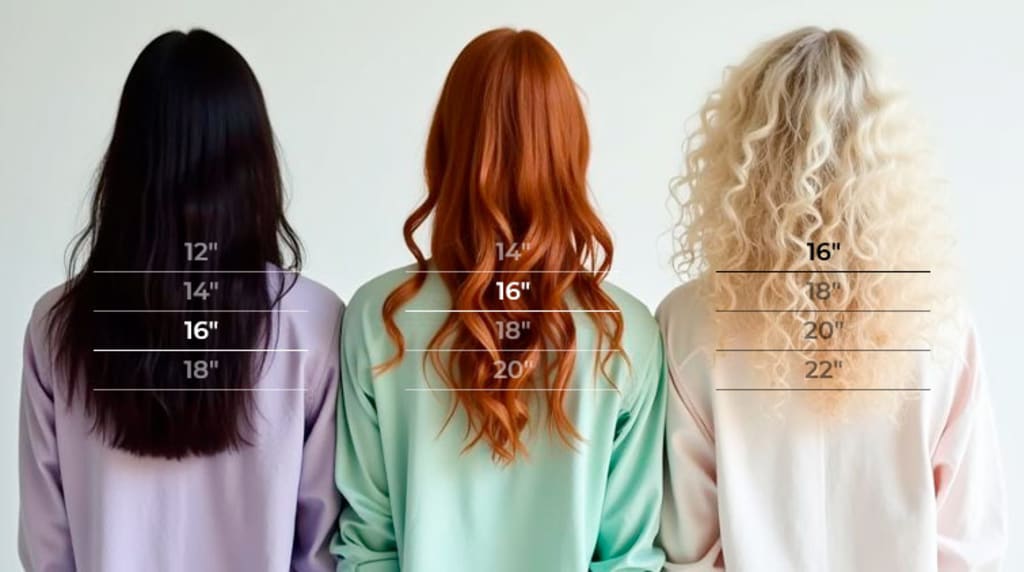
Can the supplier provide a 7-star color ring for salon-requested extension shades?
A 7-star color ring is a lot more than just a basic display tool. It tells you right away if a supplier can actually nail the exact extension shades your salons ask for. For buyers working with Bono Hair, getting this right makes a massive difference in client consults. It also means you can place reorders without second-guessing yourself.
Here's exactly how to check ring quality and ask factories for your own custom shades. You'll also see the best ways to keep those color matches completely consistent across every single client order.
Key Takeaways
A 7-star color ring ensures exact shade matches across reorders.
Remy hair with aligned cuticles keeps color consistent under different lighting.
Custom shades rely on documented dye formulas for repeatable production results.
Check swatches under salon lighting and natural daylight to avoid mismatches.
Proper storage and timely swatch replacement maintain accurate color references.
Understanding the 7-Star Color Ring Standard in Professional Extensions
A 7-star color ring pushes the standard way past your basic hair extension swatches. It basically guarantees spot-on shade accuracy, high-end materials, and results you can duplicate across mass orders.
For salon owners and distributors teaming up with suppliers like Bono Hair, this totally cuts out the guesswork. It proves right away if a factory can hand over the exact same tone today, a month from now, and in massive quantities. Small change, big impact.
What Factors Determine 7-Star Remy Quality in Color Swatches?
You won't find mixed or synthetic fibers here. 7-Star Remy Hair swatches lean heavily on hardcore raw material standards. Every single strand has to be 100% Remy human hair, meaning the cuticles stay completely intact and face the same way from root to tip. This stops the hair from matting up and keeps the color reflection dead even across the whole swatch.
The real gap between normal color rings and 7-star pro sets comes down to processing limits. High-tier swatches skip the thick silicone coats and aggressive chemical baths that hide the true color. They actually use careful dye tactics that trap the real tone inside, all without messing up the underlying shades.
Bulk consistency is a huge deal, too. A solid 7-star ring makes sure every single piece matches the actual production lines. So, whatever you show your client sitting in the chair is exactly what shows up in the delivery box. Simple as that.
Why Natural Cuticle Alignment Prevents Color Matching Discrepancies
Keeping cuticles perfectly aligned naturally locks the tone in place under all kinds of lighting. When the hair flows entirely in one direction, light bounces evenly off the surface. Visual swatches actually give you the honest shade instead of weirdly jumping between warm and cool tones.
Stripped or messed-up cuticles throw light all over the place. That's exactly where so many salons run into color issues. A piece that looked like a flat neutral brown inside the shop suddenly looks brassy as soon as you stand near a window. That just leads to annoying remakes, refunds, or wasting time on extra toning.
For wholesale buyers, lined-up Remy hair takes a lot of those risks off the table. Your team gets a solid baseline to trust during client consults. Plus, it essentially guarantees the extensions you install will actually match the chosen swatch—whether you're looking at it under shop bulbs, bright sunlight, or the flash of a camera.
How Custom Salon-Requested Shades Are Developed by Manufacturers
Custom color wigs and extensions always start with one clear goal: matching exactly what your client approved right there in the chair. Factories like Bono Hair take that single reference point and turn it into a repeatable, production-ready shade.
Here's the thing about consistency. A solid system makes sure every single reorder hits the exact same tone, rather than just delivering something close.
How Do Suppliers Formulate Custom Shades from Physical Hair Samples?
Suppliers usually start off by turning a physical hair sample or color code into a highly controlled lab formula. Technicians look at the shade and break it down into easy-to-measure parts—base level, undertones like ash, gold, or red, and overall depth. Then, they test out small dye batches on Remy hair that matches the final production quality. No exceptions.
Accuracy relies heavily on repetition, not just pure guesswork. Every test swatch gets dried completely, checked out under neutral lighting, and tweaked in tiny one or two-level shifts. They keep up these tone corrections until the hair visually matches the original piece. That's exactly how custom color wigs and extensions manage to remain so consistent across large bulk orders.
To lock in accurate tone matching for new salon-requested extension colors, these factories write down exact dye times, precise temperature ranges, and specific pigment ratios. Once they nail it, that exact formula acts as the gold standard for every future production run tied to that specific shade.
Integrating Trending Balayage, Piano, and Rooted Tones into Standard Rings
Dimensional shades get built up in careful layers instead of a single massive dye step. When dealing with balayage or rooted tones, factories apply the color in multiple stages. They hit the dark root first, handle the mid-length blend second, and finally tackle the lighter ends. They use highly controlled spacing so every single swatch perfectly mirrors natural salon placement patterns.
Precision is incredibly important when dealing with tricky multi-tone work. Even a tiny 5 mm shift in a root depth or highlight spacing can totally change how the overall color reads on a client's head. So, high-end 7-star systems always standardize their sectioning patterns long before the dyeing process even starts.
For busy salon professionals and stylists, this whole process means each swatch on the color ring shows a safely repeatable layout instead of a random one-off design. Piano colors stick closely to fixed stripe widths. But balayage styles rely on carefully measured gradient transitions. It's a setup that guarantees every new reorder delivers the exact same visual effect your clients expect.
Comparing 7-Star Color Rings to Standard Industry Swatch Systems
A 7-star Color Ring isn't just for show—it's built for repeatable precision. Regular colour rings usually feature single-tone samples with loose tolerances, which means two batches can easily drift a half-level lighter or warmer. The main difference comes down to control. 7-star professional rings lock in exact dye ratios, sectioning patterns, and lighting checks so every single reorder lands on the exact same shade. Simple.
The way they're built is another big factor. A 7-star ring uses production-grade Remy hair with fixed placement for the roots, mids, and ends. Standard rings often just rely on simplified swatches instead. This tighter setup heavily boosts match accuracy for custom salon shades. Plus, it cuts down on costly remakes for distributors and salon chains.
Best Practices for In-Salon Color Matching During Client Consultations
A 7-star color ring turns client consultations into a controlled matching process, rather than sheer guesswork. It lets stylists compare exact root, mid, and end tones right against the client's hair in real time.
The biggest benefit here is consistency. What you match in the chair is exactly what gets delivered, especially when you're getting pieces from suppliers like Bono Hair.
How to Distinguish Base Tone vs. Multi-Dimensional Undertones
Start by pinning down the base tone right at the root area. Just hold the 7-star ring swatch flat against the client's roots and block out the surrounding hair with your hand to cut down on visual noise. This isolates the main level and temperature—warm, neutral, or cool—without highlights getting in the way.
Next, check the dimensional shades through the mids and ends. Tilt the swatch a bit and see how the light bounces off the strands. Multi-tonal hair usually shows two or three visible shifts. Think ash over gold or beige on top of neutral brown. Matching both of these layers boosts accuracy and cuts down on expensive remakes. Simple.
Evaluating Extension Swatches Under Salon LED vs. Natural Daylight
Lighting totally messes with how color reads, and it tricks even veteran stylists. Under salon LED lights, cool tones usually look a bit flat, while warm tones pop brighter than they actually are. So, always check your visual swatches under two settings: your salon's normal LED setup and indirect natural daylight next to a window.
To avoid weird color shifts, make sure the swatch and the client's real hair react the exact same way in both lights. If a shade looks perfect indoors but turns insanely warm outside, it's just not a true match. Stylists who double-check these lighting conditions deal with way fewer returns and get much better results on repeat orders. That's a fact.
Ensuring Swatch Compatibility Across Different Extension Methods
A 7-star color ring stays perfectly consistent across tape-in, weft, and keratin extensions because the shades are standardized right down to the strand level. So, if you're wondering if these color rings work with different extension methods, the answer is an absolute yes. The color reference doesn't change based on how you apply the hair. That means the match you find during a consultation carries straight through to ordering and the final install.
What does change is how you maintain and update your ring. Instead of buying a whole new set, just order individual replacement swatches when a shade fades or a supplier updates a tone. It's really that easy. Make sure to keep the ring holder clean and clearly labeled so busy stylists can grab the exact match fast. Plus, suppliers like Bono Hair offer custom shade matching. This helps you align your everyday stock with what your clients actually want.
Ordering Custom-Branded and White-Label Color Rings for Growing Salon Chains
Yes—most wholesale suppliers can easily make white-label 7-star color rings featuring your salon logo. They'll even print your own shade naming system. This is a big deal once you run multiple locations, mainly because every stylist needs to speak the exact same "color language" during client consultations.
Getting a wholesale trade account usually opens up these perks, giving you low minimum orders and shades that stay consistent every single time. Bono Hair, for instance, can match custom tones so your private label actually fits real client demand. Plus, you can bundle these branded rings with Installation Tools. This gives every station a complete, standard setup. The result? Faster service and way fewer color mismatches across your whole chain.
Protecting Your Investment: Maintenance Strategies for Salon Color Rings
A 7-star Color Ring only keeps its value if the shades stay perfectly accurate over time. Daily handling, light, and normal air exposure can shift those tones much faster than most salons realize. The main strategy is pretty basic. Just limit exposure and control the room environment. That keeps your reference shades totally reliable for client consultations.
Always store each Color Ring in a closed case, safely away from direct sunlight and heat sources above 25°C. Clean your swatches every month using a soft, dry brush—but never use water or alcohol. You'll also want to rotate your display units every 2–3 weeks to cut down on uneven fading. Replace those highly-touched shades first. Wondering how often hair extension color rings get updated with new seasonal shades? Brands like Bono Hair usually refresh them once or twice a year, so just try to align your own replacement cycle with those new releases.
Managing Swatch Wear: The Swatch Replacement Model vs. Complete Ring Repurchase
Swapping out a few worn shades makes a lot more sense than buying a brand-new ring. Most suppliers let you just order individual Hair Extension Swatches when they start to fade, fray, or lose their true tone. This keeps your 7-star color ring totally reliable, and you don't have to restock your entire inventory.
Can you just order single replacement swatches for your salon's color ring? Usually, yes. Bono Hair and similar suppliers let you restock shade-by-shade—even the custom tones your salon specifically asked for. This means you can keep matching client hair flawlessly, manage your budget, and skip buying an entirely new bulky set. That's it.
Sourcing Protocols: How to Request Custom Color Swatches from a Wholesale Supplier
Getting accurate custom shades starts with a clear way to ask for them. Most factories will gladly match your salon's exact tones, but only if you give them the right details and use standard reference tools like a 7-star color ring.
First off, figure out your starting point: where to buy a professional hair extension color ring for Remy hair? Pick up a standard ring straight from your supplier, like Bono Hair. This makes sure everyone is looking at the exact same shade codes. Once you have that, send in your custom request with three things. You'll need the exact color codes or physical samples, the target undertone (warm, neutral, or ash), and the depth level you want.
Can the supplier provide a 7-star color ring for custom salon shades? Just ask them directly. When you do, make sure to include photos taken in natural daylight along with a small 5 to 10-gram hair sample. Doing this really cuts down the chances of getting the wrong color. It also speeds up the overall approval process, usually wrapping things up in about 7 to 10 business days.
Tolerances in Natural Hair Dyeing: Managing Batch Color Variances
Small color shifts are totally normal in Remy Human Hair since each donor batch takes in dye a little differently. Most factories give a bit of wiggle room—usually allowing a tolerance of about half to one shade level on a standard color ring. For bulk orders, that's considered perfectly acceptable.
Keeping things consistent comes down to strict product specs and repeatable checks. Suppliers sort the raw hair by origin, pre-lighten it to a steady base level, and sign off on lab dips before starting the main production. A lot of places also check the finished bundles against a 7-star color ring in natural daylight. For salons, this keeps installs looking uniform for every client. Plus, it cuts down on reorders from a bad color mismatch.
How to Store and Preserve Physical Color Rings in High-Volume Salons
Color rings lose accuracy fast if they sit under salon lights all day long. UV exposure can easily shift tones by half a shade in just a few months. That completely breaks consistency against a 7-star reference. The goal is simple. Keep your Visual Swatches stable so every match gives clients exactly what they expect to get.
Make sure to store rings in closed drawers or UV-blocking acrylic boxes instead of leaving them on open stations. Keep them at least 2 meters away from windows. You'll also want to keep them far away from peroxide, bleach, and ammonia fumes hanging around your Installation Tools areas. Wipe the handles down every week with alcohol-free cleaners. And rotate your display rings every 30 days to cut down on light fatigue. That's it.
Key Sourcing Criteria When Choosing a Wholesale Extension Factory in 2026
A solid factory does a lot more than just ship out color rings—it actually protects your match accuracy and reorder speed. The right partner helps salon pros keep every single shade consistent across different batches and locations. Simple as that.
Focus on suppliers that back custom shade development, especially the ones tied to a 7-star system. But here's the thing. That rating only matters if the factory can actually reproduce exact undertones on request, rather than just handing you standard swatches. Make sure they offer a solid Wholesale Trade Account featuring repeatable color codes, barely any batch variation, and clear lead times.
And definitely pay attention to sampling speed, shade expansion capacity, and how well they communicate. Bono Hair, for instance, is often rated on how fast they turn salon-requested shades into production-ready rings without shifting the tone. That part is crucial.
Elevating Client Trust with Professional Consultation Aids
A premium 7-star color ring makes client consultations completely stress-free. It shows precise undertones, depth, and blend options all in one spot, so your clients can easily see the actual match before you order. The real payoff here is trust. When a hair sample looks perfect right under your salon lights, clients commit faster and don't second-guess themselves. It's really that simple.
So, why bring a 7-star color ring into your styling chair? It cuts out messy remakes and skips the refund conversations. It also speeds up the entire approval process and backs up custom shade requests that Bono Hair can perfectly reproduce. That level of reliability helps you lock in more extension sales and keeps every future reorder dead-on accurate.
Custom Color Ring Manufacturing Solutions with Bono Hair
Bono Hair makes custom color rings that actually reflect what your salon needs, rather than relying on a generic shade chart. The main advantage here is precise, repeatable color matching using 7-Star Remy Hair. So, every single reorder lines up perfectly with that very first consultation sample. No exceptions.
For salons and distributors, you're looking at fewer remakes and much tighter stock control. Bono Hair helps build custom shades right from the swatches you send in. Plus, they keep things perfectly consistent across all your bulk orders through a Wholesale Trade Account. Bottom line? You get a color system your team actually trusts and your clients recognize right away.
Frequently Asked Questions About 7-Star Extension Color Rings
Can I order individual replacement swatches for custom salon shades?
Yes. No need to rebuy the whole ring. Suppliers like Bono Hair sell single swatches, so you swap faded ones only. Most salons rotate and replace high-touch shades every 2–3 weeks to keep color dead accurate.
Is it possible to put our salon logo and custom shade names on a 7-star color ring?
Yes. White-label is standard. Your logo, your shade names, same ring. Big deal for multi-location salons—everyone uses one color language, zero confusion during consults and reorders.
About the Creator
Leo
Passionate men's hairstylist with a keen eye for detail and a knack for creating on-trend looks. Dedicated to delivering hair restoration education that enhances individual style.
Enjoyed the story? Support the Creator.
Subscribe for free to receive all their stories in your feed.
Comments
There are no comments for this story
Be the first to respond and start the conversation.