
Can I get a custom horseshoe hair piece for male pattern baldness?
Custom Horseshoe Hair Pieces for Male Baldness in 2026
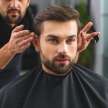

Can I get a custom horseshoe hair piece for male pattern baldness?
A custom hair system for a horseshoe baldness pattern matches your exact hairline, density, and color without any surgery. Non-surgical hair replacement just blends right in with the hair you still have. The result? It looks totally natural, whether you're up close or moving around.
Guys wearing options from providers like Lordhair usually get a clean, undetectable finish, as long as the fit is right on the money.
Here, you'll learn exactly how to measure, pick out, and order a piece that fits right into your horseshoe pattern. Simple.
Key Takeaways
Custom horseshoe hair systems match your hairline, density, and color precisely.
Advanced horseshoe baldness enables seamless blending with existing side and back hair.
Fully custom units fit better; stock cut-to-size offers faster, cheaper entry.
Accurate head templates ensure precise perimeter fit and reduce visible edges.
Use lace crown for breathability and poly edges for secure adhesion.
Understanding the Horseshoe Pattern: Why Advanced Hair Loss Is Ideal for Top Systems
When you have a classic horseshoe pattern of male baldness, it leaves solid hair around the sides and back, even as the top thins out or goes completely bare. This leftover ring—usually called the donor area—tends to hang onto its thickness and color for the long haul.
This clear contrast is exactly what makes top hair systems look so real. Since the piece just covers the bald spot, it blends right into your own natural hair on the sides and back. Less coverage means you have fewer edges to hide. Plus, it gives you a much cleaner match in thickness. That's why having advanced hair loss actually sets you up for the most seamless result possible.
Can You Get a Custom Hairpiece Tailored to a Horseshoe Baldness Pattern?
Yes, a custom hair piece can be made to match the exact outline of a horseshoe bald area, right down to your specific measurements and hair density. That kind of precision is exactly what makes the hair prosthesis blend right in with the thicker hair on your sides and back.
A good custom unit maps directly to your scalp, so the front hairline, crown, and edges sit perfectly on your head. Guys who switch over from standard stock sizes usually notice way fewer visible seams and a much better density match. Plus, non-surgical hair prosthetics let you pick the color, wave, and base type. That's what helps the final result look just like your own naturally growing hair.
Custom Hair Systems vs. Customized Stock Units: A Strategic Comparison
Custom hair systems and stock toupees tackle the exact same issue, just in completely different ways. One gets built perfectly for your unique scalp shape, while the other gets trimmed down to fit. Finding the right choice really comes down to how precise your edges need to be, how fast you want the unit in your hands, and your budget for a new hair setup.
Fully Custom Hair Systems for Perfect Perimeter Matching
Going fully custom gives you the tightest match possible for an uneven horseshoe pattern. It traces your actual hair loss curve, right down to those sharp temple dips or tricky back edges. Because of this, the perimeter sits perfectly flush against your skin. No gaps. No lifting.
That kind of exact physical fit is a huge deal when your bald spot isn't just a basic oval. Guys usually notice the blend into their remaining side and back hair looks way smoother. This really matters under bright lights or if you currently wear a shorter haircut. But there's a trade-off. These custom units take longer to make and cost more upfront than regular stock options.
Cut-to-Size Stock Systems for Faster Delivery and Budget Balance
You can turn a stock toupee into a custom-fitted piece just by cutting the base to match your head's outline. This route works great for normal horseshoe shapes where your hair loss curve is pretty even. You just don't need millimeter-level precision here.
The biggest upside is speed and a lower starting price. Since stock units are already made, they ship out fast. It's also a lot easier on your wallet if you're trying out a Lordhair unit for the very first time. But you do give up a little on the fit. You might need to spend extra time working with edge adhesives, and the final blend won't be quite as flawless as a fully custom build.
How to Create an Exact Head Template for Your Horseshoe Bald Area
A clean head template makes all the difference between an okay hair system and a truly precise fit. It maps out your actual hair loss pattern, catching everything from crown thinning right down to uneven edges. This way, the base hugs your scalp perfectly. No gaps.
Grab some plastic wrap, pull it tight over your bald spot, and tuck the edges under your actual hair. Next, lay clear tape across it in overlapping strips until the surface feels nice and firm. Take a marker and trace the horseshoe boundary, making sure to follow the natural dips and curves of your hairline. Once it's dry, just lift the whole thing off carefully. That mold is now your exact sizing guide.
Base Material Engineering: Balancing Perimeter Security and Crown Breathability
The best hair systems don't just use a single material across the entire base. They actually split the work: airflow on top, strong hold around the edges.
Mixing a Swiss Lace or French Lace crown with a Skin Poly base around the edge creates a highly natural look. Plus, it stays firmly stuck down no matter what your day looks like.
Breathable Swiss Lace and French Lace Core Construction
Swiss lace hairpiece designs are the go-to for maximum crown breathability. The ultra-fine mesh lets heat and sweat escape. That's huge if you wear the system all day or live somewhere warm. It also sits flat against your scalp, making the hair look like it's growing right out of your head.
French lace is a bit thicker, but definitely stronger. A lot of first-time users prefer it since it perfectly balances airflow with a longer lifespan. You still get great ventilation, but you won't have to stress as much about accidentally tearing it when you wash or reattach the unit.
Both options ditch that heavy, "covered" feeling on top of your head. You end up with a lighter, highly natural experience that looks completely real—even standing under harsh lights.
Polyurethane Skin Perimeter Edges for Secure Perimeter Bonding
A Skin Poly base around the edge is what keeps the system locked down tight. This thin polyurethane strip acts as a smooth, solid surface where tapes and liquid glues can grip way better than they ever could on raw lace.
Getting that super strong bond around the edge really counts near the horseshoe area, right where your natural hair meets the system. Everyday movement, sweat, and basic styling put a lot of stress on this spot. A stable hold stops the system from lifting and hides any visible lines. Simple.
It makes attaching the hairpiece a whole lot easier, too. You can use tape for a quick install or grab some glue for a long-term hold. Both stick cleanly to the poly surface without turning into a messy seep-through disaster like they sometimes do on lace.
Mastering Density Transition: Blending the Hairpiece Edge with Natural Hair
A sharp edge gives a hair system away in seconds. The trick is controlling the density so it fades from full coverage right into your own hair. No harsh lines.
Technicians tie fewer knots and drop the strand count along the front 5-10 mm. From there, they slowly bump up the thickness toward the mid-scalp. This taper naturally copies how real hair actually grows out—thinner at the hairline, fuller right behind it. Simple. They'll also match up the curl pattern and hair direction, making sure both parts move together. Get it right, and you wind up with a truly seamless blend. It looks completely natural, even if someone stares closely under a bright light.
Color Matching and Gray Integration for Natural Horseshoe Boundaries
Getting the color wrong is the fastest way to make a hair system obvious, even if the density's perfect. The main idea is a precise match that blends your natural tones and gray percentage so the boundary totally disappears.
Custom makers look at photos under neutral lighting and break your hair color down into zones—like the temples, sides, and back—since gray rarely spreads out evenly. They might mix 10–40% gray into the sides while keeping the crown a bit darker. This gives you a younger look without seeming fake. Brands like Lordhair actually hand-blend the strands to naturally mimic those subtle salt-and-pepper patterns, rather than just using a flat, single shade.
Hairline Scalloping and Professional Cut-In Techniques
A flat, straight edge is going to give a hair system away every time, even if the color is a perfect match. You want an undetectable hairline that breaks up that solid border into small, uneven curves. That's how it blends right into your real hair. This is exactly where professional installation makes the biggest visual difference.
Stylists use edge scalloping to trim the lace into soft, irregular dips instead of leaving a harsh outline. Then they do a cut-in right on your head. They'll thin out the perimeter and match the length and direction of your side hair. One Lordhair client actually mentioned the hairline only disappeared after this step—definitely not before.
Attachment Protocols: Securing Your System Along the Horseshoe Perimeter
A reliable hair system relies heavily on how well you anchor that shaved horseshoe perimeter, rather than just worrying about the hairline design. The right adhesive routine keeps the base completely flat, cuts down on edge lifting, and holds a natural look to handle daily wear.
Liquid adhesives like acrylic-based glue give you the strongest hold. If you prep your skin right, they'll often stick around for 2-4 weeks. Water-based choices are a lot gentler and way easier to clean up, but they usually only hold out for 5-10 days. As for tapes, thin lace front strips leave a much cleaner edge. But if you're dealing with oily skin, stronger perimeter tapes will really boost your grip. A lot of beginners start out with simple tape. Then, they switch strictly to liquid glue after seeing a professional installation.
Perimeter Cleaning and Scalp Care: Preserving Your Natural Hair Anchor
Ignoring adhesive buildup around the horseshoe perimeter can ruin your hold and irritate your skin. Solid hair system maintenance keeps this boundary clean. Plus, it protects the natural side hair that anchors the whole thing together.
Start by putting a little adhesive remover on a cotton swab. Don't apply it straight to your scalp. Gently trace the residue line and wipe outward so solvents don't soak into your growing hair. Just wash the area with a mild shampoo after each cleanup. Simple. This habit keeps your scalp healthy and your attachment tight, all without thinning out your natural hair.
Real-World Transformation: A Case Study in Seamless Horseshoe Integration
A 42-year-old client in Chicago finally ditched his hats for a custom horseshoe unit after dealing with visible crown thinning for years. In just one fitting, the blend between his natural sides and the new top looked completely seamless—whether he was sitting under harsh office lights or standing out in the sun.
The result? A massive confidence boost. His coworkers simply mentioned he looked "well-rested," rather than "different." That's the ultimate sign of a natural look. He also cut his morning prep time down to about 10 minutes, with absolutely zero need to adjust anything throughout the day. This real-world example proves exactly how a precise fit transforms both your appearance and everyday comfort without drawing unwanted attention.
Overcoming Common Aesthetic Misconceptions About Male Hairpieces
Modern male hairpieces don't look like those stiff, obvious units many people still picture. Today's designs actually focus on a totally natural look that blends right in with your real hair. Yes, even in cases of advanced baldness.
Custom modern hair systems are made to match your exact hair density, color, and growth pattern. This kind of precision gets rid of the sharp edges and weird uniform thickness that made older pieces so easy to spot. Plus, thin base materials sit much closer to your scalp. So, the hair moves naturally in the wind and light, rather than sitting there as a fixed layer.
Directional Growth and Crown Swirl Customization
Hair that follows natural directional growth looks real right away. Why? Because it mimics exactly how your own strands fall, split, and lift right at the roots. The trick is matching the crown swirl and flow pattern. Doing this ensures the horseshoe system blends in perfectly, leaving no obvious "start point."
Hair ventilation techniques actually control this effect right at the root level. Expert knotting places every single strand at a precise angle to copy both your crown swirl and side flow. That's exactly why the hair parts naturally and moves in the breeze. It completely avoids that flat, brushed-forward look you often get with older pieces.
Transitioning from Hat Reliance to Non-Surgical Hair Systems
It's a big shift to ditch the safety of a hat and show your hair again. Most guys find the first week of daily wear feels a little weird. But a custom Lordhair system quickly becomes just another part of the everyday routine.
Keep it simple. Start with short outings, and just build up from there. One guy shared he went from quick grocery runs to full workdays in under 10 days. Moving away from the hat slowly gives you a steady confidence boost. Especially once you realize the hair moves and parts completely naturally out in public.
Comparing Non-Surgical Hair Systems and Surgical Transplants for Norwood 6–7
For Norwood 6–7, hair transplants usually fall short. Why? Because donor hair follicles are limited, but the bald areas are huge. Non-surgical hair replacement covers the entire scalp right away. You get a consistent density that doesn't rely on whatever hair is left at the back of your head.
Transplants also mean multiple surgeries, massive costs, and waiting 8 to 12 months just to see partial results. But systems like Lordhair give you full coverage in a single fitting. One person described going from totally bald to a natural hairline in just one afternoon. Surgical hair restoration simply can't match that at this stage.
The Horseshoe Hair Checklist: What to Verify Before Custom Ordering
A solid custom Lordhair order starts with clear specs, not guesswork. This checklist nails down the details that make a horseshoe system look natural instead of obvious.
Make sure the base size and shape fit your bald spot to within a few millimeters, and pick your density (usually 90–110% for mature hairlines). You'll want to call out the hair direction and wave pattern so it blends cleanly with your sides. Ask for single-knot ventilation at the front to get a softer edge, and double-check that the knots are bleached. Lastly, lock in the exact color using a physical sample or shade ring so you don't end up with a mismatch. That's it.
Cost, Lifespan, and Ongoing Maintenance Expectations
A custom horseshoe system usually starts around $200 to $600. The exact price just depends on the hair type and base material you pick. Human hair versions sit at the higher end, but they give you a much more natural look that blends right in with your own sides.
Most units hold up for 3 to 6 months of daily wear. The real expense actually comes from upkeep, though. Maintenance usually runs $40 to $100 a month to cover tape, glue, and cleaning supplies. Guys who stick to a basic daily routine can usually stretch that lifespan right up to the upper range.
Custom Horseshoe Hair System Options at Lordhair
A Lordhair custom hair system isn't made from a generic template. It's built to match your exact hair loss pattern. For guys with a horseshoe shape, that means you get a unit designed to sit cleanly on the crown and blend right into your natural sides.
You can pick base types like lace for better airflow, thin skin for a tighter hold, or hybrids that balance both. Everything from density and curl to color gets matched to the hair you already have. So, the setup looks completely natural up close—not just from across the room.
Frequently Asked Questions About Custom Horseshoe Hair Pieces
Can you get hair transplants if you have an advanced horseshoe pattern?
Yes—but limited. Donor hair sits in that horseshoe ring. Once it's thin, you're done. Many guys can't cover a full bald top. That's why non-surgical systems exist.
Is a hair transplant possible with advanced male pattern baldness?
Technically yes. Practically? Often disappointing. You need dense donor zones, and advanced loss usually means weak supply. Expect partial coverage, not a full head.
How much donor hair is needed for a transplant if you are mostly bald?
A lot. Think 5,000–8,000 grafts for decent coverage. Most people don't have that much usable donor hair. That's the bottleneck.
How much does a hair piece cost and what is the monthly maintenance cost?
$200–$600 per unit. Monthly upkeep runs $50–$150. Replace every few months depending on wear. Cheaper than surgery, but it's ongoing.
About the Creator
Leo
Passionate men's hairstylist with a keen eye for detail and a knack for creating on-trend looks. Dedicated to delivering hair restoration education that enhances individual style.
Enjoyed the story? Support the Creator.
Subscribe for free to receive all their stories in your feed.
Comments
There are no comments for this story
Be the first to respond and start the conversation.