
Can I brush a hair system while it is wet? The Ultimate Maintenance Guide
Brushing Wet Hair Systems: Maintenance Guide

Can I brush a hair system while it is wet? The Ultimate Maintenance Guide
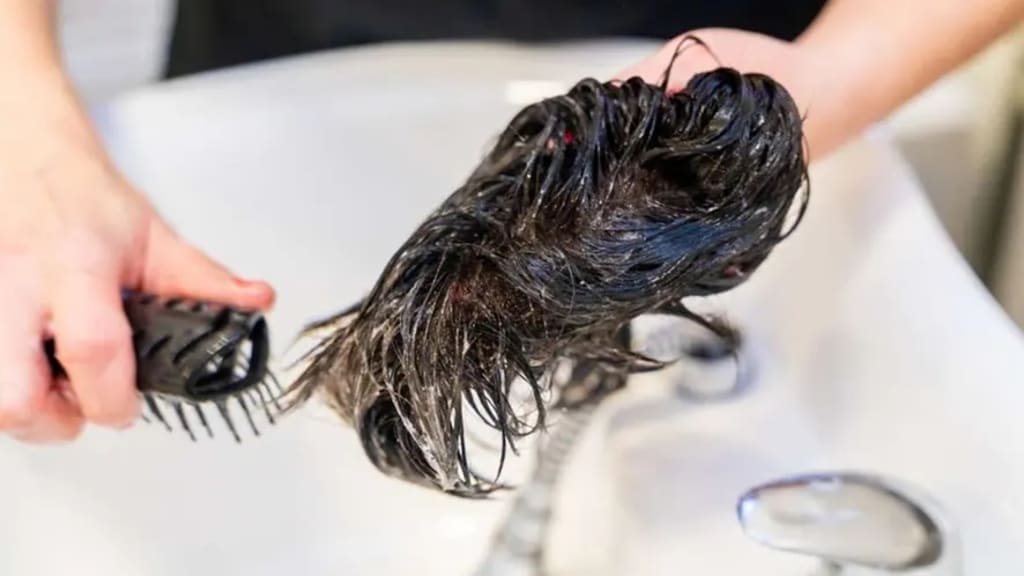
Brushing a wet Lordhair hair system is a quick way to mess it up. Running a brush through soaked hair leads to heavy shedding and can permanently throw off your maintenance routine. To see why brushing wet hair is such a debated topic, it helps to first look at the physical changes that happen when hair system fibers come into contact with water.
Key Takeaways
- Never brush a soaking wet hair system; wet fibers stretch, weaken, and snap easily under tension.
- Wait until the hair is about 70% dry before brushing or styling to allow base knots to fully tighten.
- Use a wide-tooth comb for damp detangling and a specialized loop brush for dry styling to prevent base damage.
- Apply a leave-in conditioner to create slip and reduce damaging friction while combing.
- Always anchor the base with one hand while grooming to prevent tension from lifting the adhesive edges.
The Science of Wet Hair: Why Moisture Changes Everything
Water changes your hair system the moment it hits the strands. When wet, hair swells and can stretch up to 30% of its original length. That quick expansion puts your overall hair health at real risk. The cuticles lift, leaving the fibers very exposed to mechanical damage. If you pull a brush through soaking hair, those swollen fibers snap much more easily. You’re left with brittle strands that break mid-shaft. This kind of breakage can look a lot like shedding, making your unit seem thin and uneven far too soon. But it’s not just about the individual strands. The issue goes deeper than the hair shaft itself. This weakened structure directly affects how the hair stays attached to the base of your system.
The Porosity Factor in Human Hair Systems
A Lordhair human hair system behaves a lot like a sponge. Unlike natural growing hair, a hair system doesn’t get sebum oils from a scalp. Without that ongoing hydration, the hair stays naturally dry and quickly soaks up any water it comes across.
When you step into the shower, the hair type decides what happens next. Synthetic fibers push water away, but human hair absorbs it fast. The strands swell and turn extremely fragile. Brushing in this state strips away the protective cuticle layer.
Once that outer layer is gone, tangling becomes constant. Styling turns into an uphill battle against friction every time. While the hair shaft swells and weakens in water, the base of your unit deals with a different kind of problem. Compare that strand damage to what happens to the knots or loops when they get wet.
Root Tension and the Risk of "Shedding"
Each strand in your unit is either knotted or injected into the base. When those knots get wet, they loosen and expand. Running a brush through wet hair puts heavy tension right at that connection point.
A swollen, slippery knot just can’t hold under that kind of pull. The result is immediate shedding. Whole strands slide out of the base, leaving bald spots that can’t be fixed without professional repair.
Taking care of your hair replacement system means letting those knots fully dry and tighten again before adding any styling pressure. A wide-tooth comb on damp hair is a safer option than brushing soaking wet hair. How much tension a wet knot can handle depends on what it’s attached to. That leads straight into the differences between base materials.
Base Material Matters: Lace vs. Skin vs. Mono
Different base materials deal with moisture in different ways. Whether your Lordhair unit uses Lace, Skin, or Mono, water weakens the base. Brushing while it’s wet puts extra tension on fragile areas. Lace bases are usually the first to go.
Why Wet Brushing is Lethal for Lace Bases
Water softens the knots on French lace and Swiss lace. When soaked, those knots swell and lose their hold. Brushing then pulls the hair out, leading to permanent shedding. Now compare that to V-looping in skin systems.
Poly/Skin Systems and the V-Loop Vulnerability
A thin skin or bio-skin poly base uses knotless V-loops. When moisture is involved, the polyurethane gets slick. Brushing pulls wet strands straight through the membrane. And beyond the base itself, the tools you use can either protect or ruin the hair fibers.
Essential Tools: What to Use Instead of a Standard Brush
Standard brushes can ruin wet units. Grooming human and synthetic hair calls for safer tools to avoid serious tangling. Regular bristles pull at the base. Start with a wide-tooth comb instead.
The Wide-Tooth Comb: Your Only Wet-Safe Option
Wide spacing reduces drag. Detangling soaked fibers is risky since they stretch and snap easily.
A wide-tooth comb moves through without tearing knots. Once the hair is dry, switch to brushes made for styling.
Why Lordhair Recommends Specialized Loop Brushes
Loop brushes use smooth loops rather than sharp tips. Lordhair recommends them for styling because they glide over the base without catching on lace.
Having the right tool is only part of it; the way you use it is what really protects longevity.
It looks like the draft text wasn’t included. Send it over and I’ll polish it.
Managing the "Goldilocks Zone": When is it Safe to Style?
Brushing a wet lordhair system leads to shedding. Wait for the "Goldilocks Zone"—when the hair is about 70% dry. Knots tighten at this stage, so you can safely use styling gels and leave-in conditioner. Brush too early, and things start to go wrong.
Using Leave-In Conditioners to Create Artificial Slip
Forcing a comb through will snap brittle strands. You need to cut down friction as the hair shifts from wet to dry.
A leave-in conditioner gives you that needed slip. It helps protect the base, but synthetic and natural fibers don’t react the same way.
Synthetic vs. Human Hair: Different Rules for Different Fibers
Human hair, especially fine European hair, swells when it’s wet. It can snap easily under tension.
Synthetic fibers push water away. They don’t stretch, but rough brushing leads to permanent frizz. Handle both with care before checking adhesive security.
Protecting Your Bond: How Wet Brushing Affects Adhesives
Brushing a wet Lordhair system can mess with the actual bond. Wet hair behaves like a rubber band, sending every comb stroke straight to the base. That tension weakens adhesives and can lead to lifting edges. Even strong products like Walker Tape can give out under that kind of stress. So you’ll need to tweak your wet grooming routine to keep everything secure.
Preventing Edge Lifting During Wet Grooming
Always anchor the system before you start combing. Keep one hand pressed firmly against the base so the pulling force doesn’t reach your liquid adhesives.
If the base shifts, it can smear adhesive residue right into the delicate hairline. Premium glues like Ultra Hold lose their grip when you keep tugging at wet strands.
Protect both the hair and the attachment by keeping friction low. This kind of gentle handling is what keeps things working well over time.
Maximizing Longevity with Lordhair Maintenance Standards
The way you deal with wet fibers has a direct impact on how long your hair system lasts. Every time you pull a comb through soaking wet human hair, the strands stretch and can snap. That leads to permanent shedding. Synthetic fibers are a little more durable, but they still tangle quickly if you brush too aggressively.
Experts all agree that sticking to official Lordhair maintenance standards is the most reliable way to get the longest lifespan possible. You need to handle the strands gently to avoid damage you can’t undo. Keep friction to a minimum, and wait until the unit is mostly dry before you start detangling.
Still hitting snags? Let’s get into a few quick troubleshooting questions to help fine-tune your daily care routine.
Frequently Asked Questions About Hair System Maintenance
How often can I wet my hair system?
As often as you want. But washing is different. Water swells the fibers up to 30 percent. Stick to full shampooing just 1-2 times a week to keep the base knots intact.
Is it okay to get a hair system wet every day?
Yes. But daily soaking ruins the adhesive and swells the hair cuticles. If you sweat heavily, a quick water rinse is fine. Otherwise keep it dry to stretch its lifespan.
Can you wash your hair in the shower while wearing a hair system?
Absolutely. Just do not scrub it like natural hair. Press the shampoo in gently. Scrubbing causes heavy shedding and tangles those swollen wet fibers. Anchor the base with one hand while washing.
What is the best brush for a lace front hair system?
A specialized loop brush. Regular bristles snag the delicate lace base and rip the knots right out. If the hair is damp, ditch the brush completely and use a wide-tooth comb.
About the Creator
Leo
Passionate men's hairstylist with a keen eye for detail and a knack for creating on-trend looks. Dedicated to delivering hair restoration education that enhances individual style.
Enjoyed the story? Support the Creator.
Subscribe for free to receive all their stories in your feed.
Comments
There are no comments for this story
Be the first to respond and start the conversation.