
Can human hair systems be dyed permed or restyled
Can Human Hair Systems Be Dyed, Permed, or Restyled in 2026?

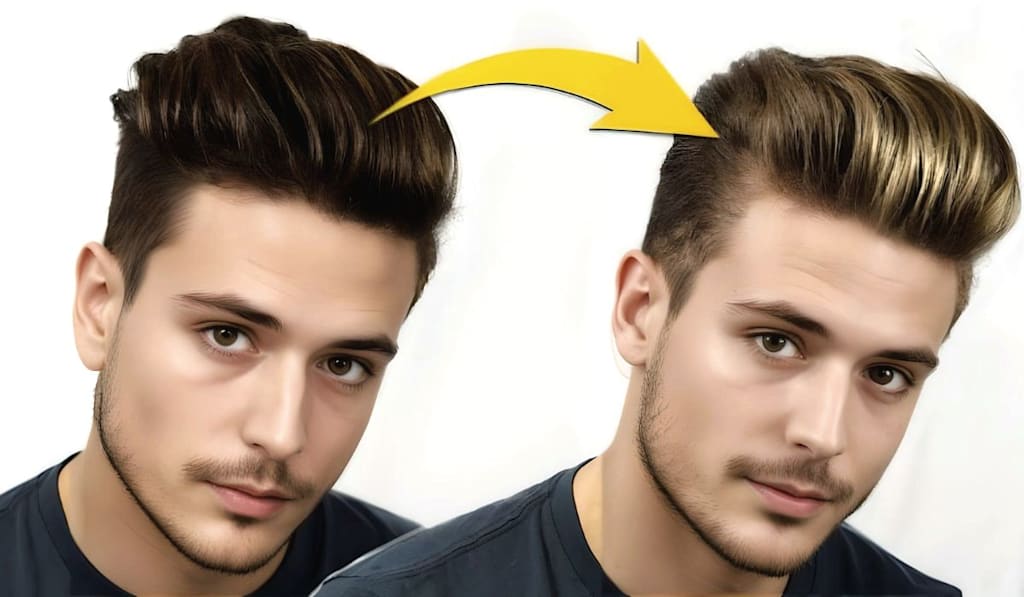
Can human hair systems be dyed permed or restyled
Sure, you can restyle human hair systems for premium client services. But every chemical or heat change affects the hair's durability and the strength of the base. Salon teams and distributors need a solid technical standard before they start offering custom hair systems. We'll break down how to judge the risks, protect the unit, and turn your customization skills into higher-value B2B services.
Key Takeaways
Human hair systems can be restyled, but every treatment reduces remaining fiber strength.
Strand tests reveal uneven color uptake and identify unsafe chemical services.
Deposit-only color works best for darker shades or shade refreshes.
Bleaching and high-lift color can cause dryness, tangling, breakage, and patchy results.
Chemical solutions and direct heat must stay away from the base.
The Technical Feasibility of Processing Human Hair Systems
You can dye, perm, or heat-style human hair systems. But past processing sets the real limit. A hair system, toupee, or hair topper comes as a finished product. So, every single tweak eats up some of its remaining fiber strength. Simple as that.
For salons and distributors, doing a quick check before a service protects the unit. It also backs up premium customization as a paid B2B service. Always check the current condition, past processing, and how much heat or chemicals the piece can actually handle.
The Traffic Light Risk Framework for Hair System Modification
Run a traffic-light risk check before you promise any customization results. Green services mean limited, reversible changes. Think gentle reshaping that sticks to the supplier's heat rules. Yellow services cover color tweaks or repeated heat work. These need a strand test and a clear talk about a shorter lifespan. Red services? Those involve major lightening, heavy texture shifts, or working on hair that already feels dry, tangles, or snaps.
Keep a record of the starting shade, texture, past treatments, and any visible damage for every toupee or hair topper. This helps technicians set a realistic goal. Plus, it lets wholesalers sell consultations, testing, and custom work as separate premium services. That beats eating the cost of an avoidable replacement.
Why Factory-Processed Hair Absorbs Pigment Differently Than Scalp Hair
Factory-processed hair can take color unevenly. Why? Because the cuticle and porosity get altered way before the unit ever hits the salon. Scalp hair grows from a living follicle, so its recent history stays pretty consistent. But a replacement unit might hold fibers that went through heavy washing, coloring, or texture work during production.
Cuticle direction matters, too. When aligned fibers keep a smoother surface, pigment spreads more predictably. Raised or worn spots can soak up extra pigment and go much darker. Don't just check one lock. Look at several areas and run a hidden strand test to nail down the final shade. For a premium hair system service, charge for this check and lock in the color target.
Professional Dyeing Principles for Human Hair Systems
Human hair systems need to be colored by adding pigment, not stripping it out. If you're a salon or distributor, the safest way to dye a unit is through controlled color deposits. This approach protects the already processed cuticle and relies on a solid strand-test result.
Treat color work like a premium custom service. Always check porosity and test a hidden section first. Make sure you aim for a darker or same-depth shade before you apply color all over the system. Simple as that.
The Golden Rule of System Coloring: Why Darkening Works But Lightening Fails
Going darker is really the only way to go. Why? Because color deposits just add pigment to the hair instead of forcing it to lose its underlying color. But a deposit formula can still grab unevenly on porous spots. So, technicians need to strand-test a hidden patch and match their formula to what happens there.
Going lighter requires oxidation. Bleaching and high-lift colors rely on developers to break down the existing pigment, and all those chemicals will just rough up an already processed cuticle. Do this on a hair system, and you'll likely end up with patchy spots, dry texture, tangling, or even breakage. You definitely won't get a nice, clean, lighter shade.
Draw a clear line for your services. Offer to refresh the current shade or go darker, but say no to bleach if the client wants a lighter look. This protects the unit. Plus, it creates a great chance for a paid consultation step.
The 3-Step Base Protection Protocol for Chemical Services
Protect the base before any chemical even touches the hair. A solid barrier stops color from staining the lace or skin, and it cuts down on needless exposure for poly membranes. When doing professional work, the rule is pretty simple. Isolate the base, control the application, and then wash the chemicals completely away from it.
Step 1: clear off any leftover adhesive and secure the hair system on a clean form. Step 2: slide a fresh plastic sheet right under the hair. This covers the lace or skin, leaving just the lengths exposed. Make sure to keep the solution entirely off the knots, edges, and membrane. Step 3: brush the product on in small sections. Check for any leaks. Then, rinse from the roots straight down to the ends without soaking the base. Always check the material before you dry it.
This kind of separation matters even more if you're using chemical texturizing solutions.
Perming Hair Systems and Managing Knot Degradation Risks
Perming gives you a great curly texture, but it's a high-risk chemical service for a knotted hair system. The perm solution can actually weaken the knot sealing. Plus, the neutralizer might add extra stress to those exposed knots if either product touches the base.
Salons really need to protect the base and test a hidden section before taking on the job. This keeps curly customization profitable and cuts down on completely avoidable remakes.
Is It Safe to Perm Remy Human Hair Extensions?
Perming remy hair only works well when the system is in solid condition and both solutions stay completely off the base. Chemical processing changes the hair shaft. Also, if anything touches the root area, you risk loosening the knots or weakening the seal.
Always check the cuticle for dryness, tangling, loose knots, and thinning near the crown or front. If you see any of these warning signs, don't do the service. It's that simple. Non-remy hair might also react unpredictably because the mixed cuticle direction creates more friction after curling.
Run a quick strand test, use a barrier to isolate the base, and apply the solution only to the exposed lengths. Rinse downward, keep the neutralizer far away from the knots, and inspect the system after washing. These steps help you deliver a top-tier curly service for your B2B clients.
Thermal Restyling and Heat Tool Limits Across Base Materials
Heat styling tools do a great job restyling human-hair pieces. But there's no universal safe temperature for lace or thin-skin polyurethane. The technical records don't show any verified temperature limits. So, salons shouldn't pitch a fixed heat setting as totally approved for either base.
Lace and thin-skin polyurethane handle heat differently. Still, that difference doesn't give you a reliable threshold unless you have written guidelines from the manufacturer. Just keep direct heat away from the attachment area. That's it.
Set a Verified Salon Protocol
When dealing with restyled hairpieces, always check the supplier's temperature limits before booking the service. Test your heat tool on a hidden section of hair first. Then, only style the exposed lengths.
Use smooth, controlled passes instead of letting an iron or wand sit in one spot. This protects the hair finish. It also helps B2B clients offer premium customization without risking unnecessary damage to the base.
Post-Service Maintenance and Moisture Restoration Protocols
Chemically processed human-hair systems need extra moisture right after salon services because these strands don't get natural oils from the wearer's scalp. Using a color-safe shampoo cleans the hair without stressing it out. And a good conditioner brings back that smooth slip, helping the cuticle lay flat. This gives salons a solid maintenance service to pitch after chemical work.
Make sure to rinse well, work conditioner through the lengths and ends, and detangle gently. Keep the tension low. Press the hair dry with a towel instead of rubbing it, and only use supplier-approved leave-in conditioners or cuticle sealers. Always log the service and home-care advice in the client's file. This kind of aftercare easily turns into a premium add-on, all while protecting the system's finish between visits.
Can You Do a Perm Over Box Dye?
You can only perm over box dye if the human-hair system passes a professional check and a strand test. Box dyes often leave behind patchy pigment, hike up porosity, or pack ingredients that don't mix well with perm solutions. Since you usually don't know the hair's full service history, never promise a specific result just by looking at it.
Always test a tiny, hidden piece for elasticity, breakage, and curl formation before you actually book the full service. If that test hair feels gummy, snaps off, or just won't hold a steady curl, say no to the perm. Talk about a replacement system instead. For your salon and wholesale clients, this quick check backs up a premium custom service. Plus, it protects the value of any chemically processed dye work.
What Type of Hair Cannot Be Permed?
You shouldn't perm hair systems made from damaged or heavily processed natural human hair. The chemicals literally alter the hair's internal bonds. So, the cuticles need to be intact, and the hair has to be elastic enough to survive the winding, processing, and neutralizing steps. If the hair has already been bleached, relaxed, or permed multiple times, it just doesn't have the strength left for another round—even if the surface still looks perfectly smooth.
Skip any units that feel gummy when stretched, snap during a strand test, or show extreme dryness and weird curl responses. Also, hair coated in silicone or resin won't work well because the perm solution might process unevenly. Bottom line for salons and distributors: only offer perms on strong, verified human hair. It protects your high-end customization work and lowers the risk of having to remake a piece from scratch.
How Many Times Can You Dye a Human Hair System?
There isn't a magic number of times you can safely dye a human hair system. It all comes down to the condition of the hair, its bleaching history, and how strong the formula is. These factors decide if another color job will keep the unit looking good or push it right to the breaking point.
If you're doing salon or wholesale work, treat every color change like a major chemical service rather than just a quick refresh. Deposit-only dyes might be gentler than lifting. But those pigments can still build up over time, leaving the hair dry and dull.
Always check the hair's elasticity, porosity, and shedding, then do a hidden strand test before you book a re-dye. If that strand snaps, stretches out without bouncing back, or processes unevenly, just skip the service. Good maintenance keeps the unit around longer. It also turns custom color work into a true premium add-on.
Troubleshooting Color Fading and Oxidation Irregularities
When an older human hair system gets brassy, it usually points to oxidation and uneven porosity, rather than a need for more permanent dye. A colorist has to figure out the exposed tone first. Violet neutralizes yellow, blue handles orange, and green-based correctors tone down unwanted red.
Only apply a color-depositing formula after running a hidden strand test, since porous ends often soak up pigment way faster than the rest of the hair. Keep a close eye on the processing in short bursts, then rinse it out once the warmth balances. But if the color still looks patchy, offer a controlled recolor or a replacement consultation. This protects your service quality and creates a premium customization option for B2B clients.
Unlocking B2B Revenue: Custom Styling as a Premium Service
Custom coloring, texturizing, and restyling turn a basic human hair system from a stock purchase into a premium salon service. For distributors and salon owners, this boosts order margins and gives B2B clients a solid reason to come back for follow-up work. Simple.
Bundle the consultation, alterations, and aftercare plan into one paid customization package instead of treating it like an informal add-on. Getting the scope clear and the approval documented protects your service relationship. Plus, it makes upselling a lot easier.
Structuring Client Consultations and Chemical Service Consent Forms
Kick off every chemical-service appointment with a consultation led by a pro colorist. You'll want to record the human hair system's current color, any known past alterations, visible dryness or uneven tones, and the agreed-upon target result. Make sure to explain that chemical work might change the softness, curl pattern, color evenness, and future service options. This is especially true for hair that's already been processed.
Your consent form needs to name the specific service requested. It should clearly state that a strand test might change or even stop the plan, and confirm that you can't guarantee an exact match. It's also vital to document the client's approval along with your recolor or replacement policy.
These steps lower your liability and make it much easier to justify the price tag on custom work.
Partnering with Newtimes Hair for Premium Customizable Hair Systems
Newtimes Hair offers salons and distributors a solid option for custom hair system work. Here, the real value comes from professional coloring, cutting, and texture tweaks, rather than just flipping a product for a basic resale. When it comes to wholesale hair systems, the business case makes total sense. If you pick a system based on its condition, build, and what the client actually wants, it easily backs up a higher-ticket consultation and ongoing follow-up services. Simple as that.
Before you take on any chemical work, you need to inspect every single human hair system. Check its processing history with the supplier, and always run a quick strand test. Make sure to get your quoted service scope in writing. Once that's sorted out, Newtimes Hair buyers can pitch a truly tailored result. Plus, you'll protect your margins through paid assessments, custom fitting, and regular maintenance bookings.
Frequently Asked Questions
Can I color my hair system?
Yes, darker or same-depth deposit color is safest. Strand-test first; keep dye off the lace, knots, and poly base.
What is the healthiest hair dye for your hair?
Deposit-only color. It adds pigment instead of stripping it. Bleach and high-lift color are rough on processed hair systems.
Can you dye a synthetic hair piece?
Usually no. Synthetic fibers do not absorb standard hair dye. Use a dye made specifically for synthetic fibers, and test a hidden strand first.
About the Creator
Leo
Passionate men's hairstylist with a keen eye for detail and a knack for creating on-trend looks. Dedicated to delivering hair restoration education that enhances individual style.
Enjoyed the story? Support the Creator.
Subscribe for free to receive all their stories in your feed.
Comments
There are no comments for this story
Be the first to respond and start the conversation.