
Can a hair system be thinned down after purchase? What First-Time Wearers Need to Know
Can You Thin a Hair System After Purchase?

Can a hair system be thinned down after purchase? What First-Time Wearers Need to Know
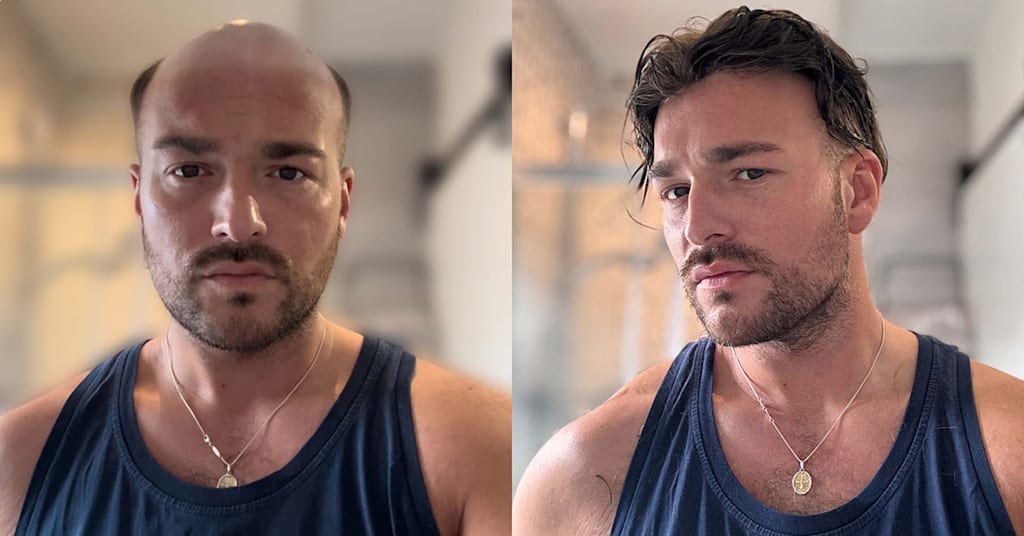
Can you thin out a hair system after you buy it? Usually, yes. But pulling hairs from a finished piece can easily leave you with an uneven, unnatural look.
New wearers often think their system fits poorly when the real issue is just too much hair density. With a Lordhair custom order, you can nail down the exact density for your age, natural hair, and style long before the hairpiece is even made.
Key Takeaways
Manual thinning can permanently damage the base or create visible sparse patches.
New systems need seven days to settle before you judge their density.
Choose custom density based on your current side hair not past fullness.
Can You Thin a Hair System After Purchase? Feasibility and Permanent Risks
Thinning out a hair system after you buy it is physically possible. But it's rarely a safe way to fix hair density. Once you remove hair from a finished base, you can't put it back. And an uneven result might stay visible no matter how you try to style it.
The real question isn't if you can take hair out. It's whether the base can handle that stress without triggering new shedding, causing damage, or leaving a glaring bald patch. Simple as that.
What Happens When You Cut or Thin Hair System Density?
Cutting the hair shorter and actually pulling it from the base aren't the same thing. Cutting only changes the length, not the density. So, your system might still look way too thick, while the newly cut ends sit unevenly against your natural hair. Plus, it might leave blunt ends that just don't blend well with the rest of your style.
Removing hairs definitely lowers density. But remember, that change is permanent. A finished hair system doesn't give you much wiggle room to fix a mistake. Pulling or plucking can easily leave sparse spots and expose the base right under the hair. It can even trigger extra shedding all around the area you messed with.
A small patchy spot might seem minor when the hairpiece is dry. Here's the thing, though: part lines, wind, and harsh overhead lighting can make that difference super obvious. The risk isn't just about looks. Putting stress on the exact spots where hair is secured can seriously shorten the hairpiece's lifespan. This is especially true if the base has already started shedding from normal everyday wear.
There's no reliable way to get that original hair distribution back once gaps show up. You simply can't match it perfectly again. And the level of risk changes depending on your unit, because thin skin and lace bases fail in totally different ways.
Base Material Vulnerabilities: Thin Skin vs. Lace Bases
Thin skin and lace don't react to manual thinning the same way. A thin skin base is basically a sheer polymer film. Because of this, concentrated pulling can easily stretch, split, or weaken the spot where you yanked the hairs out. When that film gets damaged, the problem might show up as a highly visible tear, rather than just a spot with less hair.
A lace base is woven, which comes with its own set of weaknesses. Pulling out hairs or accidentally catching the lace can loosen up that weave. It can create thin patches or even tear a tiny hole that gets bigger during normal daily handling. The hair might still look okay at first. But that damaged spot will likely start shedding much sooner.
Poly base vs lace base density isn't just a simple durability contest. Both types of bases can suffer permanent damage if you try thinning them out after buying them. They just break down in different patterns. If you're ever unsure about your hair density, reach out to Lordhair for guidance before you start altering a finished hairpiece.
The "Puffy" First Week: Why New Hair Systems Need a Settling Period
A new hair system might look a bit puffy during its first few days, even if the density is spot on. Hair that's been packed, shipped, cut, and styled naturally sits higher than it will after normal wear.
The first week gives you a truer sense of the system's shape and density. Waiting basically keeps you from making a permanent fix to a temporary problem.
The 7-Day Rule: Why You Should Wait Before Making Irreversible Changes
Give a new hair system about seven days before deciding it's too thick. If you're a first-time wearer, this puffiness might feel alarming since the hair looks much fuller than expected in the mirror. But the hair usually settles down after you sleep in it, style it normally, and do those first few gentle washes.
How many washes does it take for a hair system to settle? There's no set number. Some units lie flatter after just one or two washes, while others need the full settling period. The hair just needs time to shift from its packed position. Plus, your normal styling routine will show you how it actually behaves in daily life.
Don't cut, pull, or make any other irreversible changes during that first week. If you mess with the density too early, you might remove hair that would've looked totally natural once the puffiness faded. And you can't put that hair back later.
Snap a few photos in the same lighting on day one, and again around day seven. Check the hairline, crown, and overall shape instead of judging it off one bad styling day. If it still feels way too full after the settling period, Lordhair can help you figure out a better density for a future order. That way, you don't risk ruining the unit you already have.
Understanding Hair Density: How to Find What Looks Natural
After your new system settles, the density needs to match your existing hair and your current stage of life. Getting a natural look rarely means picking the fullest option. It's really about finding coverage that actually looks believable, right from the hairline down to the sides.
If you're a first-time wearer, it's a lot easier to nail down the density before you order. Lordhair can just use your photos and personal preferences to help set up a custom request.
What is the best hair density for a natural look?
The best density for a natural look is usually the lowest level that still blends in with your own hair. Keep in mind, these percentages describe how full the hair is on the base, not how thick each individual strand is. So, around 80% density usually gives a lighter result for guys with thinner hair on the sides, a mature hairline, or just an older appearance overall.
On the flip side, 90% to 100% density looks more like medium, everyday coverage. This sweet spot often works well if your sides and back still have some decent fullness. Extra volume systems—usually 110% or higher—give you a much denser top. They might fit a younger guy who naturally has thick bio hair. But put that next to receding temples or thin sides, and it's going to stand out.
Age is a handy guide, but it's not a strict rule. A guy in his twenties might blend perfectly with 100% density. Meanwhile, someone in his forties or fifties usually looks a lot more believable at 80% to 90%, especially if he has advanced male pattern baldness. Just share some clear photos of your side and back hair, your age, and your hairstyle goals with Lordhair when putting in a custom order.
Face shape also changes how that fullness actually looks on you. A density that fits a broader face might look way too heavy on a narrow one. Bottom line, rely on photos instead of just picking a number based on your age.
Achieving Your Ideal Density with Lordhair Custom Orders
Trying to thin out a hairpiece that feels way too full after it arrives? That just makes your first order way more stressful than it needs to be. A Lordhair custom order lets you pick your exact density before the human hair toupee is even made. This way, it matches your age, side hair, and favorite style right from the start.
This gives you a lot more control than just picking a random number. Clear photos and a realistic description of what you actually want can turn a broad density range into a choice that really makes sense for you.
Set the density before your system is made
Setting your density on a custom order keeps you from buying way more hair than your natural sides can blend with. Going with around 80% density usually works best for thinner sides, a mature hairline, or an older look. If you want medium fullness, 90% to 100% is usually the sweet spot. And 110% or higher? That's really only for guys with naturally thick bio hair.
The problem with higher density is that it can look totally unnatural and heavy next to receding temples or fine side hair. Sure, a lower density might show a bit more scalp. But it almost always creates a much more believable match.
Give Lordhair a clear picture of your goal
Sending in photos of your front, sides, and back gives Lordhair the real-world context they need to customize your piece. Make sure to include your age, how thick your remaining hair is, your go-to hairstyle, and if you're looking for light, medium, or fuller coverage.
Always ask for a density that matches the hair you have right now, not the hair you had ten years ago. Your next step comes down to one simple check. Just make sure your current hair, the style you want, and the density you picked all point to the exact same natural result.
Diagnostic Checklist: What to Do Before Modifying Your Unit
Don't mess with a ready-to-wear hair system the second it feels too thick. A new wearer might be comparing the density to the hair they had a decade ago, instead of looking at the bio hair on their temples and sides right now.
Look at the system in natural daylight after getting it cut and styled the way you usually wear it. The real question is whether it actually blends with your age and the hair you have left. Simple as that.
Compare the top to your sides and back. If the unit makes a harsh wall of volume, the density is probably just too high for your natural hair.
Snap front, side, and back pictures at arm's length. The camera usually catches a bulky top or awkward blend that your bathroom mirror completely misses.
Don't confuse density with styling. Hair pushed forward looks way thicker than the exact same unit worn with a relaxed part.
If things still look off after a good cut-in and wearing it a few times naturally, don't try to thin the unit yourself. Only keep it if styling gives you a realistic blend. But if it doesn't, grab your photos and notes to place a Lordhair custom order with a lower density that actually matches your sides.
Once you get the density right, wearing and taking care of it every day gets a whole lot easier.
Frequently Asked Questions About Hair System Density and Thinning
How long does a thin skin hair system last?
Usually 1–4 weeks. Thin skin looks realistic, but the polymer base wears fast—especially with frequent removal.
How do you blend a hair system with natural hair?
Match density to your side hair, then get a proper cut-in. Give it seven days to settle before judging the blend.
What is v-loop ventilation in hair systems?
Hair is looped through thin skin without knots. Cleaner hairline. Fragile, though.
How often should a disposable hair system be replaced?
Every 1–4 weeks, generally. Replace it when shedding, stretching, or edge damage starts showing.
About the Creator
Leo
Passionate men's hairstylist with a keen eye for detail and a knack for creating on-trend looks. Dedicated to delivering hair restoration education that enhances individual style.
Enjoyed the story? Support the Creator.
Subscribe for free to receive all their stories in your feed.
Comments
There are no comments for this story
Be the first to respond and start the conversation.