
Boost Salon Revenue with Hair Systems in 2026
Expanding Your Salon Services: Are Hair Systems a Good Idea for Increasing Revenue?

Expanding Your Salon Services: Are Hair Systems a Good Idea for Increasing Revenue?
Non-surgical hair replacement can boost your salon's revenue fast when you pitch it as a high-ticket service. People gladly pay for results they just can't get from a standard cut or color, and demand keeps climbing for both men and women.
Here's a breakdown of the profit potential, what you need to get set up, and the actual steps to add this scalable, repeat-visit service to your business.
Key Takeaways
Hair systems create high-ticket services that beat hourly haircut revenue caps.
Recurring maintenance every three to four weeks stabilizes predictable monthly income.
Initial installations can match a full day of standard haircut earnings.
Proper training and 20 to 40 supervised installs build reliable application skills.
Low-pressure consultations normalize hair loss discussions to increase client acceptance.
Rethinking Salon Revenue: Escaping the Hourly Haircut Trap
Relying on hourly haircuts caps salon revenue since time is fixed, but your costs just keep going up. You can only book so many people in a single day. And every time slot has a hard ceiling on what it can actually earn.
Profits really improve when salon professionals shift part of their schedule toward high-value services that bundle a consultation, custom work, and regular maintenance. Hair systems do exactly this. You see fewer clients a day, but each visit brings in a bigger spend and ongoing upkeep. It builds a much steadier monthly income, all without forcing you to work longer hours.
What Are Non-Surgical Hair Replacement Systems?
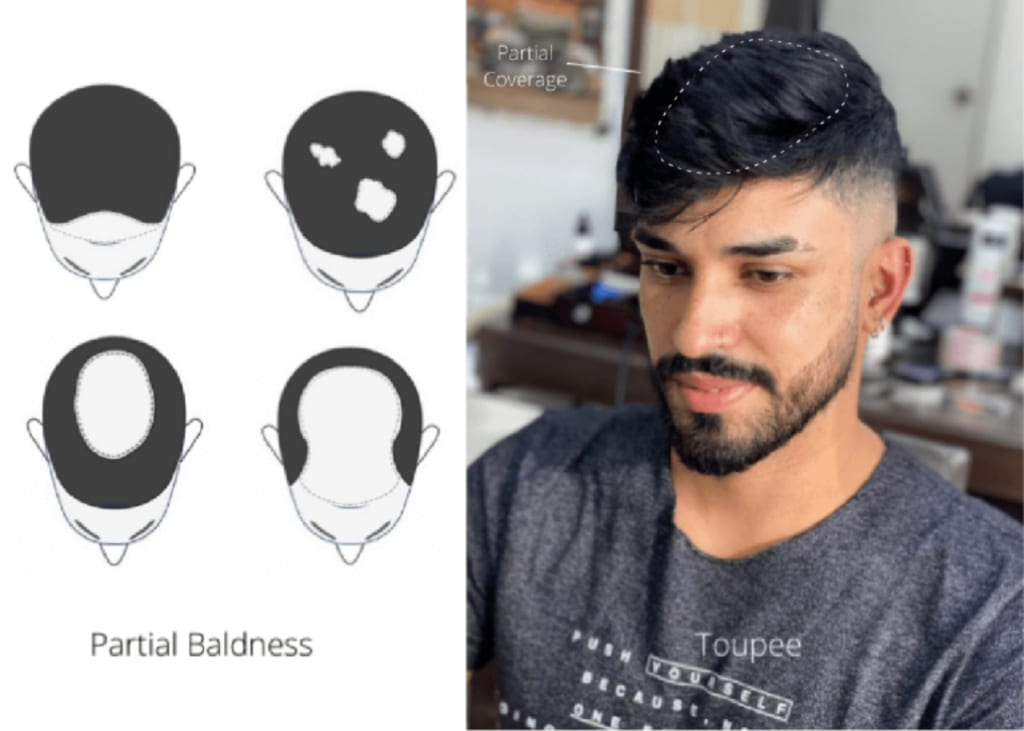
Non-surgical Hair Systems are basically custom-fitted hairpieces that attach to the scalp using safe, completely non-invasive methods. They bring back the look of natural hair. The best part? There's no surgery, zero downtime, and no medical risks involved.
In a salon setting, Hair Replacement Systems are customized to fit a client's exact head shape, hair density, and everyday lifestyle. A trained Hair System Specialist takes care of the design, fitting, cutting, and regular upkeep. This turns the whole process into a steady, repeat service instead of just a one-off visit.
The Financial Blueprint: Analyzing Profit Margins and Client Lifetime Value
Hair systems turn one-time visits into predictable, high-ticket services. A single client can pull in way more revenue than standard cuts using the exact same amount of chair time. It really is that simple.
This model works because it pairs a larger upfront price with repeat appointments. That naturally boosts both your average ticket size and your salon's long-term profits.
Initial Installation Fees vs. Hourly Haircut Earnings
An initial hair system installation usually brings in anywhere from $600 to $1,500 for a single appointment. That one time slot can easily match—or even beat—an entire day of standard haircut bookings, which normally sit around $60 to $120 each.
Time efficiency is what actually drives this margin. A 2-to-3 hour fitting pulling in four-figure revenue easily beats squeezing in five or six basic services. Plus, those quick cuts come with more schedule gaps, annoying no-shows, and much lower average tickets.
The Recurring Maintenance Goldmine (3–4 Week Service Cycles)
Maintenance visits every 3 to 4 weeks lock in steady cash. These sessions usually run $120 to $300 a pop. Over a full 12 months, just one client can generate $1,400 to $3,600 in repeat services alone. And that's before you even factor in upgrades or new replacements.
This cycle pushes up client lifetime value and keeps your cash flow rock solid. Instead of constantly chasing down new bookings every morning, your schedule naturally fills up with returning regulars who pre-book. That cuts down on dead time and gives your overall salon revenue some real consistency.
Are Hair Replacement Systems More Profitable Than Traditional Coloring Services?
Hair replacement systems usually make you much more per hour than classic coloring or keratin services. A 2-to-3-hour system appointment can easily pull in anywhere from $600 to $1,500. Meanwhile, full-color or keratin sessions normally land between $150 and $400 for the exact same amount of time. Big difference.
So, are hair replacement systems actually more profitable than your normal color services? Most of the time, yes. They simply pair a high upfront ticket price with regular maintenance visits every 3 to 4 weeks. This steady cycle naturally boosts your total yearly revenue per client. Plus, it helps you diversify your services the smart way, and you won't even need to squeeze in extra chairs or hire more staff to pull it off.
Understanding Hair System Base Constructions for Salon Clients
A hair system's base construction decides exactly how the unit looks, feels, and handles daily wear. For salon owners, picking the perfect base is what turns a quick sale into a loyal, long-term client.
A good Hair System Specialist pairs the base material with the client's lifestyle, styling habits, and scalp sensitivity. This keeps results looking completely natural and easy to manage between appointments.
Polyurethane Skin Bases vs. Ultra-Breathable French Lace Systems
Polyurethane skin bases look the most like a real scalp. That thin, see-through layer blends perfectly against the skin, keeping hairlines clean even right up close. Plus, they're much easier to clean and reshape. This helps busy salons prep units fast.
French lace systems are all about airflow. The woven mesh lets heat and sweat escape easily. That makes them super comfortable for active clients or anyone living in warm weather. They feel lighter, but they can fray a bit faster than skin bases. Because of this, clients usually need to replace them more often.
Monofilament Bases for High-Density and Long-Term Durability
Monofilament bases easily handle heavy hair density without collapsing. Their thick mesh structure supports plenty of volume and holds its shape perfectly. That's exactly why so many Hair Replacement Systems built for long styles rely on this material.
They also hold up incredibly well under heavy daily wear. Clients wanting fewer replacements—and who don't mind a slightly less invisible scalp—usually go with this option. It's really popular in High-Ticket Services, where durability helps protect their investment over the long haul.
Equipping Your Station: Essential Adhesives, Tapes, and Maintenance Chemicals
Strong, safe bonding products are what decide if a hair system lasts for days or holds up for weeks. Getting your Adhesives & Tapes right also protects the scalp and speeds up re-fits. This directly impacts your service time and keeps clients coming back.
For most salons, a solid kit means having liquid adhesives, medical tapes, scalp prep, and reliable removers all working together smoothly. Simple.
Water-Based vs. Solvent-Based Adhesives for Perimeter Bonding
Water-based adhesives are gentler on the skin, making them a great pick for clients with sensitivity. They create a flexible bond that feels really comfortable. But, they usually stick around for shorter wear cycles—mostly 1-2 weeks if cared for properly.
Solvent-based adhesives give you a much stronger, longer hold. We're talking closer to 2-4 weeks of wear time. They fight off sweat and oil a lot better. Here's the thing though, they can irritate sensitive skin if you don't put down a barrier first.
If you're wondering about the best adhesives and tapes for professional hair system application, there isn't a single magic answer. Most salons just stock both types. From there, they match the formula to the client's lifestyle, scalp condition, and how often they want to come in for maintenance.
Medical-Grade Tapes, Scalp Protectors, and Bond Removers
Medical-grade tapes offer fast, clean perimeter bonding with hold times you can actually predict. A lot of salons rely on them for partial bonds or quick re-fits. They cut down your application time and hold up consistently during daily wear.
Scalp protectors create a thin barrier that cuts down on irritation and really boosts adhesive grip. This is a big deal for oily or sweaty scalps. Just this one small step can extend the hold by several days.
Citrus or alcohol-based removers break down the adhesive safely, so you aren't pulling hair or stressing out the base. When it comes to Technical Maintenance, this keeps your cleanup fast while protecting both the client's skin and the system's overall lifespan. That's it.
The Technical Learning Curve: How Stylists Master Fitting and Application
Installing a hair system isn't just a basic add-on service. It takes the kind of hands-on precision you won't find in most cosmetology programs.
If you're a salon owner wondering how to become a hair system specialist to double service revenue, the answer is pretty straightforward. It comes down to technical training, constant practice, and working under real client conditions.
Timeline and Training Requirements for Professional Certification
Most salon professionals and stylists get decent at this in about 4 to 12 weeks of focused training. Short courses cover the theory fast. But real skill? That builds after doing 20 to 40 supervised installs where you can fix mistakes right away.
A stylist looking to become a hair system specialist to double service revenue usually needs 2 to 3 months before they feel confident charging for it. Full mastery takes about 6 months of regular client work. That's when your installs get fast and consistent.
Crucial Precision Skills: Base Trimming and Seamless Hair Blending
Accurate template tracing and base trimming basically make or break whether the system looks natural or fake. A cut that's off by even 2 to 3 millimeters can lift at the edges or show the hairline. That leads to rework and wasted time.
Blending the system into the natural side hair is just as big of a deal. A skilled hair system specialist uses thinning, angle control, and density matching to make the transition completely vanish. Hitting this level of technical maintenance drops your redo rates and protects your profit margins. Simple as that.
The Low-Ego Consultation Framework: How to Talk to Male Clients About Hair Loss
Most guys won't bring up hair loss first. Even when it's completely obvious in the chair. But if you handle it right, you keep the client and naturally boost your service value.
This framework makes the chat feel natural and builds trust. Plus, it turns quiet worries into steady Client Retention and higher revenue per person.
Step 1: Normalizing the Conversation During Routine Haircuts
Bring it up casually while you're cutting. It shouldn't feel like a "big talk." A simple line works best: "I'm noticing a bit of thinning at the crown—super common. Want me to show you some options to keep it looking full?" That drops the ego pressure and leaves the client in full control.
Frame the solutions as regular maintenance, not a major fix. Talk about non-surgical systems right alongside your usual services. Just like suggesting a skin fade or adding texture. This approach feeds directly into Business Growth Strategies because it feels like a slick upgrade, not a repair job.
Step 2: Assessment and Setting Realistic Maintenance Expectations
Take a quick look at their scalp condition, hair density, and lifestyle. The whole check takes under two minutes. Look for oil levels, skin sensitivity, and their weekly workout habits. Then, pair that info with a clear upkeep plan. Most guys need to come in every 3 to 4 weeks to keep the system secure and looking natural.
Be totally upfront about the ongoing commitment. Tell them exactly what the visits involve and how long the appointments take. Don't gloss over what happens if they skip. Setting clear Technical Maintenance expectations cuts down on drop-offs and safeguards your Client Retention. No surprises later.
Step 3: Closing the Sale and Securing the Initial Fitting Appointment
The second they show interest, move straight to booking. Offer a specific time slot for a custom fitting. Explain that the deposit locks in their time and gets the customization going. A non-refundable deposit weeds out flakes and protects your schedule.
Focus on the final result, not just the steps to get there. Say something like, "We'll match your density and hairline so it blends seamlessly on day one." Then, confirm the date and handle payment in one smooth motion. That's exactly how High-Ticket Services convert. Confidence, clarity, and zero loose ends.
Step-by-Step Service Workflow: Delivering Flawless Hair System Installs
A solid install always follows a strict, repeatable routine right at the chair. When done correctly, it protects the client's scalp and locks in a totally natural blend from day one.
Start things off with a complete scalp prep: wash it, gently exfoliate, and make sure it's fully dry. Next, the Hair System Specialist maps out the hairline, trims the base, and puts down adhesive in thin, even layers. Press it in place to secure it, then cut and blend the hair so it perfectly matches the natural density. Wrap up the appointment with some styling and a clear Technical Maintenance rundown. That way, the client knows exactly how to take care of it until their next visit.
Unlocking Secondary Revenue Streams: Retailing Aftercare and Add-on Services
Retail and add-on services turn a single install into a higher-value visit with built-in repeat spending. A healthy salon targets a retail sales contribution at 10-15%. Why? It stabilizes revenue between appointments and boosts overall margins without adding extra chair time.
High-Margin Add-ons: Color Matching and Scalp Treatments
Bundling hair treatments can bump up your average ticket by 20-40% right at the install. Bio-color matching refines the tone across key hair color categories, so the system blends perfectly under different lighting. Plus, it lasts a lot longer before needing a touch-up.
Scalp exfoliation treatments improve adhesion by clearing out oil and buildup right before bonding. Clients feel the difference right away. And the best part? Fewer lift issues mean you aren't stuck doing unpaid fixes.
Offer these as packaged upgrades when they book, rather than treating them like an afterthought at checkout. Clear options and fixed pricing just make it easier for people to say yes.
Building a High-Performance Retail Shelf for Hair System Aftercare
Retail sales work best when every product on the shelf solves a specific care problem for hair systems. It's smart to stock sulfate-free shampoos for gentle cleansing, leave-in conditioners to fight dryness, and silk pillowcases to cut down on bed friction.
These items usually deliver great margins with predictable reorders every 4-8 weeks. That's exactly why keeping your retail sales contribution at 10-15% is so vital for salon profitability. It brings in steady income even when clients aren't sitting in your chair.
Keep your shelf tight. Train your staff to make recommendations based on the client's actual routine, skipping the guesswork altogether.
Salon Operations and Stock Management: Ordering Custom vs. Stock Systems
Stock units keep the revenue flowing, but custom orders protect your profit margin. Most salons keep about 4-8 of their fastest-moving base sizes and colors on hand. They'll then order custom pieces for that 30-50% of clients who have very specific needs. Striking this balance stops your cash from getting trapped in slow inventory. Plus, you still get to grab those higher-ticket sales.
Partner with dependable suppliers like Newtimes Hair so your restock cycles stay predictable. And try setting a dead-simple rule: place a new order the minute you drop down to just two units. Make sure to track what's actually selling every single month. It's the best way to dump dead inventory and free up your cash for real growth. Simple.
Strategic Marketing: Attracting High-Ticket Hair Replacement Clients
Top-paying hair system clients rarely click on flashy ads. They want trust and privacy right out of the gate. If you're trying to boost your revenue in a crowded salon market, you have to focus on authority, discretion, and showing up exactly when people are already looking to buy.
Local SEO and GEO content help clients find you the second they search for answers. And before-and-after case studies show real proof without blowing anyone's cover. Add in private consults, referral programs, and teaming up with dermatologists or clinics, and you'll quietly build a steady stream of great leads. These business growth strategies pull in people who are actually ready to invest, not just window shop. Simple.
Avoiding Common Pitfalls: 3 Mistakes Beginner Hair System Specialists Make
New Hair System Specialist teams often lose clients because of totally avoidable mistakes, not a lack of demand. The real fix here is to tighten up your technical maintenance habits and client processes right from day one. It's really that simple.
Mistake one: bad bond prep. Skipping a full scalp cleaning means the system will lift in just a few days. Mistake two: over-cutting density. Taking out too much hair just makes the final result look totally obvious. Mistake three: weak aftercare advice. When clients stretch their maintenance past 3-4 weeks, it causes major damage and brings in a ton of complaints.
Business Growth Strategies: Leveraging Service Diversification for Long-Term Growth
Bringing hair systems into your lineup shifts a normal salon into a brand that actually solves problems. It boosts your revenue per client, and it keeps people coming back for maintenance every 3-4 weeks.
Diversifying your services builds real brand value because you're fixing visible issues like thinning hair, rather than just styling it. Shops relying on trusted suppliers like Newtimes Hair usually see better client retention and get more referrals. When your local market gets packed, having this specialized service makes your business remarkably hard to replace.
Real-World ROI Case Study: Transitioning to High-Ticket Hair Services
When a small salon shifts just 20% of its clients to hair systems, the revenue curve becomes obvious within 12 months. It's a pretty basic switch. You book fewer appointments, but get a much higher ticket value. Plus, those steady maintenance cycles naturally boost Salon Revenue and overall Profitability.
The first three months are all about training and getting those early conversions, which usually adds 10-15% to your revenue. Fast forward to month six. Repeat maintenance visits every 3-4 weeks really start to stabilize your cash flow. And by month 12? Many salons are seeing 30-50% more monthly income. This is entirely driven by offering High-Ticket Services and keeping clients around longer.
Partnering with Direct Manufacturers: Scaling Your Business with Newtimes Hair
Sourcing straight from the factory with Newtimes Hair drops the middleman markups and keeps your quality control tight. That means better wholesale margins and more reliable Hair Systems your clients will actually trust.
You can order custom hair replacement systems in batches, match the density and color perfectly, and drop your remake rates. Plus, quick production cycles keep your inventory lean. Your cash isn't tied up in extra stock. For salons focused on Business Growth Strategies, this setup lets you scale up steadily without losing product reliability.
Frequently Asked Questions About Salon Hair System Services
How much can a salon charge for a professional hair system installation and maintenance?
$600–$1,500 per install. That's one appointment matching a full day of haircuts. Maintenance is extra every visit, so lifetime client value stacks fast.
How long does it take for a stylist to learn how to fit and style men's hair systems?
About 2–3 months to charge confidently. Real skill? After 20–40 installs. Full mastery takes closer to 6 months. No shortcuts here.
How often do hair system clients need to return to the salon for maintenance?
Every 3–4 weeks. That's the money loop. Miss it, system looks bad and lifts. Keep it tight, clients stay loyal.
About the Creator
Leo
Passionate men's hairstylist with a keen eye for detail and a knack for creating on-trend looks. Dedicated to delivering hair restoration education that enhances individual style.
Enjoyed the story? Support the Creator.
Subscribe for free to receive all their stories in your feed.
Comments
There are no comments for this story
Be the first to respond and start the conversation.