
Bono Hair System vs. Traditional Toupees: What’s the Real Difference?
Bono Hair System vs. Toupee: Key Differences Explained

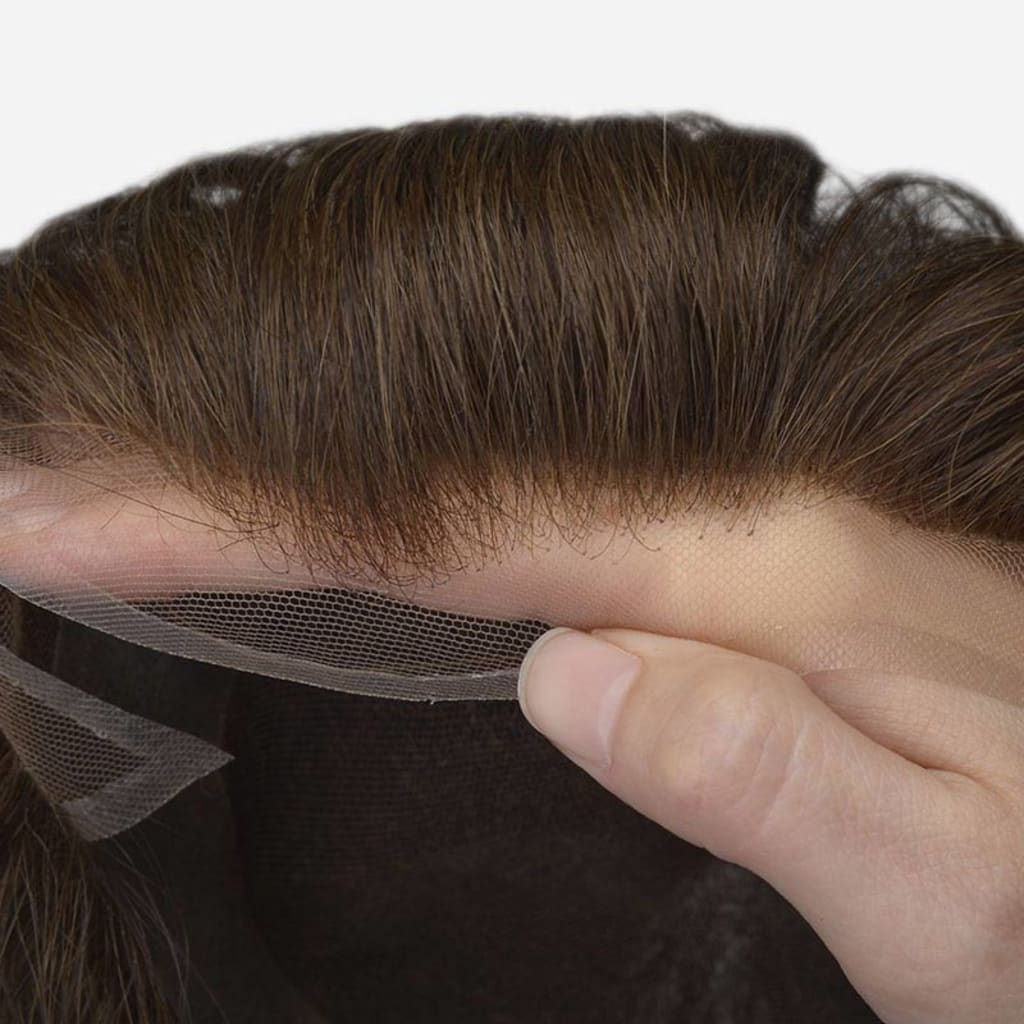
Bono Hair system vs. Traditional Toupees: What’s the Real Difference?
A modern hair system is much more than a quick fix. As professionals, you already know this kind of advanced non-surgical hair replacement can deliver results that are virtually undetectable, especially with custom options from Bono Hair. But for years, the word "toupee" brought to mind those obvious, unnatural-looking pieces. That outdated image? It really doesn’t belong anymore.
Key Takeaways
- Match base materials to client lifestyles: choose breathable lace for heavy sweaters or ultra-thin skin for maximum invisibility.
- Opt for V-loop ventilation and 100% Human Remy hair to eliminate visible knots and guarantee natural movement.
- Apply waterproof, medical-grade adhesives to provide a secure, semi-permanent fit that withstands swimming and intense workouts.
- Educate clients on the realism trade-off: ultra-thin, undetectable bases sacrifice durability and require more frequent replacement.
- Schedule recurring salon visits every 3-4 weeks for essential removal, scalp cleaning, and reattachment services.
Why "Toupee" is a Dirty Word (And Why "Hair System" is Different)
Clients tend to cringe at the word "toupee" because it’s tied to outdated men’s hair solutions. Think of this as more of an evolution. Today’s hairpieces come with major structural upgrades that make them far better.
The "Rug" Era: Characteristics of Traditional Toupees
Older hairpieces used thick, rigid bases. They often sat awkwardly on the scalp.
The synthetic hair felt stiff and looked fake. These issues pushed the industry to improve its design and build.
The Modern Era: What Defines a Bono Hair System?
Modern hair systems get rid of those concerns. Units from Bono Hair offer a natural look with hairlines that are genuinely hard to detect.
Professionals can now offer results that look seamless. And that clean, realistic finish comes straight from how the base is built.
The Anatomy of Realism: Base Materials and Construction
Picking the right foundation is key when customizing a Bono Hair unit. Professionals usually choose between lace, skin (polyurethane), and mono (monofilament) base types.
This physical structure shapes the client’s overall look. It has a direct impact on how the hairline turns out.
Breathability vs. Discretion: Choosing Between Lace and Skin
French and Swiss lace bases are extremely breathable. They work well for clients with active, high-sweat lifestyles.
A 0.03mm ultra-thin skin base, on the other hand, focuses on staying invisible. It sits flush against the scalp for a very natural appearance.
Both options deliver strong realism. It really comes down to how the manufacturer attaches the hair to these base materials.
The V-Loop Advantage in Bono Hair Manufacturing
Standard knotting can leave tiny black dots at the root. Not great.
To solve this, Bono Hair uses a specialized V-loop ventilation technique. The strand passes straight through the polyurethane without any knots.
This creates a clean scalp look and natural hair density. But even with a solid base, the hair itself also needs to look just as real.
Human Hair Quality: Why Traditional Toupees Looked "Fake"
Older man weave pieces relied on stiff synthetic fibers. Today, Bono Hair uses 100% Human Remy hair. With the cuticles kept intact, the hair has a softer, more natural bounce. This improved texture changes how the piece moves on your client.
The Movement Factor: How Modern Systems Mimic Natural Growth
A high-end hair unit moves and flexes with the scalp. The strands respond to the wind like real hair.
This gives you a seamless, natural-looking hairline. Clients can even swim without it looking off. But this level of realism does affect how long the system lasts.
Durability vs. Realism: The Honest Trade-off
Ultra-thin bases deliver amazing realism, but they do give up some durability. You need to be upfront about this with buyers.
Regular upkeep isn’t optional. Proper care goes a long way, but these delicate pieces will wear out over time. And keeping them secure ties directly into the attachment methods you use.
Attachment Methods: From Clips to Medical-Grade Bonding
Traditional toupees used bulky clips that clients had to take off every single night. They could shift, felt heavy, and weren't exactly discreet. Modern semi-permanent options flip that completely. Stylists now use advanced tape-ins and medical-grade bonding to secure the system right to the scalp. It creates a snug, second-skin fit that stays in place for weeks. With a glue-on application, your client wakes up, showers, and moves on with their day without adjusting their hair. They stop stressing about it. And that peace of mind changes how they live. So, how do these secure bonding methods actually hold up during intense physical activity?
Can You Swim and Sweat? Lifestyle Integration for the Modern Man
Clients always wonder if their new hair will handle the gym. It will. A modern glue-on toupee from Bono Hair stays locked in, even through heavy workouts or laps in the pool. The key is the waterproof adhesive used during application.
When a Bono Hair system is attached properly, the bond stands up to moisture and sweat. Your clients can fully enjoy an active lifestyle without checking the mirror every few minutes. They can run a marathon or swim in saltwater. The hair stays firmly in place.
But that kind of hold doesn’t just happen on its own. The strength of the bond comes down to proper scalp prep and precise application. You need the right technique to make sure it holds under extreme conditions. And that responsibility lands squarely on the hair replacement professional.
Maintenance Realities: A Side-by-Side Comparison
No hair system is totally maintenance-free. Older removable pieces only needed a quick wash at home, but semi-permanent bonding calls for scheduled professional care. Your clients will need to sit in your chair every three to four weeks for a full removal, scalp cleaning, and reattachment.
This ongoing upkeep directly affects the total cost for the client. They’re investing in a recurring service, not just buying a one-time product. As a hair replacement professional, you need to be clear about this upfront. They’re paying for the unmatched realism and security of a bonded system through regular salon visits.
Good care can extend the life of the unit, but over time, the delicate base will wear down. Knowing exactly when it’s time to replace it keeps your client looking sharp all year. Once that expectation is set, you’re ready to guide them through the custom ordering process.
Frequently Asked Questions about Modern Hair Systems
How much does a Bono Hair system cost compared to a traditional toupee?
More upfront. Cheap toupees are just rigid plastic rugs. Bono Hair uses custom ultra-thin skin and 100% Remy hair for undetectable realism. You pay for the upgrade.
Are hair systems better than surgical hair transplants?
Depends on your patience. Transplants take 12 months to grow and often lack density. Systems give you a full head of hair in two hours with zero surgery scars.
Do celebrities wear modern hair systems?
Absolutely. Half of Hollywood uses them. Modern ultra-thin skin bases with V-loop ventilation are completely invisible even on 4K cameras. They just pay publicists to keep it quiet.
What is the average monthly maintenance cost for a professional hair system?
Not cheap. You need salon visits every 3-4 weeks for removal, scalp cleaning, and reattachment with medical-grade adhesive. Expect $100 to $300 monthly depending on your stylist.
About the Creator
Leo
Passionate men's hairstylist with a keen eye for detail and a knack for creating on-trend looks. Dedicated to delivering hair restoration education that enhances individual style.
Enjoyed the story? Support the Creator.
Subscribe for free to receive all their stories in your feed.
Comments
There are no comments for this story
Be the first to respond and start the conversation.