
Best toupee for beginners on a Budget: Affordable Options That Look Natural
Best Budget Toupees for Beginners: Natural & Affordable
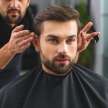

Best toupee for beginners on a Budget: Affordable Options That Look Natural
Finding a budget-friendly non-surgical hair replacement from a brand like Lordhair can finally ease the heavy emotional toll of hair loss. You can get a 100% natural look without draining your savings. Discovering this kind of affordable relief feels amazing. But many beginners still worry: will people be able to tell it's fake?
Key Takeaways
Choose a lower hair density (90% or less) to avoid sudden "wig shock" and ensure a natural look.
Skip fragile ultra-thin skin initially; choose a 0.06mm poly or hybrid base to balance realism and durability.
Opt for a hybrid base (lace center, poly edge) for breathable comfort and mistake-proof tape application.
Master DIY maintenance to save thousands on salon visits, budgeting just $20–$40 monthly for adhesives and solvents.
Hire a specialized hair system stylist for your first "cut-in" to seamlessly blend the piece with your natural hair.
Overcoming the Fear: Why "Cheap" Doesn't Have to Mean "Fake"
Worrying that someone might spot your hairpiece the moment you step outside is totally understandable. No one wants that obvious "wig look."
But things have changed a lot with modern manufacturing. These days, an affordable system from Lordhair can look incredibly natural and give you a serious confidence lift. So how does a lower-cost option manage to look this convincing?
Can a Budget Toupee Really Look 100% Natural?
Yes, it can. The key comes down to how the front edge is built. You don’t need a premium price tag anymore to get a hairline that no one can detect.
Budget-friendly systems now use graduated density. That means the hair starts lighter at the very front and slowly gets thicker. Add in proper color matching with your natural side hair, and everything blends right in.
You can even style your hair back and show the hairline without anyone noticing. This kind of realism depends on two specific methods happening right at the roots.
The Science of Realism: V-Looping and Bleached Knots on a Budget
That natural “growing from your scalp” look comes down to how each strand is attached to the base.
First, there’s the v-loop hairline. Instead of tying knots, a single strand gets looped through a thin base so it stands upright. No visible dark dots at the root.
For mesh bases, manufacturers use bleached knots. By lightening those tiny knots that secure the hair to the lace, they basically disappear. But even if the roots look perfect, the whole system can still seem off if the density isn’t right.
Choosing the Right Hair Density to Avoid the "Wig Shock"
Jumping from thinning hair to a full, thick head overnight is a clear giveaway. That sudden shift creates instant "wig shock" for the people around you.
To keep it natural, go with a lower density (90% or less) for your first system. This lighter volume lines up well with the typical thickness most men have.
When you pair that with a properly graduated hairline, the result looks believable and easy. Once you’ve got the density figured out, the next step is choosing the base material that feels right on your scalp.
Demystifying Base Materials: Lace vs. Skin vs. Mono for First-Timers
Picking your first hairpiece really comes down to what sits right on your scalp. That foundation comes in a few different base materials, most commonly lace, skin, or monofilament.
Your choice affects everything, from everyday comfort to how real it looks. Even small changes in base thickness can totally change the appearance. So which one actually vanishes on your head?
Which Wig Base Material Is the Least Visible on the Scalp?
If pure realism is all you care about, ultra-thin skin takes the lead. The scalp-hugging polyurethane almost melts into your skin. It creates a hairline that’s practically impossible to detect, even up close.
Lace comes in right behind it. Swiss lace, in particular, is extremely fine and see-through, blending well with most natural skin tones.
But that perfect look has a downside. The more invisible the base is, the more delicate it usually becomes. And that leads to a tough truth about how often you’ll need to replace it.
The Durability vs. Realism Trade-Off for Beginners
Realism and durability sit on opposite sides of a seesaw. Always.
When you go with a 0.03mm ultra-thin skin base, you get top-level realism. But it’s very fragile and may only last about a month before it tears. As a beginner still figuring out how to apply tape, there’s a good chance you’ll damage it.
That’s why starting with a slightly thicker 0.06mm skin base or a sturdy French lace option makes more sense. They’re more forgiving when you’re learning. Over time, choosing like this can seriously cut down your total cost.
Is Lace or Skin Better for Someone on a Tight Budget?
If you’re keeping an eye on your budget, a poly base usually comes out ahead. Skin systems are easier to clean since the adhesive peels off the smooth surface without much effort.
Lace takes more time and solvent to get rid of glue that gets trapped in the fibers. Even though lace can last a bit longer, the simpler upkeep of a skin system saves time and hassle. Both are priced affordably through Lordhair, but poly helps keep the learning curve inexpensive.
To make things clearer, here’s a quick side-by-side comparison.
FeaturePoly Base (Skin)Lace BaseRealismExtremely highHighDurabilityLowerModerateMaintenanceQuick and easyRequires solvent
The Beginner’s Budget Matrix: Balancing Cost, Realism, and Durability
Finding durable hairpieces usually means giving up a bit of that raw, invisible realism. Ultra-thin systems look flawless, but they tear easily, which drives up what you’ll spend over the year.
Here’s how the main base types stack up before we zero in on the best middle ground for new wearers.
Base TypeRealismDurabilityBeginner FriendlinessUltra-Thin SkinHighestLowestLowLaceHighModerateModerateHybridHighHighHighest
The Ultra-Budget vs. The Balanced Beginner Base Options
Beginners often go straight for the thinnest skin base they can find, chasing that invisible hairline. But here’s the catch: these delicate units need careful handling and frequent replacement. That gets expensive quickly.
If you want your budget to last, look at monofilament bases or durable lace. These materials hold hair firmly in place. With single split knots, the hair stays locked into the mesh, so it doesn’t shed as easily. That means a longer lifespan and lower overall cost. Still, there’s an even better sweet spot for first-time users.
Why a Hybrid Base is the #1 "Mistake-Proof" Choice for Beginners
Getting into hair systems can feel like a lot at first, but a hybrid base takes much of the pressure off. It combines a soft lace center with a durable polyurethane edge around the perimeter.
You get the light, breathable feel of lace directly on your scalp. At the same time, the smooth poly edge gives you an easy, reliable surface for applying and removing tape. If you slip up during cleanup, you won’t tear the base right away. It lets you handle your hair with more confidence. Now, let’s look at the exact models that match this budget-friendly setup.
Finding the Best Lordhair Budget Systems for Beginners
Getting into a men's hair system feels a lot easier when you trust the brand.
Lordhair offers high-quality, budget-friendly options that remove the guesswork from your first purchase. Their beginner-focused services help you regain confidence right away. So, let’s take a look at the specific thin skin options they offer.
Lordhair's Top Affordable Thin Skin Systems
If your main goal is an undetectable hairline, thin skin is the way to go. Lordhair skin hair systems blend right into your scalp. They look completely natural and feel like they’re just part of you.
These bases are also very easy for beginners to work with. The smooth surface takes tape cleanly, so cleanup is quick and hassle-free. They also come at an accessible price, which keeps your first investment low.
Thin skin gives you unmatched realism. But you might want something that breathes better. That’s when it makes sense to check out Lordhair's hybrid and lace options.
Lordhair's Durable Hybrid and Lace Systems for First-Time Wearers
Breathability and durability come together with Lordhair hybrid systems. These units mix soft lace with a sturdy perimeter to give you a solid balance. A high-quality human hair toupee on these bases holds up really well to daily wear.
The biggest win for beginners is the brand's pre-cut and styling service. Your unit arrives ready to wear straight out of the box. No need for an expensive trip to a specialty salon, and your confidence gets a boost right away.
Now that you know which unit to buy, it’s time to calculate the total cost of ownership.
The True Cost of Ownership: A Realistic Monthly Budget
Buying your first unit is only the start. You also have to plan for the supplies that keep it in place and looking good.
Taking care of your own hair system bonding calls for a few specific items. But learning to handle maintenance yourself doesn't have to cost a fortune. Here's a clear look at the accessories and supplies you'll need.
The "Hidden Costs" Checklist: Adhesives, Solvents, and Tapes
Keeping your system secure means a few repeat purchases. You'll need a dependable adhesive, like white glue or double-sided lace tape. These typically run $15 to $30 and last about two months.
You'll also want a scalp protector and a solid solvent for cleanup. Plan on spending around $20 for a solvent that should last a few months.
All in, you're looking at roughly $20 to $40 per month for supplies. Doing this at home helps you skip heavy markups and cuts your monthly costs in a big way.
DIY Home Maintenance vs. Expensive Salon Servicing
Paying for professional installs every few weeks adds up quickly. Regular salon visits can easily hit $250 or more per month.
That kind of ongoing cost catches a lot of beginners off guard. But doing maintenance at home is totally doable.
Learning how to clean and reattach your unit takes a bit of practice. But it can save you thousands each year and gives you full control. Once you get comfortable with these basics, you're ready for the real shift. Next, we'll get into the lifestyle and psychological side of starting your hair system journey.
Step-by-Step: How to Transition from Hats to Your New Hairline
Dealing with hair loss can take a real emotional hit. Most men lean on baseball caps to cover male pattern baldness. But you don’t have to hide forever. Taking that cap off in public can feel intimidating at first. Here’s how to move from covering your head to showing off your new hair.
How to Transition from Wearing Hats to a Hair System
Ditching the hat overnight can feel like a lot. Start by wearing your new unit at home so you get used to it. Then try it out on quick errands where no one knows you.
Strangers will just see a guy who looks fresh and younger. Switching to a hair system is mostly mental, so building confidence takes some repetition.
Getting the right haircut makes this whole shift way easier. A clean blend keeps it undetectable. That’s why your first setup really needs a pro’s touch.
How to Find a Professional Hair System Stylist for Your First Cut-In
Not every barber knows how to work with a hairpiece. You need a hair system specialist who can blend the unit seamlessly with your natural hair. Look for salons that offer non-surgical replacement.
Ask if they’ve done a proper cut-in on a new unit before. A skilled stylist knows how to reduce density so it looks natural.
Once your Lordhair system is styled, everyday wear gets easy. Still have a few concerns? We’ll cover those quick questions in the FAQ section next.
Frequently Asked Questions About Budget Hair Systems
How much does a good toupee cost upfront vs. monthly?
Upfront costs vary by base, but Lordhair keeps it budget-friendly. Monthly? Just $20 to $40. Tape and glue run $15 to $30 every two months. Master DIY maintenance and you save thousands on salon visits.
Can you swim, shower, or work out with an affordable hair system?
Yes. Hybrid bases with a lace center breathe perfectly when you sweat. The poly edge keeps your tape locked down tight. Just use a solid waterproof adhesive. It holds up to intense daily wear without peeling.
Are human hair wigs more realistic than synthetic options?
Absolutely. Human hair falls and moves exactly like your own. Synthetics just look shiny and stiff. Stick to a 90% density human hair unit. It matches natural male thickness and completely avoids that sudden wig shock.
What makes a hair system undetectable to the touch?
The base material. Thin skin systems literally melt into your scalp. A 0.06mm poly base feels like nothing is there. For mesh options, bleached knots make the roots disappear completely. Nobody will feel a thing.
About the Creator
Leo
Passionate men's hairstylist with a keen eye for detail and a knack for creating on-trend looks. Dedicated to delivering hair restoration education that enhances individual style.
Enjoyed the story? Support the Creator.
Subscribe for free to receive all their stories in your feed.
Comments
There are no comments for this story
Be the first to respond and start the conversation.