
Best toupee for beginners
Best Toupee for Beginners: A Guide to Your First Hair System

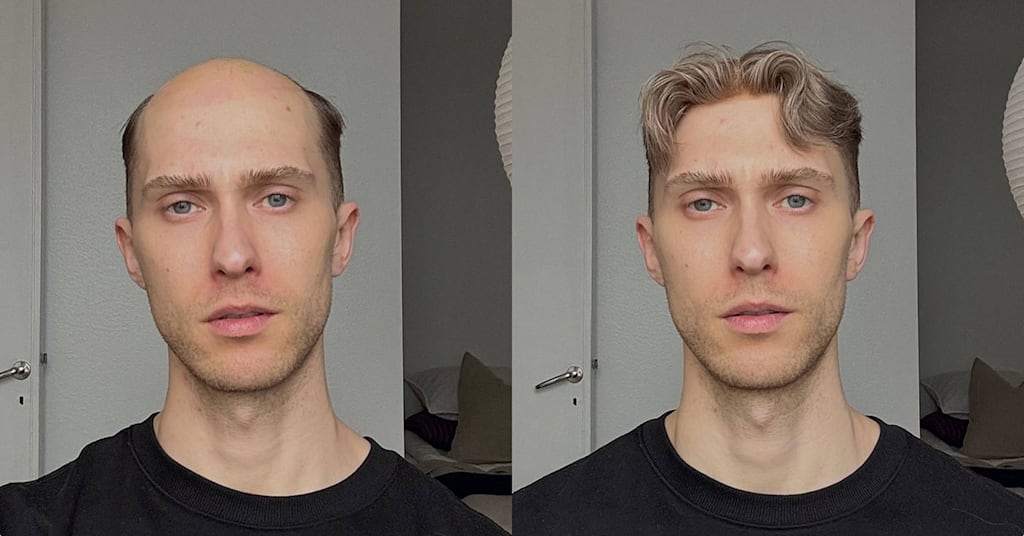
Best toupee for beginners
Finding the best toupee for beginners often starts with getting past that quiet anxiety around hair loss. You're not alone, and wearing a piece isn’t something you need to hide. A modern Hair System from Lordhair looks completely natural and can bring your confidence back right away. Here’s how they actually work.
Key Takeaways
Start with a ready-to-ship stock hair system, which is the fastest and easiest option for beginners.
Match the base to your lifestyle: choose breathable lace for active routines or a skin/poly base for easier cleaning.
Opt for real human hair with a lower density to prevent a bulky, unnatural "wiggy" appearance.
Never wear a system straight out of the box; have a professional stylist perform the crucial "first cut" for a natural blend.
Build a simple maintenance kit with medical-grade adhesive, solvent, and scalp protector for safe weekly cleaning.
Demystifying the Modern Hair System
Forget the old stereotypes. Today’s fixes for male pattern baldness have completely changed.
When you look into a toupee or hairpiece, those outdated jokes don’t really fit anymore. High-tech materials have changed the game. Knowing these basic terms makes it a lot easier to figure out what your own thinning areas need.
What is the Difference Between a Wig and a Toupee?
Coverage is the key difference. A wig covers your whole scalp from edge to edge.
A toupee or hairpiece gives partial coverage for male pattern baldness. This more targeted approach helped push modern replacement tech forward.
Why We Call It a "Hair System" Today
Old toupees used to look obvious. Now, ultra-thin materials and better ventilation create a genuinely natural look.
Modern hair wearers get lightweight bases that copy a real scalp. Once you’ve got these definitions down, you can zero in on your exact thinning pattern.
Understanding Your Hair Loss Pattern
Getting your confidence back starts with figuring out exactly where your natural hair is thinning. This step really matters.
Whether you're dealing with a receding hairline or a balding crown, checking your scalp determines the system’s exact size and placement. Once you’ve mapped out the area, you can choose between a stock or custom unit.
Identifying a Balding Crown vs. Receding Hairline
Male Pattern Baldness shows up differently for everyone. A receding hairline calls for a front-focused base, while thinning in the back needs more rounded coverage.
Don’t guess the shape. Knowing your exact hair loss area tells you what measurements to take next.
How to Measure Your Head for a Men's Hair System
Measure the balding area from front to back, then from side to side. Keep those numbers.
They line up with base sizes (7” x 9”, 8” x 10”) that can be trimmed to fit. These measurements guide your choice between stock and custom Lordhair systems.
Stock vs. Custom Toupees for First-Time Buyers
Choosing between a stock hair system and a custom hairpiece is your first big decision. A standard Lordhair unit ships right away, while a custom build gives you full personalization.
Both can help you regain your confidence. But before you get into base materials, you need to understand why a pre-made system is usually the safest place to start.
Why Stock Hair Systems Are Best for Beginners
A stock system is the easiest way to test things out. Since these units ship straight from the factory, you get them much faster.
That quick availability really helps. But while ready-to-ship options work well, some men need very specific customization.
When to Consider a Custom Hairpiece
Custom units are made for unique head shapes, exact gray percentages, or less common textures.
Whether you're buying single units or going wholesale, a satisfaction guarantee helps protect your investment. Once your ordering method is set, the next step is choosing the physical base material.
The Beginner's Base Matchmaker Matrix
Your base material shapes how your new hair looks and feels. Lace gives you top-level comfort, skin creates a seamless hairline, and mono is built for solid durability.
Getting the right mix of realism and strength is what builds everyday confidence. So which option actually makes sense when you're just starting out?
Which Hair System Base Is Best for First-Time Users?
Start with French Lace or a Thin Skin base. Both offer a very natural look without requiring complicated upkeep.
They also make the emotional shift a lot easier. But the best choice really comes down to how much you sweat.
Matching Your Base to Your Daily Lifestyle
Intense workouts and hot weather call for maximum airflow to stay comfortable. An active routine means you’ll want a Lordhair unit that lets heat escape on its own.
If you're running every day, you’ll need the breathable build that only a lace system can give.
Exploring French Lace and Swiss Lace Bases
Lace systems are built from a fine, woven mesh that sits right against your scalp. This design makes French Lace incredibly light, so you get maximum breathability.
And that open airflow is a clear contrast to the solid, closed-off materials used in skin and polyurethane bases.
The Breathability Benefits of Lace
The woven mesh lets heat and sweat escape almost instantly. So it meets the need for real comfort if you live an active lifestyle in warm climates.
But this open grid structure does more than keep you cool. It also directly affects how the front of your hair looks.
Achieving a Completely Natural Hairline
French and Swiss lace practically disappear against your scalp, creating an undetectable natural hairline. That seamless blend gives you the confidence to push your hair back.
But if you want something easier to clean, you might lean toward the solid, smooth structure of a skin base instead.
Understanding Thin Skin and Poly Bases
Lordhair polyurethane bases give you a completely different feel compared to woven mesh. These smooth materials form a secure, airtight seal against your scalp.
If you go with a full Thin Skin system or one with Poly Around the edges, that solid build changes how maintenance works.
Why Poly Around Bases Are Easiest to Clean
A Poly Around perimeter gives you a smooth surface for adhesive. When you take the system off, the glue peels right off.
It's much easier than cleaning a Fine Mono mesh. But that thicker border feels different from full skin.
The Realistic Scalp Appearance of Thin Skin
A full Thin Skin base creates the look of hair growing straight from your scalp. It blends in smoothly to deliver a truly Natural Appearance.
But that nearly invisible material brings a real trade-off between maximum realism and everyday durability.
The Golden Rule of Realism vs. Durability
There’s a hard truth when picking a hair system. The closer a base gets to a completely Natural Appearance, the less durable it usually is.
An invisible hairline needs delicate materials that can’t handle heavy wear. You’ve got to balance these factors before choosing your final hair type and density.
Why Ultra-Thin Skin Systems Have a Shorter Lifespan
A 0.03mm Thin Skin base looks just like a real scalp. It feels completely weightless.
But that level of invisibility comes at the cost of durability, so you’ll need to replace it more often.
To keep your ongoing costs down, look into sturdier options that still offer a very natural look.
Finding the Sweet Spot for Longevity and Natural Looks
Hybrid bases are a great middle ground, especially for beginners.
A lace center with a poly border gives you long wear and everyday comfort. And it still blends in seamlessly.
Once the base is sorted, it’s time to choose the hair itself.
Selecting the Right Hair Type and Density
Getting the base right is only part of it. Now you’ve got to choose between Human Hair and Synthetic Hair to figure out what actually looks best.
This decision shapes how natural your new system feels. The right hair type, paired with the right density, can really boost your confidence. Let’s start with the materials.
Synthetic vs. Real Human Hair for Beginners
Real human hair gives you natural movement and easy styling. It also makes color matching simple, since the texture blends smoothly with your own hair.
Once you’ve chosen the material, the next step is deciding how much hair should go onto the base.
Why Lower Hair Density Prevents a "Wiggy" Look
Beginners often go for high hair density, which can end up looking bulky—more like a helmet than real hair. Going with a lighter density helps keep things looking natural.
With your Lordhair specs locked in, you’ll need a plan for when it shows up in the mail.
Why the Crucial "First Cut" Is 80% of the Look
Your Lordhair package finally shows up. You open the box, and the hair looks way longer than you expected.
Don’t panic, and definitely don’t put it on right away. Getting a natural look takes proper styling and trimming to size. Here’s why your system isn’t ready to wear straight out of the box.
Why Toupees Arrive as a "Blank Canvas"
A stock hair system comes with extra length, basically giving you a blank canvas.
That extra hair gives a professional room to trim it down properly. They shape the cut so it fits your face just right.
How to Find a Professional Hair Replacement Stylist
Look for salons that work specifically with hair wearers. Ask to see client photos so you know they can create a smooth, natural blend.
Once your hair is styled, the toughest part is done. After that, you just need to pick your attachment method.
Choosing Your Attachment Method
Your styled Lordhair system is ready to go. Now it just needs to stay put on your head.
The right attachment method keeps things comfortable and secure. Whether you're active or just want something simple, you’ve got options. Let’s start with the easiest one.
Are Clip-on Hairpieces Easier to Manage Than Glued Systems?
Yes. Clips are a low-commitment way to wear your new Toupee / Hairpiece.
You just snap them into your existing hair for instant comfort.
But if you want a stronger, semi-permanent hold, you’ll need to look into liquid adhesives and tapes.
When to Use Liquid Adhesive vs. Double-Sided Tape
Glue gives you a seamless bond right at the hairline. It also offers the durability you need for an active lifestyle.
Tape is quicker to apply and makes cleanup easier.
Both options need specific supplies to keep the hold safe and manageable.
The Beginner's "Starter Kit" and Maintenance Reality
Taking care of a hair system is easier than it sounds. A simple starter kit helps keep things comfortable and long-lasting.
All you really need is medical-grade glue or tape, plus a safe solvent and a scalp protector. Getting these from a trusted brand like Lordhair puts you on the right track from the start.
Essential Adhesives, Solvents, and Scalp Protectors
Your kit should include medical-grade tape or liquid glue to hold the system in place. You'll also want a gentle adhesive remover so you can take it off without any trouble.
Using these together helps keep things secure while also protecting your scalp during your regular weekly upkeep.
Establishing a Safe Weekly Cleaning Routine
Start by spraying remover to loosen the bond. Then peel it back slowly so you don't damage the Base Material. Clean your scalp, reapply the adhesive, and press everything back down.
If you're new to wearing hair systems, Lordhair offers high-quality options that make the whole process feel much easier.
Why Lordhair Is the Perfect Partner for Your Hair Journey
Finding the right hairpiece can feel overwhelming. Lordhair makes that a whole lot easier. They offer beginner-friendly guidance and premium options that actually look natural.
If you need a high-quality Stock Hair System without the guesswork, they’ve got you covered. Here’s how they support you before we get into those common beginner questions.
How Lordhair Simplifies the First-Time Buying Process
Buying your first unit shouldn’t break the bank. Lordhair offers factory-direct pricing and a huge inventory.
They also back their pieces with a solid satisfaction guarantee. But what if you still feel unsure about picking the right one?
Accessing Lordhair's Free Online Consultation Service
You don’t have to guess your ideal look. Just upload photos of your current hair loss online.
Their experts handle the texture analysis and color matching for you. Now, let’s clear up those last lingering doubts.
Frequently Asked Questions About Beginner Toupees
How much does a good toupee cost?
Around $200 to $400 for a quality stock system. Custom pieces run higher. Skip the cheap $50 internet junk. A standard Lordhair unit is the sweet spot for a beginner testing the waters.
What is the average monthly maintenance cost for a hair system?
About $20 to $50 a month. You just need a basic kit. Medical-grade adhesive, solvent, and scalp protector. Do the weekly cleaning yourself at home. Salon maintenance will drain your wallet fast.
Is a human hair toupee more expensive than synthetic?
Yes. Real human hair costs more but looks infinitely better. Synthetics melt near heat and look artificially shiny. Pay the premium for human hair with a lower density. It prevents that bulky, unnatural helmet look.
How to choose the right toupee?
Match the base to your lifestyle. Sweat heavily? Get breathable lace. Want easy cleanup? Go with a skin or poly perimeter. Always pick a lower density human hair unit. High density just looks like a helmet.
What is the easiest wig for beginners?
A ready-to-ship stock hair system with a poly or thin skin base. It ships immediately. The solid perimeter makes peeling off adhesive incredibly easy compared to mesh. Never wear it straight out of the box. Get a professional first cut.
About the Creator
Leo
Passionate men's hairstylist with a keen eye for detail and a knack for creating on-trend looks. Dedicated to delivering hair restoration education that enhances individual style.
Enjoyed the story? Support the Creator.
Subscribe for free to receive all their stories in your feed.
Comments
There are no comments for this story
Be the first to respond and start the conversation.