
Best Hair Extension Wholesalers for Starting Your Own Brand
Best Hair Extension Wholesalers for Your Brand

Best Hair Extension Wholesalers for Starting Your Own Brand
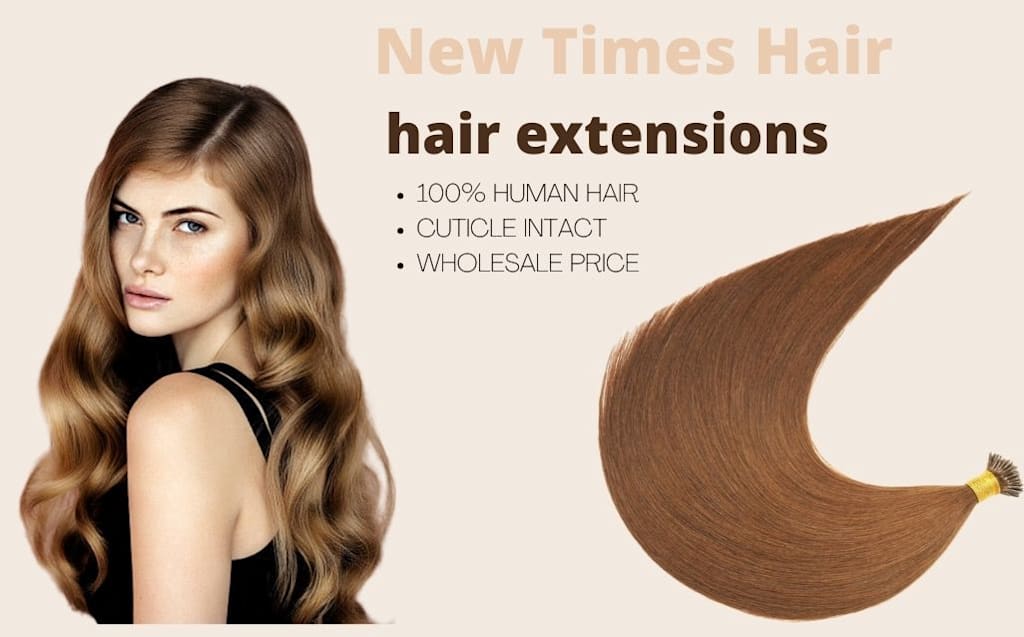
Finding reliable wholesale hair extension vendors can make or break your new salon. While the US market has plenty of hair extension manufacturers, locking in a partner like New Times Hair with low minimums gives you a real edge right away. This choice becomes your business foundation. Now, let’s turn that supply into a thriving private label brand.
Key Takeaways
- Launch with just two or three high-demand extension types to minimize initial inventory risks.
- Partner with factory-direct suppliers offering low minimum order quantities (MOQs) to secure wholesale pricing and maximize profit margins.
- Always invest in samples to perform burn, bleach, and cuticle tests, ensuring you receive 100% Remy human hair.
- Boost your brand's perceived value by utilizing custom packaging and demanding ethical, single-donor sourcing documentation.
- Match suppliers to your audience: leverage Chinese factories for budget-friendly scaling, or raw Indian and Slavic sources for luxury markets.
How to Start Your Own Hair Extension Brand?
Starting a successful hair business takes more than just buying inventory. You need a clear path that moves from a simple idea to fully branded private label hair extensions sitting on your salon shelves. First, figure out your target audience. Then build an identity that speaks right to them. But the real key to growth is how you set up your supply chain. Choosing between a direct factory and a domestic middleman will shape your profit margins in a big way. Here’s how you lay that foundation.
What Are the Steps to Launch a Private Label Hair Line?
Creating a custom line begins with careful product selection. You need to decide exactly what you’ll offer based on what your salon clients are actually asking for. Don’t try to sell everything right away. Stick to two or three high-demand items—like tape-ins or hand-tied wefts—and test the market first.
Next is building your brand identity. This is what separates you from all the generic online sellers. Working with a supplier that offers custom packaging, like branded silk bags and tags, can instantly boost how valuable your extensions feel to customers.
Finally, you need a reliable supply chain. Staying with domestic suppliers helps you avoid long shipping delays and keeps things running smoothly. Once your products line up with your brand vision, you’re ready to start selling. But turning that vision into reality takes money. So what does the financial side actually look like?
How Much Capital Is Needed to Start a Hair Extension Business?
Your startup cost depends a lot on how you source your inventory. Buying hundreds of bundles upfront can quickly run into the thousands, which is a big risk for a new business. A better move is to find US-based partners like New Times Hair that offer a low MOQ. That way, your upfront costs stay manageable while you still get access to wholesale pricing.
Before placing any large orders, make room in your budget for sampling. Spending $100 to $300 on sample wefts isn’t optional. You need to wash, color, and heat-test the hair yourself to make sure it meets your salon’s standards.
On top of inventory, set aside money for local marketing and your website. A basic e-commerce store and targeted social media ads usually cost a few hundred dollars a month. Keeping your inventory lean while pushing hard on local marketing is one of the fastest ways to see a solid return on investment.
Why New Times Hair is the Strategic Choice for New Brands
A dependable US-based partner can change everything for a new salon. You shouldn't tie up thousands of dollars in stock that might not sell right away. That's exactly where New Times Hair stands out for entrepreneurs. They tackle one of the biggest startup hurdles by offering low minimum order quantities along with real wholesale pricing. You get the flexibility to test extensions without draining your bank account.
Keeping steady inventory on hand matters just as much. If a client wants a specific length, you need to trust your supplier has it ready to ship. So how does this setup compare when you weigh factory-direct benefits against traditional domestic distributors? Let's take a closer look.
The Advantages of Factory Partnerships with New Times Hair
Working directly with hair extension manufacturers can seriously shift your profit margins. Middlemen naturally mark up prices to cover their own costs. Cutting them out means you lock in direct factory pricing from the start. That extra margin either boosts your bottom line or helps you offer more competitive pricing to your salon clients.
And it's not just about price. A real factory partner gives you full access to private label services. You're not just picking up generic bundles to resell. You get the know-how needed to customize lengths, colors, and textures for your specific market. That kind of control helps you build a product line that actually matches your salon's reputation.
Relying on a third-party distributor can leave you guessing about consistency. If the hair quality drops, your clients will hold you responsible. That's why strong quality control at the factory level helps prevent common issues before they ever reach your shelves.
Custom Packaging and Branding Services for Startups
Great hair won't mean much if it shows up in a cheap plastic bag. First impressions shape what a client is willing to pay. A solid wholesaler helps your brand feel established from day one by offering custom packaging. Branded satin bags and tags instantly raise the perceived value of your extensions.
Getting this right takes more than just adding a logo. You need a clear tech pack so your design comes out exactly as planned in real materials. When your supplier manages both the hair and the packaging, keeping everything consistent becomes much easier.
Nice packaging might get the first sale, but performance is what brings clients back. And that puts the spotlight on the technical quality details that separate premium brands from everyone else.
Identifying 100% Remy Human Hair and Quality Indicators
Not all extensions perform the same on the salon floor. Finding real 100% Remy Human Hair means looking past marketing labels and focusing on the actual technical specs. You need cuticle-aligned hair to stop immediate tangling and matting after a client’s first wash. Many low-cost suppliers strip the cuticles with chemicals and coat the strands in silicone. It feels soft right out of the package, but the extensions break down within weeks. Spotting true quality comes down to checking for even strand thickness and a natural taper at the ends. That protects your salon’s reputation. Knowing these specs matters, but you still need a practical way to test these claims before placing a bulk order.
How to Verify if a Hair Supplier Uses 100% Remy Human Hair?
Ordering a small sample is your best defense against bad inventory. You can run a simple burn test to check for hidden synthetic fillers. Just light a few strands in a safe space. Real hair burns slowly, smells like feathers, and turns into a soft ash. Synthetic blends melt fast, smell like plastic, and form a hard bead.
Next, check the cuticle condition. Run your fingers up a single strand from the ends toward the root. It should feel slightly rough. If it’s perfectly smooth both ways, there’s a good chance the supplier stripped the cuticles and added a heavy silicone coating.
Finally, try a bleach test on a small section. Real, unprocessed hair lifts evenly with a standard lightener. If it turns patchy or starts to melt, you’re dealing with heavily processed strands. Testing like this protects your clients’ money. And it naturally leads to bigger questions about where the hair comes from, which brings ethical sourcing into focus in today’s luxury market.
How Can You Verify if a Hair Supplier is Ethically Sourcing Their Products?
Real quality is tied to how the hair is collected. Ethical sourcing means it’s given willingly and paid for fairly. Suppliers with true transparency can clearly explain where their inventory comes from.
You also need to know the difference between premium bundles and lower-grade options. Single donor hair is cut and bundled from one person, keeping all cuticles aligned in the same direction.
On the flip side, some factories collect loose strands off the floor to make “floor hair.” This mix of random cuticles needs harsh acid treatments just to look decent, and it tangles fast once the coating fades. Reliable suppliers like New Times Hair don’t take these shortcuts.
Asking for sourcing documentation helps you filter out unreliable suppliers. Knowing exactly where your products come from builds serious trust with clients. Once you’ve got that foundation, you’re ready to compare the best domestic and international wholesale options.
Top Vetted Wholesalers for US-Based Entrepreneurs
Finding domestic suppliers with fast shipping and low minimum order quantities (MOQs) can really change the game for new salon owners. You want inventory in your hands fast without locking up thousands in upfront costs. US-based wholesalers are strong here. They keep stock locally, so you skip international customs delays and get products in days instead of weeks. That local setup lowers the barrier to entry for startups. But building a complete business means looking at every profitable angle. While domestic hubs give you unmatched speed, you still need to understand how global sources compete on price to boost your margins. That starts with looking at high-quality, budget-friendly options overseas.
Best for Low Budget: High-Quality Chinese Factories
Keeping your startup costs low is key when launching a salon. Chinese hair manufacturers offer some of the best pricing for startups working with tight budgets. These factories produce at huge scale, which drives down the cost per unit. You can place a bulk order for a fraction of what a local distributor might charge.
Lower prices don’t automatically mean lower quality. Reliable manufacturers use advanced processing methods to keep cuticles intact while still keeping production costs down. Brands like New Times Hair follow strict quality control, so you get consistent textures without high minimum order requirements. This setup works well for everyday clients who want great hair without overspending.
These sources help you build cash flow quickly. You keep your overhead under control while still offering a solid product. But as your business grows, your clients’ expectations shift. Everyday clients keep things running, but eventually you’ll need to attract customers looking for unprocessed, premium strands.
Best for Luxury Brands: Raw Indian and Slavic Sources
High-end clients expect flawless extensions. To reach this market, you need to work with suppliers who specialize in raw Indian hair and Slavic hair. These regions are considered the gold standard for luxury extensions because the hair stays completely unprocessed, keeping its natural color and cuticle alignment.
Sourcing hair at this level comes with a higher upfront cost, but the return can be significant. One luxury client can bring in the same profit as three budget clients. Raw Indian hair offers thick volume that blends well with coarser textures. Slavic hair delivers fine, silky strands that are perfect for lighter color work. Both can last over two years with proper monthly maintenance.
Offering premium options lifts your salon’s reputation. Clients who pay top dollar tend to book regular appointments to maintain their investment, which directly increases your revenue. Knowing where to source the hair is only the beginning. Next, you need to calculate how these wholesale choices affect your overall profitability.
The Economics of a Hair Brand: Profitability and Margins
Working out whether selling hair extensions is profitable really comes down to your average profit margin. Sourcing from US-based suppliers means faster shipping and lower minimum order quantities, but you still have to run the numbers. What you earn depends a lot on the markup you put on wholesale costs. While domestic hubs can lower your upfront inventory spend, you need to weigh those savings against your overall retail pricing strategy. So, let’s break down what you can realistically make per client before wrapping up with the final steps for a successful launch.
What is the Average Profit Margin on Human Hair Extensions?
Salon owners usually work with a 50% to 100% markup on premium hair products. Your exact return will vary depending on the application method and what your supplier charges to start.
Take tape-in extensions, for example. You might buy a high-quality pack for $50 from a domestic wholesaler and price it at $100 to $150 for retail. That leaves you with a strong return on the hair itself, even before adding installation fees.
K-tips can bring in even higher profits since the application is more specialized. A bundle might cost you $80, while clients often pay $200 or more just for the hair. Being able to source low MOQ orders locally lets you test these higher-margin products without tying up too much cash. The profit potential is obvious, but there’s still the common concern about market saturation to deal with.
Is the Hair Extension Market Oversaturated for New Sellers?
Short answer: no. You’ll definitely see competition, but current trends point to strong and growing demand for specialized, high-quality installations.
A lot of salon owners struggle because they try to sell everything to everyone. Standing out comes from clear niche positioning. Instead of offering every texture and color, you might focus only on luxury raw strands or quick-install tape-ins sourced from trusted partners like New Times Hair. That kind of focus draws in loyal clients who care more about expertise than generic options.
Working with US-based suppliers also gives you the flexibility to respond to client needs right away. You can get exactly what you need to own your local niche without waiting weeks for shipping. And once you’ve got your positioning clear, the final FAQ ties everything together for quick reference.
Frequently Asked Questions About Sourcing Hair
Where do companies get hair for hair extensions?
Mostly India, China, and Eastern Europe. Indian temples auction tons of donated hair. Chinese factories dominate processing and budget scaling. Slavic countries supply the premium raw blonde stuff.
What are the red flags when choosing a wholesale hair vendor?
Refusing sample orders. That is the ultimate dealbreaker. If a factory demands huge minimums upfront without letting you test a few pieces, run. Also watch out for dirt-cheap Remy hair. Real single-donor hair is never cheap.
What are the most profitable hair extension types for a new brand?
Tape-ins and hand-tied wefts. Tape-ins turn over fast. Hand-tied wefts command luxury salon pricing. Launch with just two or three high-demand types to kill inventory risk. Do not stock everything on day one.
How to test hair extension quality before placing a bulk order?
Burn it. Bleach it. Fake hair melts into hard plastic beads. Real human hair turns to ash and smells like burnt feathers. Always bleach a test strand. If it fries instantly, the cuticles are stripped. Trash it.
About the Creator
Leo
Passionate men's hairstylist with a keen eye for detail and a knack for creating on-trend looks. Dedicated to delivering hair restoration education that enhances individual style.
Enjoyed the story? Support the Creator.
Subscribe for free to receive all their stories in your feed.
Comments
There are no comments for this story
Be the first to respond and start the conversation.