
Beginner-Friendly Hair Systems: Your Starter Guide
Beginner's Guide to Hair Systems: Starter Tips

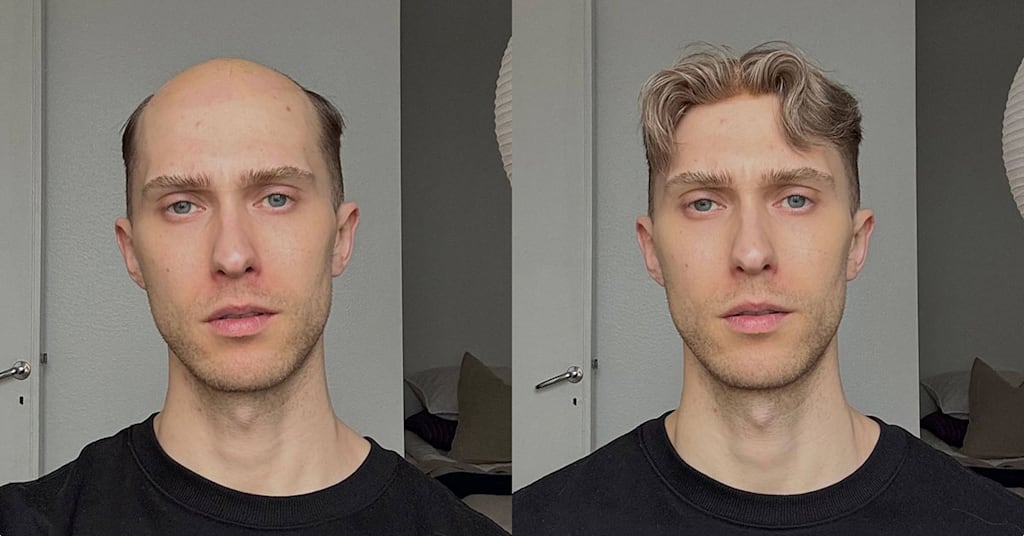
Beginner-Friendly Hair Systems: Your Starter Guide
A hair system gives you a full head of hair without surgery. Today's non-surgical hair replacement looks completely natural and is actually easy for beginners to manage. This is especially true if you go with a ready-to-wear option from Lordhair.
Figuring out your first hair system doesn't have to be a headache. Here's exactly how to choose, wear, care for, and plan for your new look without feeling overwhelmed.
Key Takeaways
A 0.06mm skin base makes adhesive cleanup easier for beginners.
Stock systems let beginners learn preferences before ordering custom specifications.
Regular edge checks prevent loose bonds from becoming noticeable during daily activities.
What Is a Hair System (and How Does It Compare to a Toupee)?
Hair systems aren't the obvious, old-school hairpieces most guys picture. A modern hair system is simply a removable layer of real or synthetic hair. It covers up hair loss and blends right in with the hair you've still got.
For beginners, the biggest perk is control. You get fuller-looking hair without surgery or making any permanent choices.
How Modern Non-Surgical Hair Replacement Systems Work
Non-surgical hair replacement uses a hair system stuck right to the scalp with adhesive or tape. Once it's attached and cut to match your own hair, it just stays put as part of your normal style. The hairline sits at the front edge, so getting the placement right is key for a natural look.
Modern systems are built for everyday wear, not slapped on like a costume. A beginner-friendly hairpiece makes the whole change feel totally manageable since it's 100% reversible.
Hair System vs. Toupee vs. Wig: What Is the Difference?
A toupee usually means a small hairpiece covering thinning at the crown or top. People still use the word, but it often brings up thoughts of older styles that didn't blend very well.
A modern hair system is a broader term for a ready-to-wear or custom replacement that fits right into your current hairstyle. A wig covers the entire scalp. A hair system, on the other hand, usually just covers the thinning spots. Honestly, getting used to your new reflection might take more time than actually wearing the system itself.
Understanding the Beginner Intimidation Barrier: What to Expect
Seeing a fuller reflection can feel intimidating. You might worry a Hair System will look obvious or that your friends will stare. That concern isn't an overreaction. It's completely normal.
Most first-time nerves fade once the cut and hairline actually suit you. The transition is usually mental before it's practical. So, starting with a forgiving first system makes daily wear feel a lot more predictable.
Will People Notice You Are Wearing a Hairpiece?
Getting a natural-looking hairline with a non-surgical hairpiece comes down to restraint. Don't try to create a perfect, solid wall of hair. A cut-in that follows your face shape and blends into your existing hair draws way less attention than a sharp, harsh front edge.
Match the color and style to what people already know you for. Your hairline needs to look believable for your age and pattern of loss. When it does, most people just notice a fresh haircut. They won't spot the Hair System.
The First 30 Days: Adapting to Your New Look
That first month usually feels way more noticeable to you than to anyone else. Each mirror check might seem weird at first. Why? Because your brain is still adjusting to seeing hair where it hasn't seen any in a while.
Your routine will shift as you figure out styling and check how the hair sits. But soon, Non-surgical Hair Replacement becomes much less of an event once those new habits kick in. Just give yourself time to settle into the change without judging it every single day.
Which Base Materials Are Best for First-Time Wearers?
Your first base should reduce daily worry, not add another complicated routine. A 0.06mm thin skin base, French lace, and a hybrid base each handle comfort, cleanup, and hairline realism a bit differently.
For hesitant first-time wearers, the right choice is the one with a care routine you can actually handle. These base materials make that decision a lot clearer.
Skin Hair Systems (0.06mm Thin Skin): Easy Cleaning and Setup
A 0.06mm thin skin base might feel less breathable than lace in hot weather, but it's usually the absolute simplest starting point for attachment and removal. Its smooth polyurethane surface gives adhesive tape a clean area to grip. Plus, it makes residue way easier to spot during cleanup.
Choose skin hair systems if you want a straightforward routine and prefer not to scrub adhesive out of fine mesh. The thin skin edge can still create a really natural-looking finish when the hairline is fitted and styled with care.
French Lace Hair Systems: Maximum Breathability and Undetectable Hairline
French lace is more breathable than skin, but the fine mesh needs gentler handling. It can also take a bit more patience during adhesive cleanup. It suits beginners who get hot easily, exercise a lot, or worry the most about a close-up hairline.
Because hair is tied directly through the lace, the base blends softly at the front when it's attached well. Choose Lace Hair Systems when airflow and a barely-there hairline matter more to you than a lightning-fast cleanup.
Hybrid Hair Systems: Combining Poly Durability with Lace Comfort
Hybrid Systems use polyurethane (often just called poly) around the edges and lace for a softer front and better airflow. They perfectly balance easy tape placement with lace comfort, though they aren't quite as simple to clean as full skin bases.
A hybrid suits you best if you want a realistic front without dealing with full lace. Mono Hair Systems are another category entirely, but they usually aren't the best first choice. Once you pick a base, you just need to decide whether Stock Hair Systems or a custom option fits your needs better.
Stock vs. Custom Hair Systems: Why Beginners Should Start Ready-to-Wear
Picking your first hair system doesn't have to feel like a permanent choice. Stock vs. Custom hair systems: Which one actually makes sense for a first-time buyer? For most beginners, a ready-to-wear stock system is the low-stress route.
Stock systems let you figure out what feels natural before dropping money on details you might want to change later. Simple.
Stock Hair Systems: The Low-Friction Choice for First-Time Buyers
Stock Hair Systems come in standard sizes and preset options. This means you can just focus on getting used to wearing it instead of stressing over every little detail. They're a smart way to figure out what hair length, density, and style actually look believable on you.
The catch is that a stock system might not nail every single preference right out of the box. But a cut-in and a few easy adjustments can help it fit your look, while the ready-to-wear format keeps that first big decision totally manageable.
Custom Hair Systems: Why Beginners Should Wait on Advanced Specs
Custom Hair Systems are built around choices like size, hair direction, density, and base design. All that control sounds great on paper. But here's the thing: first-time buyers usually don't know which of those options will actually feel right after a few weeks of wearing it.
Jumping straight into detailed specs can lock you into guesses about your daily routine and preferred look. Try wearing a simpler system first. Then, use what you learn to decide if a custom order is actually worth the extra planning. That's it.
Living Your Normal Life: Showering, Sleeping, Exercise, and Weather
Once your hair system is securely fitted, daily life usually feels familiar again. You can sleep, shower, work out, and step outside without treating your hairpiece like it's made of glass.
The real goal is just building a dependable routine. Use the right products, check the bond, and fix it early when things start to loosen up.
Can You Shower and Swim with a Hair System?
Showering is totally fine after a secure Bonding / Fitting. But getting it soaked all the time can slowly weaken the adhesive around the edges. Make sure to rinse off after swimming, especially in chlorinated water, and try not to pick at a lifted corner.
Stick to Sulfate-free Shampoo & Conditioners for the hair instead of rubbing product right into the bond line. Swimming doesn't automatically pull off a hair system. Just check the perimeter when you're done and let it dry completely.
Sleeping Comfortably Without Damaging the Base
Sleeping shouldn't damage a properly fitted hair system. Still, tossing and turning can cause tangles or gradual shedding over time. Just comb the hair gently before bed and don't pull at the hairline, since that strains the base.
Proper Hair Density and Color Matching make morning styling easier because the system blends right in with your own hair. If you wake up with knots, separate them slowly instead of just brushing hard through them.
Exercising, Sweating, and Wind Confidence
Liquid Adhesives and Tape Adhesives can usually handle normal workouts, but heavy sweat might shorten how long the bond stays secure. Give a new bond time to settle exactly as directed. Then, check the edges after a hard workout instead of just assuming they're still perfectly sealed.
Wind rarely messes with a well-fitted system. A loose edge, though, can definitely become noticeable. Dry any sweat from your hairline and reattach the system as soon as the perimeter starts lifting. Keep a small maintenance kit handy.
The Starter Kit: Essential Supplies You Actually Need
Your first hair system application doesn't require a salon-sized tool kit. You just need products that prepare the scalp, attach the base, remove old adhesive, and care for the hair. Simple.
For a beginner, a short, compatible supply list makes attachment less scary and stops surprise purchases. Plus, it makes the total cost easier to figure out.
Scalp Prep, Liquid Adhesives, and Tapes
Start with Scalp Prep, an attachment choice, and an applicator. Scalp Prep helps create a clean surface. Just follow the label and patch test any product before regular use.
For beginners, Tape Adhesives are often easier to place and remove than Liquid Adhesives. Liquid glue can give a flexible, close bond near a hairline, but it needs a steadier hand. Buy one attachment method first instead of mixing tapes and glue on your very first try.
Solvents and Cleansers for Hassle-Free Bond Removal
Bond removal is way easier when you use a solvent made for hair-system adhesive, rather than force. A citrus-based remover can loosen sticky residue, while an alcohol-based cleanser clears out any leftover film from the scalp and base.
Work slowly and follow each product label. Pulling a bonded base without softening the adhesive first can strain delicate lace or skin bases. A clean surface also helps your next attachment hold much better.
Sulfate-Free Shampoos and Daily Styling Pomades
Use Sulfate-free Shampoo & Conditioners made for human hair, and keep them away from the bond line when washing. They clean the hair without harsh chemicals that might leave it feeling dry.
Pick up some Styling Pomades for hold or definition. Apply them through the hair, never onto the base or adhesive. Start with a small amount so your style stays natural instead of weighed down. That's it.
Realistic Cost Expectations: Budgeting for Your First System
Looking at a Hair System price tag can make that first choice feel a lot bigger than it actually is. But the upfront cost is just one piece of Non-surgical Hair Replacement. You also have to think about replacement units and everyday care supplies.
A solid budget splits that first buy from your recurring costs. That way, you can pick out a starter unit without playing guessing games.
Initial Hairpiece Costs vs. Ongoing Maintenance Supplies
Your monthly Hair System budget boils down to two things: replacing the unit when it wears out and restocking your empty supplies. The hairpiece itself is a one-off charge. Meanwhile, things like tape, adhesive, solvent, cleanser, shampoo, conditioner, and styling products make up your ongoing expenses.
Just check the expected lifespan for the System Types you're looking at and divide that unit price by the number of months it'll last. Add in just the supplies you actually plan to use. There's your monthly estimate. Simple.
Professional Cut-In and Salon Styling Expenses
You definitely want to leave room in your starter budget for a professional cut-in. Getting a proper haircut is what helps a Hair System blend perfectly with your face and natural hair. Plus, your stylist can double-check the Hair Density and Color Matching before you start wearing it every day.
Always ask for the cut-in price before booking your appointment. Find out if styling or future touch-ups will cost extra, too. Once your budget covers the unit, the supplies, and that very first salon visit, picking your starter system gets a whole lot easier.
Simple Steps to Take Your First Hair System Order with Lordhair
Your first Lordhair order doesn't have to feel like a pass-or-fail test. Stock Hair Systems show up ready to be cut in and attached. This lets you focus on getting a natural look right out of the gate, rather than worrying about super advanced options.
Just keep things simple. Double-check your details, and make sure you give yourself plenty of time for the fitting.
Selecting Your Starter Base, Hair Density, and Color Match
Pick a base that's easy to handle. Don't just jump straight to the absolute thinnest option out there. It needs to match how often you plan to take it off, plus whether you care more about easy handling or a lightweight feel. Lordhair can actually help you narrow down those stock options without turning the whole process into a science class.
Weigh human hair against synthetic hair based on texture and what kind of daily styling routine you can realistically keep up with. When it comes to Hair Density and Color Matching, always use photos taken in natural daylight. Pick a density that closely mirrors the hair you still have.
Preparing for Your First Fitting and DIY Attachment
Want the least stressful first fitting possible? Go ahead and book a professional cut-in. Otherwise, carve out plenty of unhurried time for a DIY attachment. A cut-in basically trims and blends the hair system right into your natural hair. No matter which route you take, make sure your adhesive, remover, cleanser, and a good mirror are sitting right in front of you before starting.
Clean, dry scalp prep is a big deal. Things like oil, sweat, and old leftover adhesive will quickly weaken your bond. If you're feeling unsure about doing it yourself, just head to a salon for that very first attachment. You can sit back and watch exactly how the pros do it.
Frequently Asked Questions About Beginner Hair Systems
How long does a hair system last?
It varies by base type, hair, and care. Expect replacement as the unit wears; gentle washing and no pulling at the hairline stretch its usable life.
How often do you need to maintain a hair system?
Check the edges regularly. Reattach when the bond loosens, and wash gently with sulfate-free products. Ignore a lifting perimeter and it becomes obvious fast.
About the Creator
Leo
Passionate men's hairstylist with a keen eye for detail and a knack for creating on-trend looks. Dedicated to delivering hair restoration education that enhances individual style.
Enjoyed the story? Support the Creator.
Subscribe for free to receive all their stories in your feed.
Comments
There are no comments for this story
Be the first to respond and start the conversation.