
Any quality vendors for glueless wigs between $100/200?
Best Glueless Wigs Under $200: 2026 B2B Sourcing Guide

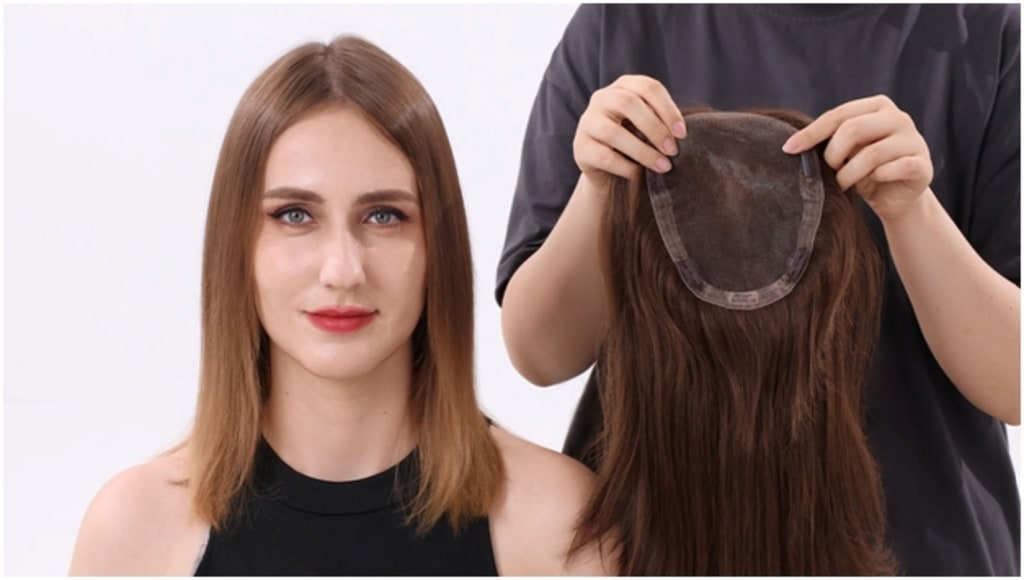
Any quality vendors for glueless wigs between $100/200?
Glueless Wigs priced from $100 to $200 give salon owners and wig retailers great resale potential. But price alone doesn't guarantee good quality or a reliable supplier.
As a B2B buyer, you need to know exactly how to judge these sub-$200 pieces. We'll break down how to properly vet wholesale vendors and build real partnerships that protect your margins while earning your customers' trust.
Key Takeaways
Reliable glueless caps have resilient bands, flat combs, and even adjustable tension.
Short human hair maximizes fiber quality within a $100 to $200 budget.
Ultra-long budget human hair often signals weak fibers or misleading density claims.
Post-wash testing across batches exposes shedding, matting, thinning, and texture inconsistency.
Signed agreements should define defects, claim deadlines, shipping risks, and refund timing.
Understanding the Market for Glueless Wigs in the $100-$200 Bracket
At the $100-$200 mark, salon owners and wig retailers can reach shoppers who expect a bit more than the under-$100 options, but aren't quite ready for premium price tags. You'll see great resale potential here—as long as you keep your wholesale costs, order sizes, and return rates in check.
Customers at this price point still want a beginner-friendly piece that looks great and holds up well over time. A single bad batch can easily lead to returns, freeze your cash flow, and hurt trust. Winning in this space means balancing a competitive retail price with steady quality and a reliable supply chain.
The Anatomy of a True Glueless Wig: What B2B Buyers Must Inspect
Real glueless wigs rely entirely on cap engineering instead of glue. When doing B2B quality control, check the Basic cap, the internal grip points, the lace area, and the fit system before you greenlight a bulk order.
A Monofilament top (Mono Top) might boost scalp realism, but that alone won't make a wig glueless.
Cap Construction: Elastic Bands, Combs, and 3D Dome Caps
Glueless caps need adjustable tension combined with solid contact points. Look closely at the elastic band for strong snap-back, tight stitching, and plenty of room to fit the target size range. If there's a Flexi-fit drawstring, it should tighten up evenly without bunching the material.
Combs naturally belong right where they can grip real hair without digging into the scalp. Make sure every single comb sits totally flat and that the stitching holds up against repeated light pulling.
A 3D dome cap has to match the natural curve of a head. If it's meant for Wear and go use, toss the wig on a few different head shapes to actually test it out.
Lace Selection: Swiss Lace, HD Lace, and Transparent Lace
Swiss lace strikes a solid balance between a nice sheer look and actual durability. That makes it a smart pick for retailers selling to everyday wearers. Scan the mesh to verify the color is even, the holes look consistent, and the knots are placed cleanly.
HD lace tends to be ultra-fine and barely shows on the skin. But its fragile build means clients have to handle it carefully when fitting or washing. Don't just trust a Lace Front / HD Lace label—do a real, hands-on stretch and tear check yourself.
Transparent lace comes off light and untinted, though it honestly won't vanish completely against every customer's skin tone.
Lace Dimensions: 5x5 Closures vs. 13x4 Frontals for Retail Clients
A 5x5 closure glueless wig gives your clients a compact lace section right at the top front. That usually makes positioning and daily wear super easy. Just ensure the closure stays perfectly centered, lays flat, and hides the edges well during normal head movement.
Meanwhile, a 13x4 frontal covers way more of the front hairline and opens up deeper parting options. That definitely boosts its retail appeal. But remember, a bigger piece of lace demands perfectly aligned edges and the exact right amount of cap tension.
Always keep your labels strict: a 13x6 frontal wig clearly won't feature the same dimensions as a 13x4 frontal. Simple.
The $100–$200 Sweet Spot: Human Hair vs. Premium Synthetic
If you're buying in the $100–$200 bracket, go for short Human Hair Wigs if your customers want natural movement and styling freedom. But if holding a shape and easy maintenance are the main priorities, Premium Synthetic Wigs are usually your best bet.
It all boils down to matching the fiber type to what your client expects regarding their look, daily routine, and budget. Simple as that.
When to Choose 10A Grade Short Human Hair Bobs
A 10A Grade human hair bob is perfect when your clients want a natural sway, familiar maintenance, and the freedom to restyle. Because it's shorter, you're putting that $100–$200 budget directly into the fiber quality instead of paying for extra inches.
Plus, a bob with bangs hides most of the front hairline. It gives you a classic, ready-to-wear look to sell. Keep in mind that 10A is a supplier grade, not a universal rule. Pitch this style to shoppers who care more about real hair than having it down to their waist.
When High-Quality Heat-Resistant Synthetic Wigs Make Better Business Sense
Heat-resistant synthetic wigs are the way to go when your retail clients want a reliable style without the daily hassle. A great synthetic piece holds its shape far better than cheap human hair. If you try to stretch that same budget to longer human hair, you'll end up with shedding, tangles, and uneven ends.
These are perfect for customers who want great color and texture right out of the box. Just be careful how you explain the heat resistance. Safe temperatures and styling tricks change depending on the exact fiber. Always stick to the supplier's actual limits instead of just guessing based on broad labels.
Red Flags to Avoid When Sourcing Budget-Friendly Wigs
Good deals on glueless wigs can definitely protect your retail margins. But rock-bottom prices often hide weak fibers, tricky labels, or products that look nothing like their online pictures.
Treat "best seller" tags as a sign of demand, not actual proof of quality. As a B2B buyer, you'll want to dodge any offer promising premium hair, crazy length, and heavy density at a price that just doesn't add up. It's really that simple.
The Trap of Ultra-Long, Low-Cost Human Hair Wigs
Extremely long human hair takes a lot more raw material. So if the price is weirdly low, you're probably looking at weak fibers or cheap construction. And if a listing claims 180% density but costs the exact same as a shorter, lighter wig? That should definitely raise some eyebrows.
Salon owners often wind up with wigs that have stringy ends, mixed lengths, heavy shedding, or bad tangling. These flaws lead straight to customer complaints, completely wiping out whatever profit you saved on the purchase. If you're working with a strict budget, a shorter wig with even fullness is a much safer bet. Don't risk your inventory on dramatic length backed by nothing but a bold label.
Fake Reviews and Bait-and-Switch Hair Grades
Fake reviews tend to repeat the exact same phrases, pop up all at once, or praise the product without ever mentioning how it wears, sheds, or feels. Plus, if you see the exact same product photos plastered across completely different wig vendors and brands, you're probably looking at copied listings instead of real, verified inventory.
You should be just as careful with hair grades. Labels like 10A aren't an official, universal standard. Always match up the specs and photos to see if things make sense, rather than just blindly trusting the grade. If that advertised grade suddenly shifts between the online listing, your invoice, and the final box, the seller might be sneaking in cheaper hair.
How to Vet and Partner with Glueless Wig Vendors
Approving a wholesale vendor comes down to cold, hard proof instead of shiny listings or dirt-cheap quotes. Set up a review system you can repeat. Make sure it covers business checks, factory tours, sample testing, and solid trade agreements.
If you're a B2B buyer, remember that standard promises like 30-day returns still need crystal clear rules attached. Write down every single check before you place a production order or tie up retail stock.
Requesting Raw Video Footage and Live Factory Walkthroughs
Ask for raw, date-stamped video showing their current stock, packing areas, quality-control checks, and outside signs. After that, set up a live video tour. Direct the camera exactly where you want it to look. A taped showroom clip just can't prove the supplier actually makes the products or holds the stock they show off.
While on the call, ask the staff to pull up your sample request or purchase order on the screen and trace the whole workflow. Don't expect Amazon Prime speeds here. Instead, check their production capacity, lead times, and true legal business name. Save that recording right into your vendor file.
Testing Sample Density and Hair Quality Post-Wash
Weigh the sample dry, measure its size, note any visible scalp spots, and check the hair length before getting it wet. Snap photos of the crown, part, sides, and ends under the exact same lighting. Next, wash it just how the supplier says you should. Catch any shed hairs so you can actually count them instead of just guessing based on how it looks.
Once it air-dries, do those measurements and photos all over again. Look closely at the Body wave or Water wave—does it bounce back evenly? Make sure the thickness stays balanced and the ends don't mat or thin out. Run this exact test on hair from totally different batches before locking in a massive order.
Evaluating Wholesale Return Policies and Shipping Terms
Get your return and shipping terms written into a signed purchase agreement. A quick chat message or email just won't cut it. Pin down exactly which defects count, who handles claims, the required photos, deadlines, restocking fees, and when refunds hit. Also check if custom orders get left out. Your deal should definitely cover what happens if boxes show up wrong or half-empty.
Treat "free shipping" as a pricing detail, not actual proof of a lower final bill. Figure out the exact carrier, processing window, delivery dates, and tracking specifics. Plus, check the insurance, customs fees, and the exact moment when busted items become your problem instead of theirs.
Sourcing to Styling: Turning a $150 Wholesale Wig into a $500 Masterpiece
You can easily justify a $500 price tag for a $150 wholesale wig when you put in the work to turn a basic unit into a flawless, client-ready install. The real value is in the custom details, not just slapping on a new label.
If you own a salon, having a set routine makes it way easier to check the quality of each piece. Plus, you can confidently sell them as true "put on and go" options.
Customizing the Hairline: Pre-Plucking and Knot Bleaching
When building a pre-plucked hairline, take it slow. Work slightly behind the front edge instead of just pulling hair from one tight row. You'll want to comb the lace out pretty often and check both sides under a bright light. Just remember to stop before the hair starts looking too thin.
The goal with bleached knots is making them invisible—without ruining the lace or the hair itself. Protect the longer strands and make sure the bleach stays right on the knots. Don't press it down through the base. Keep a close eye on the color while it processes, too.
After that, just rinse and neutralize. Dry the unit and give the hairline one last look on a mannequin head before your client ever tries it on. Simple.
Lace Tinting and Melting Techniques for a Flawless Install
Always match your lace tint to the client's actual scalp, not just their face or makeup shade. Brush the tint on in light layers right under the pre-cut lace. Check how it looks under good salon lighting before you even think about adding more.
Doing a glueless melt? Secure the adjustable band and built-in combs, but make sure they aren't painfully tight. Lay the lace totally flat and use a wrap to hold down the edges. From there, apply a little controlled heat—but only if the wig's care instructions actually say it's okay.
Starting with a completely clean, dry hairline is the secret to getting those edges to lay perfectly flat without a single drop of glue.
Where to Find Reliable Glueless Wig Vendors
Wholesale B2B marketplaces, manufacturer directories, and beauty-industry trade shows are great spots to track down glueless wig suppliers. Online platforms make it super easy to compare prices across the board. But trade shows actually let salon owners and retailers talk face-to-face with factory reps.
If you're wondering, "Where can I find high-quality synthetic lace front wigs for less than $100?" just tweak your search filters. You can easily sort by material, lace type, order volume, and target price. Simple. Also, regional wholesale groups and referrals from veteran stylists can point you toward hidden suppliers that the big online sites completely miss.
Establishing Long-Term Direct Factory Partnerships
Profitable factory partnerships usually start with a trial order, not a massive commitment. Give Newtimes Hair your specs, inspection rules, packaging needs, and delivery dates. Then, just compare the final shipment against your approved sample.
Make sure to track any defects, lead-time accuracy, how quickly they respond, and your total landed cost. Share your sales forecasts, pay on time, and review their performance every quarter. If shoppers start asking, "What are the best glueless human hair wigs under $200 for beginners?" pass that demand along. Just don't promise that exact price right away. Once the factory proves they can deliver steady quality and fix problems fast, you can confidently increase your order volume.
Maximizing Profit Margins on Budget-Friendly Glueless Wigs
Don't base your pricing on the $100-$200 wholesale price alone—always look at the landed cost. You have to add up freight, duties, payment fees, packaging, defect allowances, and staff time. Then, divide that total by one minus your target gross margin. That's how you tie every single sale to a measurable return.
Keep fittings, care products, and maintenance completely separate from the wig price. When buyers ask how to install a "put on and go" glueless wig without glue or tape, it's fine to offer a quick lesson. Just don't forget to track your labor cost before bundling it into the deal. Make sure to check your margins every month, and try to limit discounts on units that are already selling fast. Simple.
Partnering with Newtimes Hair for Wholesale Glueless Wigs
Newtimes Hair offers salon owners and wig shops a direct line for wholesale glueless human hair wigs. Just make sure to measure that relationship based on documented quality checks, solid communication, and purchasing terms that actually protect your profit margins.
Before buying in bulk, ask for samples made to the exact same standard they'll use for big orders. Check the hair consistency, cap build, overall fit, shedding, and final finish. Then, get that approved benchmark in writing.
You'll want to lay down clear ground rules for reporting defects, getting production updates, handling packaging, lead times, and keeping repeat orders consistent. Start things off with a smaller, controlled order. Keep an eye on your sales and returns, and only scale up once Newtimes Hair actually meets your agreed standards. That's the smartest way to play it.
Frequently Asked Questions About Wholesale Glueless Wigs
Who sells the best glueless wigs for wholesale buyers?
No single vendor. Test Newtimes Hair and competitors with post-wash samples before bulk orders.
What is the difference between a 5x5 closure glueless wig and a 13x6 frontal wig for retail clients?
Simple: 5x5 is easier; 13x6 offers broader parting and hairline styling.
How can I tell if a wholesale wig vendor is reputable and high-quality?
Test multiple batches. Check shedding, matting, cap tension, lead times, and written defect terms.
Are there name-brand glueless wigs available under $200 for salon retail?
Yes. Short human-hair or premium synthetic wigs are the safer buys under $200.
How do I maintain a synthetic glueless wig to prevent tangling and shedding for my clients?
Gently detangle from ends upward, wash cool, air-dry, and avoid unapproved heat.
About the Creator
Leo
Passionate men's hairstylist with a keen eye for detail and a knack for creating on-trend looks. Dedicated to delivering hair restoration education that enhances individual style.
Enjoyed the story? Support the Creator.
Subscribe for free to receive all their stories in your feed.
Comments
There are no comments for this story
Be the first to respond and start the conversation.