
Answering the Salon FAQ: Can clients sleep while wearing a hair system?
Sleeping with Hair Systems – Top Tips and Recommendations

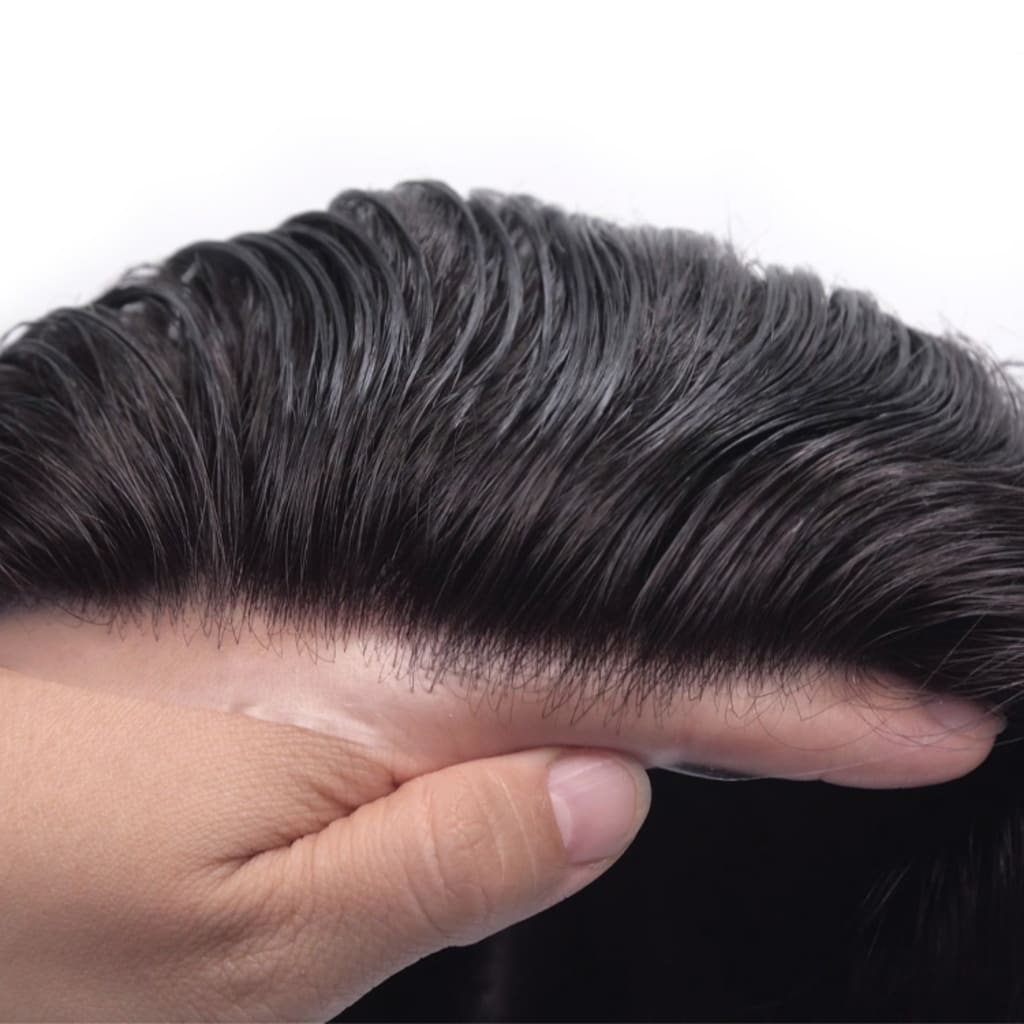
Answering the Salon FAQ: Can clients sleep while wearing a hair system?
A hair system can usually stay on overnight as long as the attachment is secure and the client follows some basic nighttime care. But bad habits can quickly shorten the system's lifespan or weaken the bond. We put together this breakdown so salon teams can easily answer common sleep questions and give clients practical advice on protecting their hair.
Key Takeaways
Secure hair systems are generally safe for overnight wear.
Nightly friction shortens the lifespan of every hair system.
Daily-wear tape can lift overnight and needs prompt salon service.
Silk or satin pillowcases reduce overnight friction.
Persistent lifting, shifting, or itching requires professional maintenance.
Is It Safe for Clients to Sleep in Their Hair System Every Night?
Clients can sleep in a hair system every night if the scalp attachment is secure. But wearing it to bed adds stress. Over time, that cuts down the overall lifespan. The big risks here are edge lifting, pressure on the bond, and friction against the bedding.
Salon teams need to match the attachment method to the client's actual wear routine. They also need to explain that a strong bond doesn't mean the hairpiece is totally safe from damage.
Daily-Wear Tape vs. Long-Term Bonded Systems Overnight
Daily-wear tape is usually meant for a removable setup. So, sleeping in it puts the tape under hours of body heat, sweat, and head movement. That causes edge lifting. It can also leave sticky residue on the base, especially if the system was already due to come off. If an edge lifts, you need to service it—don't just keep pressing it back down.
A long-term perimeter bond is made to stay put between salon visits. For these setups, overnight wear is just part of normal use. Still, repeated pressure from sleeping can weaken the bond around the edges long before the center lets go. Clients should always check for lifting and book maintenance the second the attachment feels loose. A long-term bond isn't permanent.
How Overnight Friction Impacts Hair System Lifespan
Tossing and turning at night is tough on both the hair fibers and the base. As the client moves around, the hair rubs against the bedding and itself. That friction creates tangles. It pulls hair right out of the system and slowly loosens the knots at the base. The result? Visible shedding and thin areas.
This kind of damage builds up over time. It doesn't happen in a single night. Clients who sleep in their hair system daily should expect more frequent salon checks for shedding, tangling, and lost density compared to people who take it off. Friction absolutely shortens the hairpiece's lifespan, even if the scalp attachment feels completely secure. Simple as that.
How Do Base Materials React to Sleep Environment and Body Heat?
The base material really dictates scalp breathability and overall hairpiece comfort when sleeping. A more open design lets heat and moisture escape fast. But a solid base tends to trap warmth right against the scalp.
This difference impacts morning sweat, routine attachment checks, and how often your clients end up needing maintenance.
Full Lace vs. Thin Skin Systems Under Nighttime Heat
Lace bases usually feel much cooler overnight. Their mesh structure just allows better airflow around the scalp. Sure, sweat can still build up under the piece—especially in a warm room or for people who naturally sleep hot. But the moisture actually has a clear path out. Clients just need to get their scalp and base cleaned during regular salon visits so sweat and oil don't ruin the bond.
A poly skin hair system features a smooth, solid layer that pretty much blocks airflow. It holds onto heat, which might leave clients waking up a bit sweatier. Heat and trapped moisture can definitely weaken the bond over time. So, make sure to ask them how they're sleeping and always check for lifting when they come in for maintenance. That's it.
How Do You Protect a Hair System While Sleeping?
Nighttime friction can easily roughen hair fibers, cause tangles, and add unnecessary wear to a hair system. The best ways to protect it? Use a low-friction sleep surface, grab a secure cover for restless sleepers, and gently brush real human hair pieces before bed. Simple.
These habits help clients keep a much smoother finish between maintenance appointments. Plus, they might even stretch out the system's usable lifespan.
Upgrading to Silk or Satin Pillowcases
A silk or satin pillowcase gives hair fibers a much smoother surface to glide across compared to regular cotton. Cotton tends to catch and drag on the hair when you turn over. By morning, that leaves the system looking drier, frizzier, and full of tangles.
Silk and satin cut down on that surface friction, meaning the hair is way less likely to snag when a client shifts positions in their sleep. They're especially great for the crown, nape, and longer hair lengths since those spots rub against the pillow the most.
For salons and clinics, suggesting a pillowcase swap is an incredibly easy care tip. It protects the hair system without changing up the client's attachment routine at all. Just make sure the pillowcase fits tightly over the pillow so it stays completely smooth all night long.
Using Silk Wraps, Nightcaps, and Durags for Active Sleepers
A good protective hairpiece cover limits movement if a client tosses, turns, or sleeps on their side. A silk wrap, nightcap, or durag actually holds the hair closer to the base. This helps stop loose fibers from rubbing together and creating nasty knots.
The cover needs to sit securely, but it shouldn't press hard on the hairline or pull the system out of place. Clients should always pick a size that covers the entire hair system, including any longer hair at the nape. Then, just adjust it so the fabric lies perfectly flat.
Secure wear is a big deal for active sleepers because their hair systems constantly shift against the bedding. A wrap also adds a handy second layer of protection since clients can't exactly control how much they move while they sleep.
Nightly Detangling Techniques for Real Human Hair Pieces
Real human hair needs to be gently brushed before bed to get rid of small tangles before they tighten up overnight. Start right at the ends and work upward in short sections. And always support the hair near the base with one hand so you don't pull on the attachment area.
Grab a brush or comb that glides through the hair without catching on anything. Don't ever force it through a knot. Instead, hold the section below the tangle and loosen it slowly from the bottom up.
Clients with longer real human hair systems need to pay close attention to the nape, the area behind the ears, and the crown. Those specific spots usually rub against pillows the most. If loose strands are left tangled overnight, they'll mat up fast.
Why Sleeping with Damp Hair Destroys Hair Systems
Going to bed with a damp hair system traps water against the base, scalp, and hair fibers for hours. The rule is simple: dry the hair system completely before hitting the pillow. Leaving it wet overnight makes the hair shafts swell up, ruins the style, and forces the strands to rub against each other instead of gliding apart.
All that rough contact creates tangles that quickly tighten into matted clumps, mostly at the nape and crown. A wet base also traps sweat and skin oils right against the scalp. This can really mess with scalp health by causing irritation or bad smells. Plus, if you're using tape or adhesive, trapped moisture breaks down the hold and leads to early lifting.
For salons, make sure to tell clients they should only go to bed when both the hair and the base feel totally dry—not just cool or a little wet. This cuts down on detangling time and stops totally avoidable moisture problems. Simple as that.
Tailoring Sleep Advice for Active Sleepers Who Toss and Turn
Clients who move a lot at night need a hair system attachment that can actually keep up. A standard hold might lift early if the base constantly rubs against a pillow.
Find out about the client's lifestyle, how much they sweat, and if they're a restless sleeper. Then, check the bond at every maintenance visit. Pay close attention to the nape and temples, since that's where friction usually loosens tape or adhesive.
A solid perimeter and a well-prepped scalp keep things from shifting in the dark. Show your clients how to gently detangle before bed, and remind them to keep the system completely dry so it doesn't knot up. This takes the stress off the hair fibers. Plus, it helps their Newtimes Hair system last a whole lot longer.
How to Execute the 5-Minute Morning Reset Protocol
A quick morning styling session easily fixes minor overnight shifts before clients leave the house. Just keep this routine focused on loose perimeters and flattened hair. It's not a full attachment service.
Teach them to check the bond first, then bring back the shape using a gentle touch. This simple reset cuts down on the tugging that ends up shortening a hair system's lifespan.
Re-Securing Edges and Restyling Flattened Hair
Start by having them check the temples, nape, and hairline in a mirror. If an edge is still attached but slightly lifted, they can just hold the hair back and press the clean, dry base down with a fingertip. Simple. But make sure they don't pull on the hair or put liquid products near the bond. Remember, this is just a quick morning fix for a minor lift. It's not an adhesive reactivation for when the tape completely loses its grip.
Next, lightly mist the hair with water, making sure to avoid the base entirely. They can use their fingers or a wide-tooth comb to lift the crown right from the roots. Blow-dry on a low setting, aiming the air upward and keeping it away from the edges. This brings back volume without putting stress on the attachment.
If an edge just keeps lifting, they need to come in for maintenance. Trying to fix a shifted hair system at home with extra tape rarely works out.
Troubleshooting Nighttime Hair System Issues in the Salon
If a client wakes up with a shifted unit or an itchy scalp, it usually means there's friction, sweat, or a weak bond at play. As a salon pro, you'll want to help them figure out if it's just a tiny morning shift or a total bond failure that needs real maintenance.
Good troubleshooting saves the hair system from constant tugging. It also stops unnecessary damage between visits. Simple.
Fixing a Hair System That Shifted Overnight
If a system shifts during the night, tell the client to check their hairline, temples, and nape in the mirror first. They shouldn't touch the hair just yet. If the base is still mostly stuck down, they can just use clean, dry fingers to gently nudge it back into place. Then, they can restyle things without yanking on the bond.
Don't let clients slap extra tape over a loose bond or mash a lifting edge down. That extra glue just traps dirt and makes your next salon service a total headache. Plus, it ruins the unit faster.
Did the unit slide a lot, lift in a few spots, or keep itching all night? They need to come in for a maintenance visit. Your advice as a stylist should always point toward a proper salon check-up, not a messy DIY fix that just makes things worse.
Addressing Client Concerns Regarding Intimacy and Nighttime Comfort
Your clients will probably worry about a partner noticing the hair system, or they might stress over it shifting around during close contact. A well-maintained, properly fitted unit stays secure and feels completely natural. Still, salon pros shouldn't make absolute guarantees.
Setting Realistic Expectations
Make sure your clients know to book a maintenance visit the second their edges start lifting, the base feels loose, or heavy sweat messes with the bond. They shouldn't pull at the hairline or try pressing down a weak bond. Doing that just causes more lifting and cuts the unit's lifespan short.
When it comes to partner comfort, it really boils down to a clean, smooth base and hair that doesn't constantly tangle or shed. Routine salon check-ups cut down on friction and needless wear. This keeps the hair system feeling comfortable all night long and during those intimate moments.
A Printable Nightly Care Checklist for Salons to Share with Clients
People are way less likely to pull, tangle, or ruin a hair system if the salon hands them a simple bedtime card. This checklist turns basic education into a nightly habit. That cuts down on a lot of unnecessary damage between appointments.
Keep the cheat sheet short so they can just leave it on their nightstand. It needs to list clear actions. Don't include boring technical details about bonds or base materials.
Client Take-Home Checklist
Right before going to sleep, clients should:
Gently comb through the hair to get rid of any tangles.
Check the front hairline for any lifting, loose spots, or discomfort.
Never pull at loose edges or try to fix them at home.
Make absolutely sure the hair is completely dry before hitting the pillow.
Sleep on a smooth pillowcase to cut down on friction.
Call the salon right away if the piece shifts, lifts, or starts shedding too much.
Sticking to a solid nightly routine keeps the hair system safe. Plus, it helps your clients figure out exactly when they actually need to come in for professional upkeep.
Helping Clients Understand Realism and Frontal Hairline Security
A hair system might look perfectly natural at bedtime, only to show a highly visible front edge by morning if the hairline lifts or shifts in their sleep. For clients who sleep in their units, a realistic look relies on a locked-down front edge, totally dry hair, and low-friction sleep habits. It's not just about how great the system looked right after the install.
That front hairline usually becomes a lot more obvious if a client rubs the edge against a pillow, sweats heavily, or simply ignores a loose spot. When that happens, the smooth transition at the forehead disappears, even if the rest of the piece stays completely secure. Make sure to teach clients to check their hairline every single morning. If they spot any lifting, they need to book a professional maintenance session right away. Picking at the edge or trying a quick DIY repair will just make the lifting worse and cut the hair system's lifespan short. Simple as that.
Partnering with Newtimes Hair to Educate Clients and Grow Your Salon Business
Teaching clients protects their hair system long after the fitting. That's when everyday habits can quickly ruin its lifespan. Newtimes Hair makes your salon's daily workflow easier by helping B2B partners get wholesale hair systems and put together clear, simple care guides.
Having a reliable supplier and a solid teaching process helps your salon set real maintenance expectations right from day one.
Leveraging Professional Hair Systems and Educational Materials
Heading into 2026, make sure to double-check the available base types, hair options, and care products directly with Newtimes Hair before you promise anything to your clients. A good wholesale hairpiece partner needs to give your team enough product details so you can perfectly match a system to the client's daily wear routine, schedule, and the exact hairline look they want.
Take those details and turn them into easy handouts for every single fitting. Make sure to include daily hairline checks, clear warnings about not picking at lifting edges, and exactly when they need to book their next appointment. For B2B hair replacement services, this keeps your staff's advice totally consistent. Plus, it gives clients a clear reason to come back before a tiny bit of lifting ruins the whole system. Simple.
Frequently Asked Questions About Sleeping in a Hair System
Do you have to take a toupee off at night?
No. Secure attachments can stay on overnight; satin reduces friction.
Can you swim with a hair system?
Yes. Rinse after; chlorine and salt can weaken the bond.
How long can you sleep with a glued on wig?
Every night, if secure. Lifting or itching means service.
How natural does a modern hair system look?
Very natural. Proper fit, density, and hairline make the difference.
Is it better to sleep with a hairpiece on or off?
Off reduces wear. On is fine with a secure bond.
About the Creator
Leo
Passionate men's hairstylist with a keen eye for detail and a knack for creating on-trend looks. Dedicated to delivering hair restoration education that enhances individual style.
Enjoyed the story? Support the Creator.
Subscribe for free to receive all their stories in your feed.
Comments
There are no comments for this story
Be the first to respond and start the conversation.