
Answering Salon Clients: How much does a high quality hair system cost?
How Much Does a High Quality Hair System Cost in 2026?

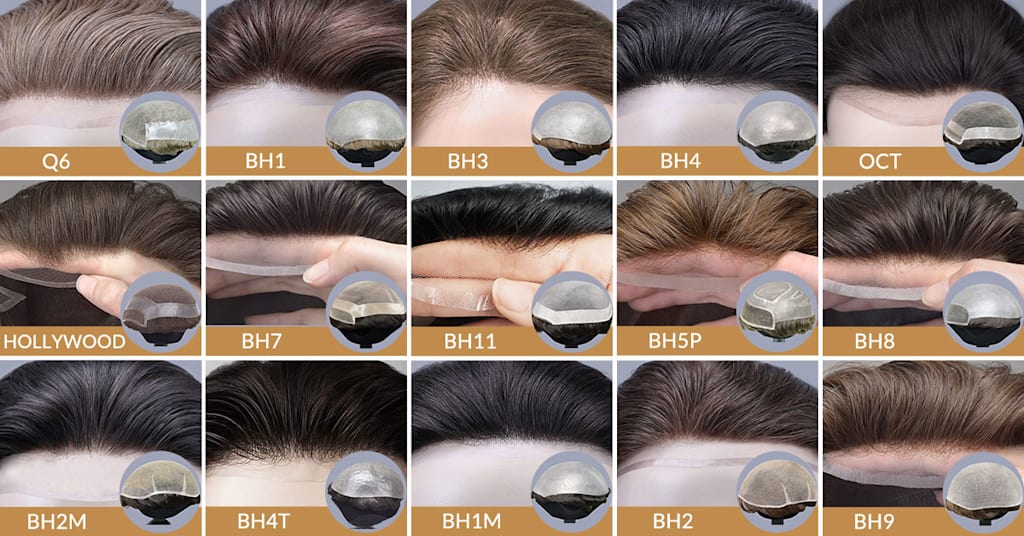
Answering Salon Clients: How much does a high quality hair system cost?
Hair replacement system cost is about way more than just the unit price. It directly shapes your profit margins, the value of your consultations, and the exact service experience your clients remember.
A high-quality hair system cost easily backs up a premium retail image. You just need to break down the materials, the sourcing, the custom details, and the ongoing service behind it. Crystal clear pricing helps your salon protect its bottom line. Plus, it gives clients a solid, confident reason to actually invest.
Key Takeaways
Landed wholesale cost determines a system's retail price.
Unit packages should include the initial cut-in service.
Annual budgets include replacements, maintenance visits, and supplies.
Documented client specifications improve replacement-order accuracy.
Written quotes separate initial services from future maintenance costs.
Decoding Hair System Cost Drivers for Salon Purchasing
Hair-system purchasing margins start with the unit's physical build, not the salon services wrapped around it. When it comes to non-surgical hair replacement, fiber choice, base materials, and deciding between custom vs stock systems dictate how much cash a salon spends before a client even takes a seat.
A high invoice is much easier to defend when every material choice has a clear purpose for the client and a documented supplier spec. Simple as that.
Hair Grade and Fiber Selection: Remy Human Hair vs. Synthetic
Remy human hair usually commands a higher wholesale price. Why? Because suppliers have to source, sort, and keep a consistent hair direction before making the system. For premium hair systems, buying teams need to ask what the Remy claim actually covers. They should also find out how the hair gets selected, and if the texture, color, and length will stay consistent across future orders.
Pitting human hair against synthetic isn't just a basic quality ranking. It's really about what fits your product lineup. Human hair handles client demands for a natural look and better styling flexibility. On the flip side, synthetic fiber works great for accounts wanting a set style and predictable presentation. Neither label creates value all on its own. The supplier's fiber details, batch consistency, and replacement rules are what actually drive reliable service quality.
Choosing custom over stock systems also shifts your fiber spend. A stock system spreads the sourcing and production costs across planned inventory. But a custom order might need a very specific blend, color, density, or curl pattern for just one person. Keep a tight stock range on hand for quick fulfillment, and save custom orders for specific, documented client needs. That approach protects your cash flow while keeping your high-end recommendations credible.
Base Construction and Material Costs: Lace, Poly, and Monofilament
Base construction drives both the unit's price tag and its spot in your salon's lineup. French lace, a poly skin base, and monofilament all rely on different materials and assembly steps. Because of this, they shouldn't share a single blanket margin target. Always ask for a sample, a construction sheet, and a clear breakdown of the intended attachment area before locking in repeat purchases.
Salons usually pick French lace when a natural hairline is the main goal during a consultation. But the real value comes down to lace grade, finishing, and how consistent the ventilation is. You might spec out a poly skin base for a completely different look or attachment style. Meanwhile, monofilament works well when the wearer needs a specific balance between looks and durability. Treat these as totally separate specs, not just names you can swap around.
Ventilation adds labor time since workers have to tie the hair into the base using the supplier's specific method and pattern. Make sure you confirm how the factory tracks hair direction, density zones, knot treatments, and reinforcement details. Those exact records help your team order matching replacement units and cut down on refit disputes. They also explain exactly why two systems with similar hair can end up with completely different price tags.
Total Cost of Ownership: Annual Wearer Expenses vs. Salon Revenue
The unit's price tag never shows the full cost of wearing a hair system. A better annual view rolls together replacement units, maintenance supplies, and the salon visits it takes to keep the system secure and looking good.
For salons, this math turns a single consultation into a clear roadmap for future services. It lets clients budget realistically. And on the flip side, the business can plan repeat revenue around actual care needs. Simple.
System Replacement Frequency and Annual Unit Budget
A client's yearly cost starts with the replacement schedule, not just the price of a single hairpiece. First, figure out how many units they'll need over 12 months. Then, multiply that number by the salon's retail price. You'll want to keep this estimate separate from cut-in labor and maintenance visits. This way, clients see exactly what the replacement hair itself actually costs.
How long a system lasts depends on a few things: how it's built, the wearer's handling routine, the attachment method, styling habits, and if the client actually follows the care instructions. A piece dealing with constant heat styling, swimming, or heavy adhesives will probably need replacing a lot sooner than one worn under gentler conditions. Just record these specific lifestyle factors during the consultation instead of promising a fixed lifespan.
Replacement frequency also changes how a salon handles inventory and revenue. When your team documents a client's hair density, color, hair direction, and base pattern, reorders get much more predictable. Plus, refit mistakes drop dramatically. Having a clear annual unit budget really backs up premium pricing. It connects the system recommendation to a repeatable, reliable outcome rather than just a vague guess.
Maintenance Supplies and Ongoing Service Fee Economics
Maintenance and supplies make up the recurring costs that clients usually ignore when they're totally focused on replacement units. Make sure to include adhesives, scalp prep products, removers, cleaners, and protective care items in your yearly math. The exact amount spent on supplies depends on the attachment routine, plus how often the wearer cleans, takes off, or reattaches the hair system.
Biweekly maintenance is a pretty standard schedule for salons offering regular cleaning, scalp checks, reattachments, and styling tweaks. Just multiply the scheduled visit count by your service fee, then add in the supplies used during each appointment. If your clients are buying home-care products between visits, track those purchases separately from the products used in the chair.
Service fees need to reflect staff time, technical skill, the products used up, and the consistency it takes to get a high-quality result. When a salon standardizes its maintenance steps, forecasting chair time, product usage, and repeat revenue gets a lot easier. It also hands clients a realistic annual budget, instead of just slapping an incomplete price tag on the hair system itself. That's it.
The Salon Pricing and Profit Margin Framework
Retail pricing works best when you price the hair unit and the first chair service as one single package, rather than unrelated line items. A clear wholesale-to-retail markup protects your inventory's value. Meanwhile, separate service fees pay for the actual skill and time behind that finished look.
This setup protects your salon's profit margin on the unit itself. It covers the cut-in labor. And it clearly explains why your salon pricing looks different from online-only options.
Bundling Wholesale Units with Cut-In Services for Optimal Margins
Grouping the unit with an initial cut-in turns a basic wholesale purchase into a custom, salon-only result. Sure, an online seller can ship a hair unit. But they can't assess the client's real hair, customize the edges, blend the length, or finish the style right there in the chair. The price gap between a salon and an online store gets way easier to justify when clients walk out with a fully finished look.
Build this package using two internal math steps, even if the client only sees one final price. First, set the retail unit price based on its landed wholesale cost. That includes the supplier invoice, shipping, any import charges, receiving, and the sheer risk of holding different shades or base options in stock. Next, figure out your installation fees and cut-in labor. Base this on the appointment time, stylist pay, payroll taxes, supplies, and the profit you need after covering those costs. Simple.
Keep the quote clear by actually naming the hair unit, the initial cut-in, and whatever installation work comes with it. This stops clients from thinking your skilled service is just free. It also lets managers track the unit margin completely separate from the labor margin. Take time each month to review package sales, rework hours, and your average first-appointment revenue. If cut-ins constantly run over the booked time, you'll need to raise your service fee or stretch out the appointment length before your margins take a hit.
Evaluating ROI: Hair Systems vs. Surgical Transplants and Medical Solutions
A non-surgical hair replacement service builds repeat revenue without turning your salon into a clinic. The ROI comes from a complete service model, not medical treatments.
When you're having the hair system cost vs hair transplant conversation, look at the client's expected results, your revenue cycle, and the operational risks for both options. A transplant is a strict medical procedure. But a hair system? That's a cosmetic service built on scheduled replacements, routine maintenance visits, and retail aftercare.
Transplants might look good to clients wanting a surgical fix, but the salon barely makes anything from that choice. Plus, the upfront price doesn't equal the client's long-term costs. Clinical follow-ups, potential medications, and unpredictable cosmetic results can really mess with the perceived value. A hair system keeps your salon in the loop with planned restocks and ongoing services.
Medical fixes might work for people whose doctors recommend them, but that pushes the diagnosis and treatment way outside the salon's actual job. For your business, the better deal is the one you can get consistently, fit reliably, and back up with clear appointment schedules and solid profit margins.
This comparison helps owners explain why a premium system is so much more than just a hair unit. It's a tightly controlled service line built around visible results and repeatable salon revenue. Simple.
Handling Client Price Objections with Consultative Transparency
Price objections usually shrink when a stylist breaks down what a premium service actually includes in plain numbers, rather than just defending one big total. A transparent consultation shifts premium hair systems from a stressful sticker-price chat into a clear, logical breakdown. The client gets to see the unit, fitting work, maintenance plan, and replacement cycle as separate pieces of a single service.
Show this breakdown in writing. List out the hair system, fitting labor, maintenance, and aftercare separately. Make sure to point out what's included today and what needs future appointments. Don't blur the line between price and cost. The initial price covers that first service, while the total cost reflects maintenance and replacements over the whole wear period. That's consultative selling, not high-pressure sales. Simple.
Only bring up the daily cost per wear after you've confirmed the expected wear time and service schedule. Divide their projected total spend by the days they'll actually use it. Then, compare that number to the visible results, convenience, and planned support. This helps justify premium pricing without making wild claims that every single client gets the exact same value.
Having clear scripts that respect the client's budget, walk them through the numbers, and offer a service plan that fits will protect your margins. Plus, it really helps improve your consultation-to-booking conversion rate.
Building a Profitable Hair System Portfolio with Bono Hair
Making a profit comes down to smart buying and consistent service pricing—it's not just about hiking up the cost for every fitting. Bono Hair can back up your wholesale hair systems strategy, as long as their ordering terms, quality checks, and lead times actually line up with your salon or retail setup.
If you want to offer reliable pricing to your clients, you need to get the details straight with your supplier first. Before you set your service rates, ask Bono Hair to pin down unit specs, minimum order sizes, production and shipping times, remake rules, and payment terms. Why? Because all those factors directly eat into your margins after you account for fitting labor, maintenance appointments, holding stock, and any unexpected rework.
Look at a salon partnership program as a serious supply-chain choice, not just a fancy label. You'll want to track your gross margin on every single install, along with reorder rates, remakes, and the cash you've got tied up in inventory. Use those numbers to build a tight portfolio of systems that your clients actually ask for and your team knows how to fit perfectly. Plus, having clear purchasing data makes it way easier to justify premium prices. Every dollar you charge will reflect planned service work and a predictable replacement path.
Frequently Asked Questions About Hair System Pricing
How much do hair systems cost at a professional salon?
Salon pricing covers the unit plus initial cut-in, then ongoing maintenance. The real annual cost includes replacement systems, supplies, and service visits—not one sticker price.
What is the price difference between synthetic and human hair systems?
Human Remy hair costs more because sourcing and direction-sorting are labor-heavy. Synthetic costs less and holds a set style; human hair looks more natural and offers far better styling freedom.
How much does a hair club membership cost compared to buying online?
Hair clubs bundle units and service; online prices usually cover the unit only. Compare the full 12-month cost: replacements, cut-ins, adhesives, and maintenance visits.
About the Creator
Leo
Passionate men's hairstylist with a keen eye for detail and a knack for creating on-trend looks. Dedicated to delivering hair restoration education that enhances individual style.
Enjoyed the story? Support the Creator.
Subscribe for free to receive all their stories in your feed.
Comments
There are no comments for this story
Be the first to respond and start the conversation.